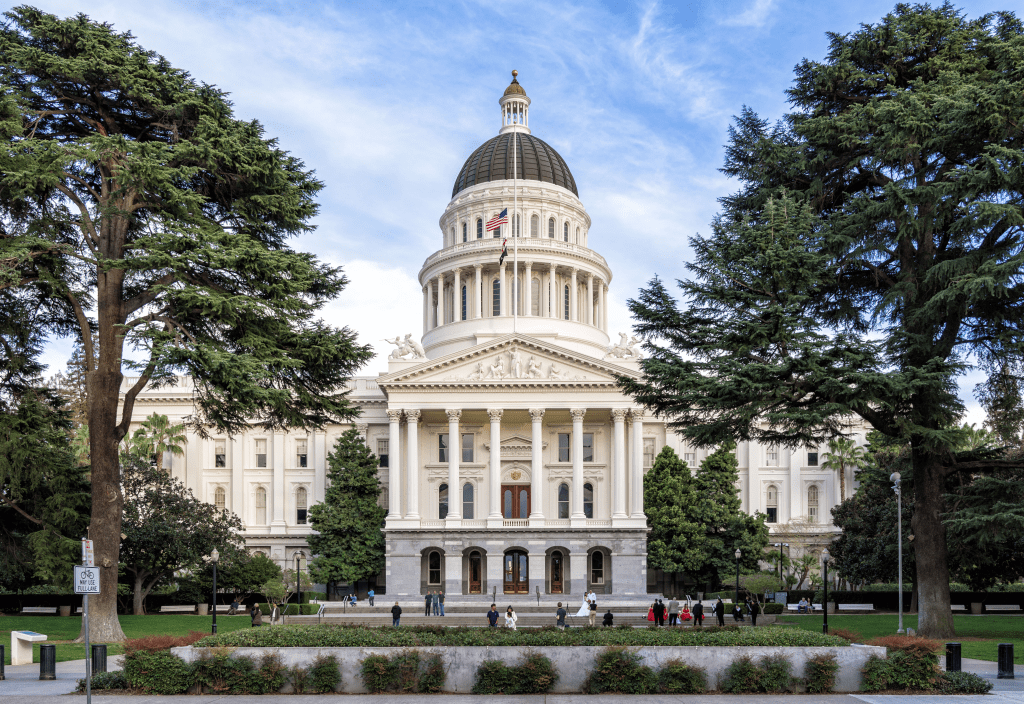
The California State Legislature is now firmly into the second year of its two-year 2025–2026 Regular Session, which runs from December 2024 through November 30, 2026. With lawmakers reconvening on January 5, 2026, the bill-introduction process for 2026 is officially underway—though still in its early stages.
As of mid-January, hundreds of new measures are beginning to appear, many as spot bills (placeholder legislation that will be amended later) alongside fully drafted proposals. The pace will accelerate significantly as the Legislature approaches its typical mid-February bill introduction deadline (expected around February 20, 2026, pending confirmation on the official calendar).
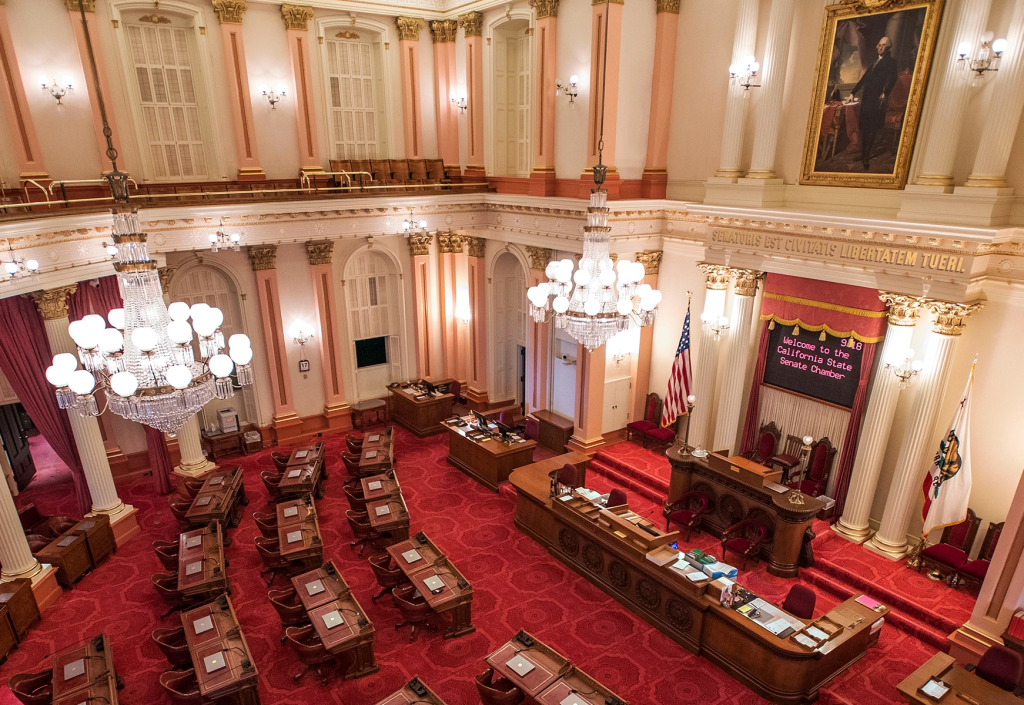
How the 2026 Bill Introduction Process Works
California’s Legislature operates differently from Congress or many state legislatures:
- Two-year session: Bills introduced in 2025 can carry over into 2026 if they did not clear their house of origin by the June 2025 deadline.
- Early-year ramp-up: January introductions often include intent or placeholder bills, with full text added later.
- High volume: Thousands of bills are typically introduced over the full session.
- Committee-driven: Most bills begin their life in policy committees before fiscal review.
As of early January, the official Legislative Information database showed relatively few fully published 2026 bills—normal for this point in the cycle.
Key Political Context Shaping 2026 Legislation
Several factors are already influencing what lawmakers are prioritizing this year:
- Budget pressure: California is facing a projected $18–20 billion deficit, shaping budget, tax, and spending proposals.
- Election year dynamics: 2026 is a statewide election year, affecting both messaging and policy focus.
- Federal-state tension: Continued pushback against Trump-era and current federal policies, especially on immigration and enforcement.
- Carryover bills: Measures stalled in 2025 are returning with revisions.
Expect coordinated announcements later this winter from Gavin Newsom, legislative leadership, and major committees as priorities solidify.
Assembly Bills Introduced in January 2026 (Selected)
Among Assembly bills introduced so far:
- AB 52 – Farmer equity: advisory committees
- AB 442 – Z’berg-Nejedly Forest Practice Act: working forest management plans
- AB 643 – Climate change: short-lived climate pollutants and organic waste reduction
- AB 647 – Abandoned recreational vehicles
- AB 685 – Small Business Resiliency and Innovation Act
- AB 826 – Deceptive practices targeting service members and veterans
- AB 892 – Prohibition on direct contact with captive wild animals
- AB 1553–1558 – A cluster of measures covering CEQA, wildfire funding, tuition exemptions, recovery housing, e-bikes, and emergency health practitioners
- AB 1563 – Budget Act of 2026
- AB 1573 – Land use and housing elements targeting specific populations
- AB 1577 – Data centers: monthly reporting
- AB 1578 – Anti-hate speech training for state and local officials
Many of these bills are currently “from printer” or awaiting committee assignment, indicating they are newly introduced and not yet substantively debated.
Senate Bills Introduced in January 2026 (Selected)
On the Senate side, early introductions include:
- SB 96 – Streaming services: commercial advertisements (already advancing out of committee)
- SB 342 – Contractors: unlicensed work
- SB 505 – Money Transmission Act: authentication
- SB 546 – California Financial Literacy Fund
- SB 700 – Bank on California Program
- SB 849 – Physician sexual misconduct: license revocation
- SB 879 – Budget Act of 2026
- SB 880 – Housing purchases: moratorium
- SB 881 – Tax credits for food bank donations
Budget-related measures are expected to expand rapidly as fiscal negotiations intensify in the spring.
Resolutions: Recognitions and Policy Statements
January also saw a wave of resolutions, which do not create binding law but signal priorities or recognize events, including:
- ACR 115–120 – National Blood Donor Month, MLK Day, Maternal Health Awareness, Korean American Day, and more
- AR 75 – National Human Trafficking Awareness Month
- SCR 89 – Diversity, Equity, and Inclusion
- SJR 9 – Immigration enforcement and mass raid opposition
Resolutions often move quickly and reflect cultural, social, and political messaging in an election year.
Emerging Themes to Watch in 2026
Across both chambers, early introductions point to several major themes:
- Budget & finance: Deficit management, tax credits, and spending controls
- Environment & climate: Waste reduction, forest management, emissions
- Housing & affordability: Land use reforms and housing purchase restrictions
- Health & safety: Public health standards, mandated reporting, product safety
- Business & labor: Small business support and contractor regulation
- Education & youth safety: E-bike rules, school safety programs, potential kindergarten mandates
Where to Track Bills in Real Time
For the most accurate and up-to-date information:
- California Legislative Information: leginfo.legislature.ca.gov
- LegiScan and Digital Democracy: Third-party trackers that aggregate bill data and updates
Bill introductions will continue daily through February, with substantive debates picking up as committees begin hearings.
Election Desk will continue monitoring key legislative developments as the 2026 session unfolds, with deeper dives into high-impact bills as text, authors, and amendments become available.
 Election Desk
Leave a comment