- President
- U.S. Senate
- U.S. House
- Control-of-Congress explainers
- Federal election disputes
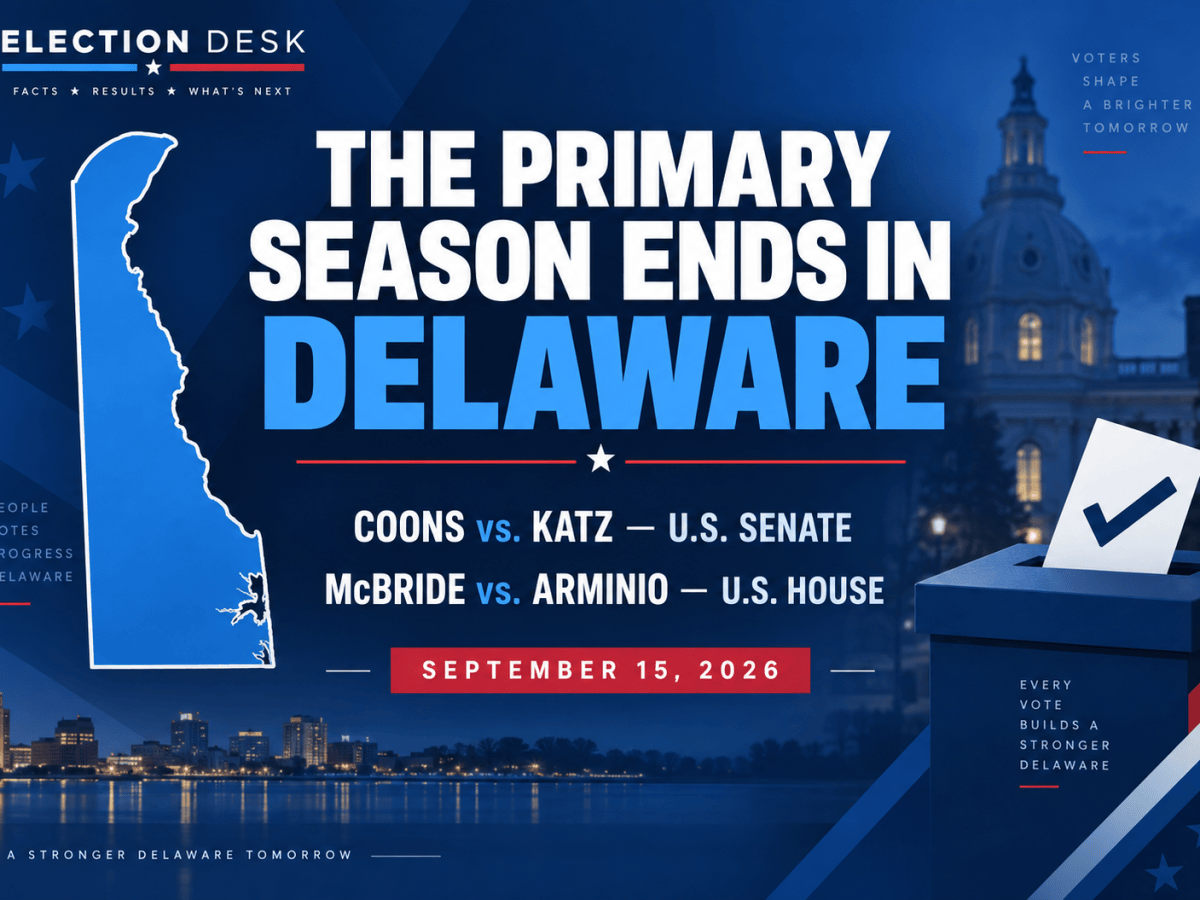
Delaware Closes Out the 2026 Primary Season: Coons and Katz Set for Senate Showdown
Delaware’s primary on September 15 concluded with Democratic incumbents advancing, including Senator Chris Coons, who secured 84% of votes. Republican Dr. Mike Katz won his primary with 74%. In the U.S. House race, Joseph Arminio triumphed in a competitive three-way primary. Statewide turnout was about 21.7%.

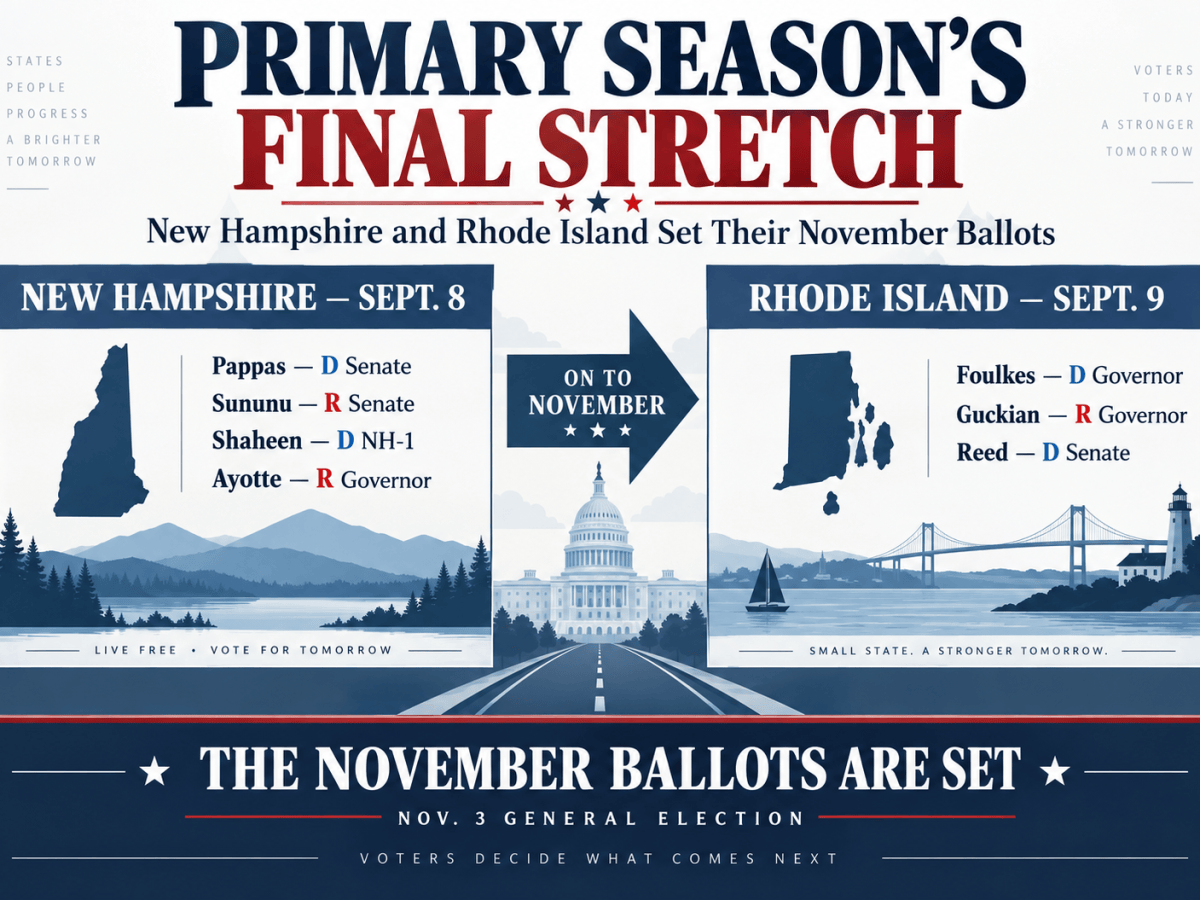
New Hampshire and Rhode Island Set Their November Ballots as Primary Season Closes
New Hampshire and Rhode Island concluded their primary elections, finalizing nominations for key Senate, gubernatorial, and House races. In New Hampshire, Chris Pappas and John E. Sununu will compete for an open Senate seat, while in Rhode Island, Helena Buonanno Foulkes defeated incumbent Gov. Dan McKee. General elections are set for November 3.

Delaware closes out the 2026 primary calendar Next Tuesday, with Coons facing a four-way Democratic Senate primary
Delaware’s state primary on September 15 marks the final primary of the 2026 election cycle, featuring key races for U.S. Senate, House, attorney general, and state treasurer nominations. Democratic incumbents face challengers, while many legislative contests are uncontested. The focus will shift to the general election on November 3.

Rhode Island’s delayed primary arrives Wednesday, headlined by McKee-Foulkes rematch
Rhode Island’s state primary is on September 9, 2026, moved to ease logistical challenges. Key races include a gubernatorial rematch between Gov. Dan McKee and Helena Buonanno Foulkes, and competitive primaries for lieutenant governor and attorney general. The general election is scheduled for November 3, with Democratic leanings likely to persist.
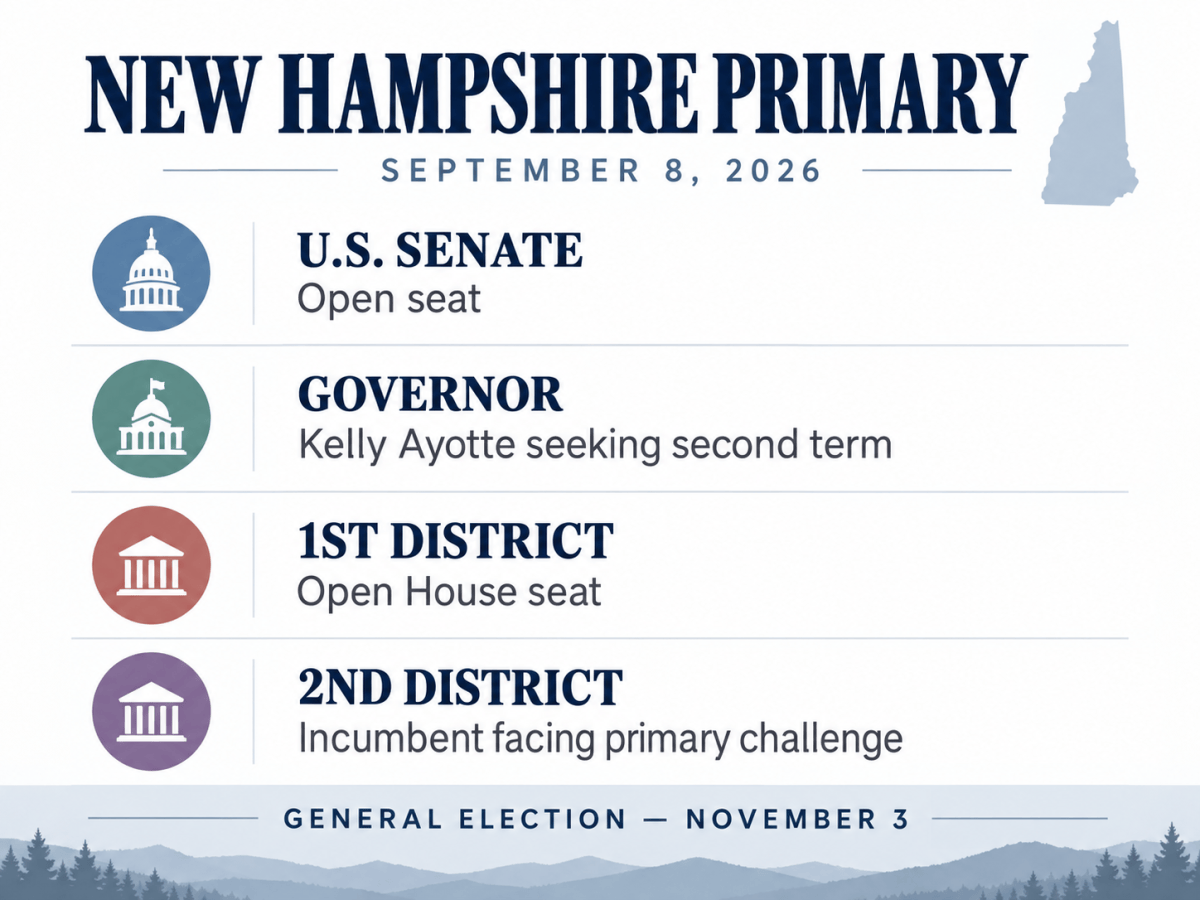
New Hampshire voters set party nominees Tuesday in first open U.S. Senate race in nearly two decades
New Hampshire’s state primary on September 8 will determine nominees for an open U.S. Senate seat, a reelection bid by Gov. Kelly Ayotte, and two U.S. House races. With no incumbent for the first time since 2008, nine Democrats are vying for the 1st District, while both parties face various challengers statewide.
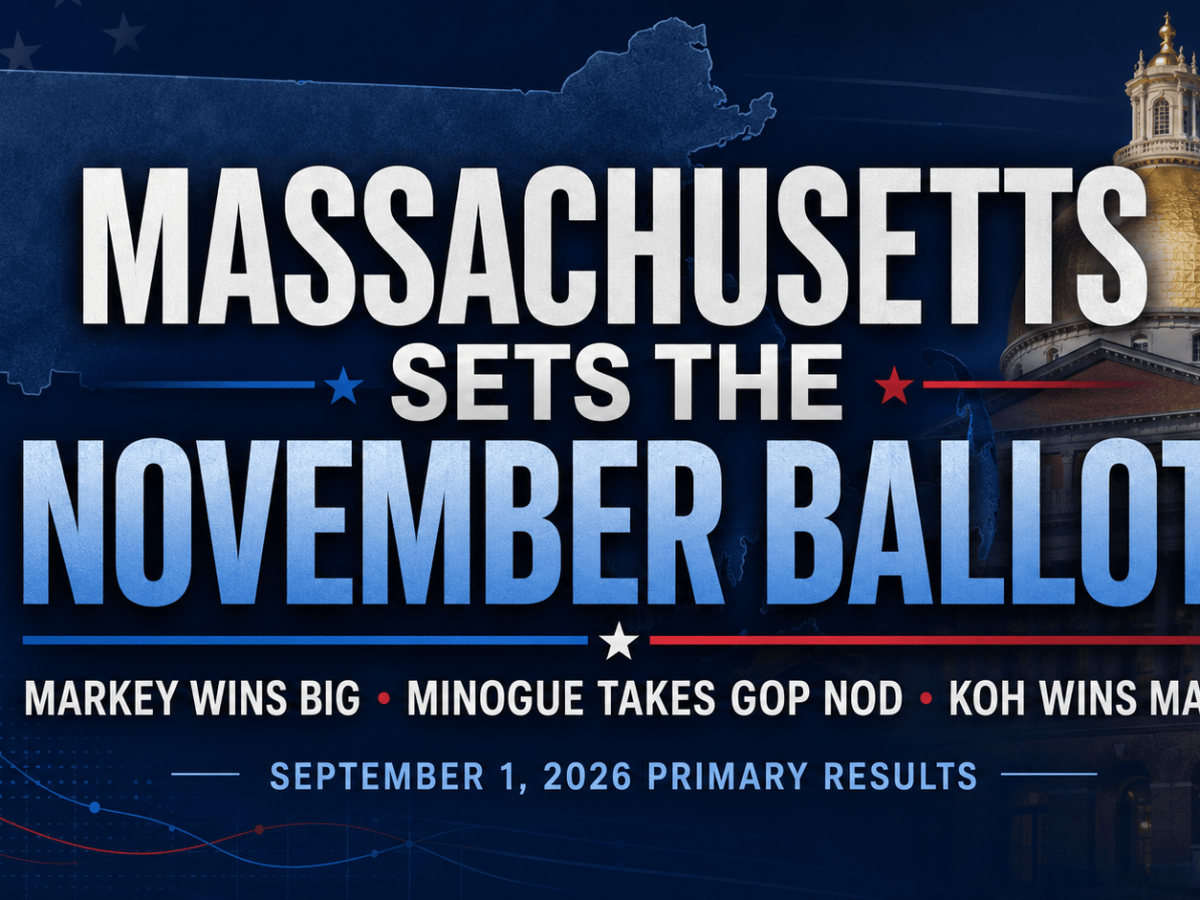
Markey Turns Back Moulton, Minogue Wins GOP Nod, as Massachusetts Sets Its November Ballot
On September 1, Massachusetts voters participated in primary elections, highlighted by Ed Markey’s decisive win over Seth Moulton for the Democratic Senate nomination. Republicans also chose Mike Minogue as their gubernatorial candidate. In U.S. House races, Dan Koh emerged victorious in the 6th District. Notably, incumbents Richard Neal and Stephen Lynch successfully defended their seats…
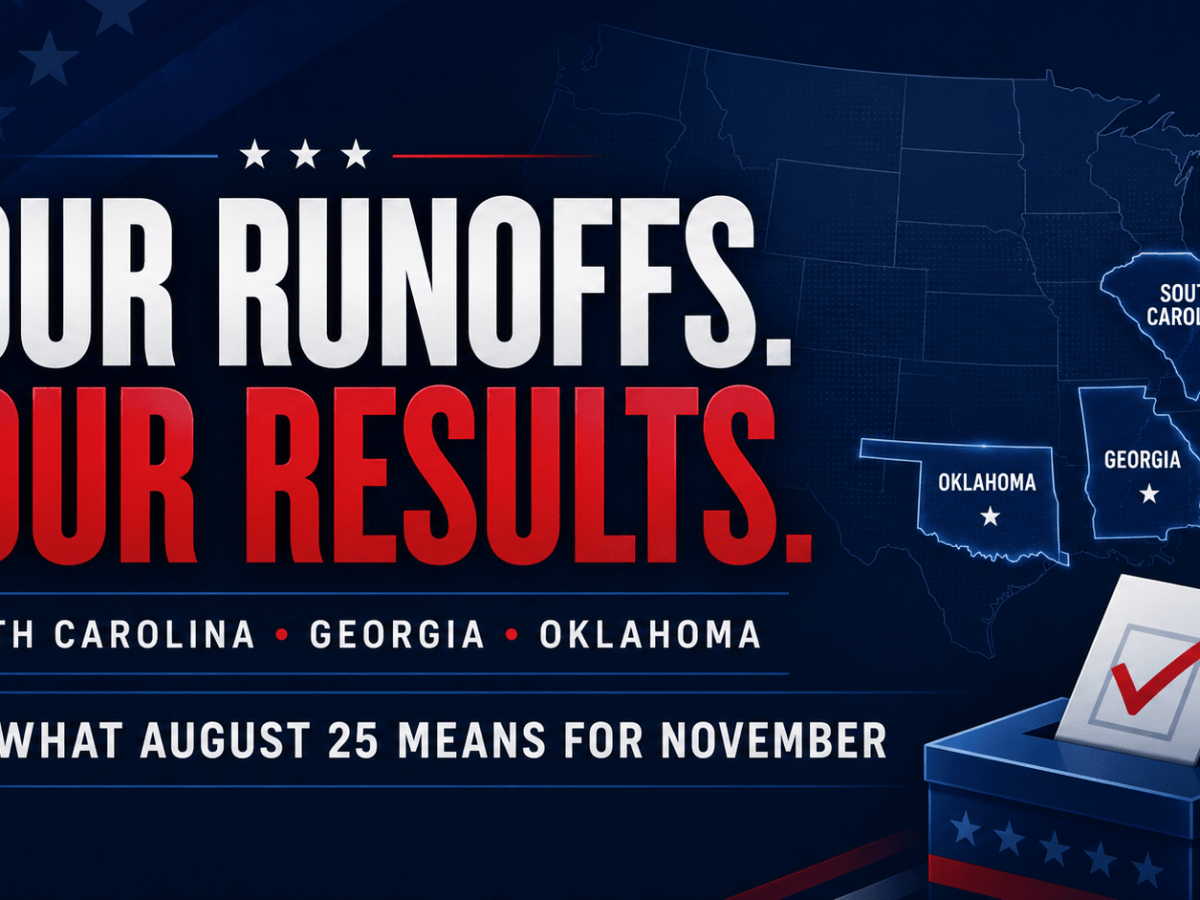
Four Runoffs, Four Results: What Tuesday’s Elections in South Carolina, Georgia and Oklahoma Mean for November
On August 25, primary runoffs in South Carolina, Georgia, and Oklahoma concluded key races. Darline Graham won the GOP Senate nomination in South Carolina, while Everton Blair unexpectedly secured Georgia’s 13th District seat. In Oklahoma, Mike Mazzei narrowly defeated Gentner Drummond for governor, and N’Kiyla Jasmine Thomas won the Senate nomination.

Fake Polls, Volatile Markets: What Voters Should — and Shouldn’t — Trust Ahead of November
The credibility of polling and prediction markets ahead of the 2026 midterms is under scrutiny following incidents of fabricated polls and undisclosed funding. Median Strategies and The Public Sentiment Institute faced criticism for their practices. Despite these issues, polling and markets continue to play a significant role in shaping election forecasts.
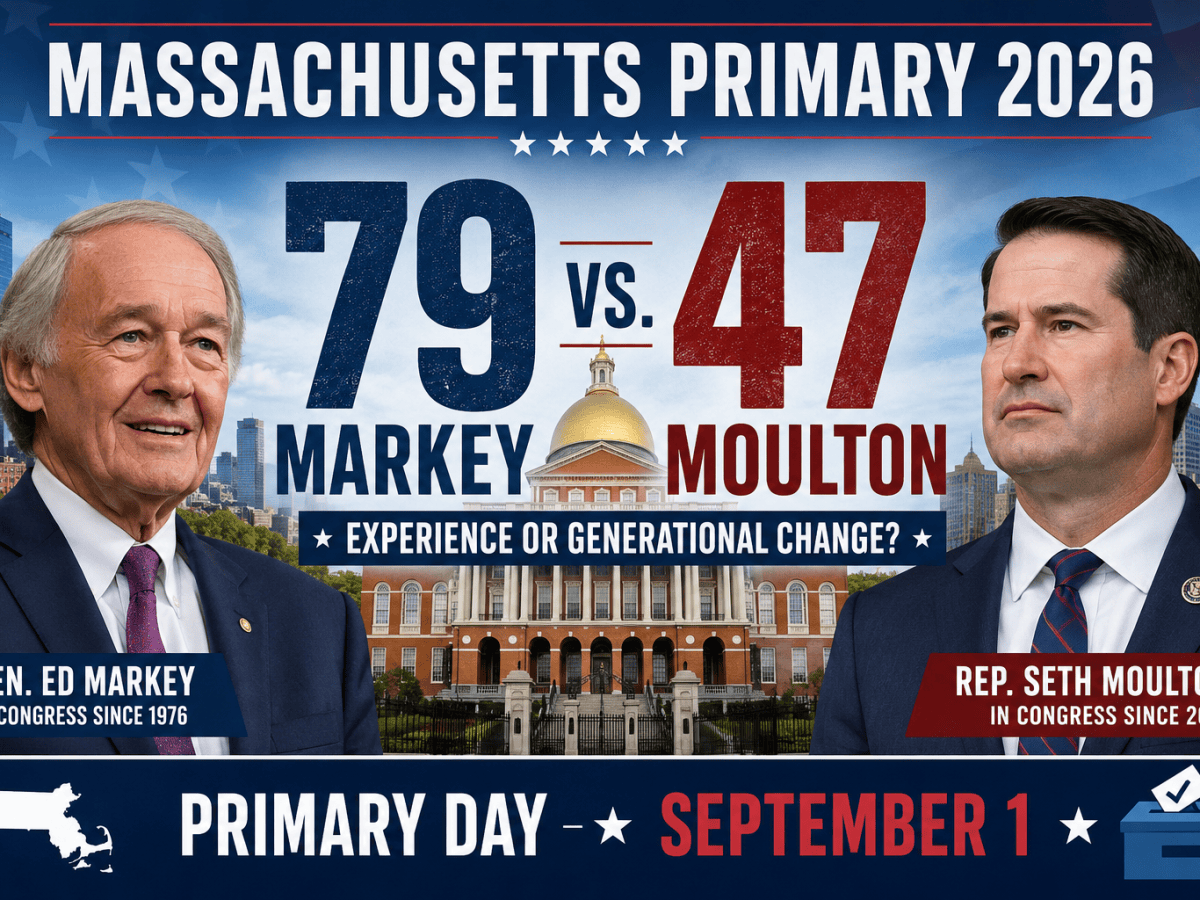
Massachusetts Heads Into a Sept. 1 Primary Dominated by a Generational Fight Over Ed Markey’s Senate Seat
Massachusetts voters will decide in a primary election on September 1 if 79-year-old Sen. Ed Markey should be renominated over Rep. Seth Moulton, who advocates for generational change. Early voting is from August 22-28, with registration closing August 22. The election includes races for governor, U.S. House, and district attorney positions, amid various ballot questions…
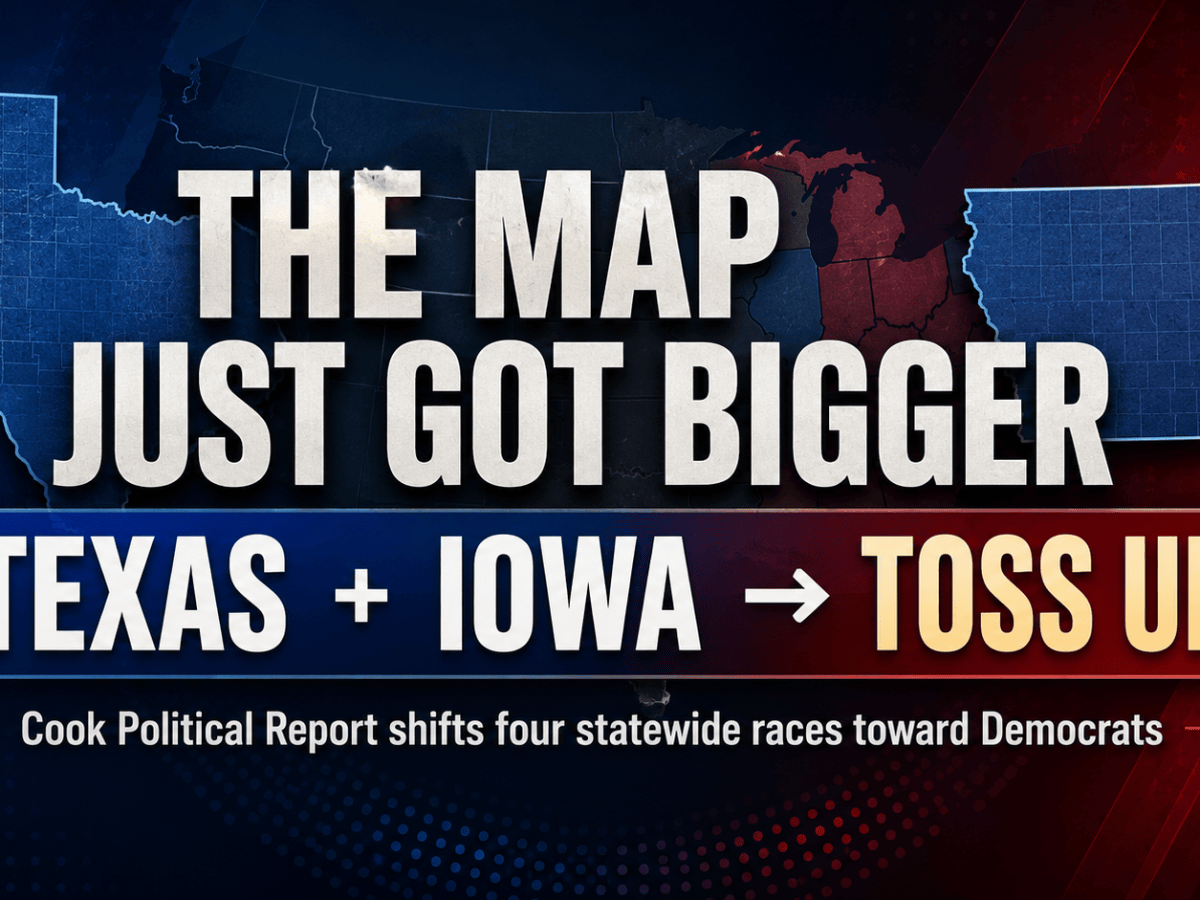
Cook Political Report Moves Texas and Iowa Senate Races to Toss Up, Shifts Both Governor Races Toward Democrats
The Cook Political Report has shifted the Texas and Iowa Senate races from Lean Republican to Toss Up, while also moving both states’ gubernatorial races in favor of Democrats. The changes reflect scrutiny of Republican candidates and a changing political landscape, signaling competitive elections in traditionally safe Republican states.

Two Democrats Lead Crowded Alaska Governor Field; Peltola Tops Sullivan as Both Advance
Alaska’s recent nonpartisan primary elections highlighted competitive Senate and House races, with counting ongoing in a crowded governor’s race. Former Rep. Mary Peltola leads incumbent Sen. Dan Sullivan, while Rep. Nick Begich III maintains a lead over independent Bill Hill. Voter support for reinstating campaign contribution limits is strong, with about 70% in favor.

Barlow Upsets Trump-Backed Degenfelder in Wyoming Governor’s Race; Hageman, Gray Win Crowded Federal Primaries
Wyoming held its first three-way open race for governor, Senate, and House in 32 years on August 18, resulting in state Sen. Eric Barlow’s unexpected victory over Trump’s endorsed candidate for governor. Other key outcomes include Harriet Hageman’s successful Senate bid and Chuck Gray’s win in the U.S. House primary.
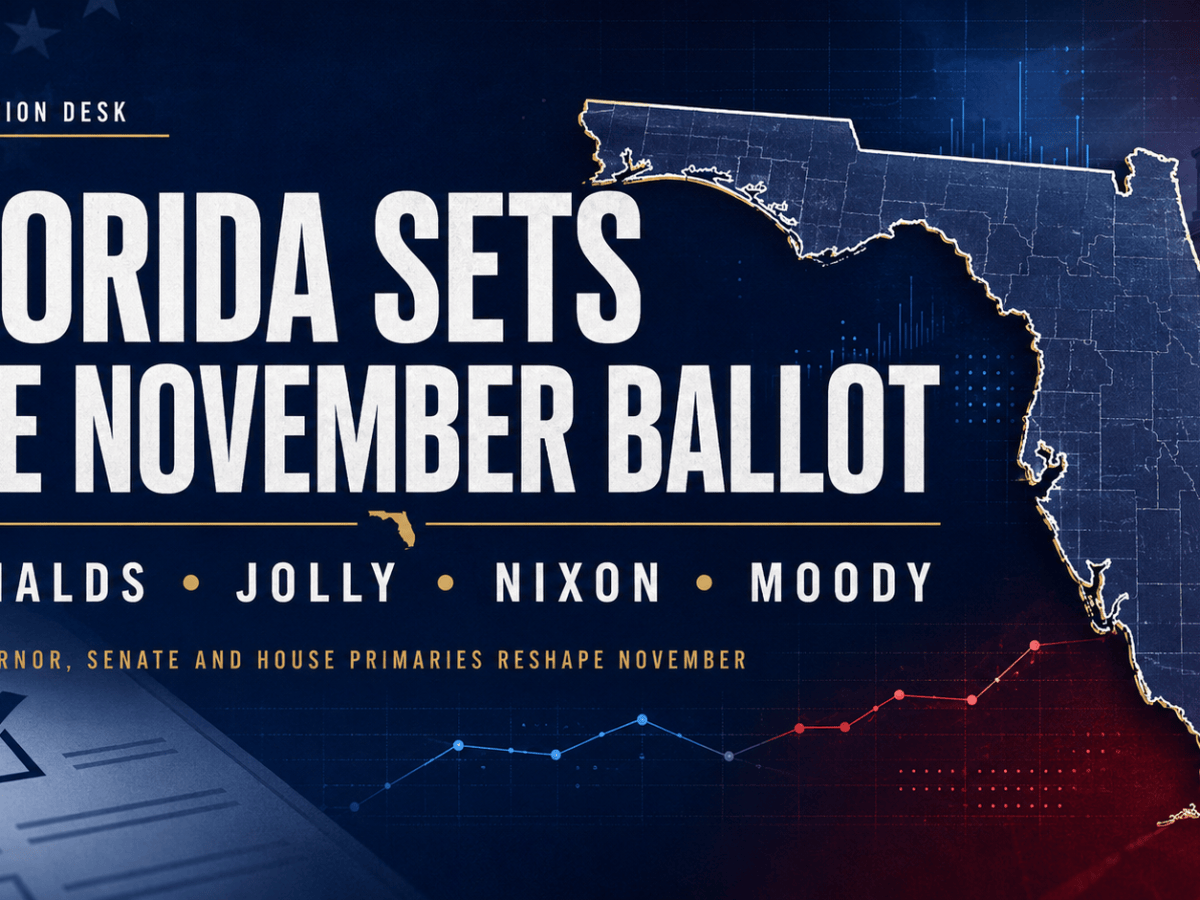
Donalds, Jolly Advance in Florida Governor’s Race; Nixon Upsets Vindman in Senate Primary as GOP Incumbent Falls in FL-07
Florida’s primary elections on August 18 featured significant developments, including Byron Donalds and David Jolly securing nominations for governor. Senator Ashley Moody and Democrat Angie Nixon also advanced in their races. A new congressional map influenced primaries, culminating in notable incumbent losses, especially in the 7th District, shaping the upcoming November elections.

Who’s Running for President in 2028? Where the Early Field Stands
As of mid-August 2026, no major party candidates have officially entered the 2028 presidential race, but interest is rising. Polls among Republicans show a close contest between JD Vance and Marco Rubio, while the Democratic field is fragmented, with various candidates leading in different surveys. Political dynamics remain fluid and uncertain.

The 2028 Field Is Forming Without a Frontrunner — Here’s How the Process Actually Works
As the 2028 presidential election approaches, no major candidates have officially launched campaigns, marking the first time since 1884 that consecutive elections will occur without an incumbent. Current discussions revolve around candidate speculation and polling, with actual campaign activity expected to ramp up after the 2026 midterms.
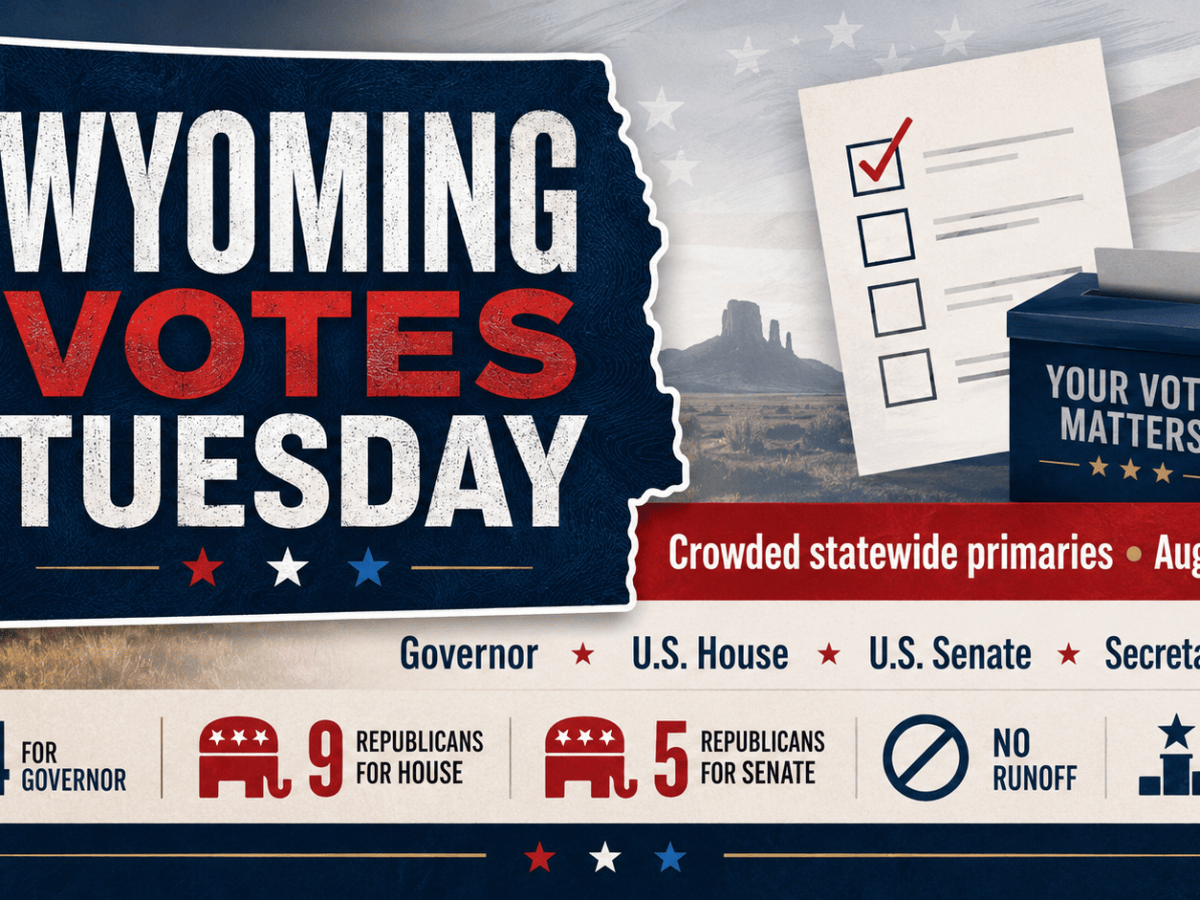
Wyoming Voters Decide Crowded Statewide Primaries Tuesday
Wyoming’s 2026 primary election is set for August 18, featuring races for governor, U.S. House, Senate, and other statewide offices. With Wyoming’s Republican dominance, the GOP primary is particularly critical, often decided by less than a majority. The election landscape includes open seats and various Republican candidates competing, while Democratic options are limited.
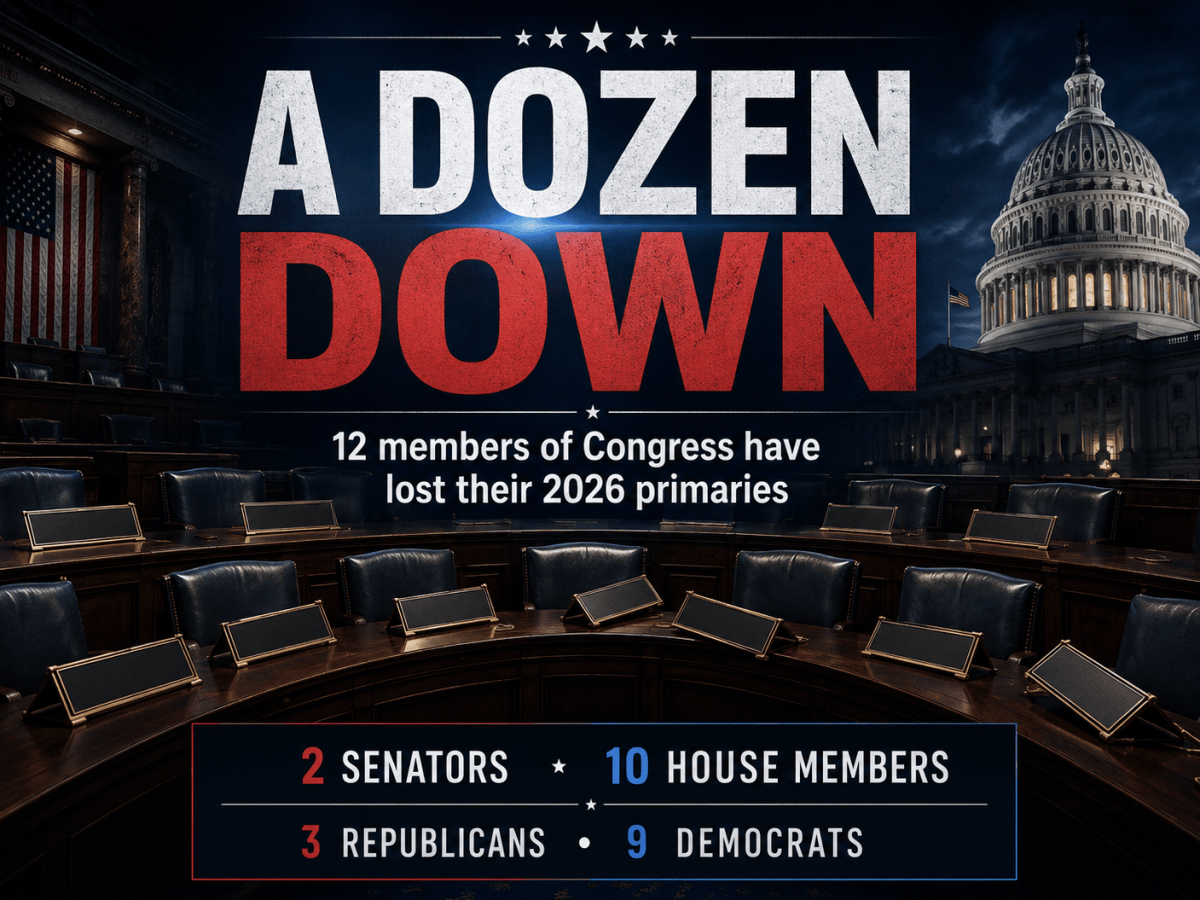
A Dozen Down: How the 2026 Primary Season Is Reshaping Congress
During the 2026 primary season, twelve incumbent Congress members lost their party nominations, including two senators and ten House representatives, with Democrats suffering more losses than Republicans. Key factors included Trump’s endorsement influence for Republicans and a surge of leftist primary challenges for Democrats, alongside redistricting affecting several incumbents.
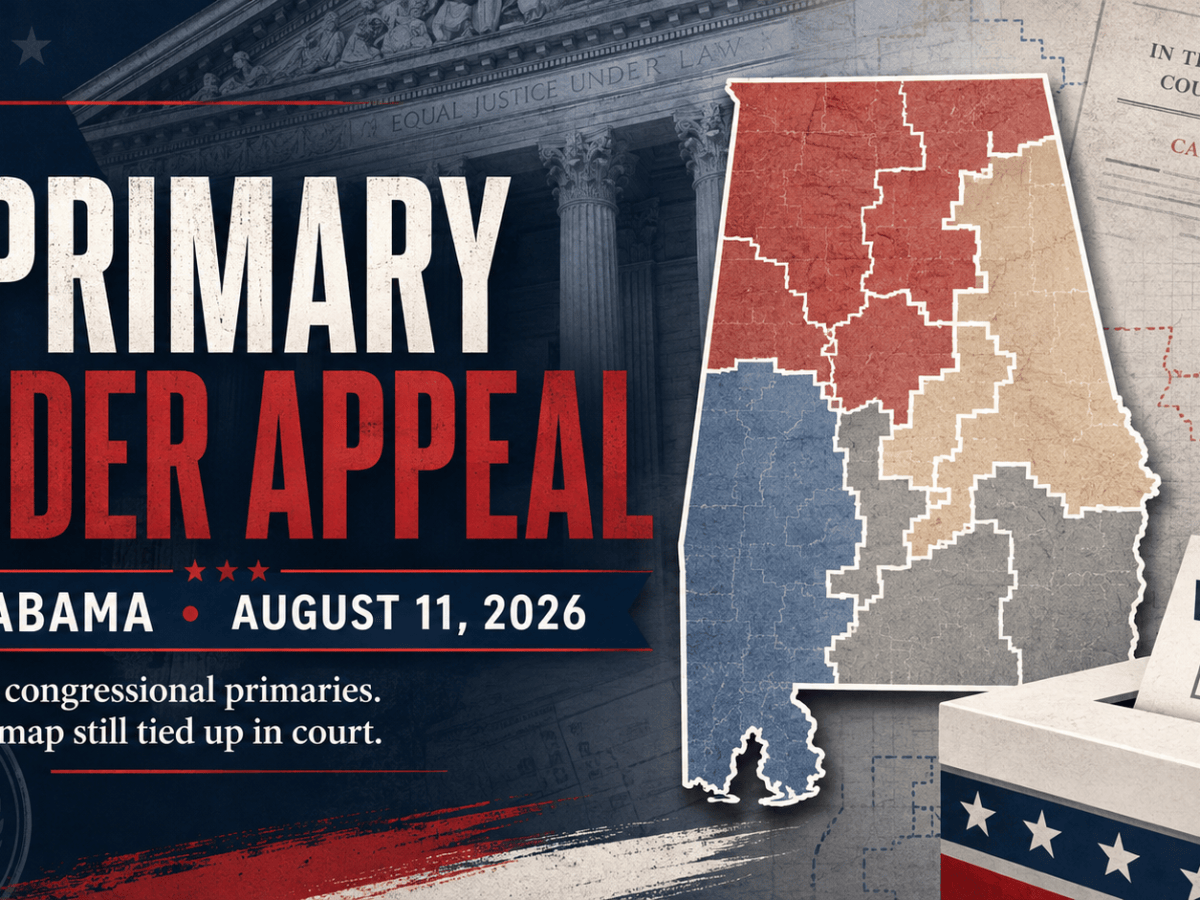
Alabama Holds Congressional Primaries Under a Map Still Tied Up in Court
Alabama voters participated in special primaries for four congressional districts amid ongoing federal litigation over the state’s congressional map. Turnout was historically low due to confusion from rapid election timelines. The 2023 map, criticized for racial discrimination, alters Democratic representation, while the legal outcome will ultimately determine election validity.
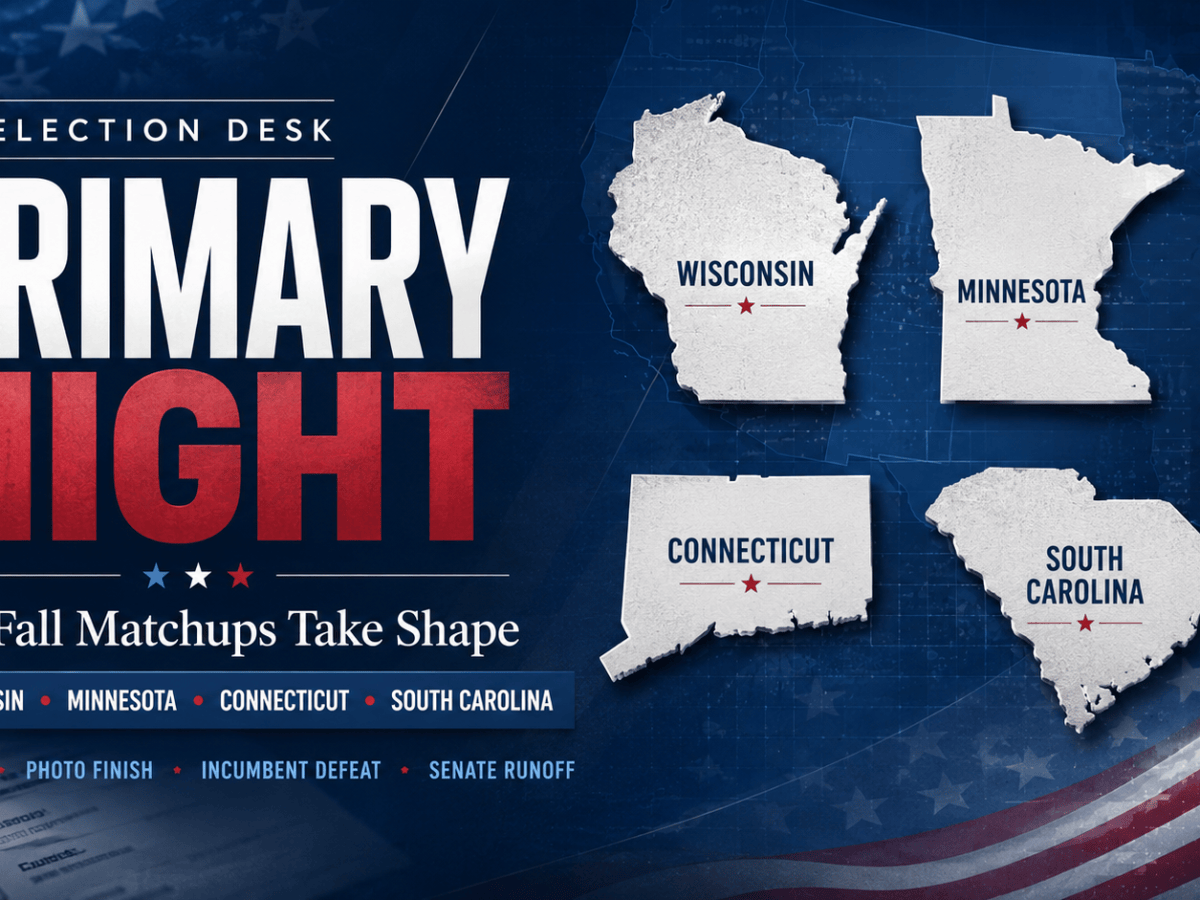
Primary Night: Wisconsin, Minnesota, Connecticut and South Carolina Set Fall Matchups
On August 11, 2026, primary elections in six states revealed significant ideological divides within both parties. Key results included David Crowley’s narrow victory in Wisconsin’s Democratic gubernatorial primary, U.S. Sen. Amy Klobuchar’s nomination in Minnesota, and Luke Bronin’s upset over John Larson in Connecticut. South Carolina set a runoff for the Senate seat left vacant…
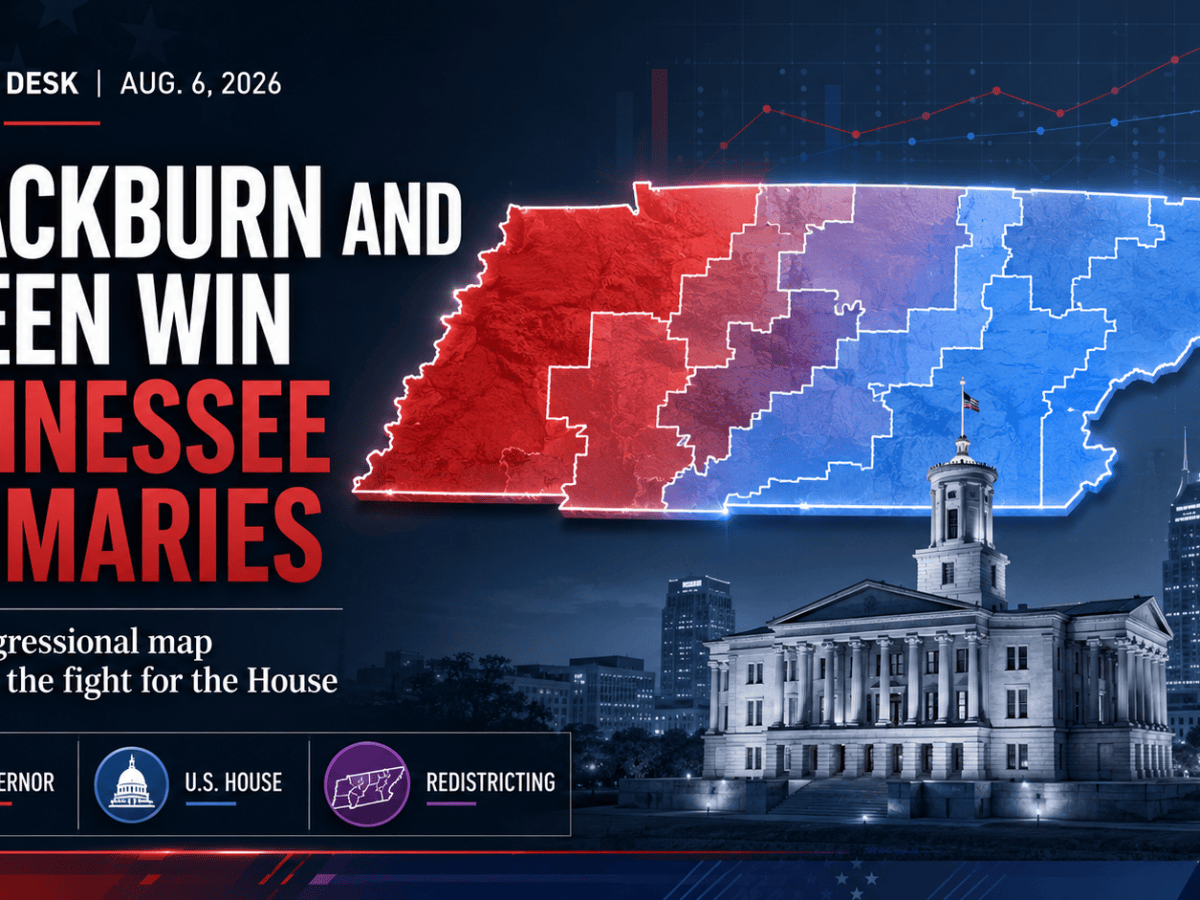
Blackburn and Green Win Governor’s Race Primaries as Tennessee’s New Congressional Map Reshapes the House Delegation
Tennessee voters participated in primaries on August 6, determining the candidates for governor and U.S. House seats ahead of the November 3 general election. Republican Marsha Blackburn and Democrat Jerri Green emerged as gubernatorial nominees. The elections were influenced by a newly drawn congressional map favoring Republicans, affecting several districts’ dynamics.
Florida’s Other Senate Race: How the 2026 Special Election to Replace Marco Rubio Works
Florida’s upcoming special Senate election, occurring on August 18, 2026, follows Marco Rubio’s resignation after being appointed U.S. Secretary of State. Governor Ron DeSantis appointed Ashley Moody as interim senator. She faces challenges from lesser-known Republicans, while Democrats Alex Vindman and Angie Nixon vie for their party’s nomination. The general election is scheduled for November…
Michigan Sets Its November Ballot: A Rundown of the 2026 Primary Results
Michigan held pivotal primary elections on August 4, reshaping its political landscape as voters selected nominees for governor and U.S. Senate. Democratic Secretary of State Jocelyn Benson and Republican John James advanced for governor, while Abdul El-Sayed won the Democratic Senate primary. Key congressional races featured notable upsets and competitive contests. Final results await certification.

South Carolina Republicans Set for Special U.S. Senate Primary Aug. 11
South Carolina will hold a special primary on August 11 to select a Republican nominee for a U.S. Senate seat vacated by the death of Sen. Lindsey Graham. Nine candidates qualified, and if no candidate receives over 50% of the vote, a runoff will occur on August 25. The winner will face Democrat Annie Andrews…

How the SAVE Act Would Actually Change Voter Registration — And Why It’s Not the Only Citizenship Fight in Court
The article discusses two approaches to citizenship verification for voter registration in Washington: the SAVE Act, a stalled bill in Congress aimed at requiring documentary proof of citizenship, and a presidential executive order affecting mail ballots, currently under legal scrutiny. Both efforts seek to ensure only citizens vote, but operate through distinct legal pathways.
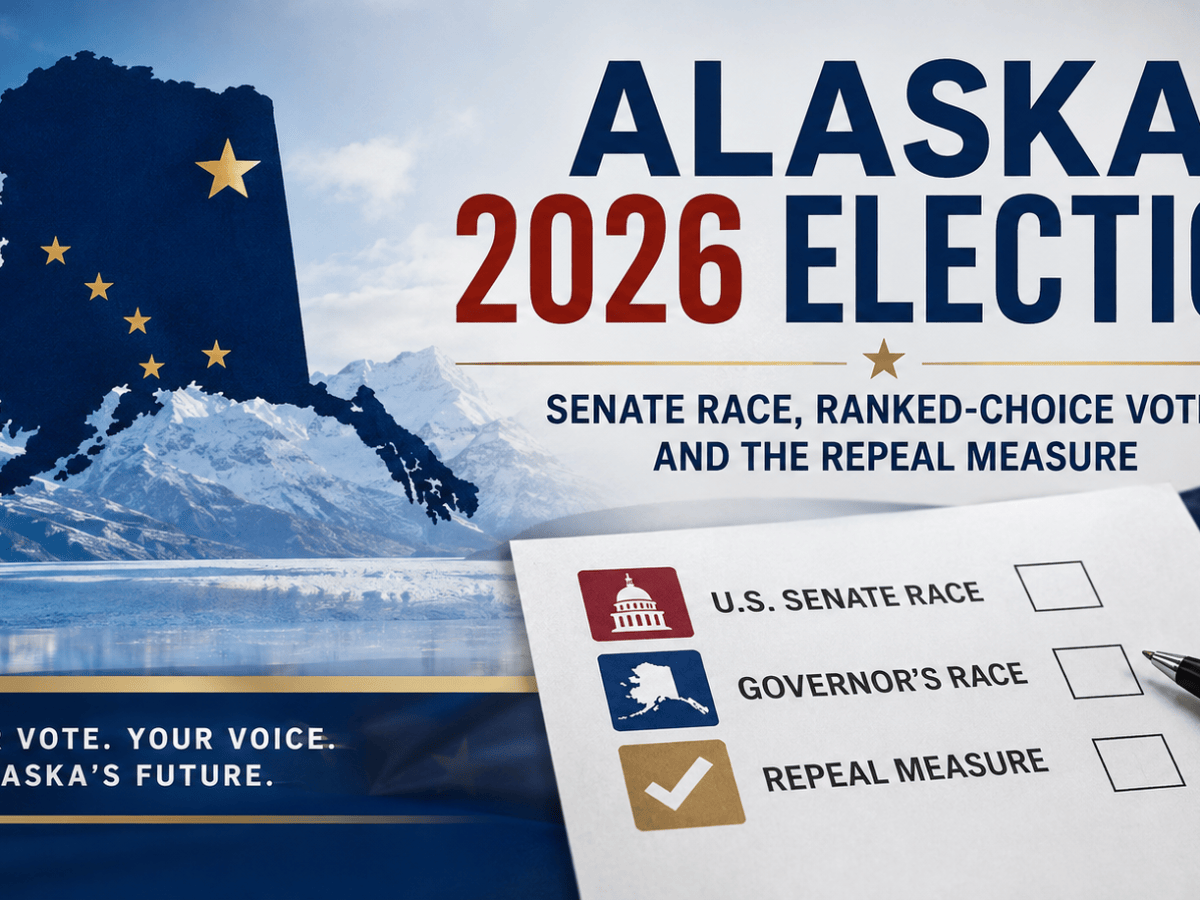
Alaska Voters Will Pick a Senator — and Decide Whether to Keep the System That Elects One
Alaska’s 2026 election cycle features a noteworthy aspect where voters will decide not only a closely-watched Senate race but also whether to repeal the state’s ranked-choice voting system. The Senate primary on August 18 will advance the top four candidates to a ranked-choice general election on November 3, amid debate over electoral clarity and voter…
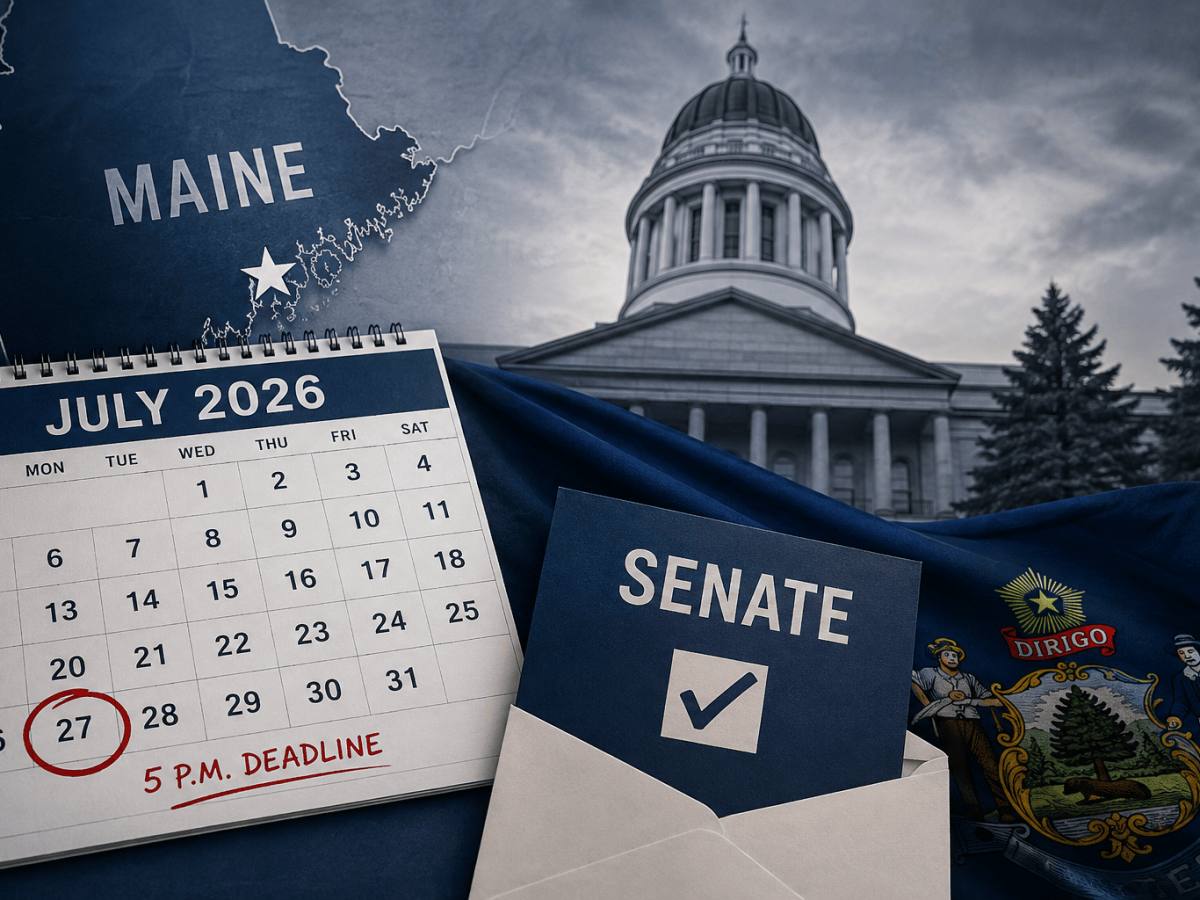
A 17-Day Scramble: How Maine Democrats Replaced Their Senate Nominee Under a Statutory Deadline
Maine’s 2026 U.S. Senate race faced turmoil after nominee Graham Platner withdrew following sexual assault allegations. With time running out, the Democratic Party selected Troy Jackson as the replacement through a convention process, rather than a primary. Jackson now competes against incumbent Susan Collins in a closely contested election.
Ohio’s Senate Special Election: An Appointed Incumbent Faces His First Real Test
Ohio is preparing for its first U.S. Senate special election since 1954, featuring Republican Sen. Jon Husted, appointed in January 2025, facing off against former Democratic Sen. Sherrod Brown. The race is competitive and crucial for both parties, with polls showing no clear favorite, leading to substantial campaign spending ahead of the November 3 election.
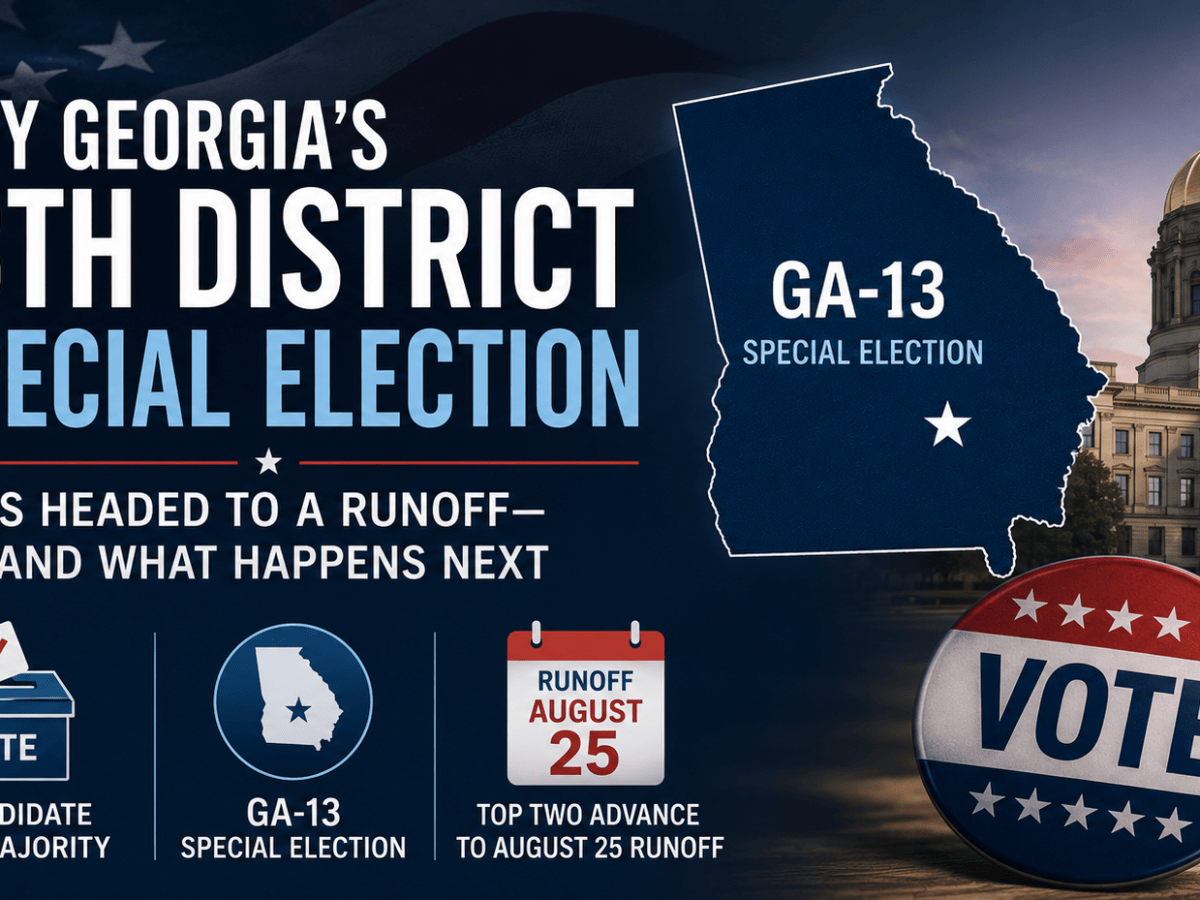
Why Georgia’s 13th District Special Election Is Headed to a Runoff — and What Happens Next
Voters in Georgia’s 13th Congressional District selected candidates for a special election to replace the late Rep. David Scott, but no candidate achieved the required 50 percent majority. This results in a runoff on August 25 between Marcye Scott and Everton Blair, both Democrats, to temporarily occupy the seat.
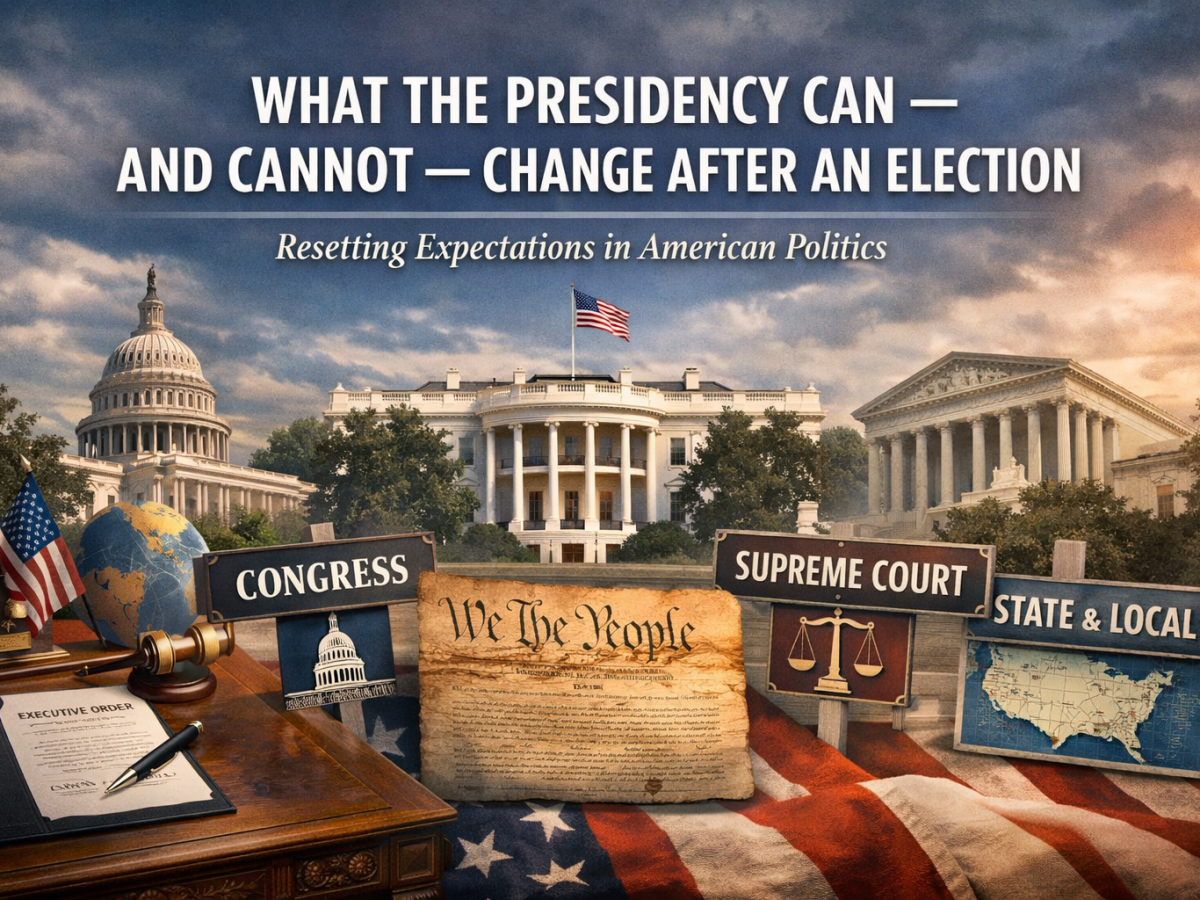
What the Presidency Can — and Cannot — Change After an Election
The content examines the realistic limitations of presidential power in the U.S., emphasizing that while presidents can set agendas, enact executive orders, and influence foreign policy, they cannot unilaterally change laws, rewrite the Constitution, or control independent institutions. Voter expectations often exceed these boundaries, leading to disappointment and distrust in democracy.
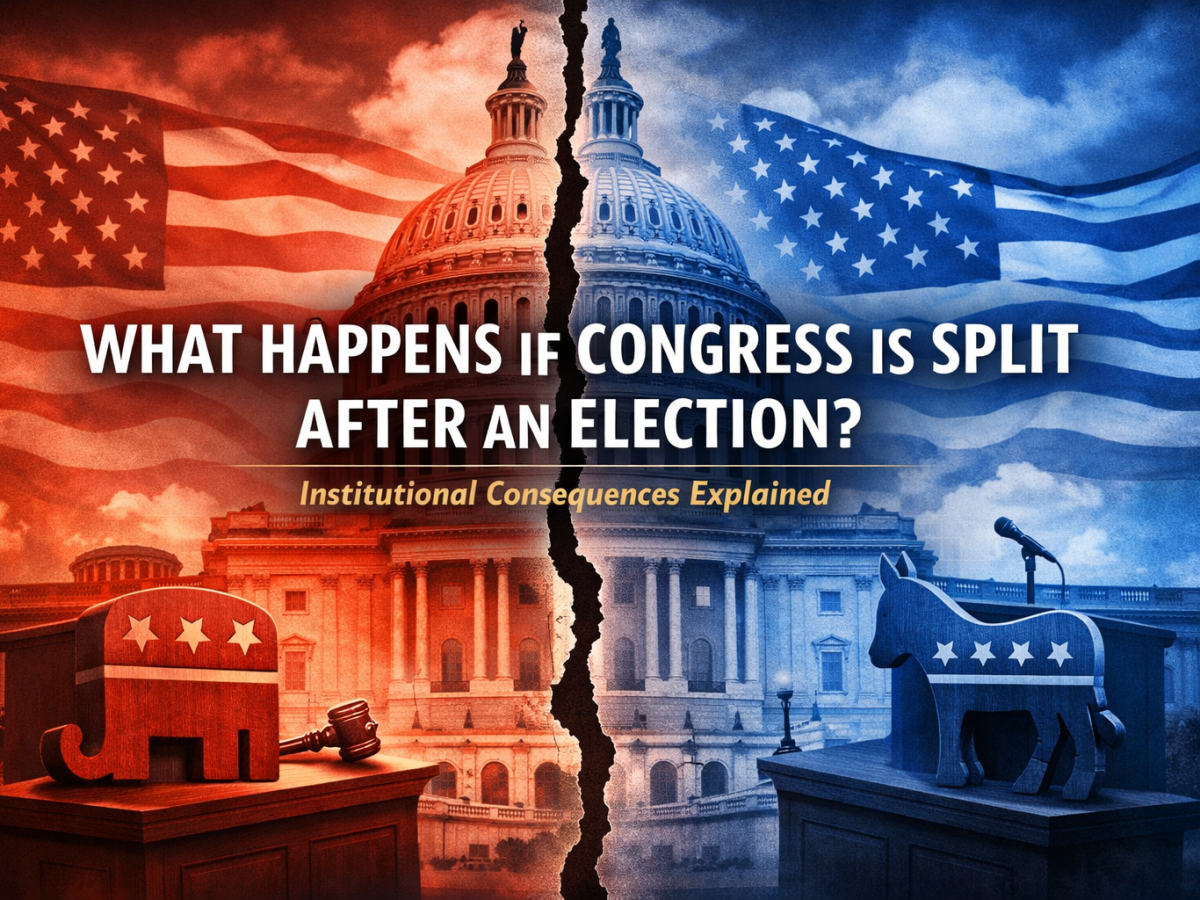
What Happens If Congress Is Split After an Election? Institutional Consequences Explained
Federal elections often result in a split Congress, where no single party controls both chambers. This scenario can lead to legislative gridlock, necessitating bipartisan negotiation for progress. Institutional mechanics, like tie-breaking votes in the Senate and the lack of a tie-breaking mechanism in the House, complicate governance and hinder productivity.

