
- President
- U.S. Senate
- U.S. House
- Control-of-Congress explainers
- Federal election disputes
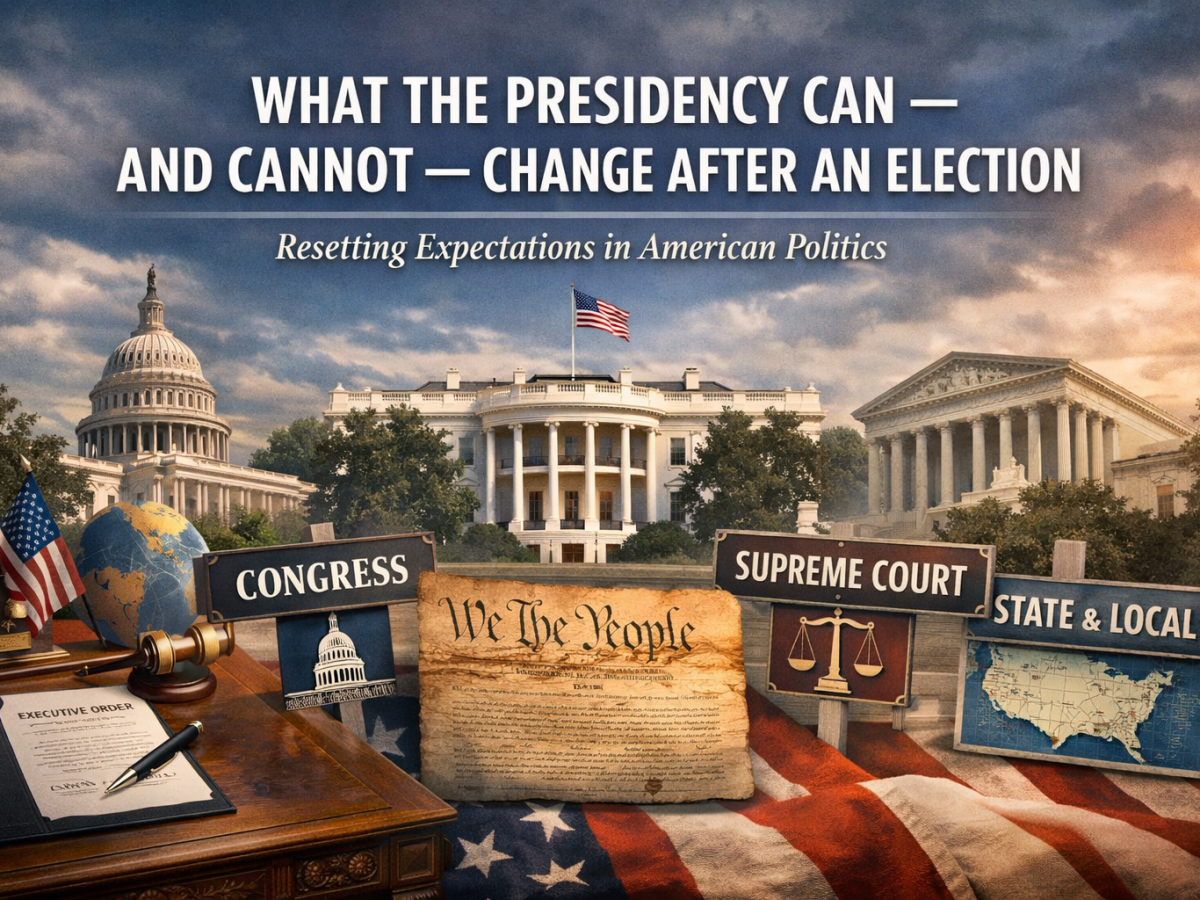
What the Presidency Can — and Cannot — Change After an Election
The content examines the realistic limitations of presidential power in the U.S., emphasizing that while presidents can set agendas, enact executive orders, and influence foreign policy, they cannot unilaterally change laws, rewrite the Constitution, or control independent institutions. Voter expectations often exceed these boundaries, leading to disappointment and distrust in democracy.

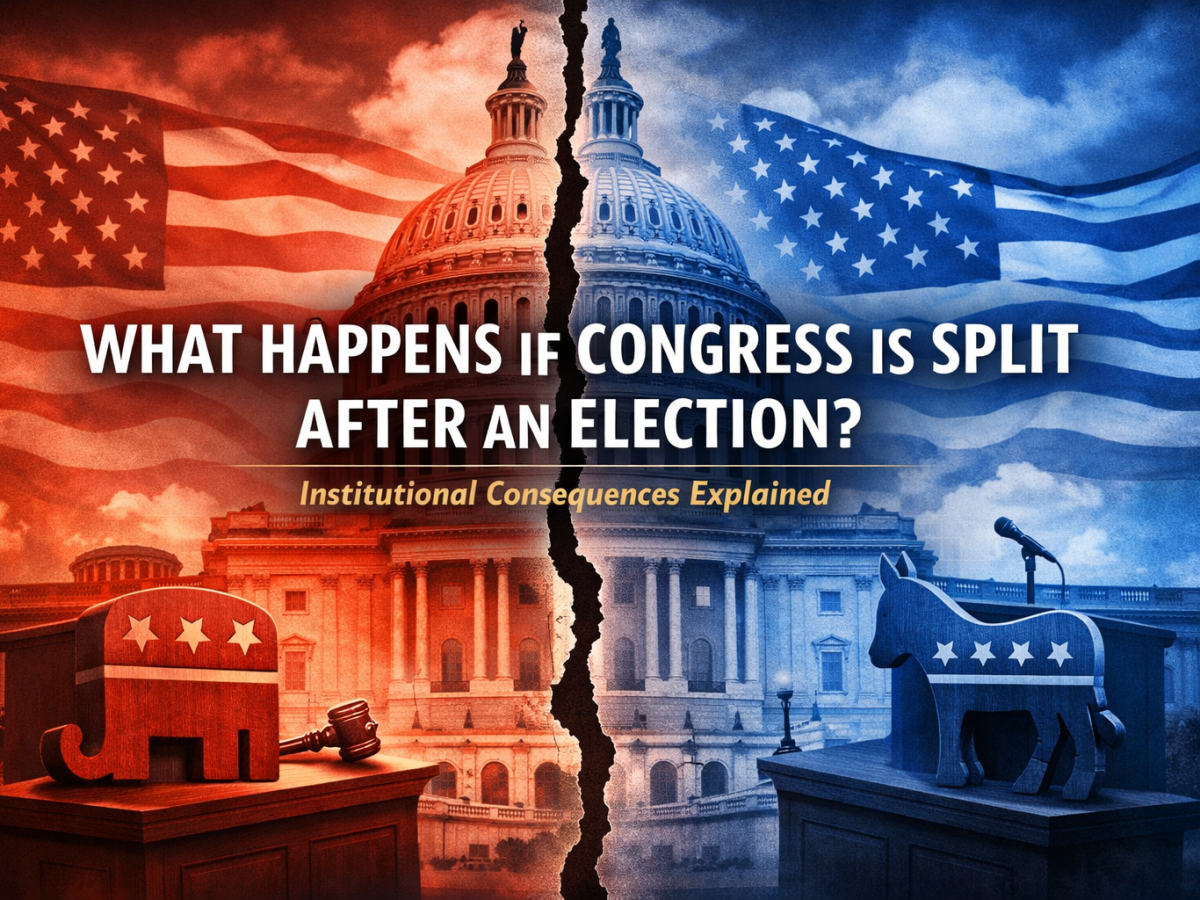
What Happens If Congress Is Split After an Election? Institutional Consequences Explained
Federal elections often result in a split Congress, where no single party controls both chambers. This scenario can lead to legislative gridlock, necessitating bipartisan negotiation for progress. Institutional mechanics, like tie-breaking votes in the Senate and the lack of a tie-breaking mechanism in the House, complicate governance and hinder productivity.
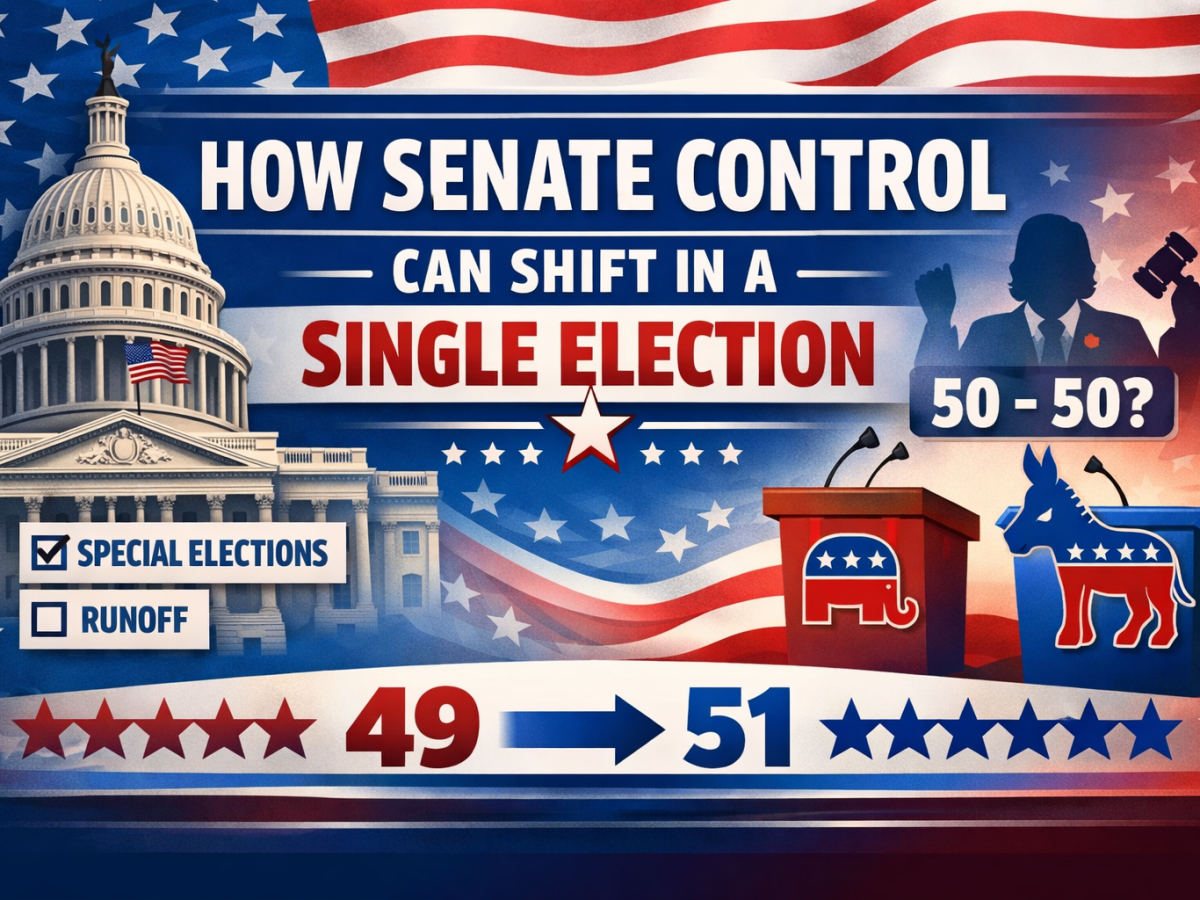
How Senate Control Can Shift in a Single Election
The U.S. Senate, with its staggered six-year terms, features classes of seats contested every two years, which can lead to significant control shifts based on regular and special elections. Vacancies may create crucial opportunities, and a 50-50 split allows the Vice President to cast tie-breaking votes, influencing majority control.
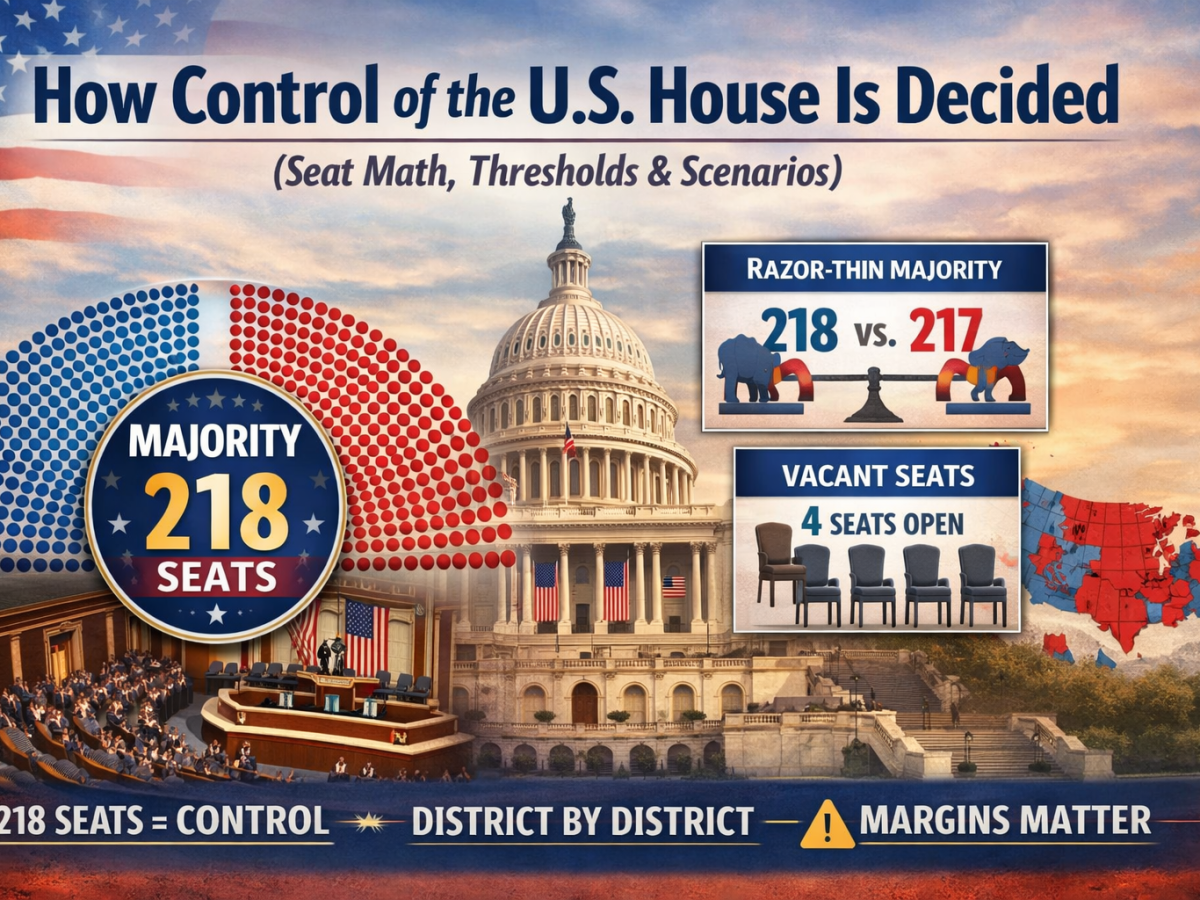
How Control of the U.S. House Is Decided
Control of the U.S. House of Representatives requires 218 seats from 435 total, enabling a party to set the agenda and elect leadership. Real-world scenarios include clear or razor-thin majorities, impacts of vacancies, independents, and why control does not align with the national popular vote. Margins of victory significantly influence legislative power dynamics.
 Election Desk