- Governors
- State legislatures
- Ballot measures
- Election rules by state
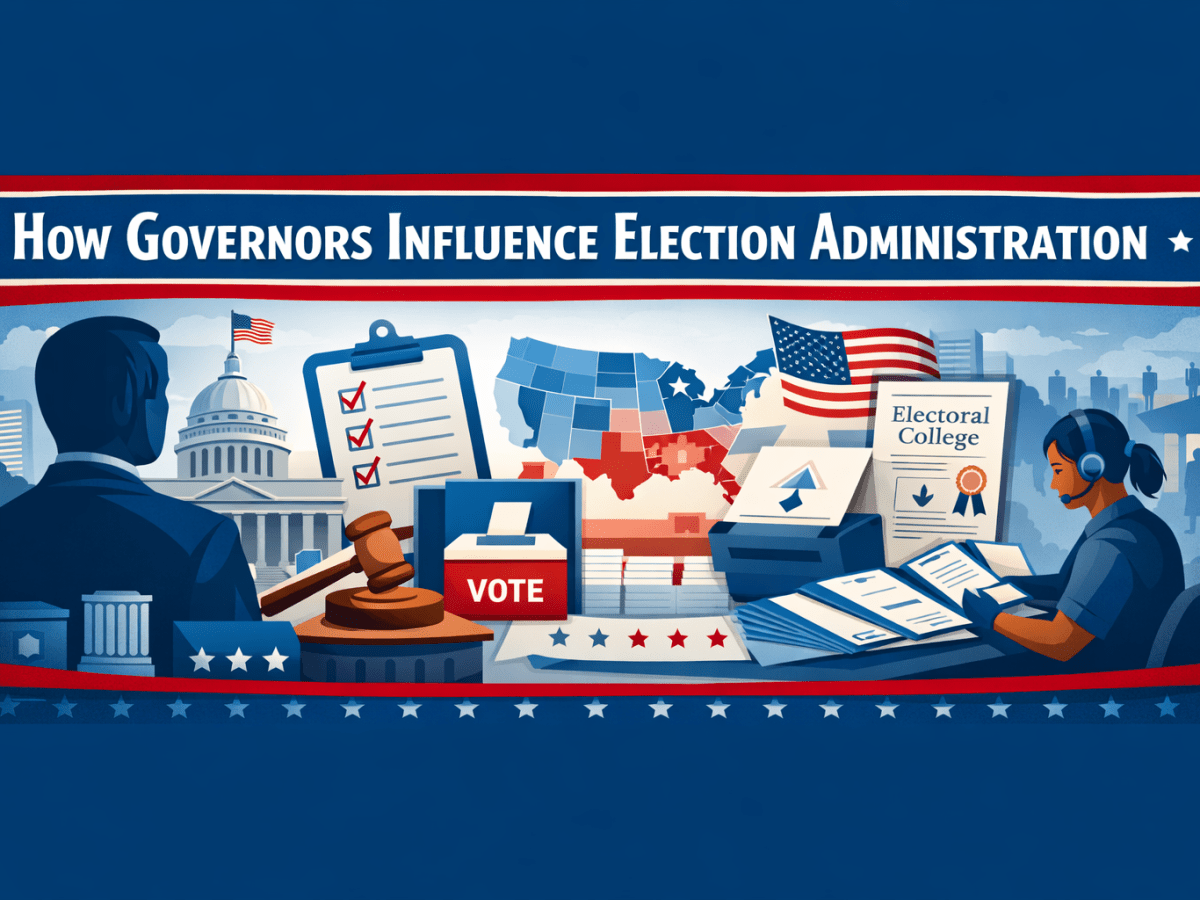
How Governors Influence Election Administration
In the U.S., election administration is mainly handled by states, with governors playing significant roles through appointment powers, executive oversight, legal leadership, and coordination with local officials. Their influence varies across states, impacting election policies and procedures despite different constitutional frameworks and statutory arrangements governing elections.

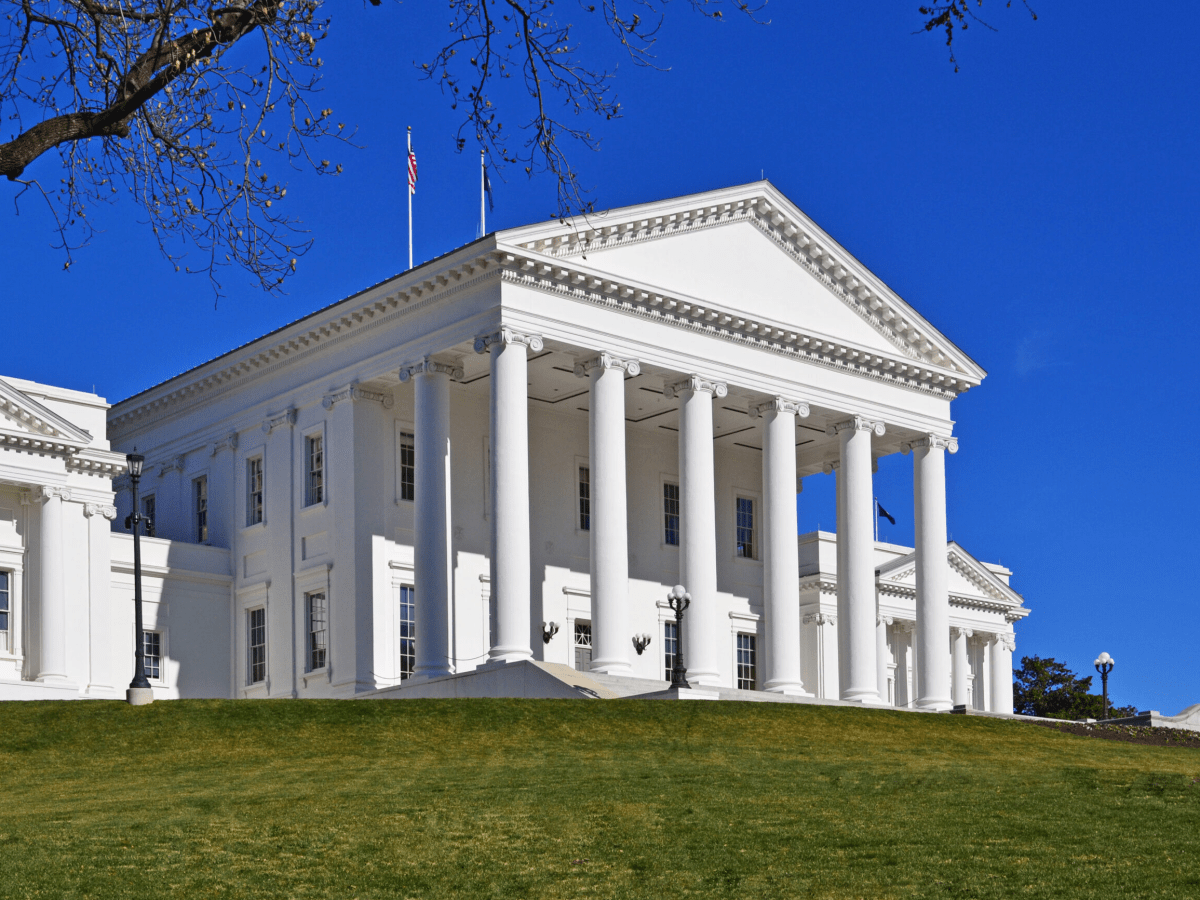
Why Virginia Governors Can Serve Only One Term
Virginia has a unique gubernatorial term-limit, allowing governors only one four-year term without immediate re-election. This constitutional rule aims to prevent consolidation of power and promote leadership turnover, resulting in open-seat elections and shifting political control. Understanding this structure is crucial for evaluating Virginia’s distinct political landscape.
States with 2026 Gubernatorial Elections
In 2026, gubernatorial elections will be held on November 3 across 36 states, featuring candidates from major parties and independents. Many races have open seats due to term limits while incumbents compete for re-election. Key battleground states include Arizona, Georgia, Michigan, Nevada, Pennsylvania, and Wisconsin, attracting significant attention.
Why State Elections Matter More Than Most Voters Realize
State elections play a critical role in Americans’ daily lives, influencing laws, education, taxation, and judicial outcomes more directly than federal elections. Governors hold significant power during crises, while state legislatures shape the judiciary. As states test policies, voter participation in state races is crucial for accountability and ensuring fair governance.
 Election Desk