The Big Picture (In One Minute)
U.S. elections are decentralized. There is no single national election authority. Instead:
- States run elections
- Local officials administer them
- Federal law sets guardrails
- Courts resolve disputes
- Congress plays a role only in federal certification
This structure is intentional—and it explains why election rules vary by state.


1. Federal vs. State vs. Local Elections
Federal Elections
Federal elections decide national offices:
- President & Vice President
- U.S. Senators
- U.S. Representatives
Key point: Even federal elections are run by states.
Federal oversight comes mainly through laws enforced by the Federal Election Commission (campaign finance, disclosures) and constitutional processes like Electoral College certification.
State Elections
State elections cover:
- Governor
- State legislature
- Attorney General
- Judges (in many states)
- Ballot initiatives and referenda
Each state sets:
- Voter registration rules
- Ballot access requirements
- Voting methods (mail, early, in-person)
- Certification procedures
Local Elections
Local elections vary widely and may include:
- Mayors
- County executives
- City councils
- School boards
- Sheriffs
- Prosecutors
Local officials often administer elections—even for federal races.
2. Primaries vs. General Elections
Primary Elections
Primaries decide who appears on the general election ballot.
Common types:
- Closed primaries – Only registered party members vote
- Open primaries – Any voter can choose a party’s ballot
- Top-two / jungle primaries – All candidates compete together
Primaries are typically run by states but reflect party rules, not just public law.
General Elections
The general election decides who actually holds office.
- Held in November
- Winners are determined by:
- Popular vote (most offices)
- Electoral College (president)
3. Ballots: How Votes Are Cast
Voters may use:
- Paper ballots
- Optical-scan ballots
- Ballot-marking devices
- Mail-in ballots
- Provisional ballots (if eligibility is unclear)
Ballots are designed and approved at the state or local level, which is why ballot layouts differ across the country.
4. Counting, Certification, and Results
Counting Votes
- Local election officials tabulate votes
- Mail and provisional ballots may be counted after Election Day
- Unofficial results are reported first
Delays ≠ fraud. Delays usually mean more verification.
Certification
Certification is the formal process of confirming results.
- Local officials certify local totals
- States certify statewide results
- For presidential elections:
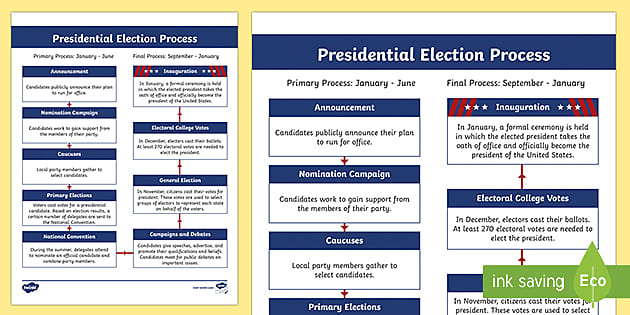
- States appoint electors
- Electoral votes are sent to Congress
- Congress certifies results under the Constitution
The Electoral College is not a separate election—it reflects state-certified outcomes.
5. Who Oversees Elections?
There is no national election police force.
Oversight includes:
- State election boards
- Secretaries of state
- Local election administrators
- Courts
- Legislative oversight committees
Federal agencies intervene only in limited areas such as civil rights enforcement or campaign finance.
6. Common Misunderstandings
“Federal elections are run by Washington.”
False. States run them.
“Results must be final on election night.”
False. Certification happens later.
“Different rules mean rigging.”
False. Different rules mean federalism.
“Courts can change votes.”
False. Courts rule on procedures, not outcomes.
Why This System Exists
The U.S. election system prioritizes:
- Decentralization
- Redundancy
- Local accountability
- Resistance to centralized control
It is messy—but deliberately so.
How Election Desk Uses This Guide
Every Election Desk article links back here to answer:
- Who runs this election?
- What rules apply?
- Where does authority actually sit?
This page is your anchor. Everything else builds from it.
 Election Desk
Leave a comment