
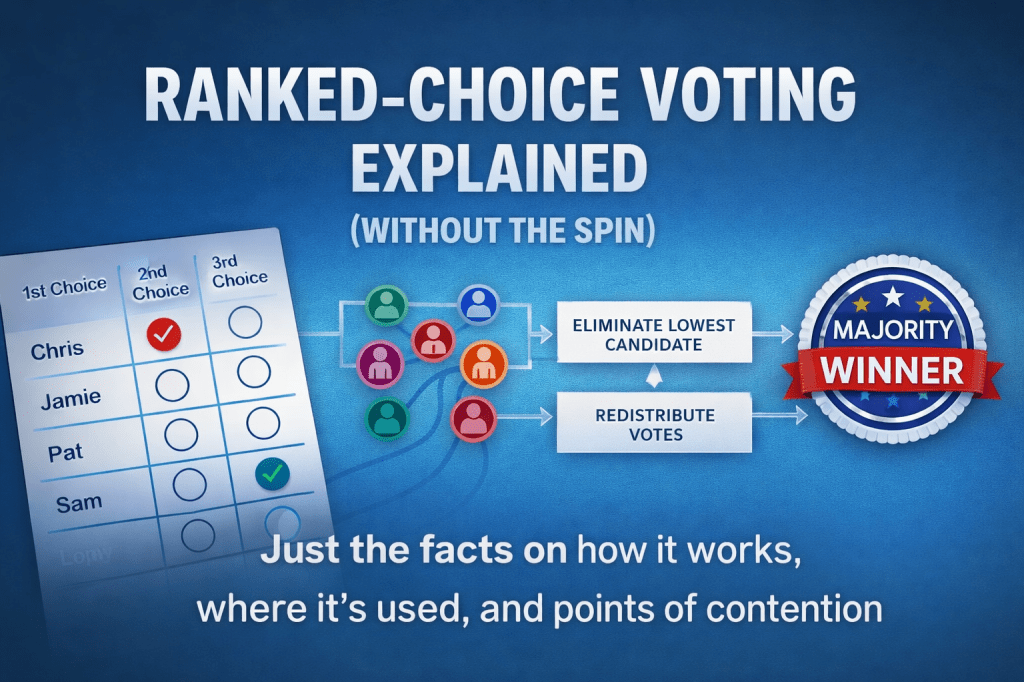
Ranked-choice voting (RCV) is often promoted as a reform that improves democracy—or criticized as an unnecessary complication. Stripped of rhetoric, it’s simply a different way to count votes. This explainer focuses on how it actually works, the main claims and criticisms, where it’s used, and what it means for recounts and certification.
How Ranked-Choice Voting Works
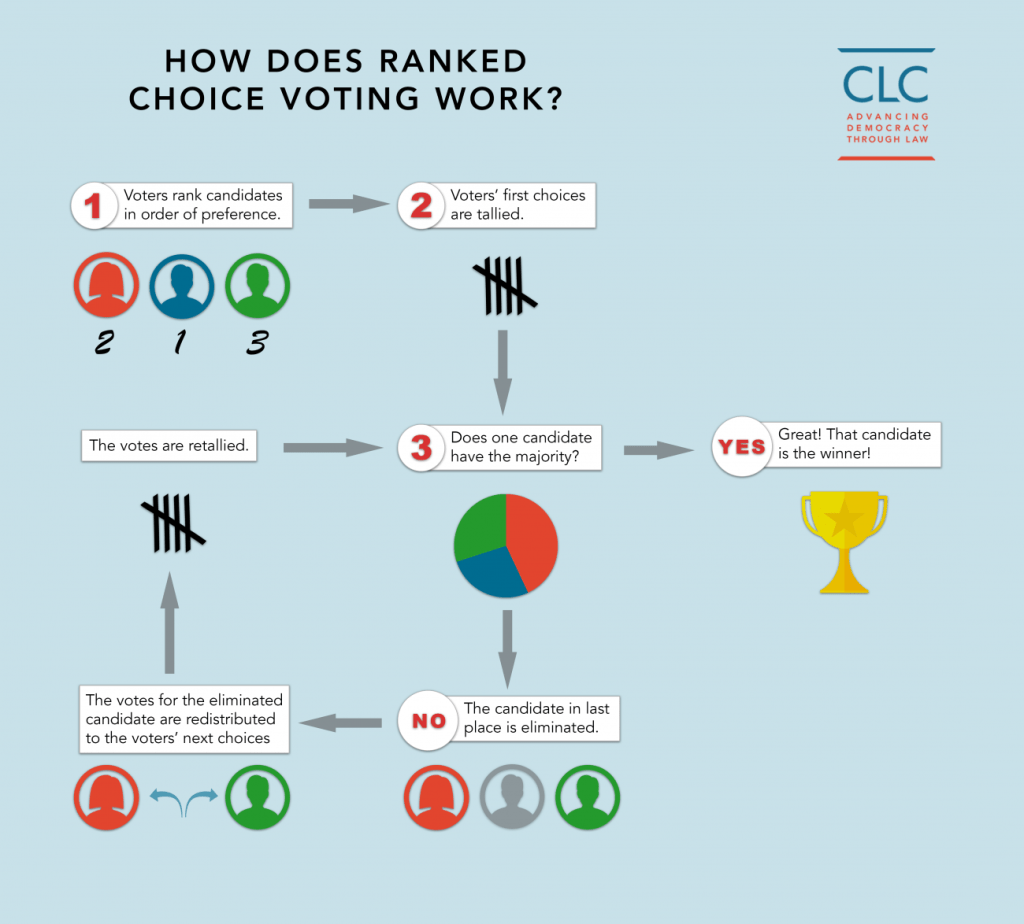
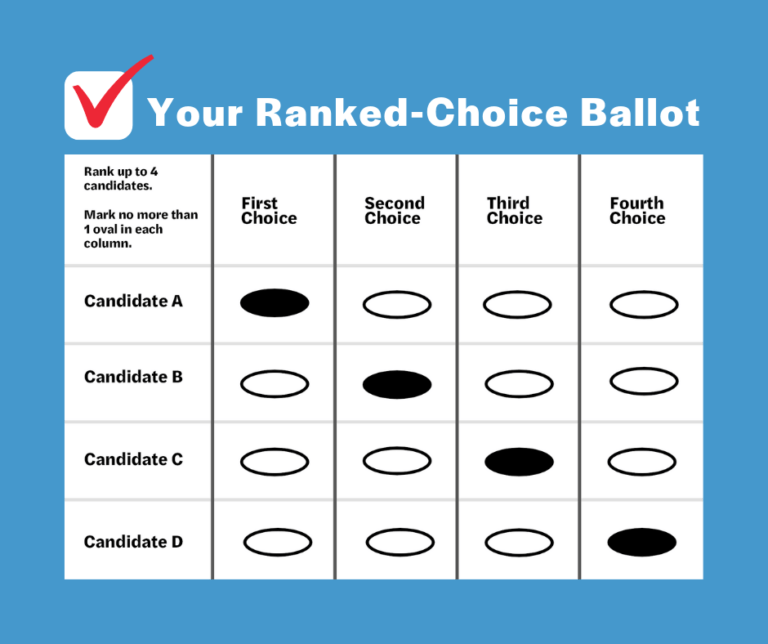
Under ranked-choice voting, voters rank candidates in order of preference—first choice, second choice, third choice, and so on. You can rank as many or as few candidates as allowed.
The counting process typically follows these steps:
- First-choice tally
All ballots are counted based on voters’ first-choice selections. - Majority check
If a candidate receives more than 50% of the active votes, they win outright. - Elimination rounds
If no one has a majority, the candidate with the fewest votes is eliminated. - Vote redistribution
Ballots that listed the eliminated candidate as first choice are reassigned to the next-ranked candidate on those ballots. - Repeat until a winner emerges
The process continues until one candidate has a majority of the remaining active votes.
Key mechanics to understand
- Exhausted ballots: If a voter ranks candidates who are all eliminated and does not list additional preferences, their ballot stops counting in later rounds.
- Majority of active votes: The final winner may receive a majority of remaining ballots, not necessarily a majority of all ballots originally cast.
- Single-winner focus: RCV is most commonly used for offices where only one candidate wins (mayor, governor, congressional seat).
Claims & Criticisms
Common claims by supporters
- Reduces “spoiler” effects: Voters can support a minor or independent candidate without automatically helping their least-preferred major candidate.
- Encourages broader appeal: Candidates may try to win second- and third-choice rankings, potentially reducing negative campaigning.
- Eliminates separate runoffs: RCV can replace costly and low-turnout runoff elections.
Common criticisms
- More complex ballots: Some voters find ranking confusing, especially first-time users.
- Ballot exhaustion: Voters who rank only one candidate may effectively drop out of later rounds.
- Delayed results: Counting can take longer, especially in close races or large jurisdictions.
- Transparency concerns: Multi-round tabulation can be harder for the public to follow than a single-count plurality election.
Importantly, many of these issues depend on implementation—ballot design, voter education, and counting rules—not just the concept of RCV itself.
Where Ranked-Choice Voting Is Used
In the United States, RCV is used at different levels and for different offices:
- Maine – Statewide for federal elections (U.S. House and Senate) and certain state offices.
- Alaska – Used in general elections following a top-four primary system.
- Local governments – Cities such as San Francisco, New York City, Minneapolis, and others use RCV for mayoral or municipal races.
- Party primaries and internal elections – Some political parties and organizations use RCV for nominations or leadership votes.
Internationally, ranked-choice-style systems (often called instant-runoff voting) are used in countries such as Australia for national elections.
RCV is not universal, and its rules can vary significantly by jurisdiction.
Recounts and Certification Notes
Ranked-choice voting introduces additional considerations during recounts and certification:
- Recounts can be more involved: Officials may need to re-run multiple rounds of tabulation, not just re-count first-choice votes.
- Software reliance: Most jurisdictions use certified election software to conduct RCV tabulations, which can raise audit and transparency questions.
- Audit trails still exist: Ballots are physical (or verifiable digital records), and each round can be reviewed or re-tabulated if required.
- Certification timelines may be longer: Especially in close races, officials often wait for all ballots (including mail ballots) before completing the full RCV process.
Importantly, RCV does not change who is eligible to vote or how ballots are cast—only how preferences are counted after voting ends.
Bottom Line
Ranked-choice voting is neither a cure-all nor a conspiracy. It is a vote-counting method with tradeoffs:
- It can reduce vote-splitting and eliminate separate runoff elections.
- It can also introduce complexity, longer counting periods, and voter education challenges.
Whether RCV is an improvement depends less on slogans and more on how clearly it’s explained, how well it’s administered, and what problem a jurisdiction is trying to solve.
Keep Election Desk Explainings Free
Election Desk exists to explain how elections actually work — from voting rules and ballot procedures to certification, recounts, and court challenges — without spin or partisan framing.
If this explainer helped you understand the process or cleared up confusion, reader support makes it possible to keep producing clear, accessible election reporting.
 Election Desk
Leave a comment