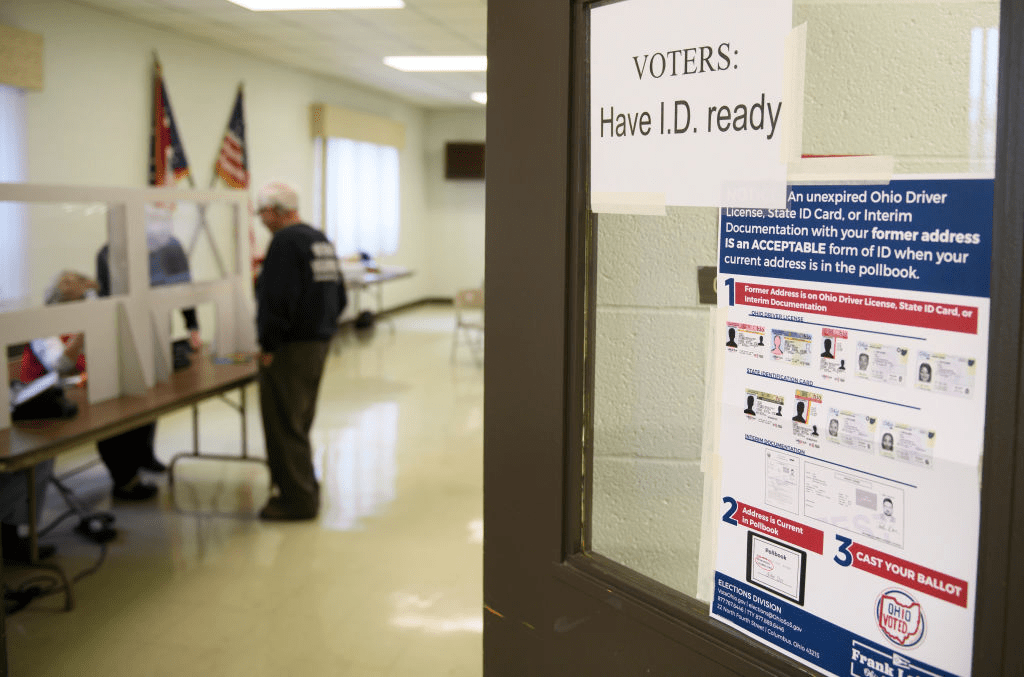
Voter identification laws are among the most debated election policies in the United States. While nearly every state has some form of voter ID requirement, what counts as ID, how strictly it’s enforced, and what happens if a voter doesn’t have it can differ dramatically from one jurisdiction to another.
This guide explains how voter ID laws work, why they vary, and what voters should know heading into any election cycle.
Why Voter ID Laws Differ by State
The U.S. Constitution leaves the administration of elections largely to the states. That means legislatures, courts, and election officials at the state level determine:
- Whether ID is required at the polls
- What types of ID are acceptable
- How voters without ID can still cast a ballot
Political culture, court rulings, demographic considerations, and historical concerns about access and fraud all shape these policies. As a result, there is no single national standard for voter identification.
Strict vs. Non-Strict Voter ID Laws
States generally fall into two broad categories.
Strict Voter ID Laws
In strict-ID states, voters who arrive at the polls without the required identification must take additional steps for their vote to count.
Typically, this means:
- Casting a provisional ballot
- Later returning with valid ID or verifying identity within a set deadline
If the voter does not complete that follow-up, the ballot is not counted.
Non-Strict Voter ID Laws
Non-strict states still request identification, but they offer alternative verification methods if a voter lacks ID, such as:
- Signing an affidavit affirming identity
- Having election officials verify a signature on file
- Using other registration-based confirmation methods
In these states, voters are less likely to face post-election hurdles.
Acceptable Forms of Voter Identification
What qualifies as valid ID also varies widely. Commonly accepted forms include:
- State-issued driver’s licenses
- State ID cards
- U.S. passports
- Military IDs
- Tribal identification cards
Some states also allow:
- Student IDs (from approved institutions)
- Government employee IDs
- IDs expired within a specific timeframe
Other states restrict acceptable IDs to government-issued photo identification only, excluding student or local IDs.
Provisional Ballots and “Fail-Safe” Options
Federal law requires states to provide a provisional ballot when a voter’s eligibility is in question. Voter ID laws often rely on this mechanism.
A typical provisional process includes:
- The voter casts a provisional ballot at the polling place
- Election officials set the ballot aside
- The voter must verify identity by a deadline (often within days of the election)
- The ballot is counted only if verification is completed
Deadlines, documentation requirements, and verification locations differ by state, making voter education critical.
Court Challenges and Ongoing Legal Debates
Voter ID laws have been repeatedly challenged in state and federal courts. Key legal questions often include:
- Whether a law disproportionately burdens certain voters
- Whether free or accessible IDs are sufficiently available
- Whether alternative voting methods mitigate potential barriers
Some courts have upheld voter ID requirements as legitimate anti-fraud measures, while others have blocked or modified laws after finding they impose unconstitutional burdens.
Because of ongoing litigation and periodic legislative changes, voter ID rules can evolve over time—even between election cycles.
The Bottom Line
Voter ID laws reflect a balance each state strikes between election security and voter access. Understanding the specific rules in your state—including acceptable IDs and backup options—can prevent surprises on Election Day.
As debates continue and court rulings shape future policies, voter ID laws remain a defining feature of America’s decentralized election system.
 Election Desk
Leave a comment