By Election Desk
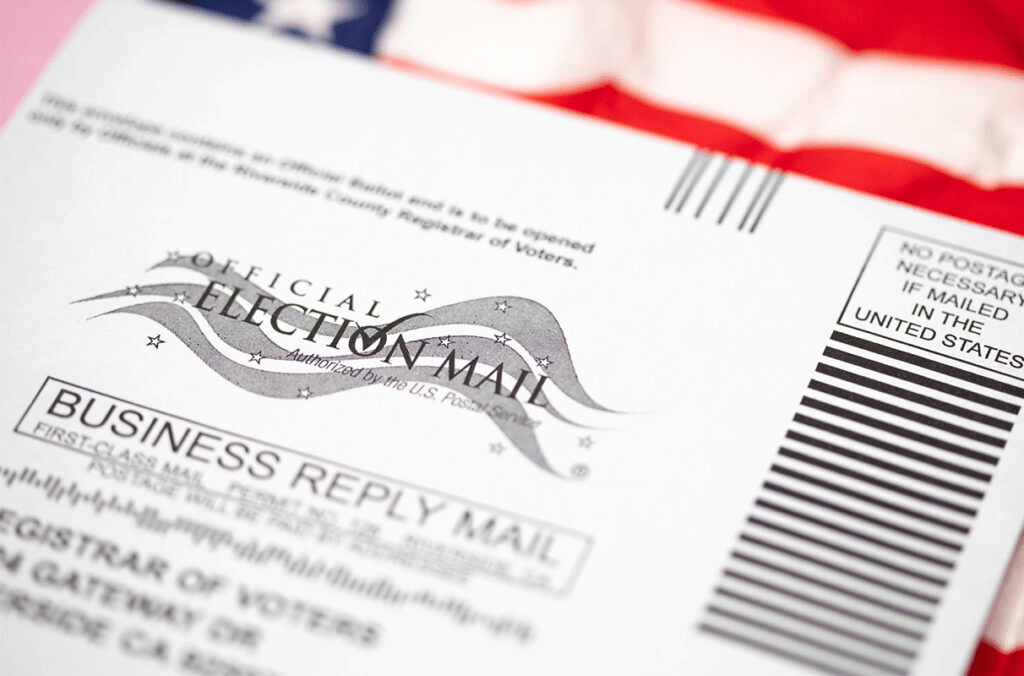
On January 14, 2026, the U.S. Supreme Court delivered a significant ruling impacting how election law disputes can be brought to federal court. In a 7–2 decision, the Court held that candidates have the constitutional right to challenge state election rules in court — even before proving any specific effect on an election’s outcome. The case, Bost v. Illinois State Board of Elections, arose from an Illinois statute allowing mail-in ballots postmarked by Election Day to be counted up to two weeks after Election Day.
What the Supreme Court Decided
The Court’s majority, led by Chief Justice John Roberts, focused narrowly on legal standing — the requirement under Article III of the Constitution that plaintiffs have a concrete stake in a dispute before federal courts may hear it. Roberts wrote that candidates inherently have a “concrete and particularized interest” in the rules that govern the counting of votes in their elections. Because those rules can shape how votes are tallied and therefore affect the electoral process itself, candidates like Congressman Mike Bost can sue to challenge them.
Importantly, the Supreme Court did not rule on the underlying legality of Illinois’ ballot-counting practice. That substantive question — whether counting ballots received after Election Day but postmarked by that day violates federal or constitutional provisions — remains for later proceedings in the lower courts.
The Lawsuit’s Background
Bost, a Republican representative from Illinois, filed his lawsuit in May 2022, joined by two other Republican candidates including presidential elector nominees. They argued that Illinois’ late-ballot policy conflicted with federal statutes that set a uniform Election Day for federal offices and that the practice unfairly extends the period in which votes may be counted. Lower courts had dismissed the case on the grounds that Bost lacked standing, finding that his claimed harms were too speculative to give him a personal stake in the outcome.
The Supreme Court ruling reversed that position, holding that a candidate need not show that a particular election rule changed an election’s result in order to bring a challenge. Instead, simply being a candidate subject to the rule is sufficient.
Implications for Election Law
Legal experts predict this decision could broaden the number and timing of election-related lawsuits. By lowering the bar for who can bring challenges, more candidates might sue over procedural rules well before Election Day rather than waiting for contested results after elections conclude. Observers say this could encourage early judicial clarification of disputed election practices and discourage last-minute changes by courts shortly before or during election litigation.
However, critics — including the dissenting justices — warned that expanding standing for candidates could invite a surge of politically motivated litigation. Justices Ketanji Brown Jackson and Sonia Sotomayor dissented, arguing that Bost had not shown the concrete injury normally required for standing and that setting a special rule for candidates would unsettle election law doctrine.
What Comes Next
The Supreme Court’s ruling sends the case back to the lower courts for further proceedings on the merits of Bost’s challenge to Illinois’ mail-in ballot law. That process could take years and might ultimately return to the Supreme Court if substantive constitutional questions remain unresolved. Meanwhile, the decision itself, separate from the case’s merits, stands as a new precedent on candidate standing in election litigation.
With more states permitting ballots to be counted after Election Day if postmarked by that day, the broader implications of this decision could reverberate nationwide — especially as debates continue over voting access, election integrity, and federal versus state authority in setting election rules.
 Election Desk
Leave a comment