Category: Election Law & Process
-
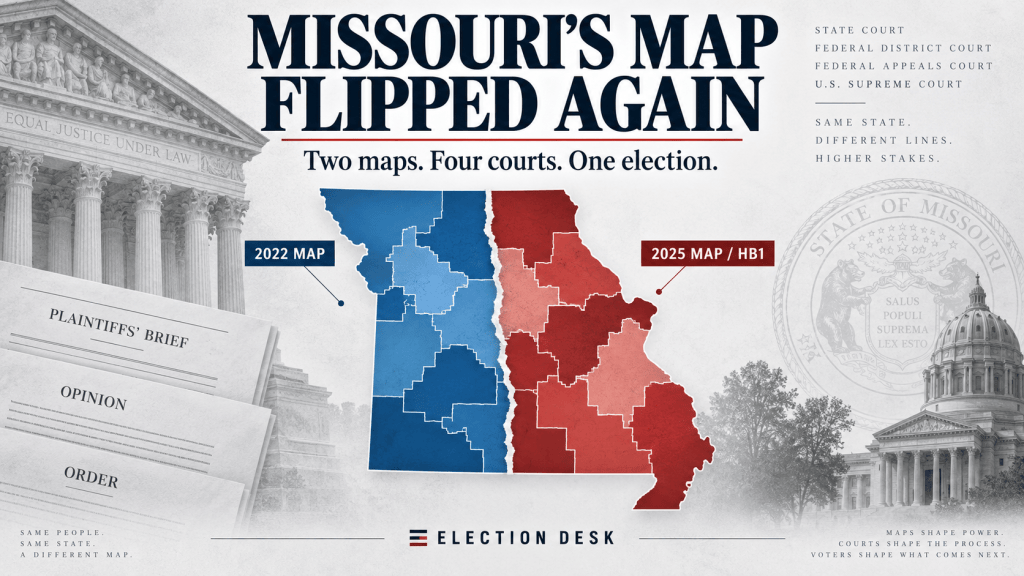
Missouri’s Congressional Map Just Flipped Again — Here’s Why
A federal appeals court has mandated Missouri to adopt a Republican-drawn congressional map for the upcoming November election but paused the order for a week, maintaining the current map for now. This legal battle reflects ongoing tensions over gerrymandering in Missouri, impacting voter representation and election integrity.
-
Who Teaches Election Law — and Does It Shape What Happens in Court?
A recent Public Interest Legal Foundation report reveals a significant ideological imbalance among election law faculty at U.S. law schools, with 76 left-leaning professors for every 12 conservative ones. This disparity may influence the pipeline of election litigators and shape court outcomes, raising concerns about legal representation in election matters.
-
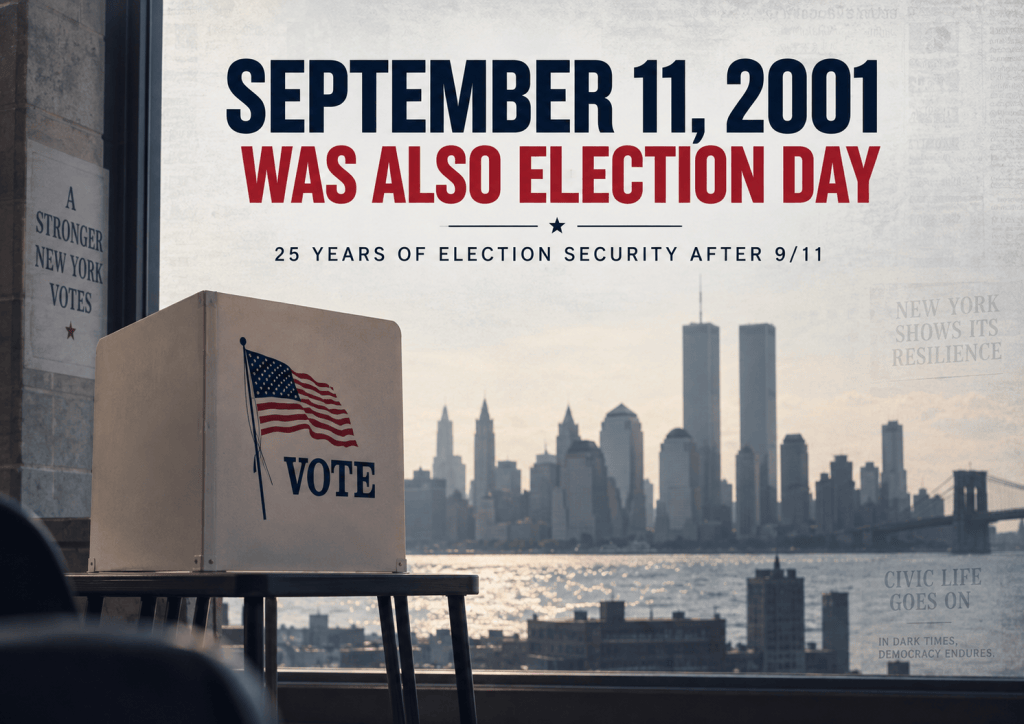
The Building Nobody Voted For: How 9/11 Became the Architect of American Election Security
Twenty-five years after September 11, 2001, reflections mainly address war and security, overshadowing its role as election day in New York City. The day’s events reshaped election security laws, linking them to national security. Subsequent legislation and the formation of DHS aimed to enhance election security, now facing challenges amidst political strife.
-
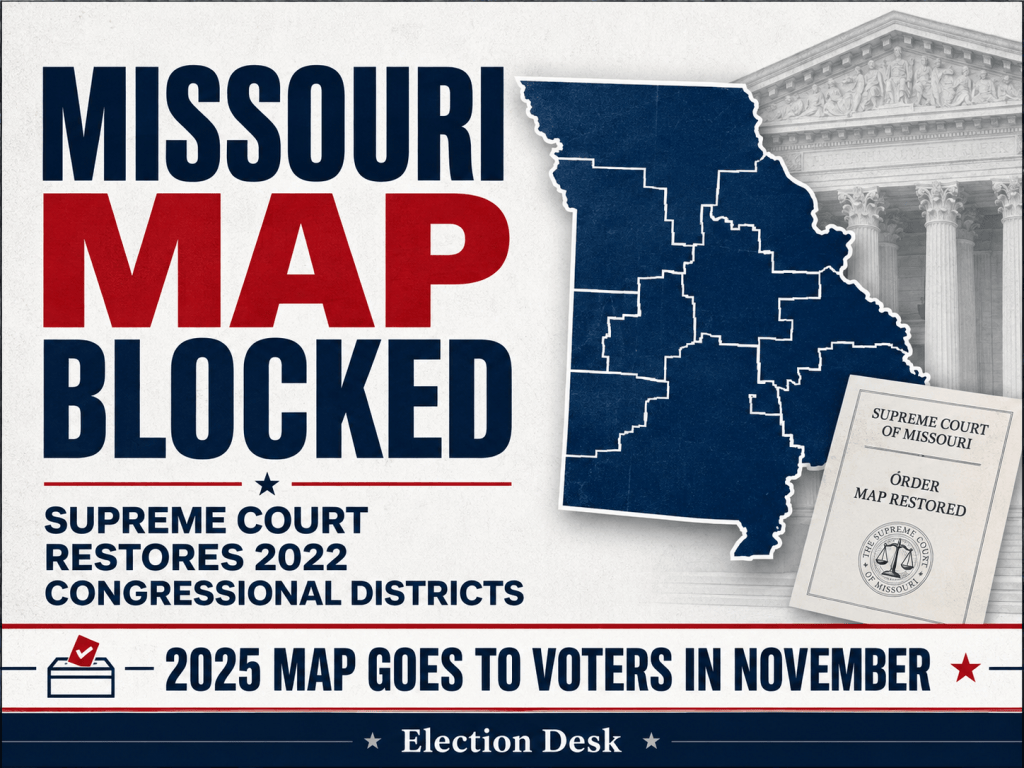
Missouri Supreme Court Orders 2022 Congressional Lines Restored, Sends Redistricting Map to November Ballot
The Missouri Supreme Court unanimously ruled on September 3 that the state’s congressional redistricting plan from 2025 cannot be used in the upcoming general election, reinstating the 2022 district lines while a voter referendum proceeds. The decision emphasizes constitutional provisions allowing a referendum on redistricting and addresses Secretary of State Denny Hoskins’s delayed actions.
-
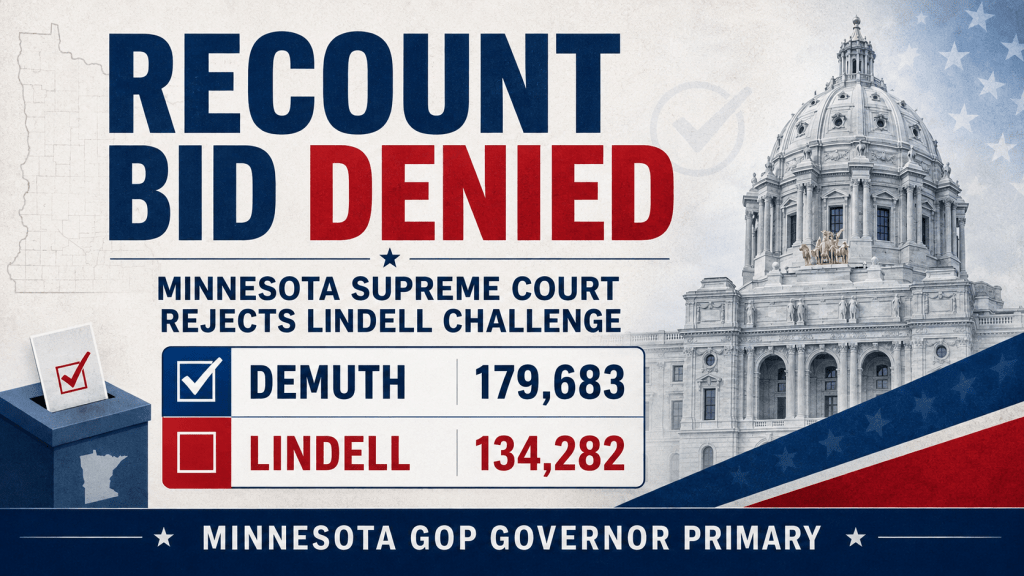
Minnesota Supreme Court Denies Lindell’s Bid for Expanded Recount in GOP Governor Primary
The Minnesota Supreme Court denied Mike Lindell’s petition for a recount in the Republican primary for governor, affirming the recount plan’s compliance with state law. Lindell, who finished second, claimed vote anomalies but did not formally request a recount by the deadline. Demuth’s victory is upheld as Minnesota prepares for the general election.
-
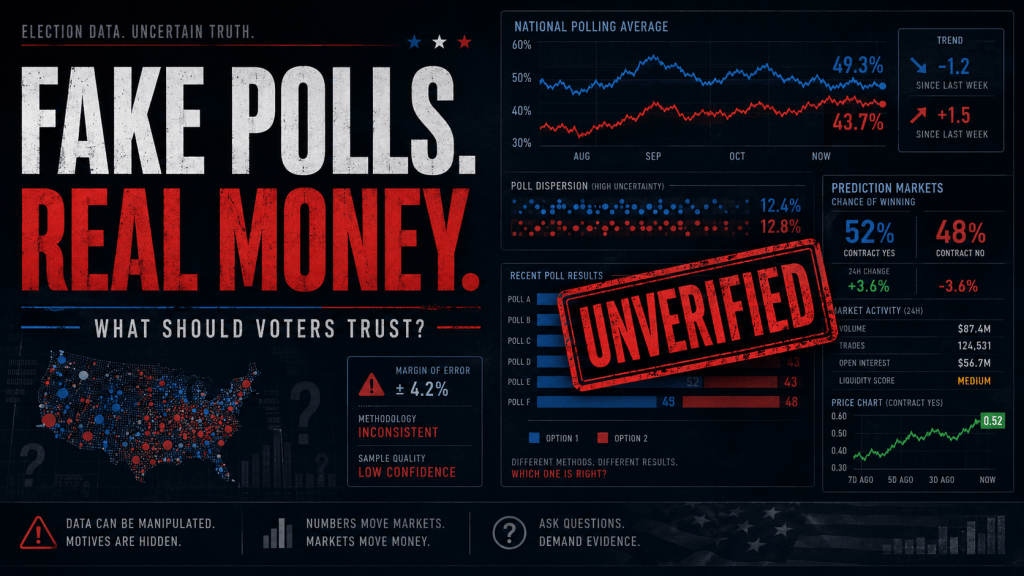
Fake Polls, Volatile Markets: What Voters Should — and Shouldn’t — Trust Ahead of November
The credibility of polling and prediction markets ahead of the 2026 midterms is under scrutiny following incidents of fabricated polls and undisclosed funding. Median Strategies and The Public Sentiment Institute faced criticism for their practices. Despite these issues, polling and markets continue to play a significant role in shaping election forecasts.
-
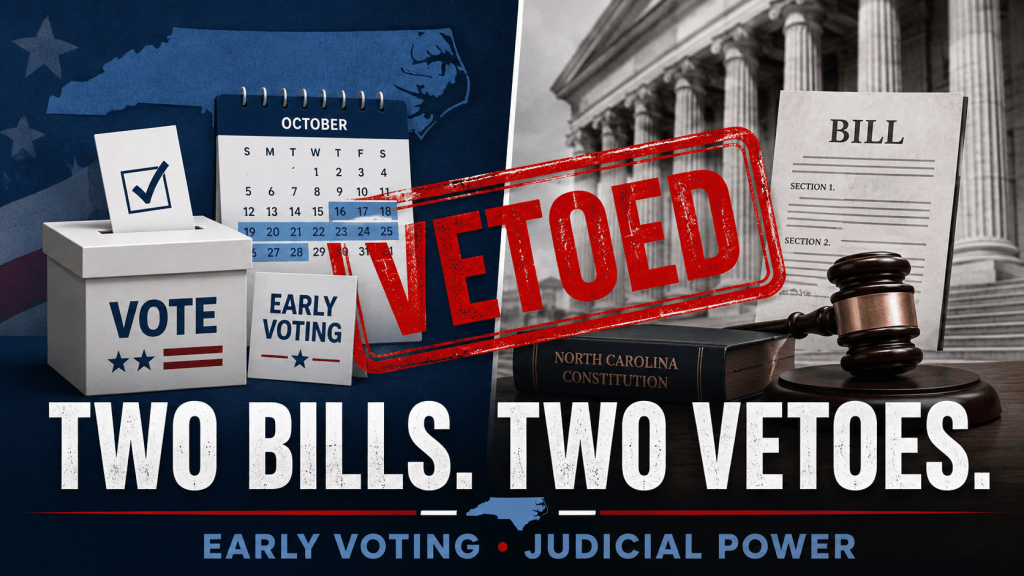
Stein Vetoes Bills Cutting Primary Early Voting, Expanding Chief Justice’s Power Over Judges
North Carolina Governor Josh Stein vetoed two bills aimed at altering election procedures and the authority of the Supreme Court’s chief justice. House Bill 958 seeks to shorten early voting and allow ballot challenges, while House Bill 377 grants chief justice suspension powers over judges. Both vetoed bills will return to a legislature unlikely to…
-
The 2028 Field Is Forming Without a Frontrunner — Here’s How the Process Actually Works
As the 2028 presidential election approaches, no major candidates have officially launched campaigns, marking the first time since 1884 that consecutive elections will occur without an incumbent. Current discussions revolve around candidate speculation and polling, with actual campaign activity expected to ramp up after the 2026 midterms.
-
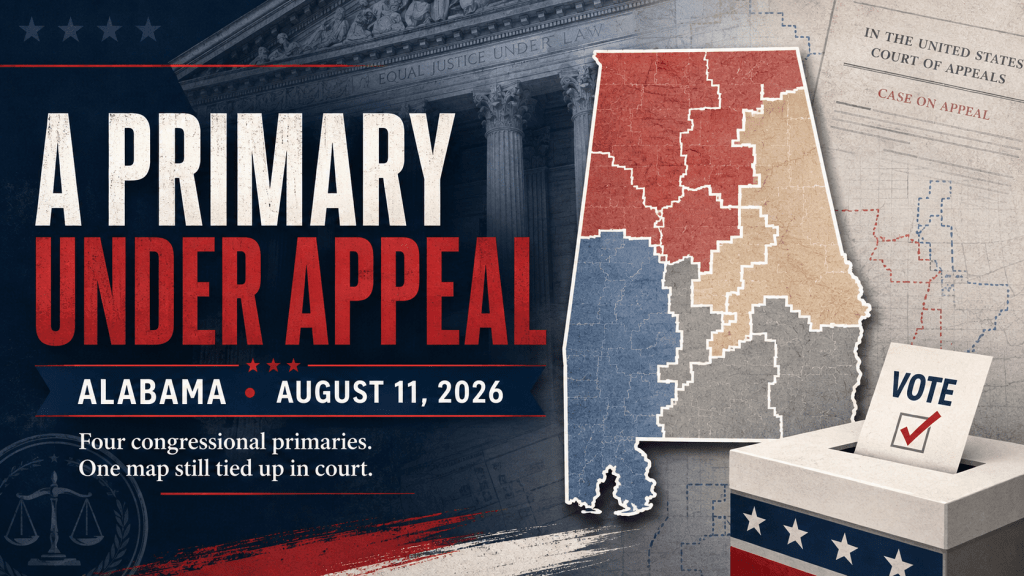
Alabama Holds Congressional Primaries Under a Map Still Tied Up in Court
Alabama voters participated in special primaries for four congressional districts amid ongoing federal litigation over the state’s congressional map. Turnout was historically low due to confusion from rapid election timelines. The 2023 map, criticized for racial discrimination, alters Democratic representation, while the legal outcome will ultimately determine election validity.
-

Federal Judge Expands Nationwide Block on Trump Mail-Ballot Order as Supreme Court Weighs Two Requests to Lift It
A federal judge in Boston, Indira Talwani, has broadened a previous injunction against a Trump executive order restricting mail-in ballots to apply nationwide, citing urgent election concerns. This ruling comes amid ongoing Supreme Court deliberations regarding the order. It blocks the USPS from enforcing specific sections of the order before the November elections.

