
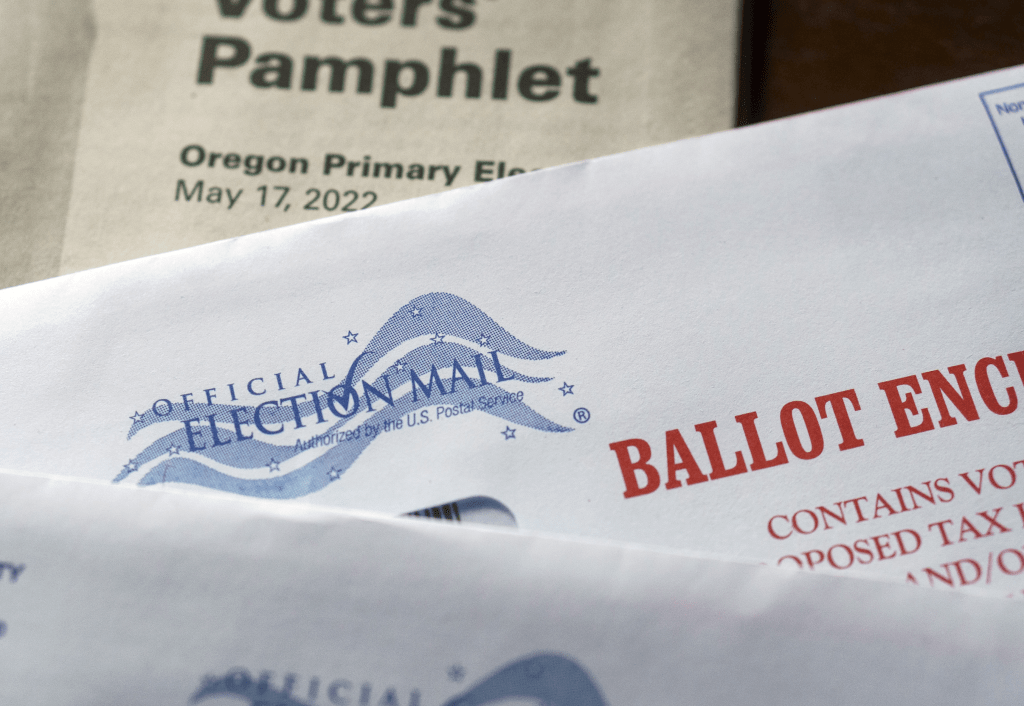
Salem, Ore. — A proposal under consideration in the Oregon Legislature could significantly change how the state conducts primary elections, allowing all registered voters—regardless of party affiliation—to participate in candidate selection.
Currently, Oregon operates a closed primary system, meaning only voters registered with a political party can vote in that party’s primary. With roughly one-third of Oregon voters registered as nonaffiliated, supporters of the new proposal argue that the existing system excludes a large segment of the electorate from meaningful participation in primary elections, which often determine the eventual officeholder.
What the Proposal Would Do
The measure would create an open primary structure for certain elections, enabling nonaffiliated voters—and potentially voters from other parties—to take part in primary contests. Under versions discussed by lawmakers, all candidates could appear on the same primary ballot, with top vote-getters advancing to the general election.
Supporters say the change would:
- Expand voter participation
- Increase competition
- Reduce the influence of partisan extremes
- Better reflect Oregon’s growing number of independent voters
Arguments From Supporters
Advocates of the proposal contend that closed primaries are outdated in a state where nonaffiliated voters represent one of the fastest-growing registration groups. They argue that primary elections are often the most consequential contests—especially in heavily Democratic or Republican districts—and excluding independents effectively sidelines their voices.
Some backers also say an open system could encourage candidates to appeal to a broader cross-section of voters rather than focusing narrowly on party bases.
Concerns Raised by Opponents
Opponents, including some party leaders, warn that opening primaries could weaken political parties’ ability to select candidates who represent their values and platforms. They argue that parties are private associations and should retain control over their nomination processes.
Critics also raise concerns about voter confusion, administrative complexity, and unintended consequences—such as strategic voting by members of opposing parties.
Where the Proposal Stands
The measure is still in the early stages of legislative consideration in Oregon and would require approval by lawmakers before potentially going to voters or being enacted through statute. Hearings and amendments are expected as lawmakers debate how broad the change should be and which races would be affected.
If adopted, the proposal would mark one of the most significant changes to Oregon’s election system in decades, reshaping how candidates advance from the primary to the general election.
Election Desk Takeaway
Oregon’s open primary proposal reflects a broader national debate over voter access, party power, and how best to represent an increasingly independent electorate. The outcome could influence not only state politics but also how other states approach primary reform in the years ahead.
 Election Desk
Leave a comment