Category: Location
-
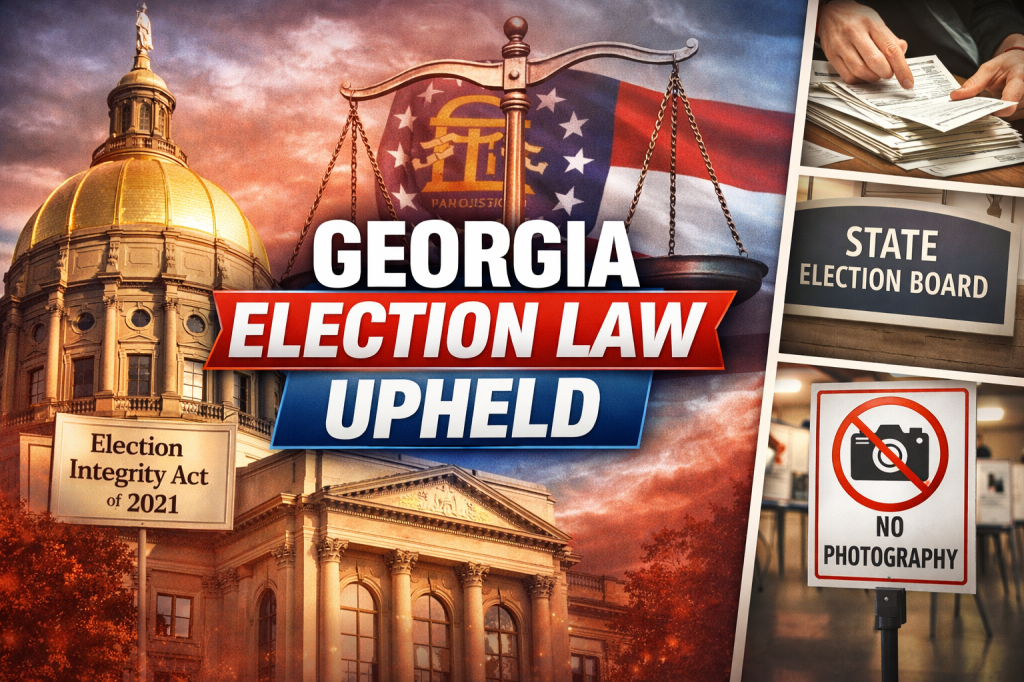
Federal Appeals Court Upholds Key Provisions of Georgia’s Election Law
A federal appeals court upheld key components of Georgia’s 2021 election law, including state authority over local election administration and a ban on ballot photography at polling places. The unanimous ruling found plaintiffs lacked legal standing, preserving the provisions amid ongoing legal challenges and debates over election integrity and voter access.
-
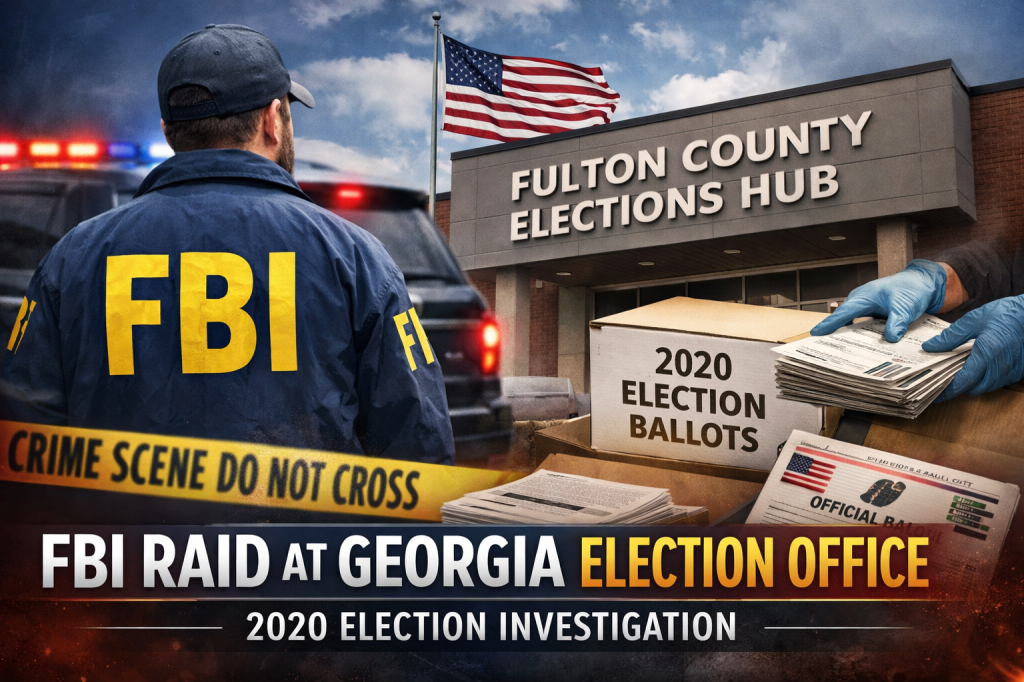
FBI Executes Search Warrant at Georgia Election Office in 2020 Election Probe
On January 28, 2026, FBI agents executed a search warrant at Fulton County’s Election Hub in Georgia as part of a federal investigation into the 2020 presidential election and allegations of fraud. The seizure of ballots and election materials has reignited debates on election integrity and federal authority, impacting future electoral processes.
-
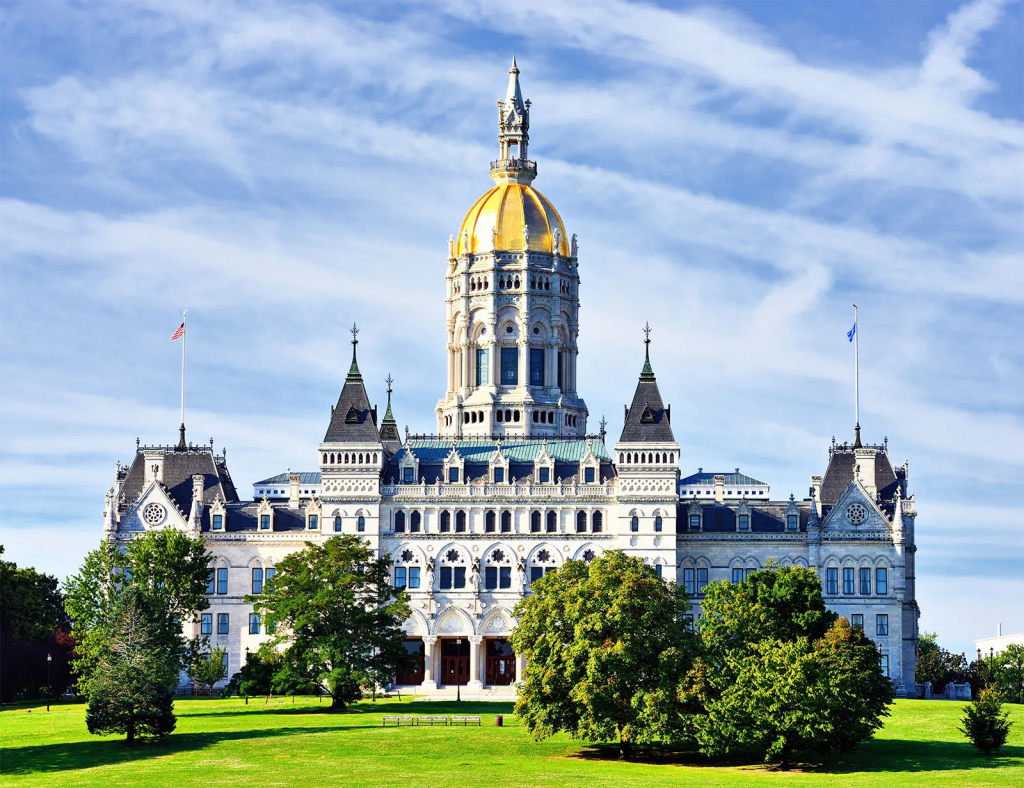
Connecticut Governor’s Race 2026: Who’s Running, What’s at Stake, and How the Field Is Shaping Up
The 2026 Connecticut gubernatorial election, set for November 3, features incumbent Democratic Governor Ned Lamont seeking a third term against a progressive challenger, Josh Elliott. Meanwhile, Republicans face a fragmented primary with candidates like Ryan Fazio and Erin Stewart. Lamont is the favorite, but GOP dynamics may influence the general election.
-
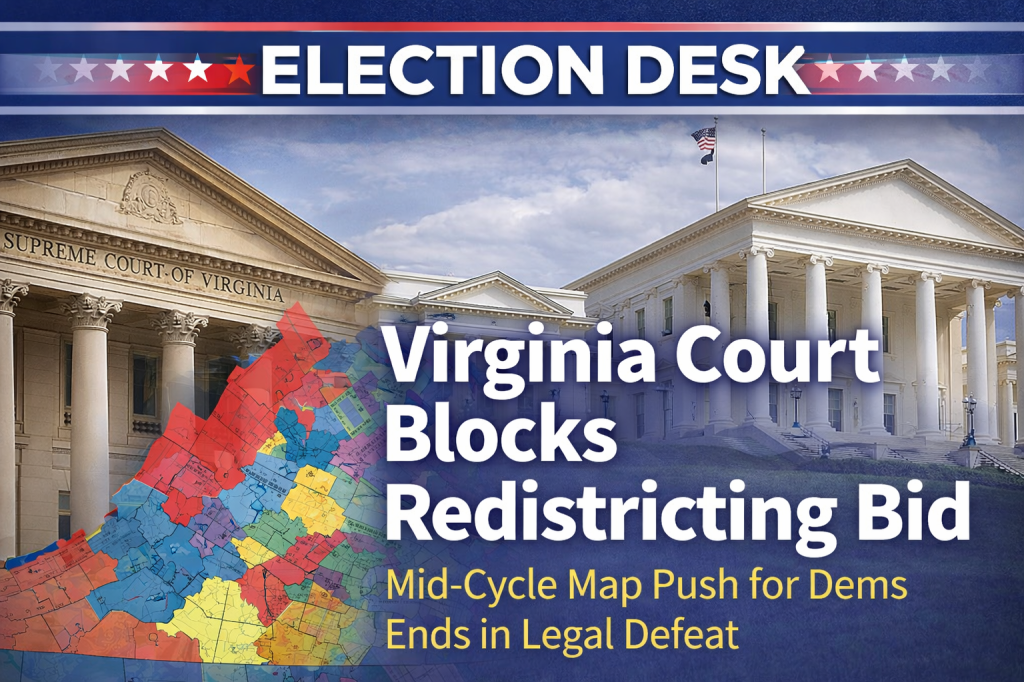
Virginia Court Stops Mid-Cycle Redistricting Push
A Virginia court has blocked a Democratic proposal for a mid-decade redistricting amendment intended for the 2026 elections, citing noncompliance with state constitutional procedures. Judge Jack Hurley Jr. found that the amendment failed to meet required notice and timing obligations. Democrats plan to appeal, but current congressional maps will remain unchanged for 2026.
-
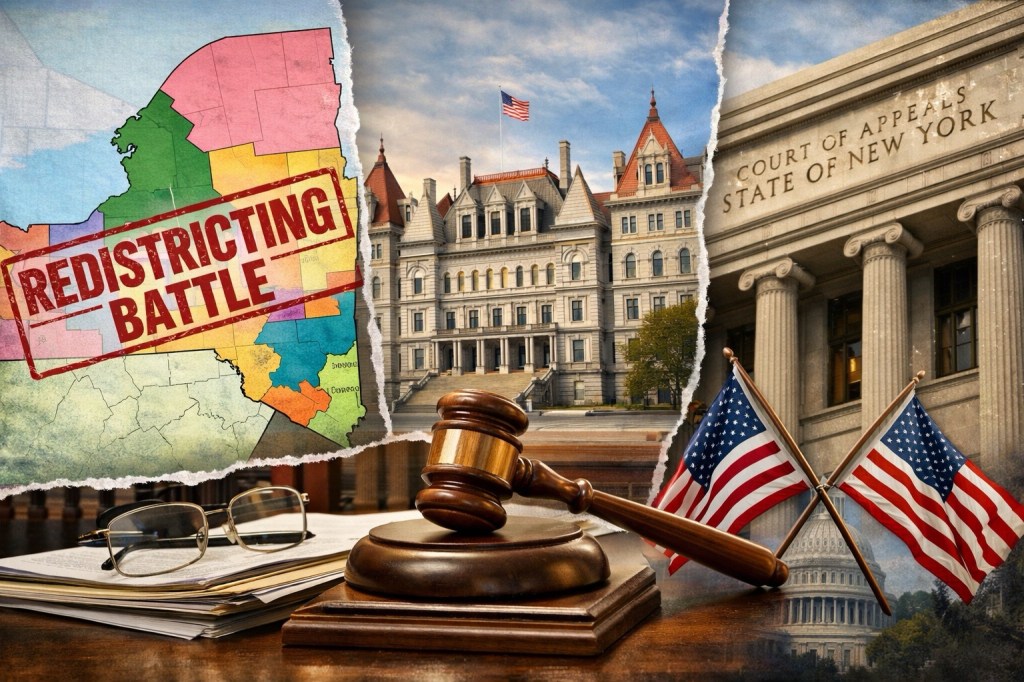
New York’s Redistricting Fight Escalates After Court Ruling
A court ruling has pushed New York back toward redistricting chaos, exposing the flaws in a system sold as “independent” but engineered to collapse. Once again, judges—not voters—may decide the map, raising serious questions about accountability, legitimacy, and democratic trust.
-
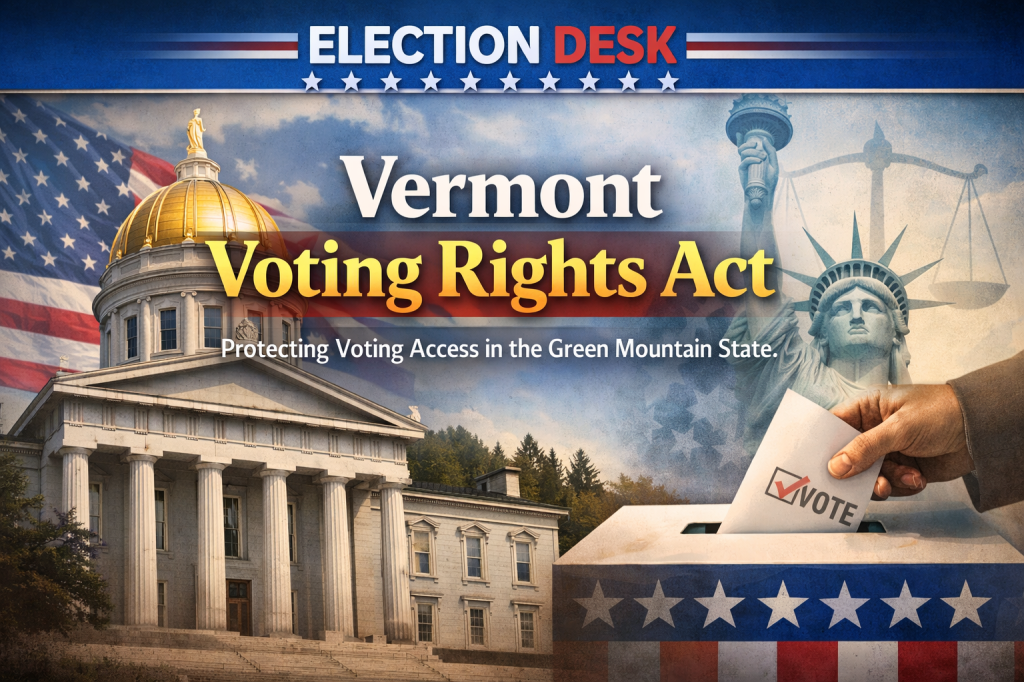
Vermont Lawmakers Move to Codify Voting Rights in State Law Amid National Uncertainty
Democratic lawmakers in Vermont proposed the Vermont Voting Rights Act to embed federal voting protections into state law amidst national concerns about voting rights. The bill aims to expand access for historically underrepresented groups, enhance voter protections, and counteract potential federal rollbacks. It is set for legislative consideration soon.
-
Ohio Lawmakers Propose Making Election Day a State Holiday
Ohio lawmakers have introduced a bill to designate Election Day as a state holiday to enhance voter access. Proponents argue it would alleviate work-related barriers, especially for low-income workers, while opponents cite concerns over costs and effectiveness. The proposal is set for committee review, highlighting ongoing discussions on voter participation.
-
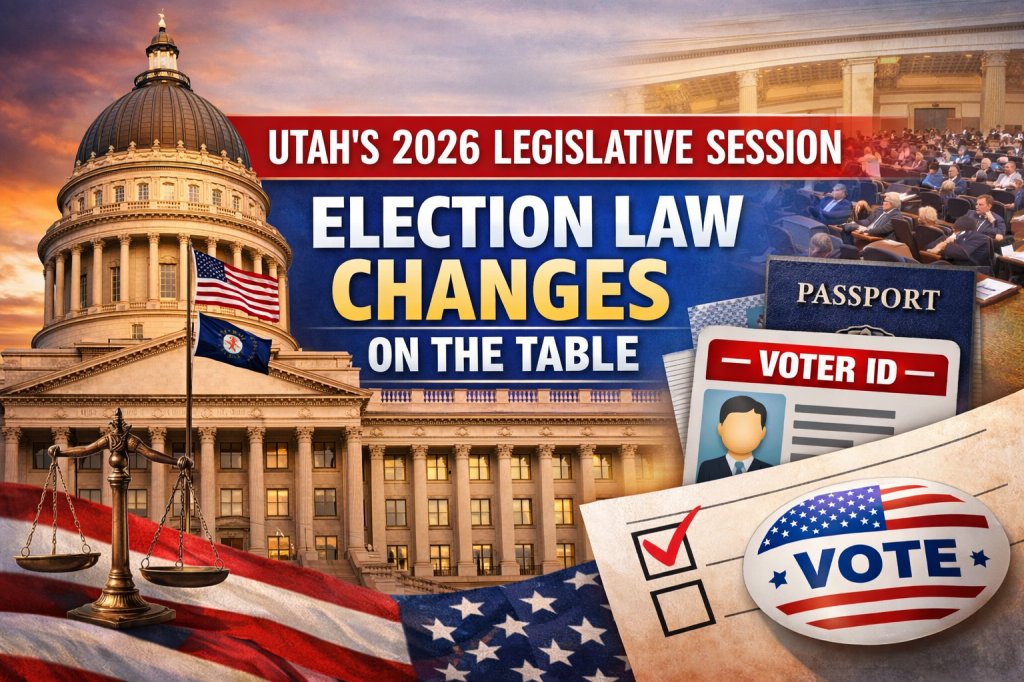
Utah’s 2026 Legislative Session Begins With Election Law Changes on the Table
Utah’s 2026 legislative session is focusing on election law reforms, highlighted by House Bill 209, which seeks to establish a proof of U.S. citizenship requirement for voting. These changes, alongside previous reforms to mail-in voting, have ignited debates over election administration and voter accessibility, with significant implications for the upcoming elections.
-
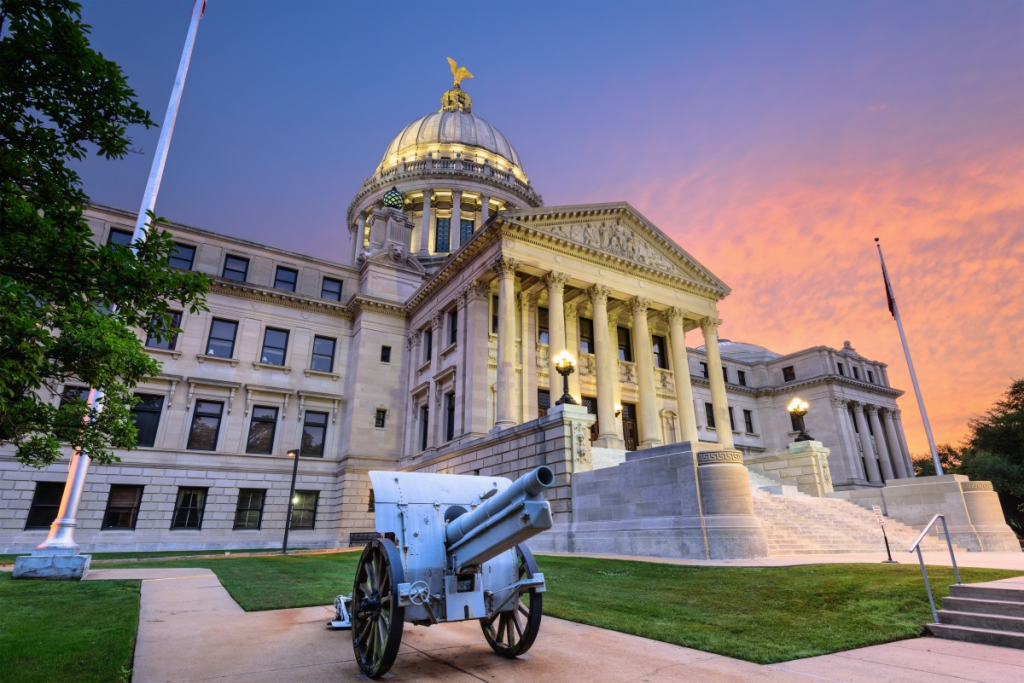
Mississippi Lawmakers Propose State-Level Voting Rights Act
Democratic lawmakers in Mississippi have proposed a state-level Voting Rights Act to expand voter protections, aiming to restore oversight weakened by Supreme Court rulings. It seeks to prevent discriminatory practices and enhance transparency in elections. While supporters advocate for necessary safeguards, Republican leaders express skepticism, emphasizing compliance with existing federal laws.
-
Supreme Court Opens Door for Bost Election Integrity Lawsuit, Shaping Future Election Law Challenges
On January 14, 2026, the U.S. Supreme Court ruled in Bost v. Illinois State Board of Elections that candidates can challenge state election rules in federal court without proving direct impact on election outcomes. The decision broadens candidate standing in election law disputes, potentially increasing pre-election litigation while leaving the legality of Illinois’ mail-in ballot…
 Election Desk