- How elections work
- Voting rules
- Certification
- Recounts
- Ballot initiatives
- Timelines
- “What happens if…” scenarios
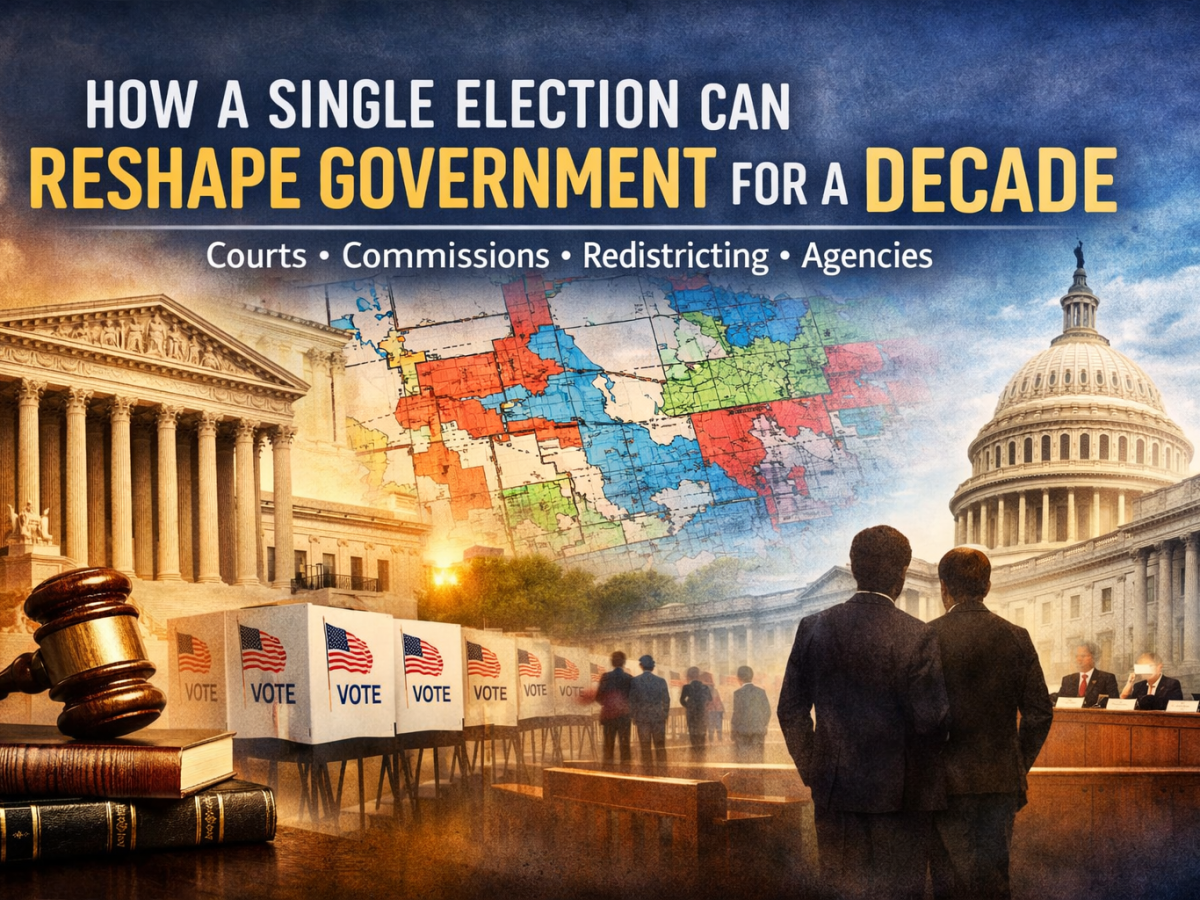
How a Single Election Can Reshape Government for a Decade
Down-ballot races, often overlooked during elections, hold significant power in shaping long-term governance. These positions influence judicial decisions, redistricting, election administration, regulatory policies, and legal challenges. With impacts that last beyond election cycles and presidencies, these elections quietly define the political landscape for a decade or more, underscoring their importance.

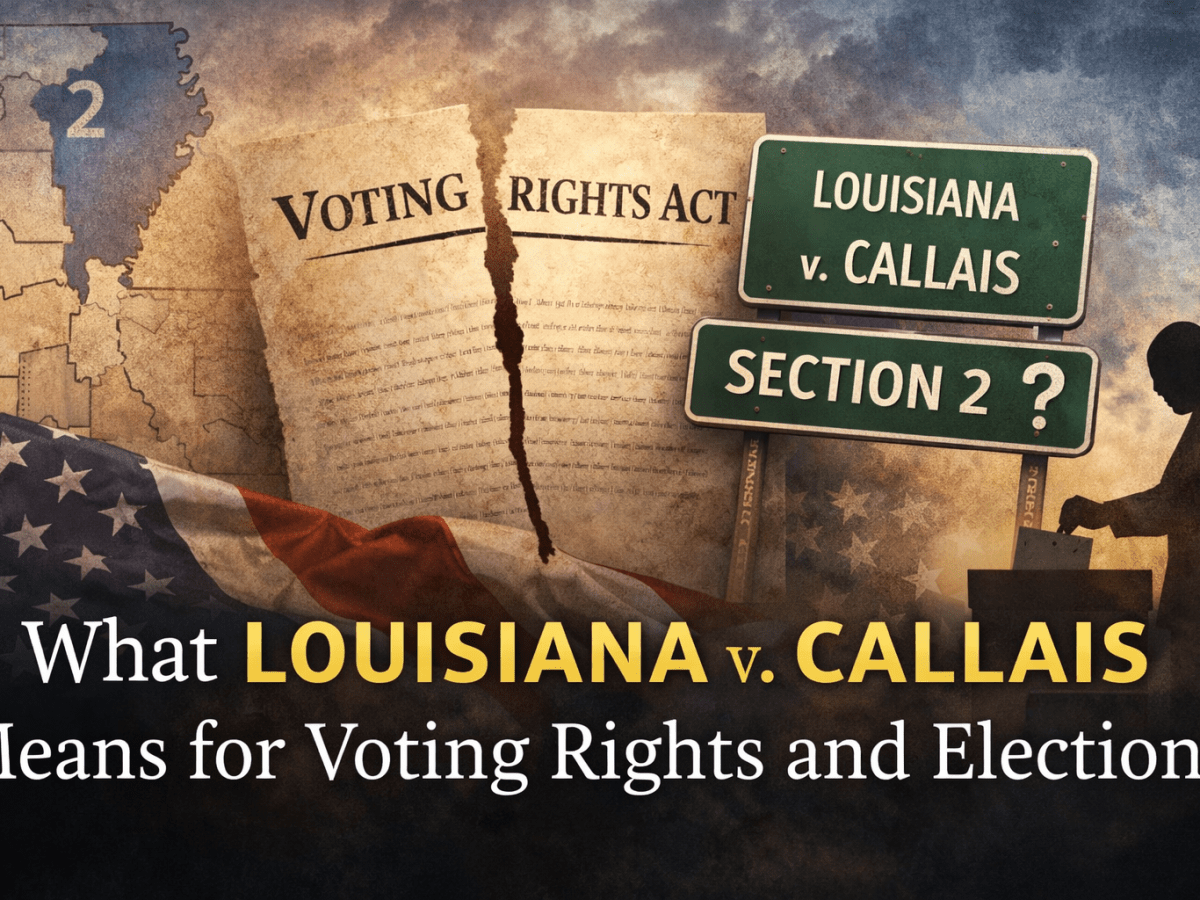
What Louisiana v. Callais Means for Voting Rights and Elections
Section 2 of the Voting Rights Act prohibits state or local practices from denying the right to vote based on race. It empowers voters to challenge discriminatory laws and practices. The Supreme Court case Louisiana v. Callais may redefine Section 2’s application, impacting minority voting strength and redistricting nationwide.

Why Federal Forces Are Barred From Polling Places — And What the Law Actually Says
U.S. election law prohibits federal troops and law enforcement from polling places to safeguard voter freedom and prevent intimidation. This principle, rooted in historical statutes like the Posse Comitatus Act, ensures free elections by keeping armed presence away from voting. State laws reinforce this ban, ensuring a non-coercive environment for voters.
How States Can Protect Election Integrity and Security
State legislatures are vital in shaping U.S. elections, balancing security and access. The Brennan Center for Justice’s report outlines necessary actions to enhance election integrity without restricting voter participation. Key recommendations include securing voting systems, conducting robust audits, protecting election officials, investing in infrastructure, and maintaining clear rules, emphasizing competence to build public trust.
Congressional Power Under the U.S. Constitution: What It Can and Cannot Do on Election Rules
The U.S. Constitution’s Elections Clause grants Congress the power to regulate federal elections, allowing it to override state laws. However, this authority is balanced by constitutional limits and historical practices, with states primarily managing election administration. Proposed reforms face judicial scrutiny and must align with constitutional provisions, emphasizing a dual authority structure.
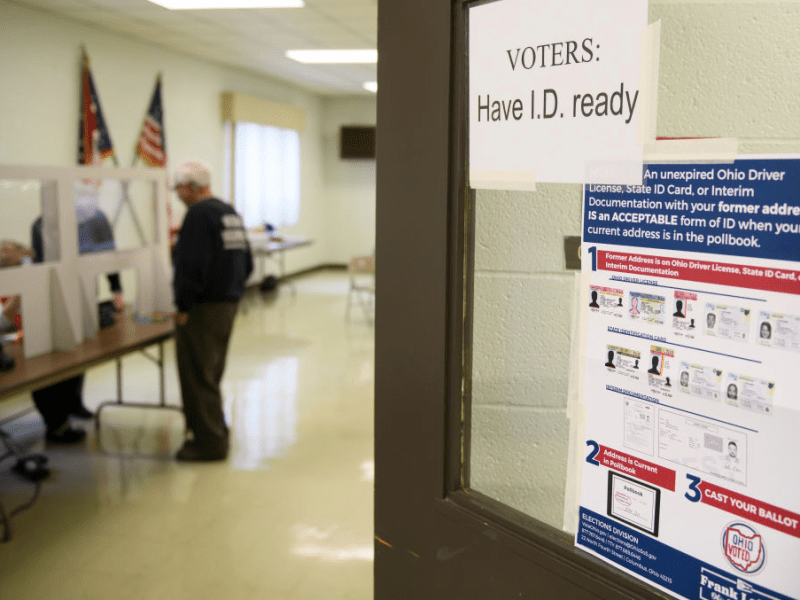
Voter ID Laws Explained: What States Require — and Why It Varies
Voter identification laws in the U.S. vary widely by state regarding requirements, acceptable IDs, and enforcement. States are categorized as having strict or non-strict laws, affecting voter access and ballot counting. Ongoing legal challenges question the balance between election security and accessibility, influencing the evolution of these policies.
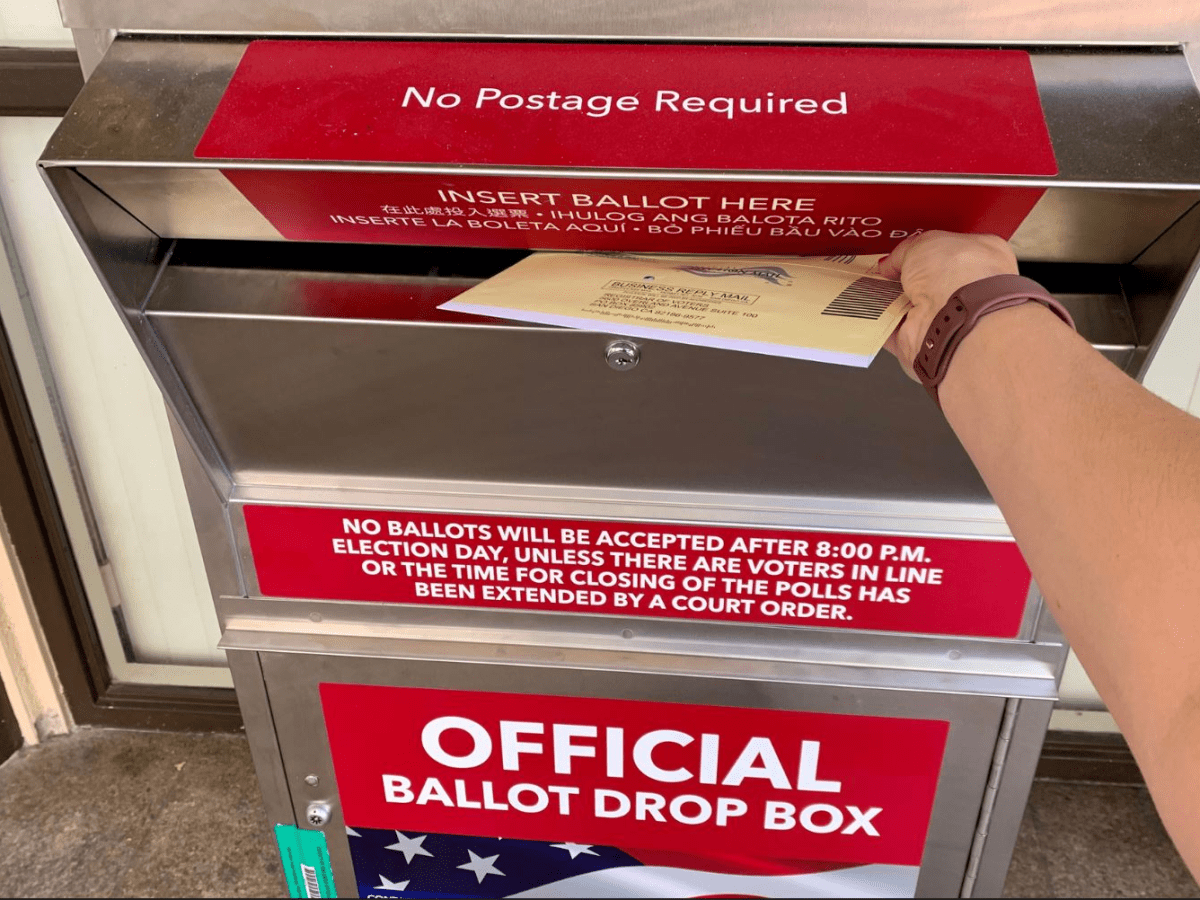
Mail Voting vs. Absentee Voting: What’s the Difference?
Mail voting and absentee voting are distinct concepts with significant differences in eligibility, request processes, ballot return options, signature verification, and deadlines. Absentee voting often requires a valid reason and has strict processes, while mail voting is generally available to all registered voters and allows for more flexible deadlines and easing of ballot issues. Understanding…
Provisional Ballots: What They Are and What Happens Next
Provisional ballots are used in U.S. elections when a voter’s eligibility cannot be immediately confirmed, ensuring they aren’t disenfranchised. These ballots are reviewed after Election Day, with specific state processes for verification and deadlines. Understanding provisional ballots helps voters maintain confidence in their right to vote and the electoral process.
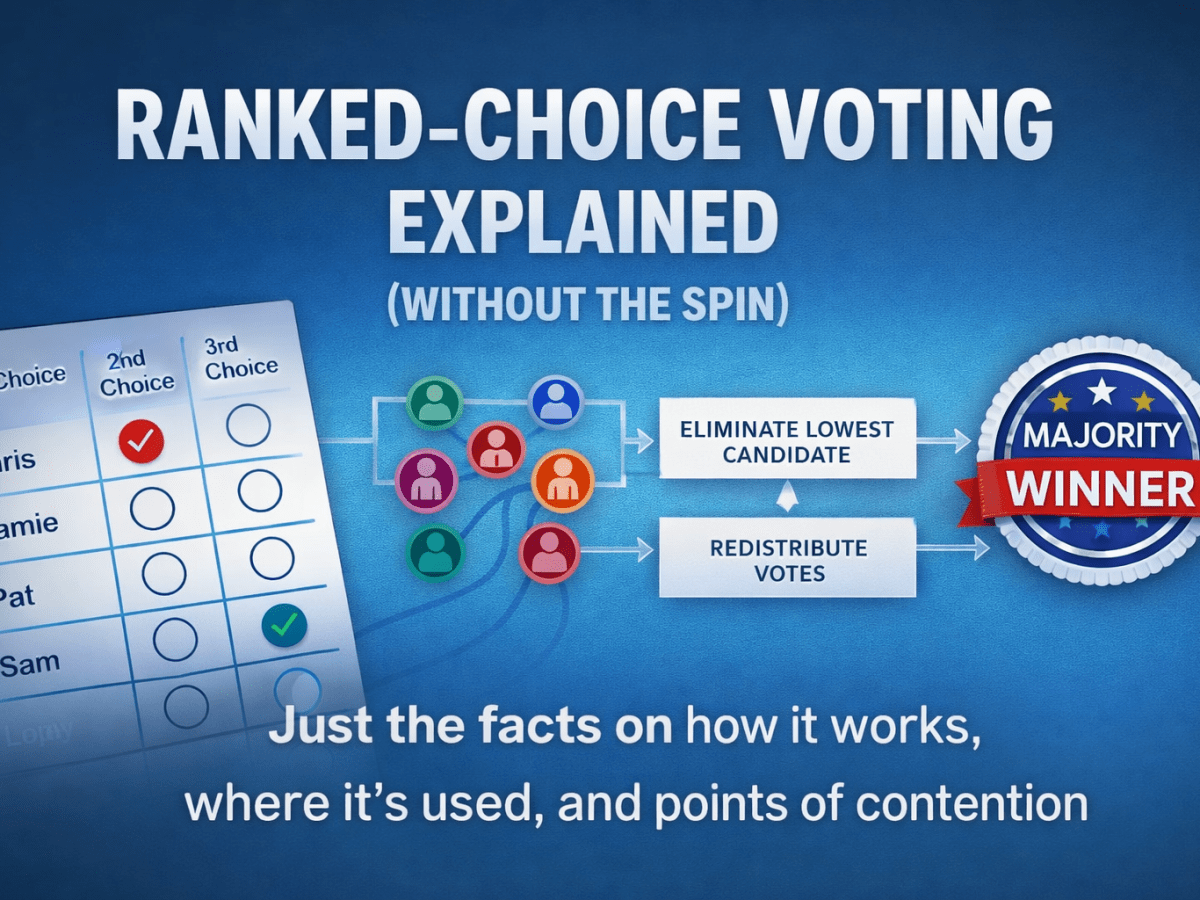
Ranked-Choice Voting Explained (Without the Spin)
Ranked-choice voting (RCV) allows voters to rank candidates by preference, enhancing democracy by reducing spoilers and encouraging broader appeal. However, it introduces complexity and potential confusion for some voters, along with longer counting times and transparency issues. Its effectiveness depends on implementation and voter education. RCV is used in various U.S. states and cities.
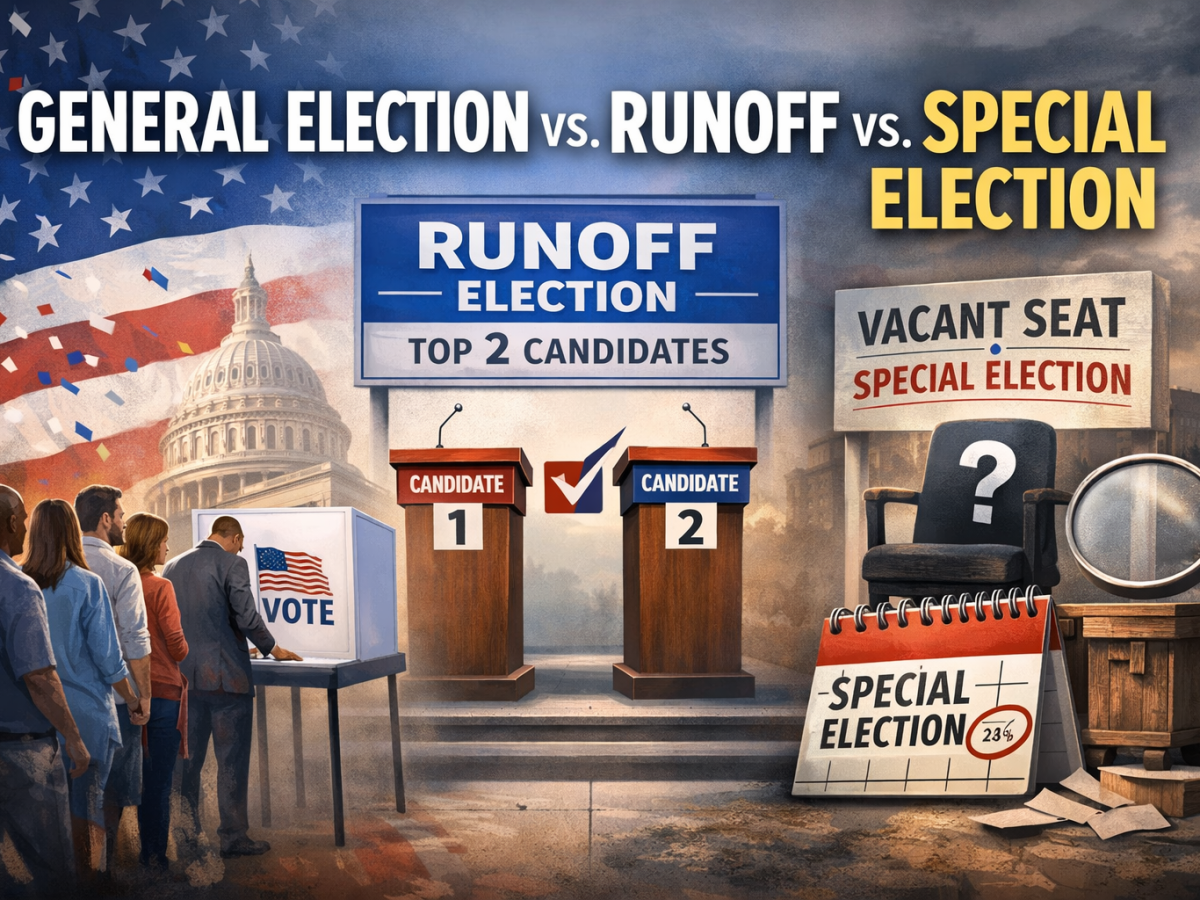
General Elections vs. Runoffs vs. Special Elections — What’s the Difference?
Elections serve different purposes: general elections select officeholders, runoff elections ensure a majority winner when initial votes are inconclusive, and special elections fill unexpected vacancies. Voter turnout varies, with general elections attracting the most participants, while special elections typically see the least. Understanding these dynamics is crucial for comprehending electoral outcomes.
Why Virginia Governors Can Serve Only One Term
Virginia has a unique gubernatorial term-limit, allowing governors only one four-year term without immediate re-election. This constitutional rule aims to prevent consolidation of power and promote leadership turnover, resulting in open-seat elections and shifting political control. Understanding this structure is crucial for evaluating Virginia’s distinct political landscape.
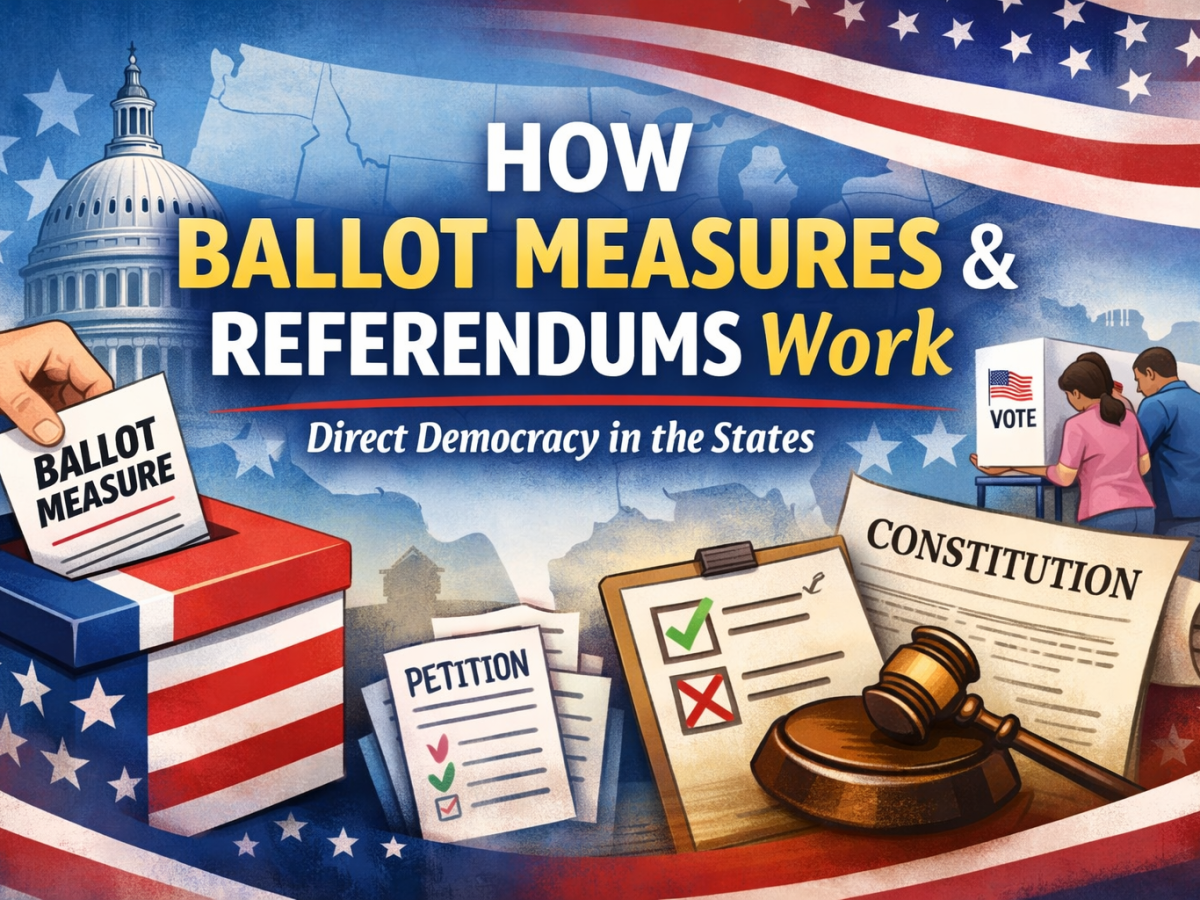
How Ballot Measures and Referendums Work
This guide explains direct democracy through ballot measures, enabling voters to directly influence public policy. It covers definitions, types (initiatives, referendums, legislative measures), the process for ballot placement, voting mechanics, and state-specific rules. Voters can shape legislation on various issues, highlighting the complexities of state-level governance and voter empowerment.
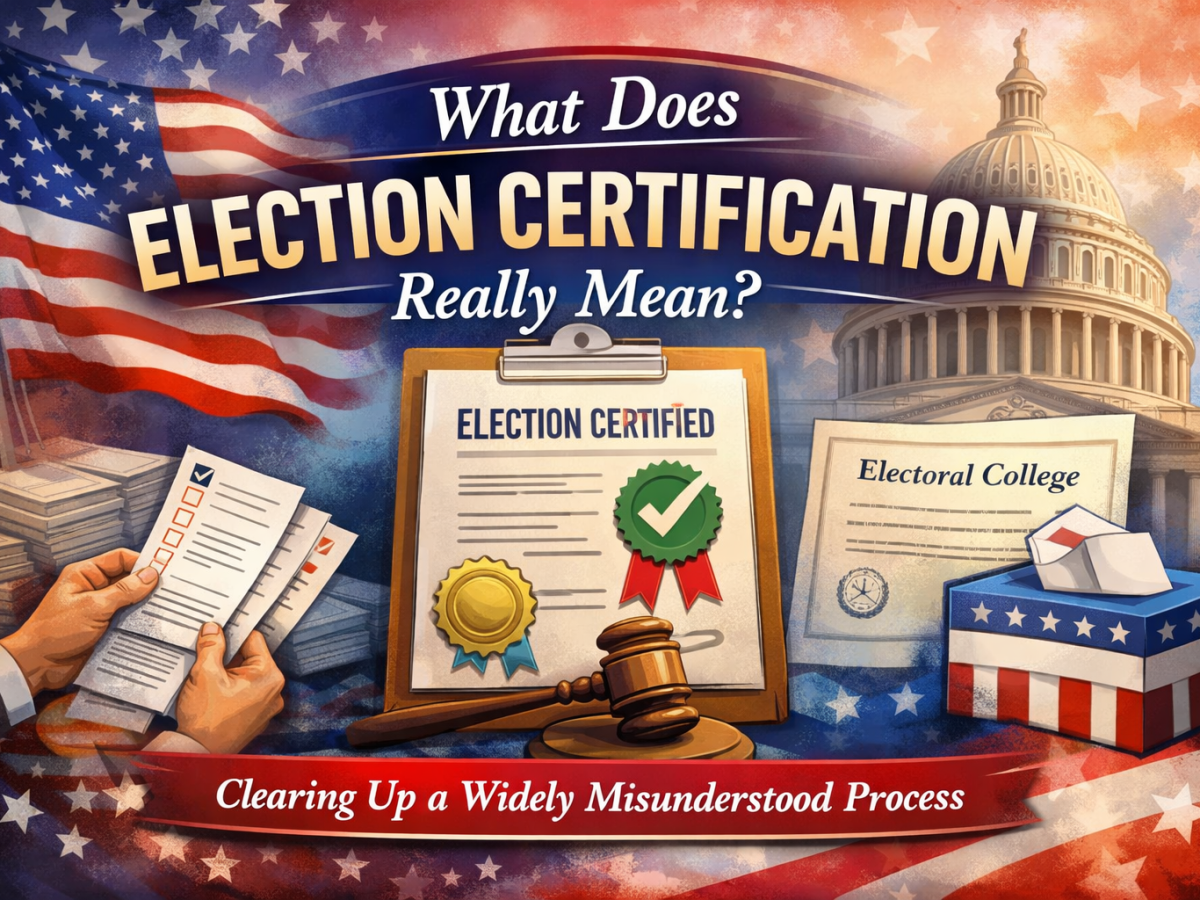
What Does “Election Certification” Really Mean?
Election certification is a crucial, legal process confirming the accuracy of election results after vote counting. It is mandatory for officials and does not allow for altering outcomes or resolving disputes. Certification ensures a consistent conclusion to elections, upholding democratic integrity and distinguishing between counted results and official outcomes.
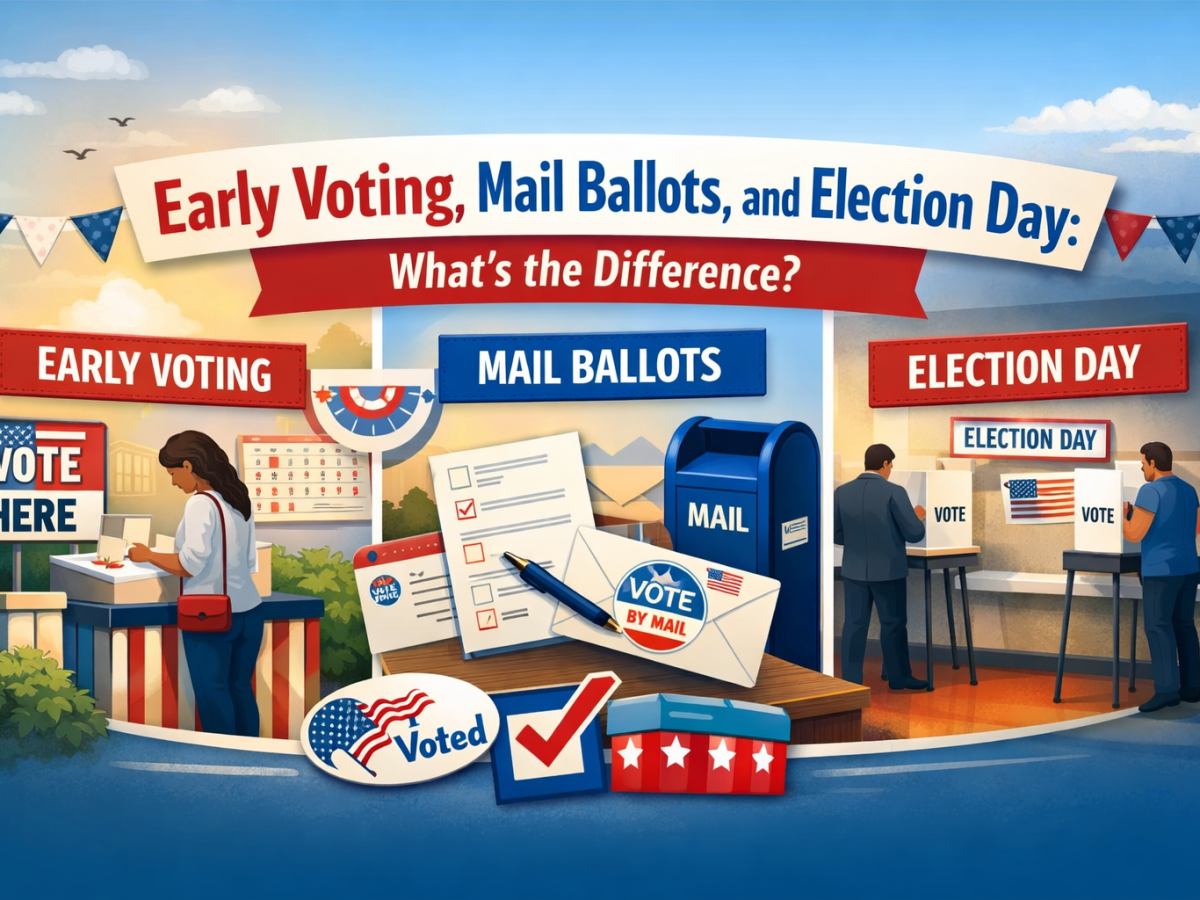
Early Voting, Mail Ballots, and Election Day: What’s the Difference?
Elections in the U.S. offer three voting methods: Election Day voting, early voting, and mail ballots. Each method differs in timing, location, and procedure. Early voting provides flexibility, while mail ballots enhance accessibility. Understanding these options and their rules is crucial for voters to ensure their participation and voice in democracy.
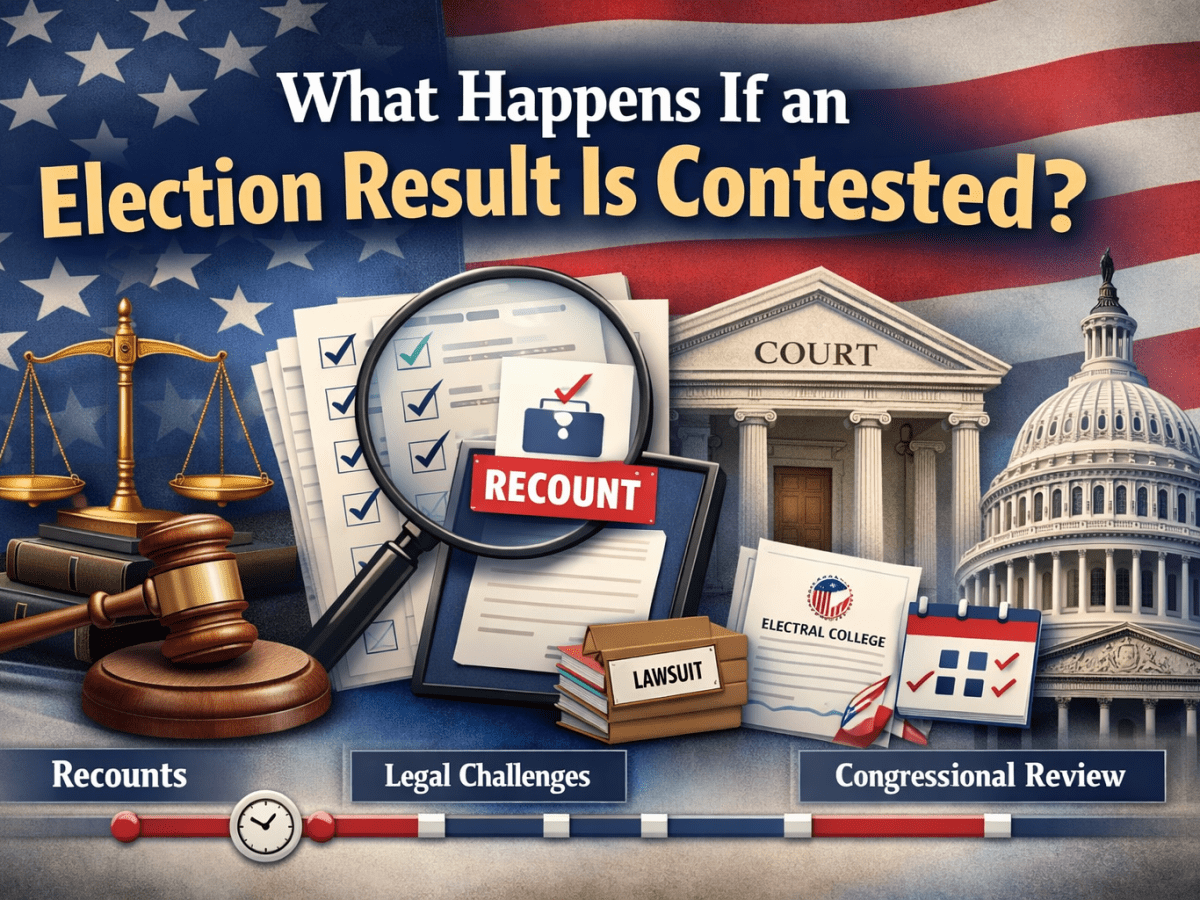
What Happens If an Election Result Is Contested?
When elections conclude, initial results remain unofficial. The certified process involves canvassing, potential recounts, and legal challenges if contested. Recounts verify ballots, while lawsuits address errors or fraud. Each state sets deadlines for these processes. Safeguards, like audits, ensure accuracy. Ultimately, contests rarely alter certified results.
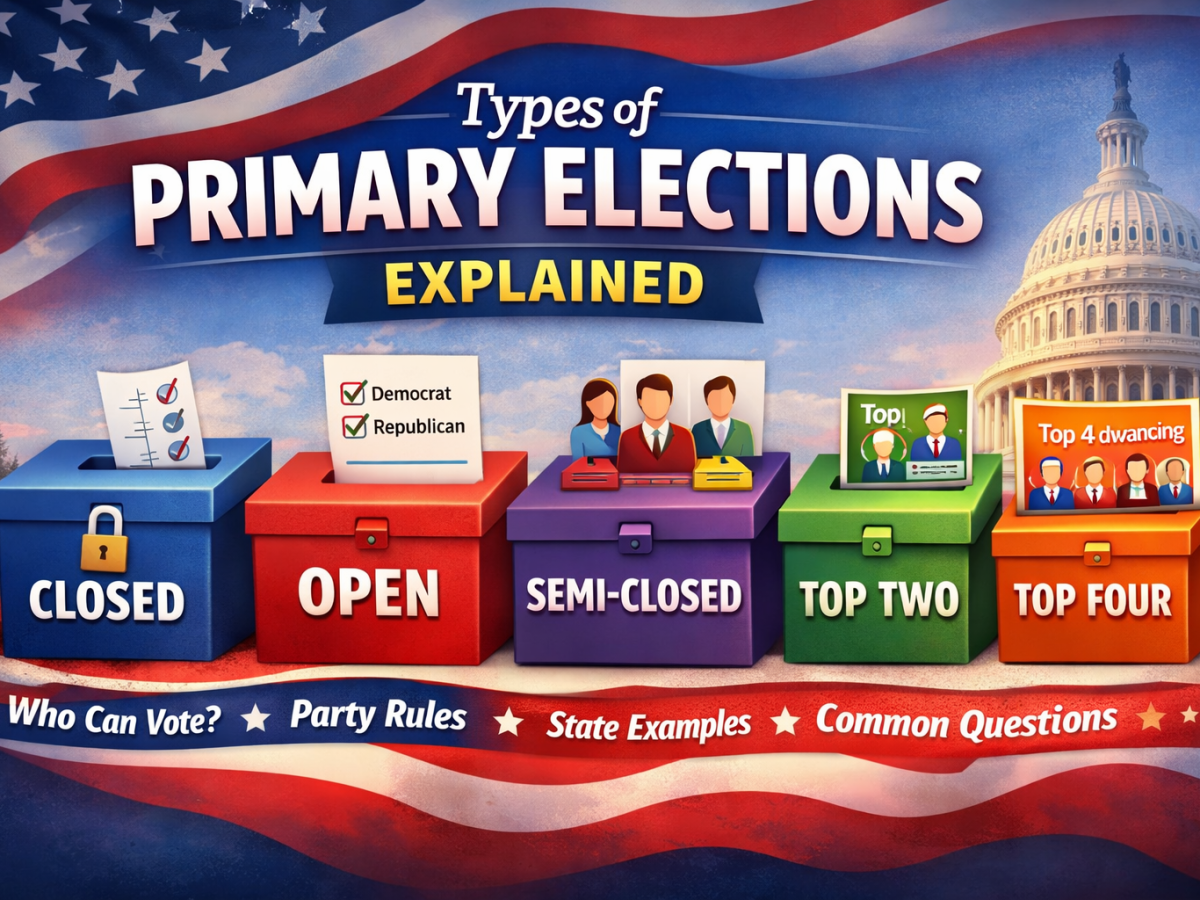
Primary Elections Explained: Closed, Open, Semi-Closed, Top-Two, Top-Four
Primary elections in the U.S. determine candidates for the general election, varying by state and party. There are five main systems: Closed, Open, Semi-Closed, Top-Two, and Top-Four Primaries. Each system affects voter access and candidate strategies. Understanding these systems is crucial for informed voting and recognizing primary significance.

The Election Calendar: What Happens When (From Filing to Certification)
The election timeline comprises six key phases: candidate filing, primaries, early and absentee voting, Election Day, canvass for counting verification, and certification of results. Each phase is crucial for ensuring election accuracy and legality, impacting voter choice and procedural integrity while explaining delays and changing results in close races.
How U.S. Elections Work: The Clean, Simple Guide
U.S. elections are decentralized, run by states with local officials administering them, guided by federal law. Federal elections include president and Congress, while state elections cover local offices. Primary elections determine candidates, with ballots varying by location. Certification confirms results, and oversight involves various state and local entities. Misunderstandings about the system are clarified.
 Election Desk