Tag: elections
-
Who Is Running for Governor of California in 2026?
California’s 2026 gubernatorial election features a crowded race with over two dozen candidates from various parties, largely fueled by voter dissatisfaction. The top-two primary system allows for unexpected outcomes, especially among Democrats. Key issues include crime and economic recovery, with no clear frontrunner and many undecided voters as of early 2026.
-
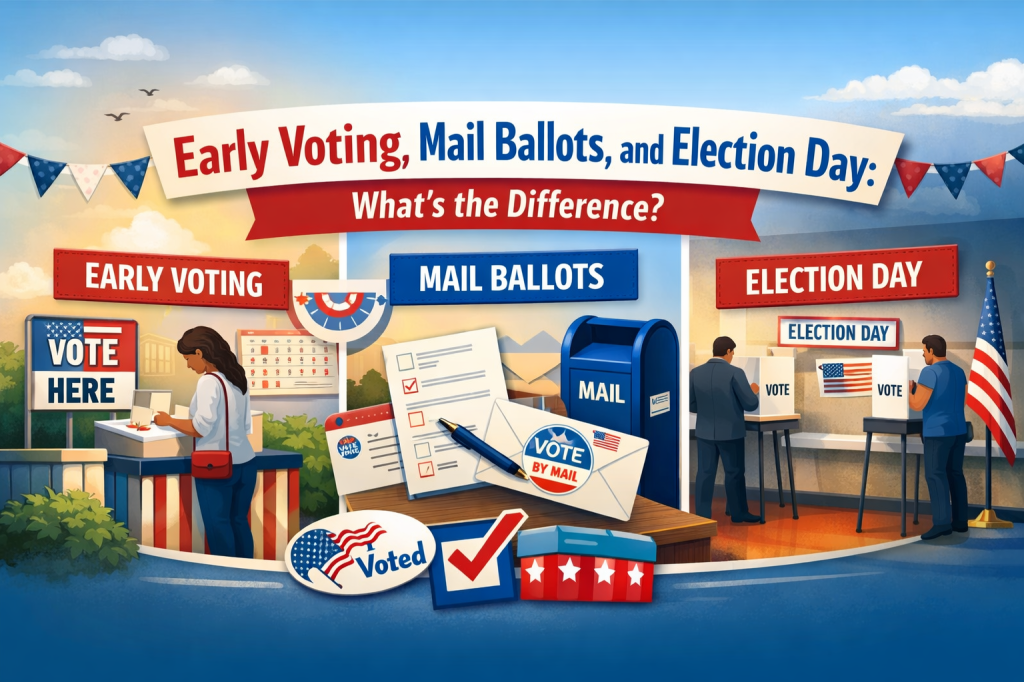
Early Voting, Mail Ballots, and Election Day: What’s the Difference?
Elections in the U.S. offer three voting methods: Election Day voting, early voting, and mail ballots. Each method differs in timing, location, and procedure. Early voting provides flexibility, while mail ballots enhance accessibility. Understanding these options and their rules is crucial for voters to ensure their participation and voice in democracy.
-
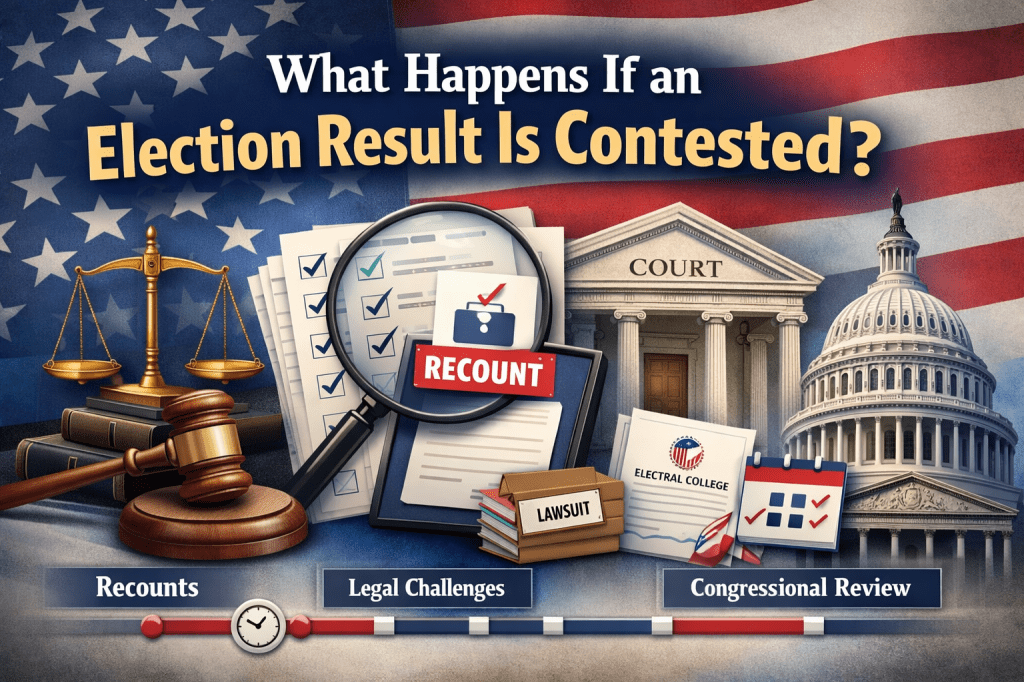
What Happens If an Election Result Is Contested?
When elections conclude, initial results remain unofficial. The certified process involves canvassing, potential recounts, and legal challenges if contested. Recounts verify ballots, while lawsuits address errors or fraud. Each state sets deadlines for these processes. Safeguards, like audits, ensure accuracy. Ultimately, contests rarely alter certified results.
-
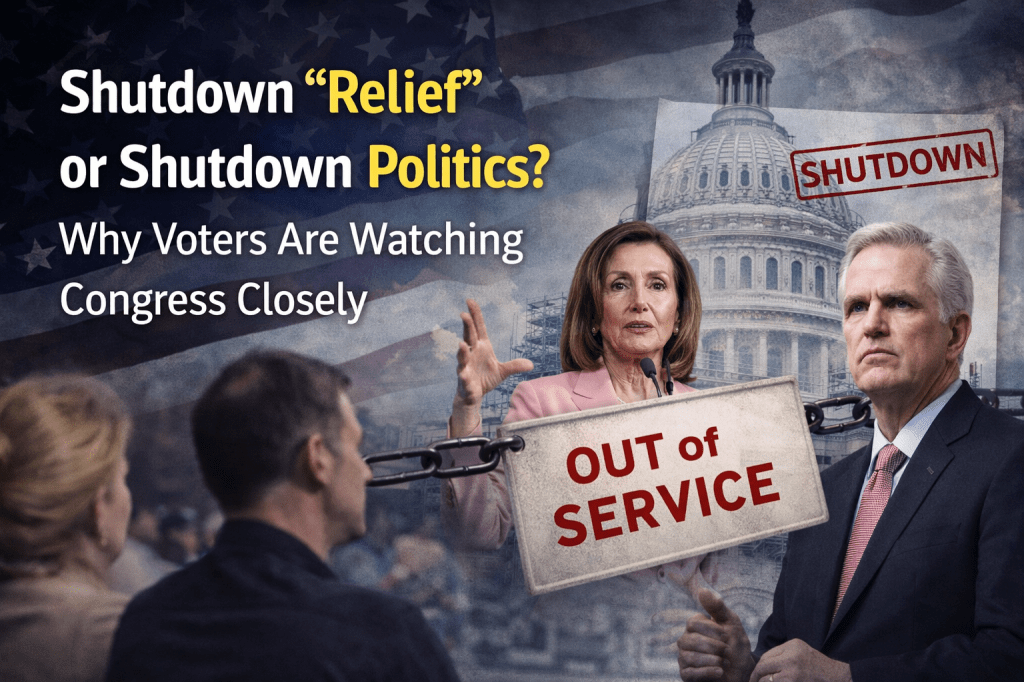
Shutdown “Relief” or Shutdown Politics? Why Voters Are Watching Congress Closely
As elections approach, Congress is focusing on providing relief during government shutdowns rather than preventing them, which is causing voter scrutiny. Critics argue this normalization of shutdowns reflects congressional dysfunction and negligence. Relief measures are limited and fail to address the root causes. Voters may hold incumbents accountable for this ongoing failure.
-
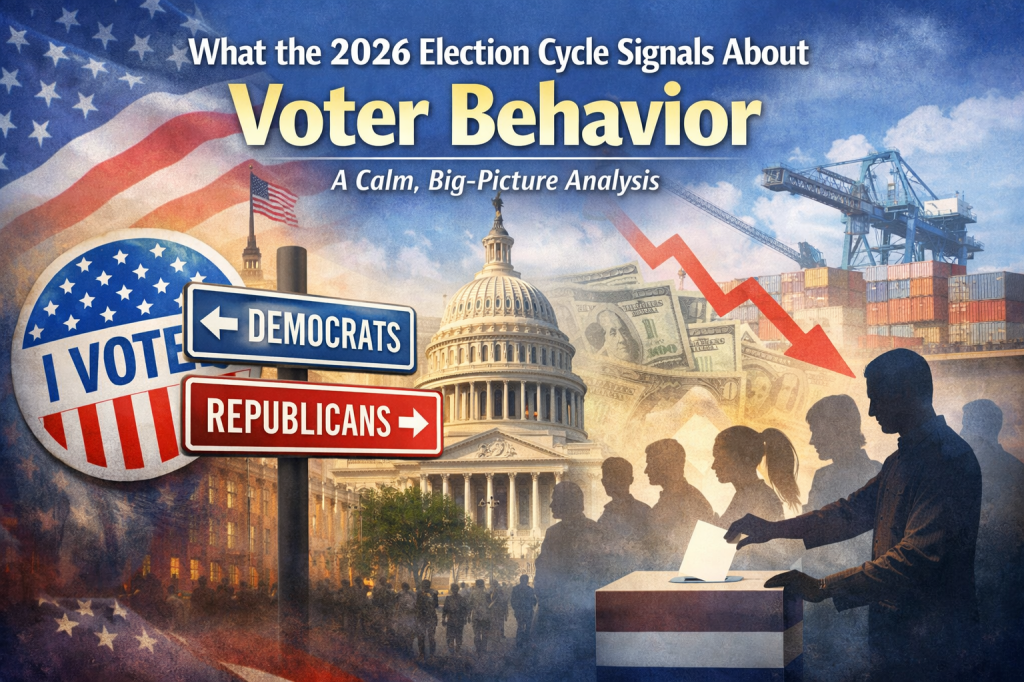
What the 2026 Election Cycle Signals About Voter Behavior
As the 2026 midterm elections approach, American voter behavior reflects widespread dissatisfaction with both major parties. Dissident sentiments towards governance emphasize accountability, with economic issues dominating priorities. A motivating gap appears, particularly among Democrats, while demographic shifts highlight independence. Voters seek competent candidates, focusing on tangible results over partisan loyalty.
-
Why State Elections Matter More Than Most Voters Realize
State elections play a critical role in Americans’ daily lives, influencing laws, education, taxation, and judicial outcomes more directly than federal elections. Governors hold significant power during crises, while state legislatures shape the judiciary. As states test policies, voter participation in state races is crucial for accountability and ensuring fair governance.
-
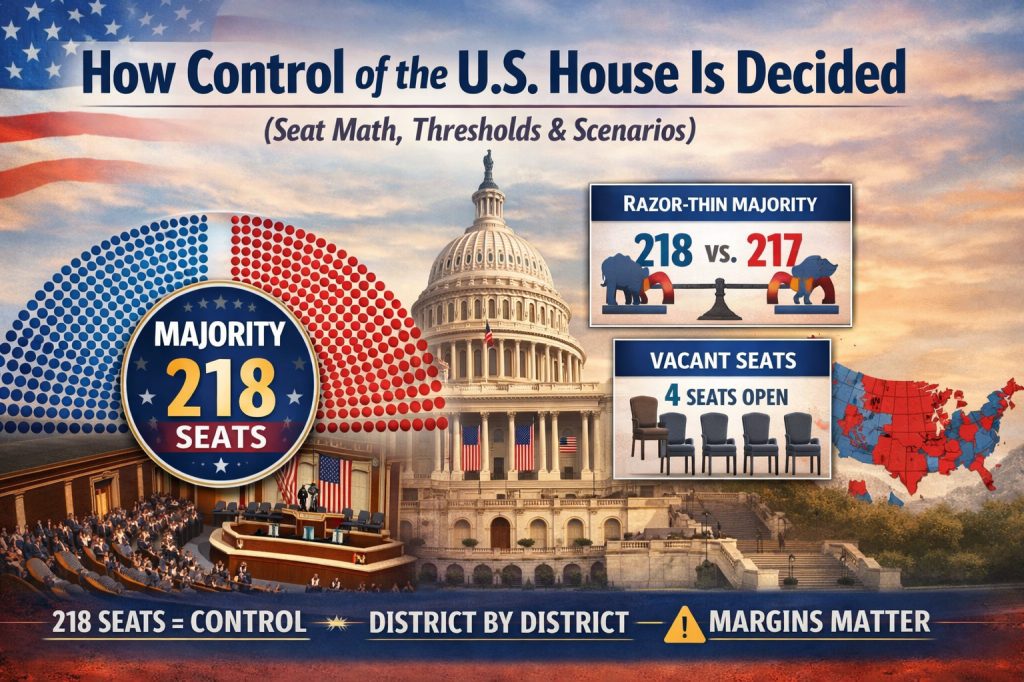
How Control of the U.S. House Is Decided
Control of the U.S. House of Representatives requires 218 seats from 435 total, enabling a party to set the agenda and elect leadership. Real-world scenarios include clear or razor-thin majorities, impacts of vacancies, independents, and why control does not align with the national popular vote. Margins of victory significantly influence legislative power dynamics.
-
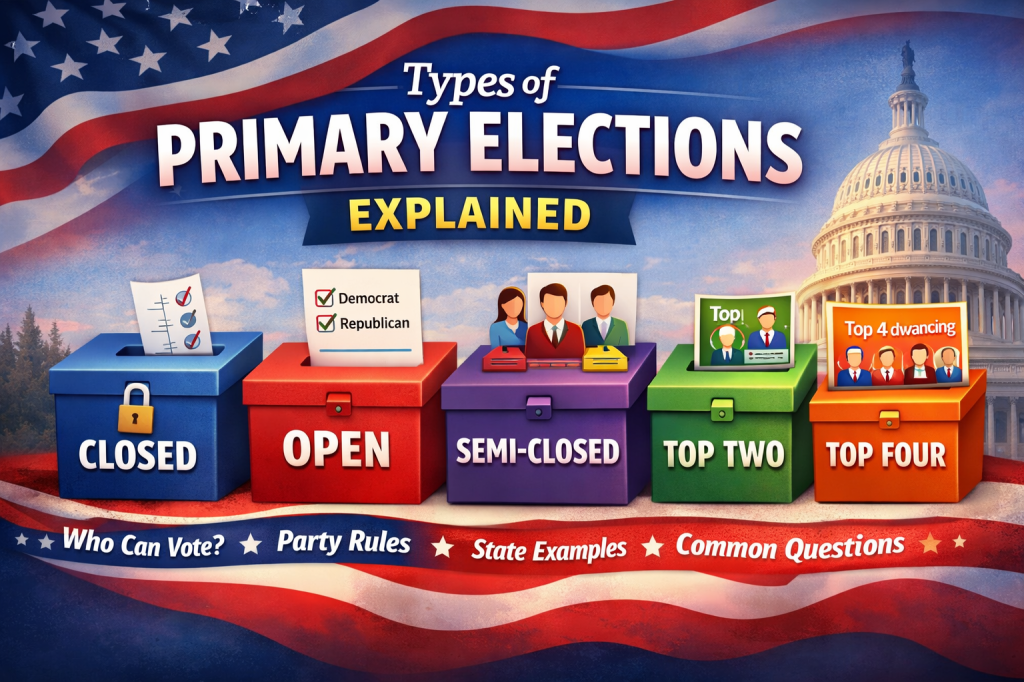
Primary Elections Explained: Closed, Open, Semi-Closed, Top-Two, Top-Four
Primary elections in the U.S. determine candidates for the general election, varying by state and party. There are five main systems: Closed, Open, Semi-Closed, Top-Two, and Top-Four Primaries. Each system affects voter access and candidate strategies. Understanding these systems is crucial for informed voting and recognizing primary significance.
-
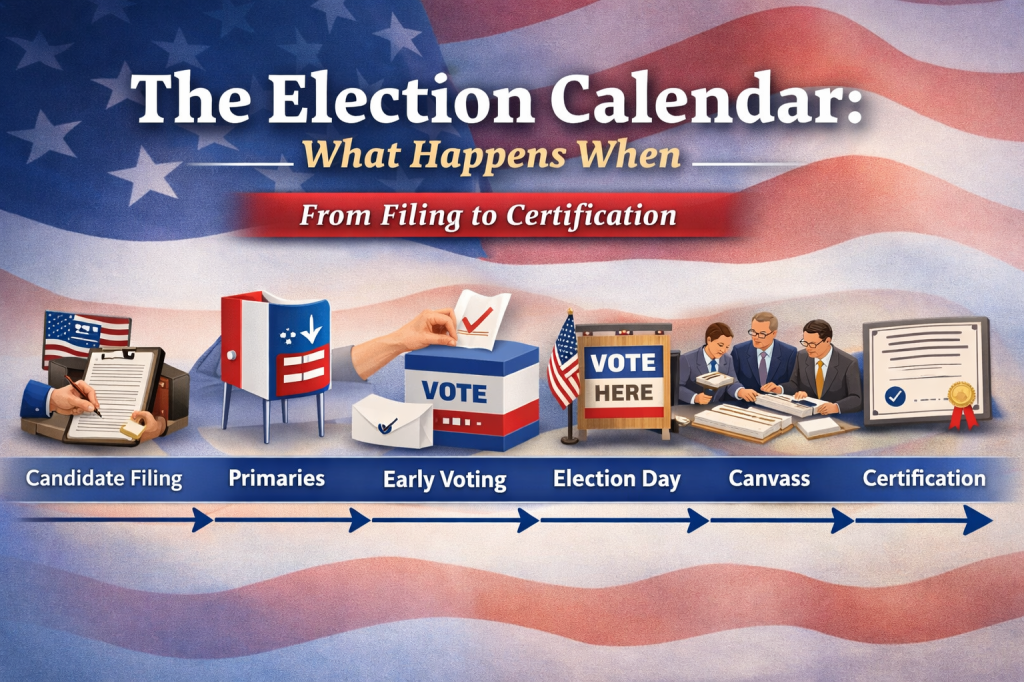
The Election Calendar: What Happens When (From Filing to Certification)
The election timeline comprises six key phases: candidate filing, primaries, early and absentee voting, Election Day, canvass for counting verification, and certification of results. Each phase is crucial for ensuring election accuracy and legality, impacting voter choice and procedural integrity while explaining delays and changing results in close races.
-
How U.S. Elections Work: The Clean, Simple Guide
U.S. elections are decentralized, run by states with local officials administering them, guided by federal law. Federal elections include president and Congress, while state elections cover local offices. Primary elections determine candidates, with ballots varying by location. Certification confirms results, and oversight involves various state and local entities. Misunderstandings about the system are clarified.

