
Tag: news
-
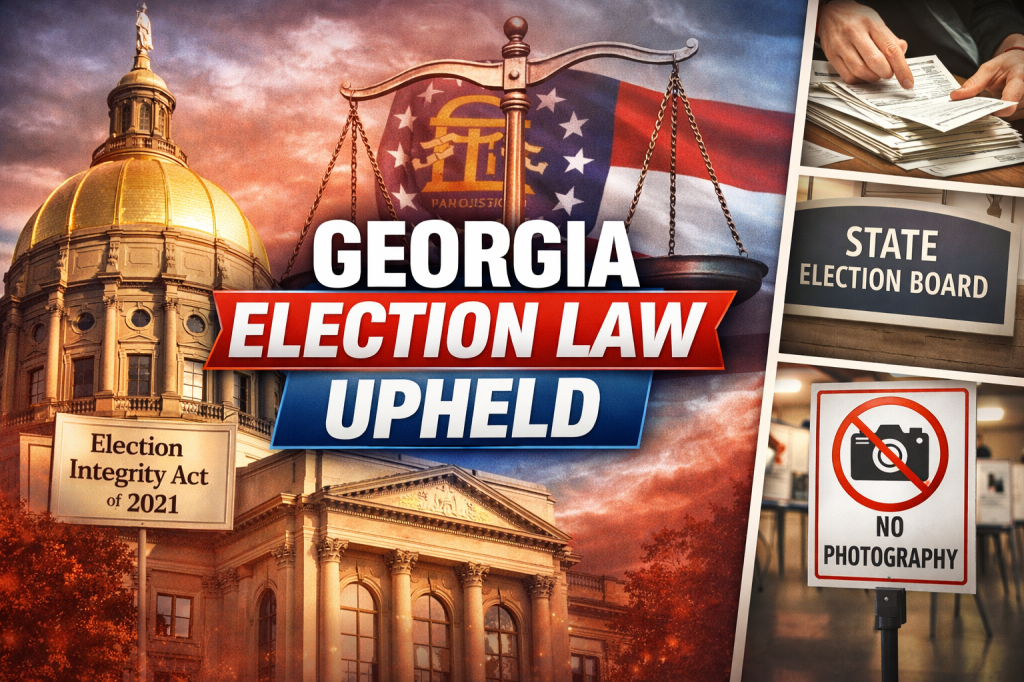
Federal Appeals Court Upholds Key Provisions of Georgia’s Election Law
A federal appeals court upheld key components of Georgia’s 2021 election law, including state authority over local election administration and a ban on ballot photography at polling places. The unanimous ruling found plaintiffs lacked legal standing, preserving the provisions amid ongoing legal challenges and debates over election integrity and voter access.
-
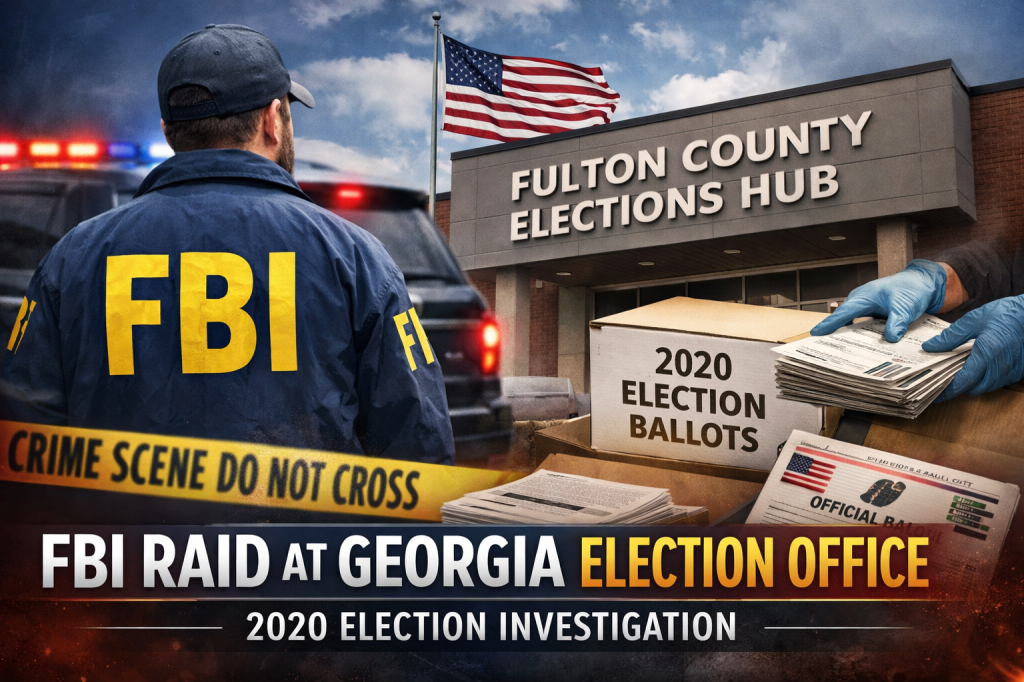
FBI Executes Search Warrant at Georgia Election Office in 2020 Election Probe
On January 28, 2026, FBI agents executed a search warrant at Fulton County’s Election Hub in Georgia as part of a federal investigation into the 2020 presidential election and allegations of fraud. The seizure of ballots and election materials has reignited debates on election integrity and federal authority, impacting future electoral processes.
-

Connecticut Governor’s Race 2026: Who’s Running, What’s at Stake, and How the Field Is Shaping Up
The 2026 Connecticut gubernatorial election, set for November 3, features incumbent Democratic Governor Ned Lamont seeking a third term against a progressive challenger, Josh Elliott. Meanwhile, Republicans face a fragmented primary with candidates like Ryan Fazio and Erin Stewart. Lamont is the favorite, but GOP dynamics may influence the general election.
-
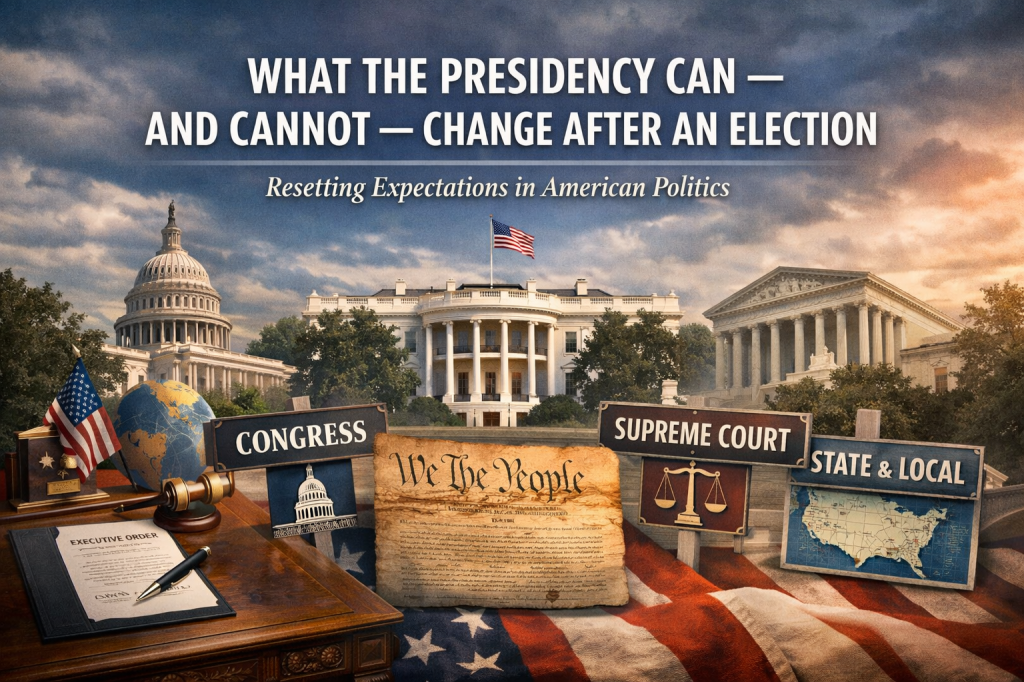
What the Presidency Can — and Cannot — Change After an Election
The content examines the realistic limitations of presidential power in the U.S., emphasizing that while presidents can set agendas, enact executive orders, and influence foreign policy, they cannot unilaterally change laws, rewrite the Constitution, or control independent institutions. Voter expectations often exceed these boundaries, leading to disappointment and distrust in democracy.
-
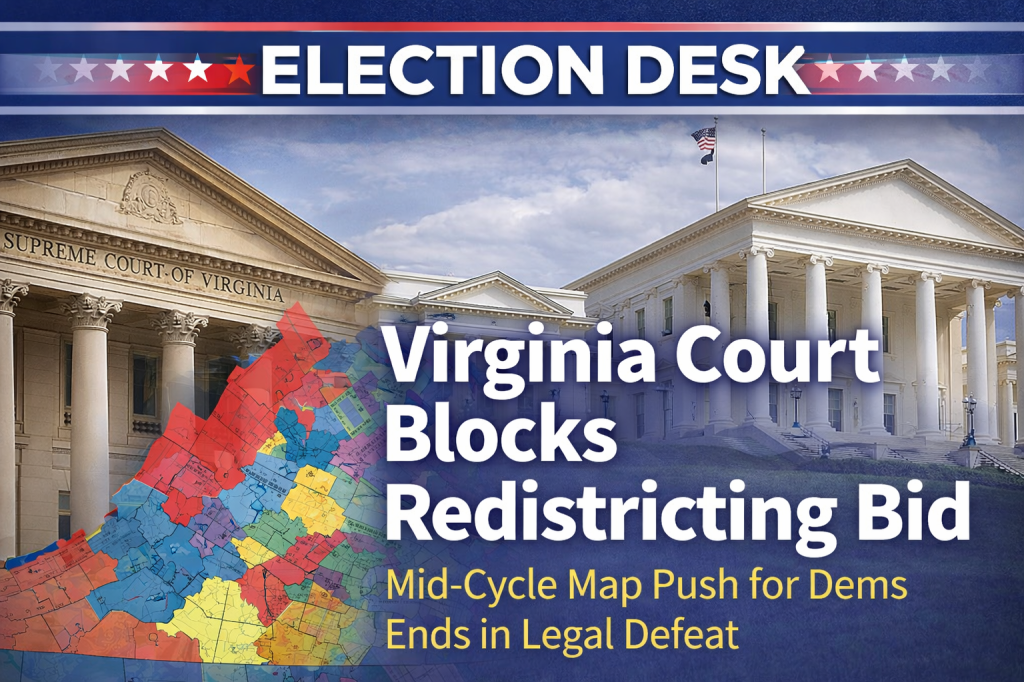
Virginia Court Stops Mid-Cycle Redistricting Push
A Virginia court has blocked a Democratic proposal for a mid-decade redistricting amendment intended for the 2026 elections, citing noncompliance with state constitutional procedures. Judge Jack Hurley Jr. found that the amendment failed to meet required notice and timing obligations. Democrats plan to appeal, but current congressional maps will remain unchanged for 2026.
-
Small-Dollar Donations, Big Questions: What FEC Data Can—and Can’t—Tell Us
Federal campaign finance relies heavily on online small-dollar donations, which raise transparency issues in FEC data. Current donation reporting lacks clarity, creating gaps in understanding. Fragmented oversight complicates anomaly analysis and accountability. Suggested reforms include risk-based verification and standardized reporting to enhance system clarity without restricting fundraising practices, ensuring public confidence.
-
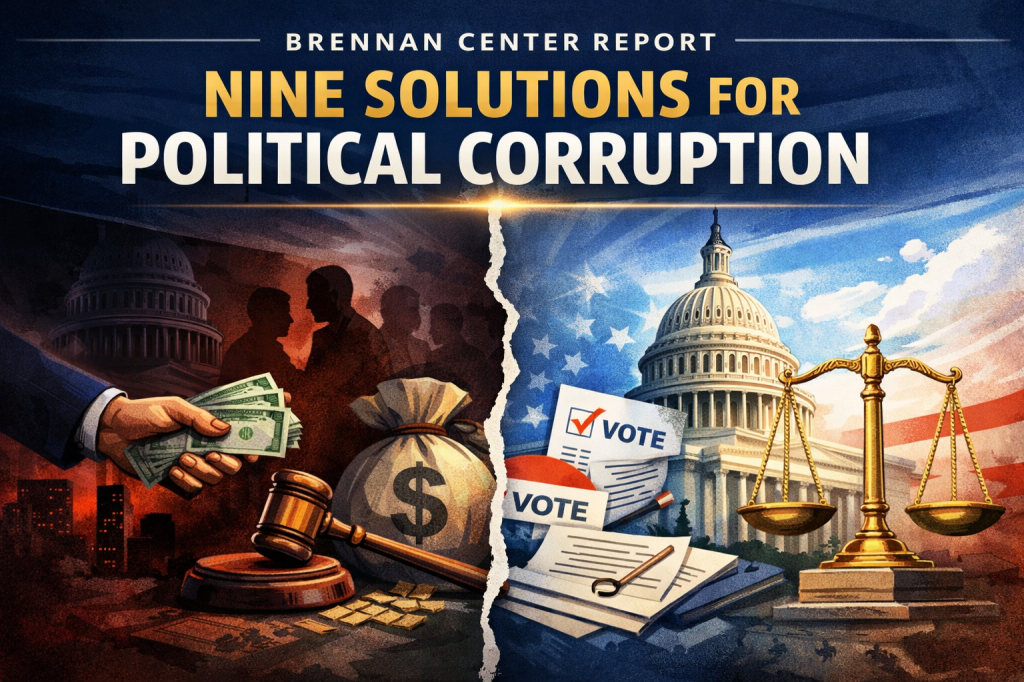
A Bold Blueprint for Reform: Brennan Center Outlines Nine Solutions to Political Corruption
The Brennan Center for Justice’s new report presents “Nine Solutions for Political Corruption,” aimed at addressing escalating political corruption in America, driven by private wealth’s influence. The proposals include constitutional amendments, banning large donations from government contractors, and enhancing ethical regulations to restore public trust in democratic institutions and accountability.
-
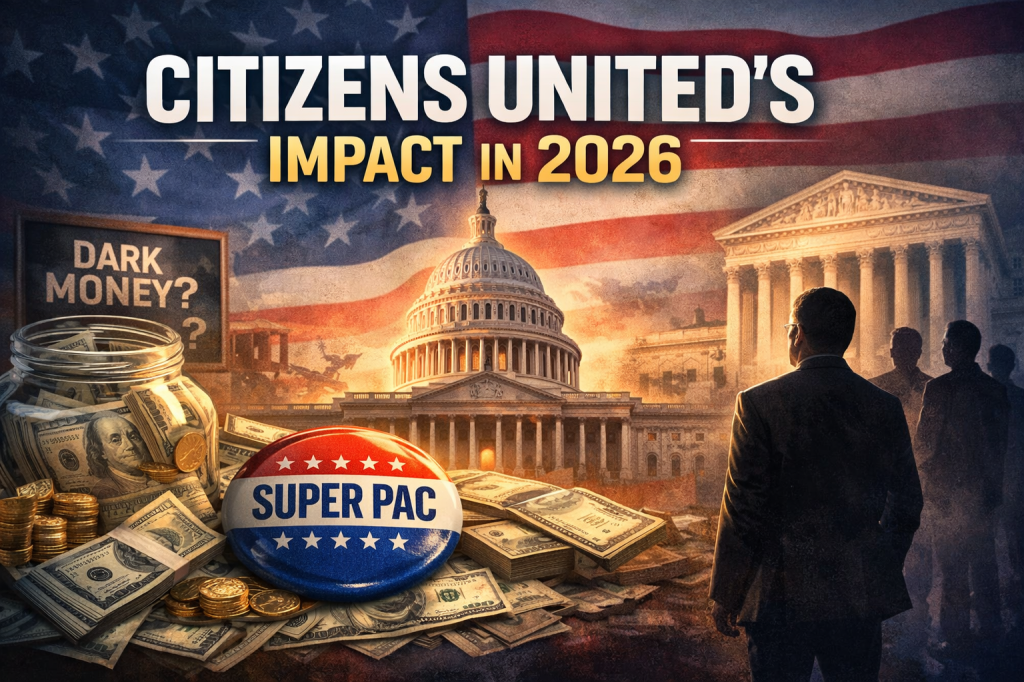
Citizens United’s Enduring Influence: How the 2010 Decision Still Shapes American Elections in 2026
On January 21, 2010, the Supreme Court’s ruling in Citizens United v. FEC allowed unlimited corporate and union spending in federal elections, reshaping campaign finance. This decision led to the rise of super PACs and dark money, raising concerns about transparency and voter influence as the political landscape faces ongoing challenges and calls for reform…
-
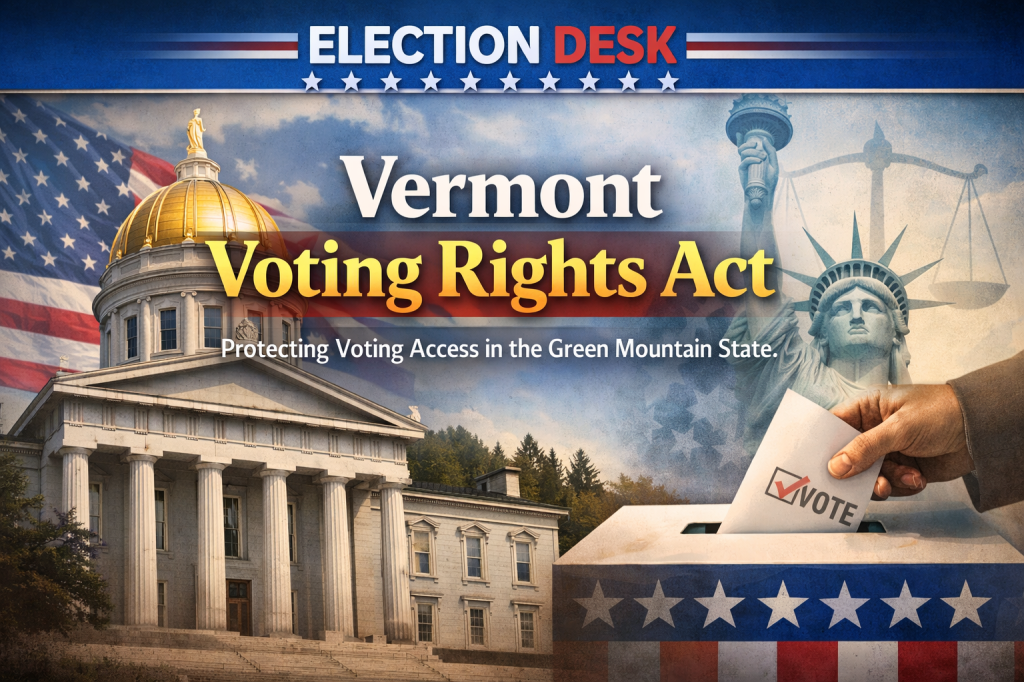
Vermont Lawmakers Move to Codify Voting Rights in State Law Amid National Uncertainty
Democratic lawmakers in Vermont proposed the Vermont Voting Rights Act to embed federal voting protections into state law amidst national concerns about voting rights. The bill aims to expand access for historically underrepresented groups, enhance voter protections, and counteract potential federal rollbacks. It is set for legislative consideration soon.
-
What Happens If Congress Is Split After an Election? Institutional Consequences Explained
Federal elections often result in a split Congress, where no single party controls both chambers. This scenario can lead to legislative gridlock, necessitating bipartisan negotiation for progress. Institutional mechanics, like tie-breaking votes in the Senate and the lack of a tie-breaking mechanism in the House, complicate governance and hinder productivity.
 Election Desk