Tag: state elections
-
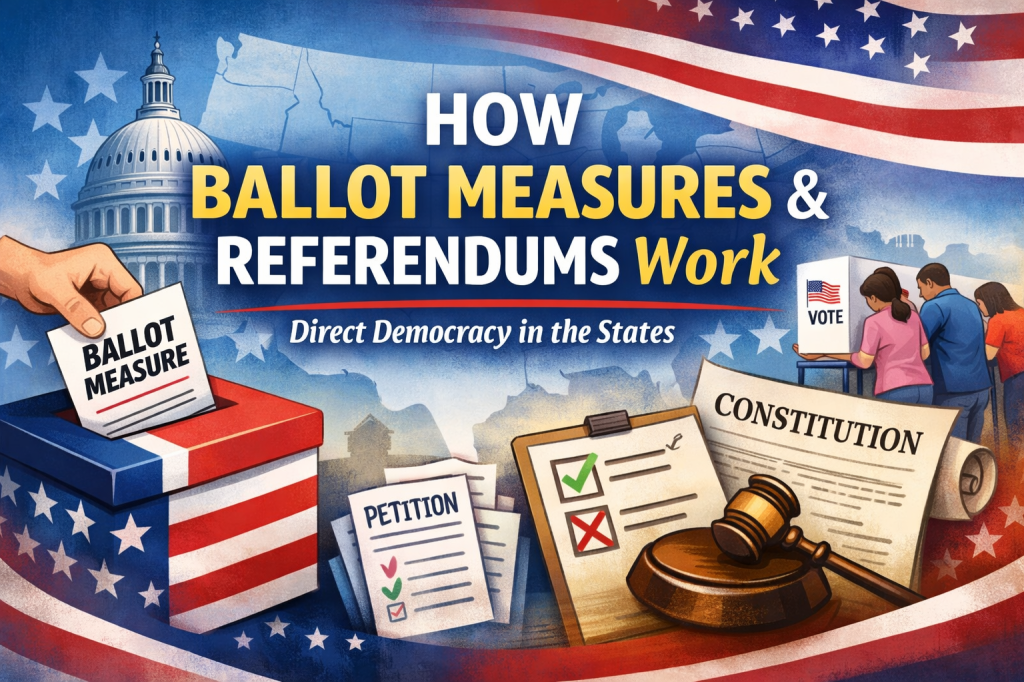
How Ballot Measures and Referendums Work
This guide explains direct democracy through ballot measures, enabling voters to directly influence public policy. It covers definitions, types (initiatives, referendums, legislative measures), the process for ballot placement, voting mechanics, and state-specific rules. Voters can shape legislation on various issues, highlighting the complexities of state-level governance and voter empowerment.
-
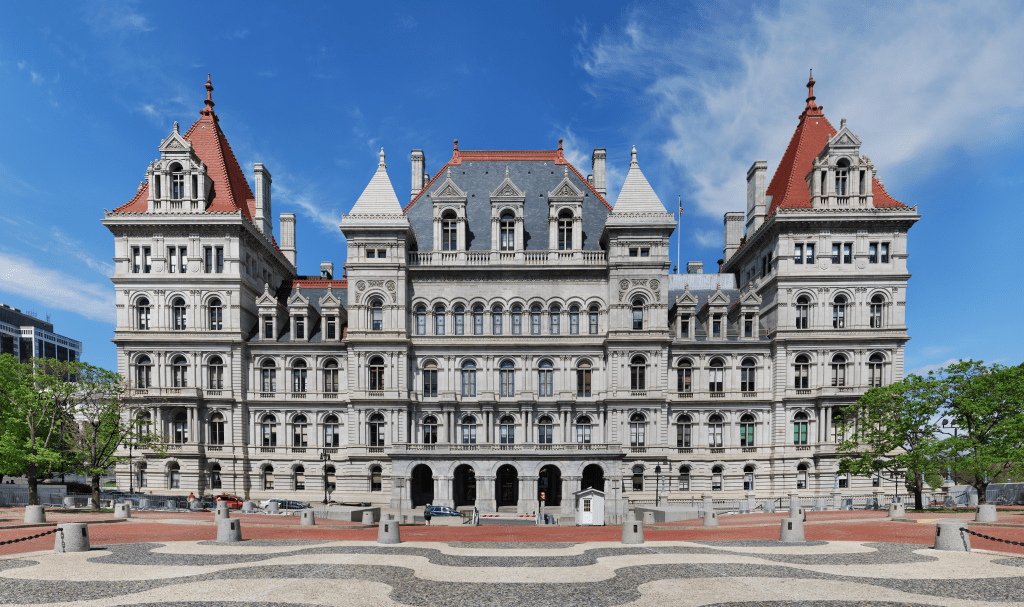
Who Is Running for Governor of New York in 2026?
The 2026 New York gubernatorial election is set for November 3, featuring incumbent Democratic Governor Kathy Hochul, facing a primary challenge from Lieutenant Governor Antonio Delgado, and presumptive Republican nominee Bruce Blakeman. Issues of affordability and public safety will dominate the campaign, with Hochul currently leading in polls.
-
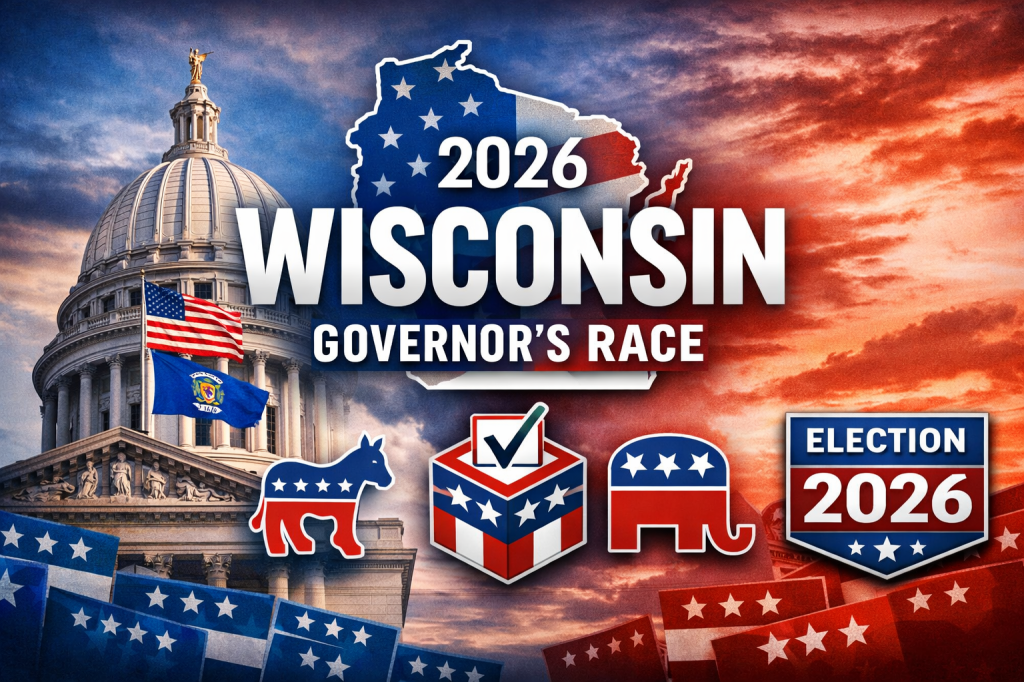
Who Is Running for Governor of Wisconsin in 2026?
The 2026 Wisconsin gubernatorial election, scheduled for November 3, follows Tony Evers’ decision not to seek a third term. Both parties view this competitive race as a national priority. Democrats have a crowded primary, while Republicans feature fewer candidates. The outcome may significantly impact political control in this battleground state.
-
States with 2026 Gubernatorial Elections
In 2026, gubernatorial elections will be held on November 3 across 36 states, featuring candidates from major parties and independents. Many races have open seats due to term limits while incumbents compete for re-election. Key battleground states include Arizona, Georgia, Michigan, Nevada, Pennsylvania, and Wisconsin, attracting significant attention.
-
Who Is Running for Governor of Minnesota in 2026?
The 2026 Minnesota gubernatorial election is set for November 3, following party primaries on August 11. Incumbent Tim Walz’s decision not to seek reelection has created an open race, particularly among Democrats. Republicans have a crowded field, while third-party candidates may influence outcomes. Candidate filings begin in May.
-
Why State Elections Matter More Than Most Voters Realize
State elections play a critical role in Americans’ daily lives, influencing laws, education, taxation, and judicial outcomes more directly than federal elections. Governors hold significant power during crises, while state legislatures shape the judiciary. As states test policies, voter participation in state races is crucial for accountability and ensuring fair governance.
-
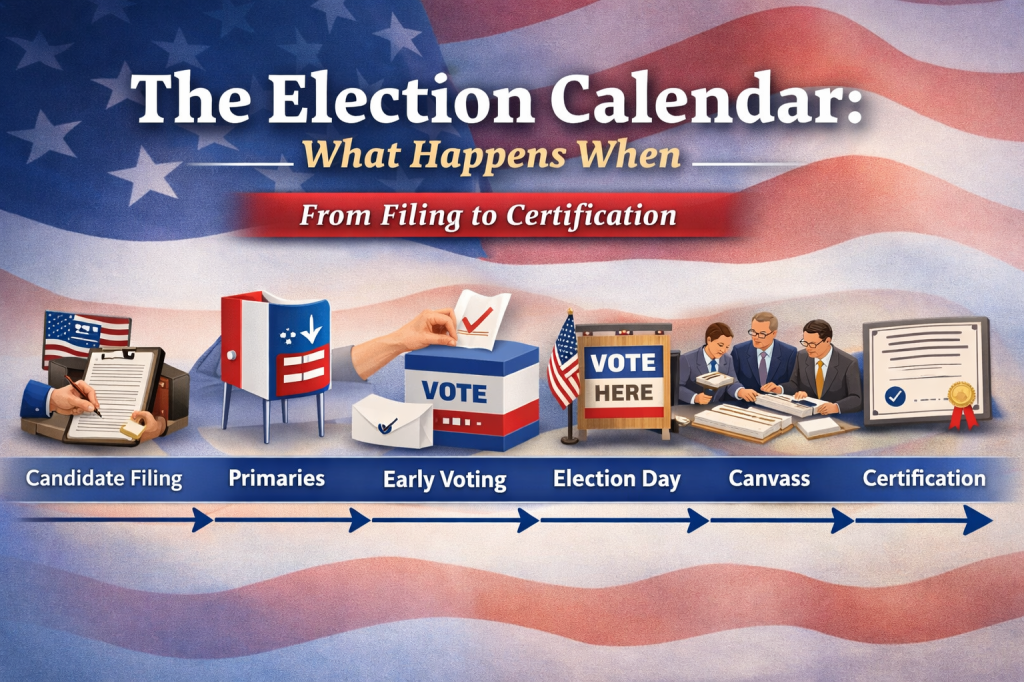
The Election Calendar: What Happens When (From Filing to Certification)
The election timeline comprises six key phases: candidate filing, primaries, early and absentee voting, Election Day, canvass for counting verification, and certification of results. Each phase is crucial for ensuring election accuracy and legality, impacting voter choice and procedural integrity while explaining delays and changing results in close races.
-
How U.S. Elections Work: The Clean, Simple Guide
U.S. elections are decentralized, run by states with local officials administering them, guided by federal law. Federal elections include president and Congress, while state elections cover local offices. Primary elections determine candidates, with ballots varying by location. Certification confirms results, and oversight involves various state and local entities. Misunderstandings about the system are clarified.
 Election Desk