Tag: voter registration
-
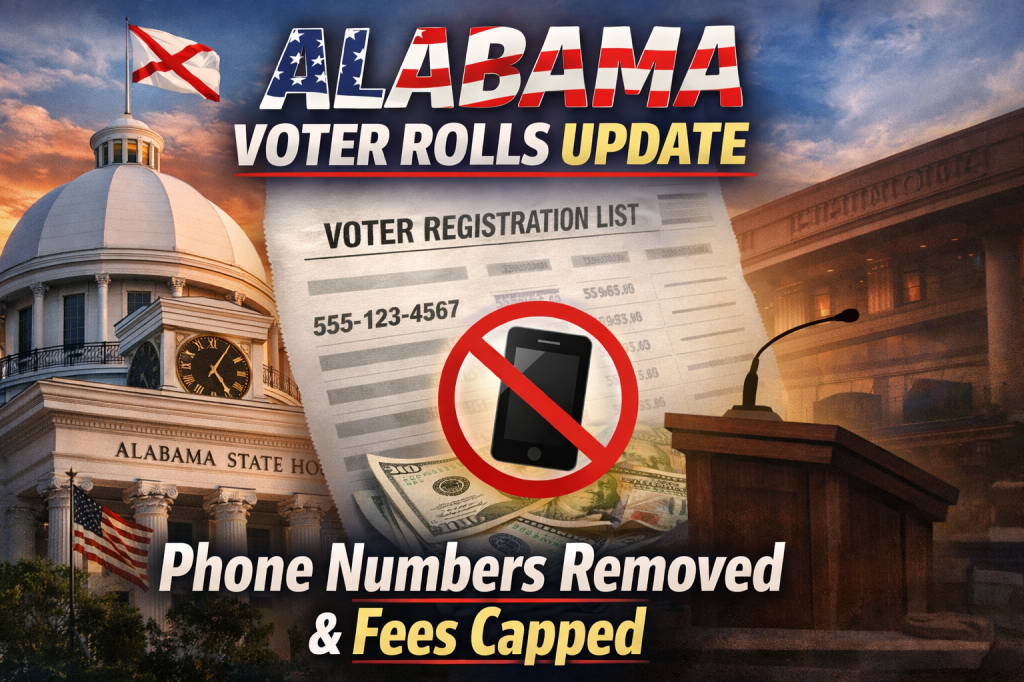
Alabama House Advances Bill to Strip Phone Numbers from Voter Rolls
The Alabama Legislature passed House Bill 67, altering voter registration data handling by removing phone numbers from official lists and capping access costs at $1,000. The bill, aimed at protecting voter privacy and reducing robocalls, allows voters to opt in for phone number inclusion. It now goes to the Senate for consideration.
-
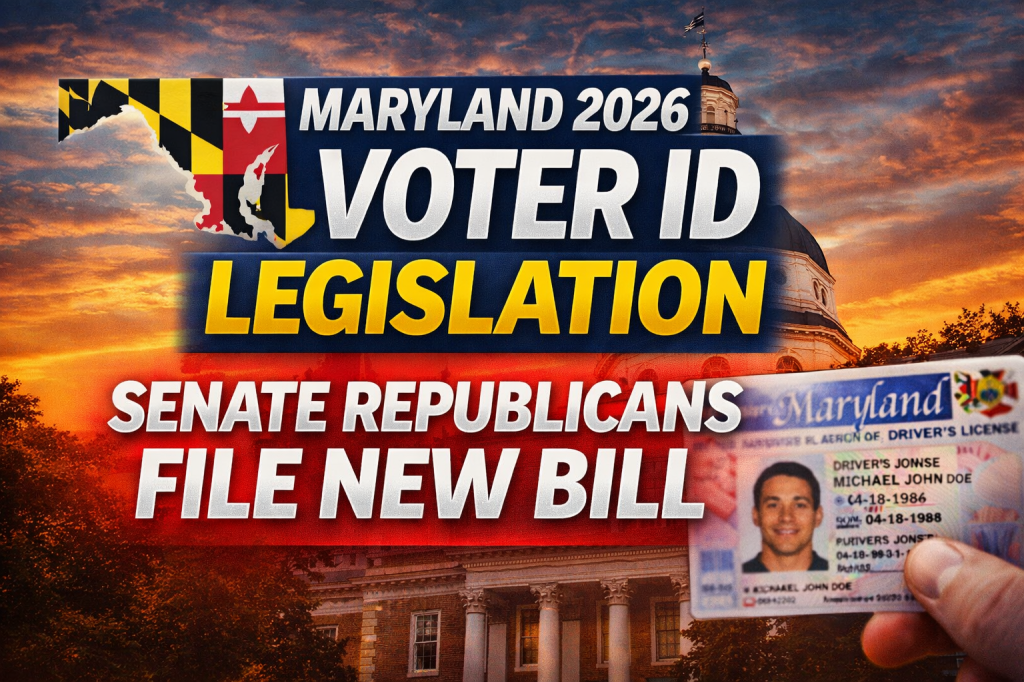
Maryland Voter ID Debate Returns as Republicans File New Bill
Maryland’s current voting laws do not require photo ID for most voters, but a new Republican proposal seeks to change this by mandating government-issued identification before voting. Supporters argue it enhances election security, while critics warn it may disenfranchise marginalized voters. The bill awaits further legislative action.
-
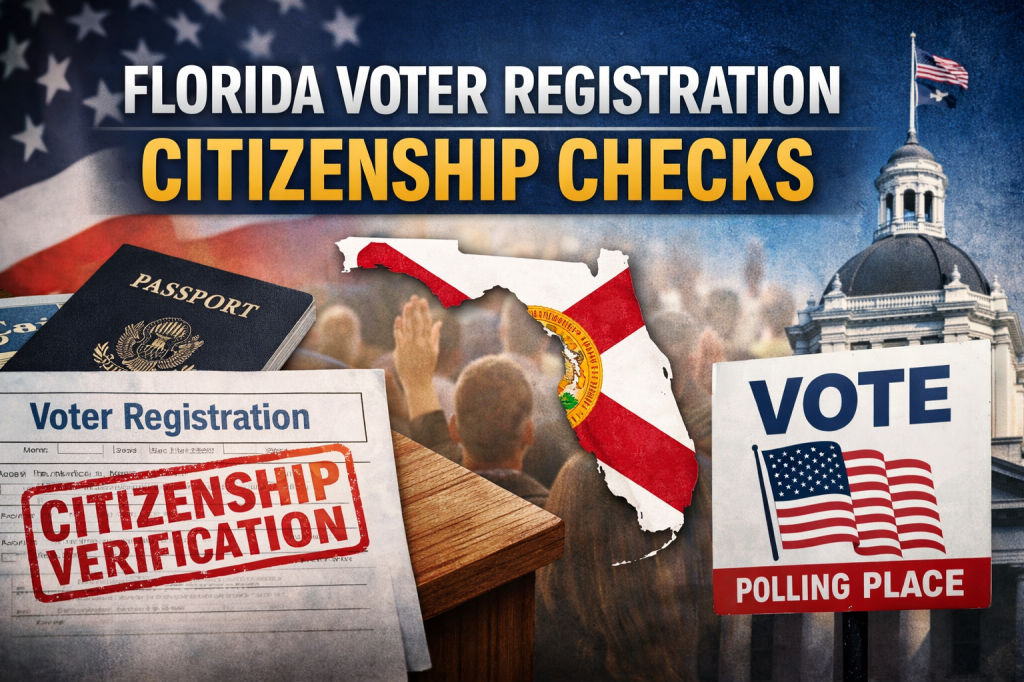
Florida Lawmakers Move to Add Citizenship Verification to Voter Registration
Florida legislators are advancing House Bill 985, which mandates citizenship verification for voter registration and introduces stricter ID requirements. Proponents argue it ensures election integrity, while opponents view it as unnecessary and potentially suppressive. This measure reflects national trends on voter eligibility, emphasizing the ongoing debate between election security and access.
-
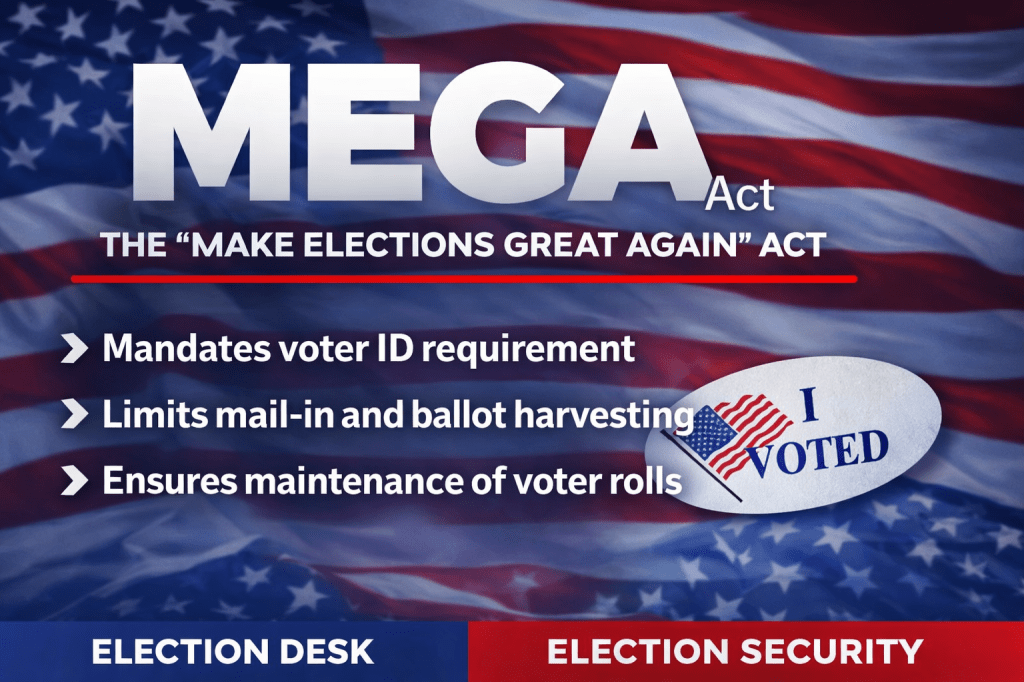
Republicans Unveil ‘Make Elections Great Again’ Act: What It Would Do and Why It Matters
Republicans unveiled the Make Elections Great Again Act (MEGA Act), aimed at establishing national standards for federal elections to enhance voter confidence and security. The bill requires photo IDs, new voter registration criteria, and stricter ballot regulations. Critics argue it risks voter access, particularly for marginalized groups, intensifying debates ahead of the 2026 midterms.
-
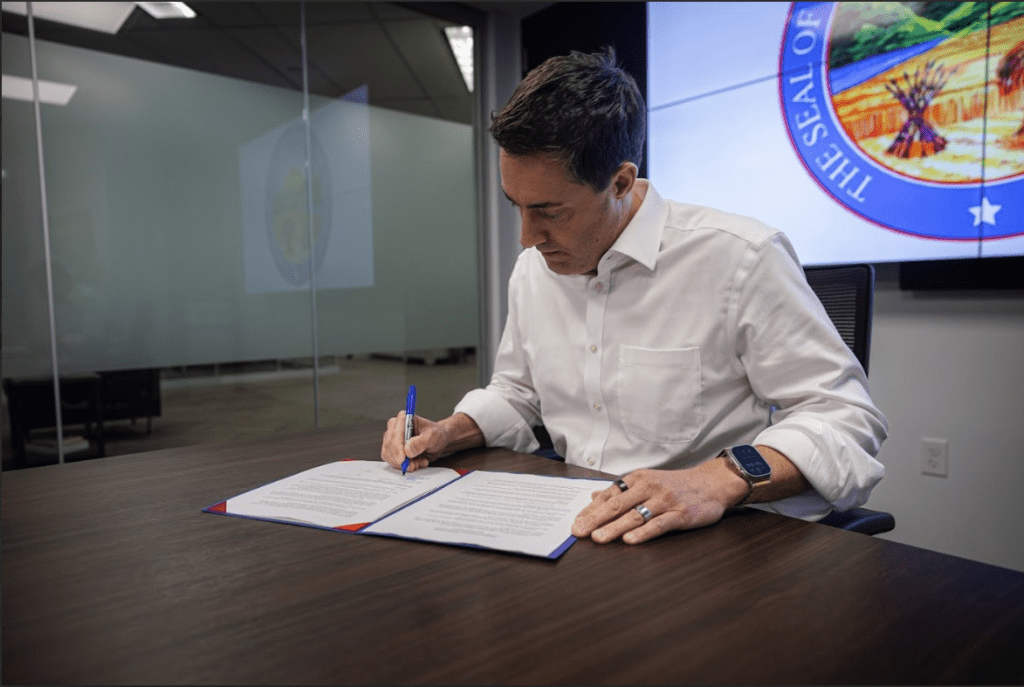
Ohio Launches “EleXa,” a Multi-State Election Integrity Network to Share Voter Data and Combat Illegal Voting
On December 15, 2025, Ohio Secretary of State Frank LaRose launched EleXa, a multi-state election integrity initiative to enhance voter registration accuracy. Eleven states are involved in sharing data to prevent duplicate registrations. LaRose emphasized the initiative’s importance for maintaining election security and public trust while protecting personal information.
 Election Desk