Author: Michael Phillips
-
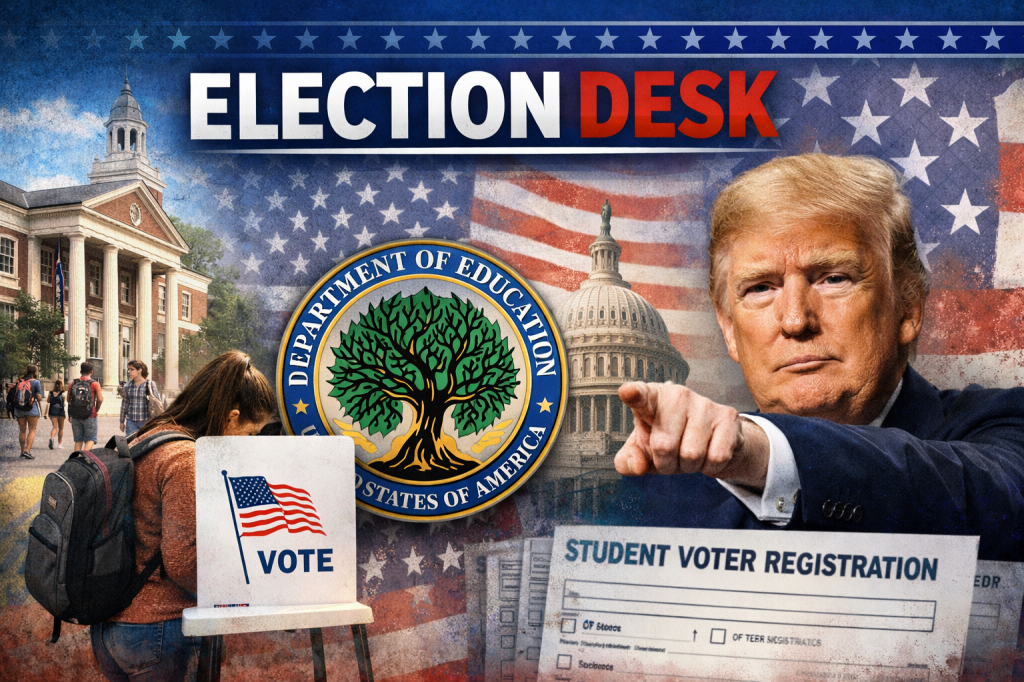
Department of Education Action Against College Voting Efforts Signals Broader Shift in Federal Voting Policy
The U.S. Department of Education has initiated an investigation into voter engagement efforts on college campuses, specifically targeting the National Study of Learning, Voting, and Engagement. This action raises concerns about potential violations of student privacy laws and could hinder voter registration leading up to the 2026 elections, affecting turnout especially among young voters.
-
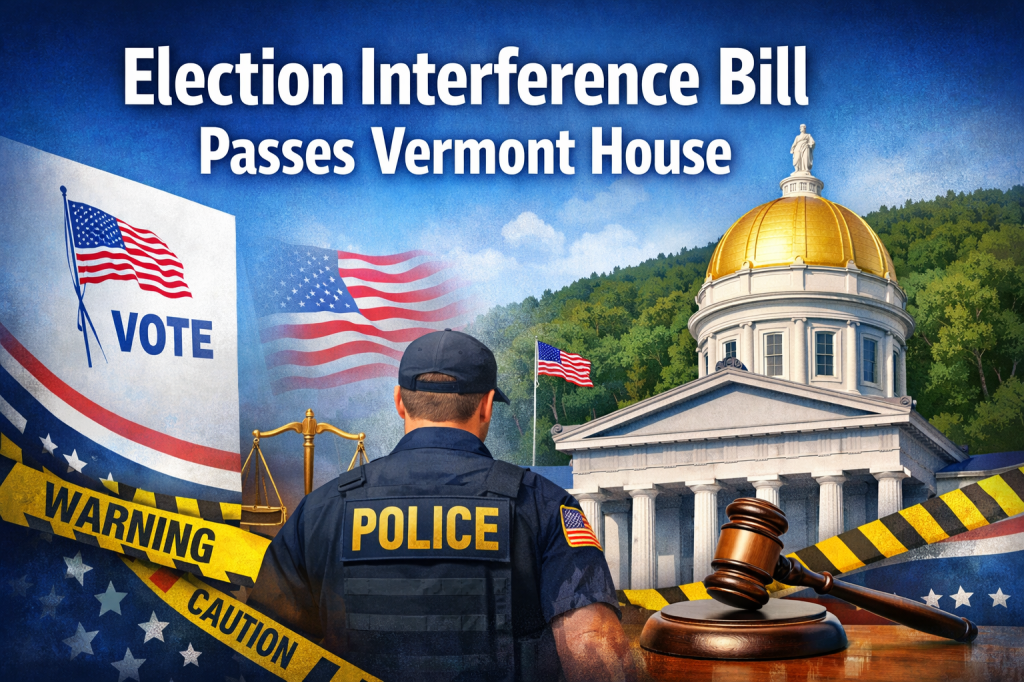
Vermont House Passes Bill Criminalizing Election Interference
The Vermont House of Representatives approved bill H. 541, aimed at strengthening protections against voter and election official interference. Sponsored by Representatives Ian Goodnow and Kate Nugent, the legislation expands criminal prohibitions, imposing penalties for intimidation and obstruction. It now moves to the Senate for further review and potential amendments.
-

Possible Elections Law Violation Flagged in Godwin Commissioner Race
A local commissioner race in Godwin, North Carolina, is being reviewed for potential violations of campaign finance laws. Discrepancies in campaign filings prompted oversight from election officials, but no formal charges or penalties have been made yet. The situation underscores the importance of compliance in maintaining public trust in elections.
-

Alabama House Advances Bill to Strip Phone Numbers from Voter Rolls
The Alabama Legislature passed House Bill 67, altering voter registration data handling by removing phone numbers from official lists and capping access costs at $1,000. The bill, aimed at protecting voter privacy and reducing robocalls, allows voters to opt in for phone number inclusion. It now goes to the Senate for consideration.
-
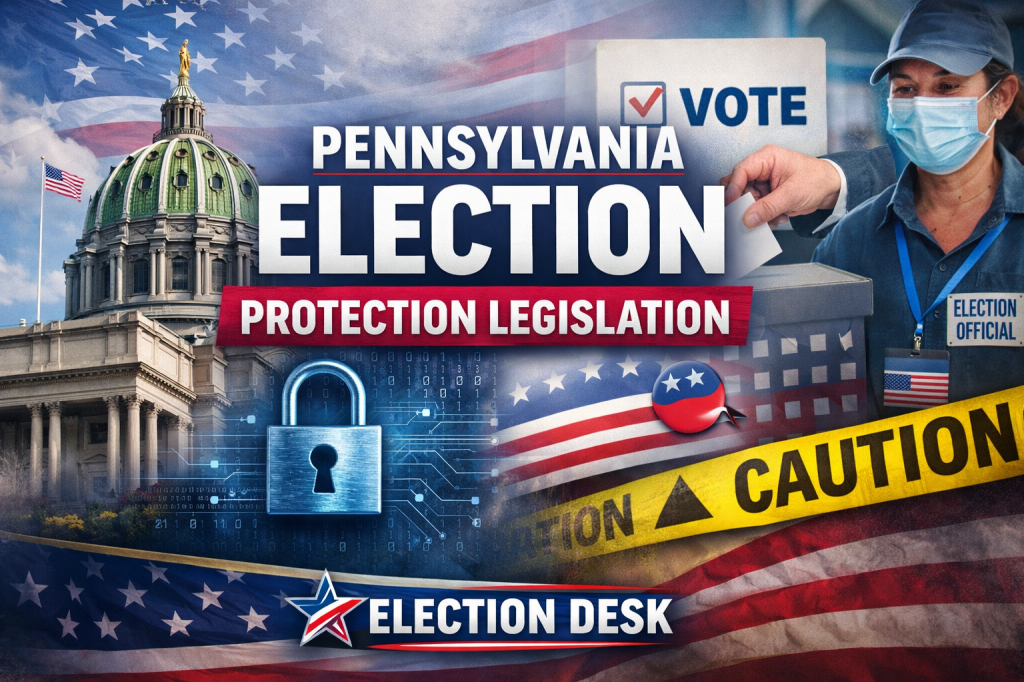
Pennsylvania Lawmakers Propose Election Protection Bill to Guard Voter Data and Shield Election Workers
A bipartisan group of Pennsylvania legislators has introduced the Protecting Voter Privacy and Pennsylvania Elections from Political Interference Act. This bill aims to secure voter privacy, state control over election systems, and shields election officials from political intimidation. It seeks to restore public confidence in elections amid ongoing debates about election integrity.
-
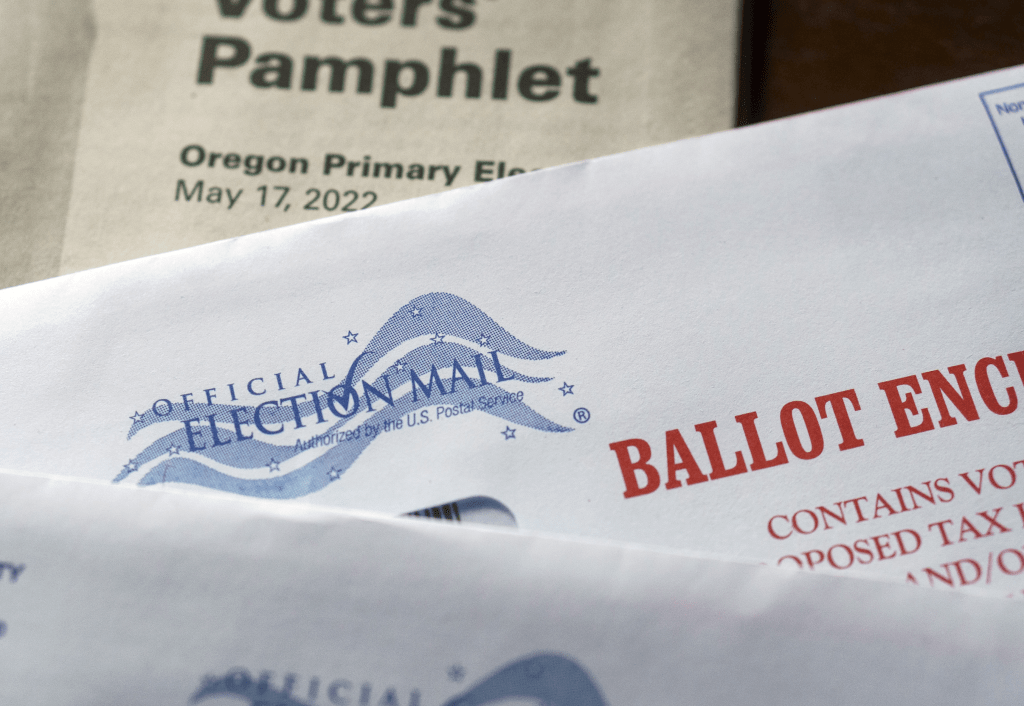
Oregon Lawmakers Debate Proposal to Open Primary Elections to All Voters
Oregon’s Legislature is considering a proposal to shift from a closed primary system to an open primary structure, allowing all registered voters, including nonaffiliated ones, to participate in candidate selection. Supporters argue it enhances voter participation and competition, while opponents worry about diminishing party control and potential voting confusion.
-
Maryland Lawmakers Advance Bills Targeting Election-Related Deepfake Deception
Maryland lawmakers are proposing legislation, House Bill 145 and Senate Bill 141, to limit deceptive AI-generated media in elections, addressing concerns over misleading “deepfake” content. The bills prohibit knowingly creating or sharing synthetic media intended to mislead voters while protecting free speech. They aim to address potential rapid misinformation in election cycles.
-

Secret Money, Loud Consequences: How Dark Cash Is Warping Democratic Primaries
Key Democratic primaries are increasingly influenced by secret money from Super PACs and outside spending groups, undermining voter agency and accountability. Despite Democrats’ public opposition to big money, these entities exploit opaque funding to shape electoral outcomes, raising concerns about the connection between candidates and constituents and the overall integrity of democracy.
-

U.S. Intelligence Oversight Office Investigated Voting Machines Used in Puerto Rico, Report Finds
A U.S. intelligence oversight investigation into voting machines in Puerto Rico was triggered by concerns about potential irregularities. While no evidence of foreign interference or compromised outcomes was found, the review raises questions about the role of intelligence agencies in election oversight and the balance between security and democratic accountability.
-
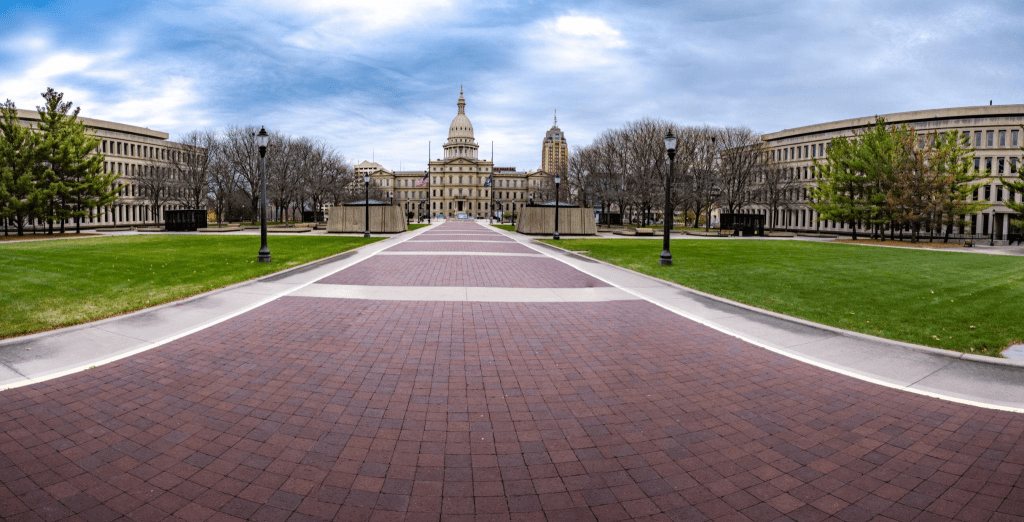
Michigan Group Claims Enough Signatures to Put Citizenship, Voter ID Question on 2026 Ballot
A conservative group in Michigan, Secure MI Vote, has gathered enough signatures for a proposed constitutional amendment to appear on the 2026 ballot. The amendment requires proof of U.S. citizenship and photo ID for voting. Supporters believe it enhances election security, while opponents fear it may restrict access and invite legal challenges.

