Author: Michael Phillips
-
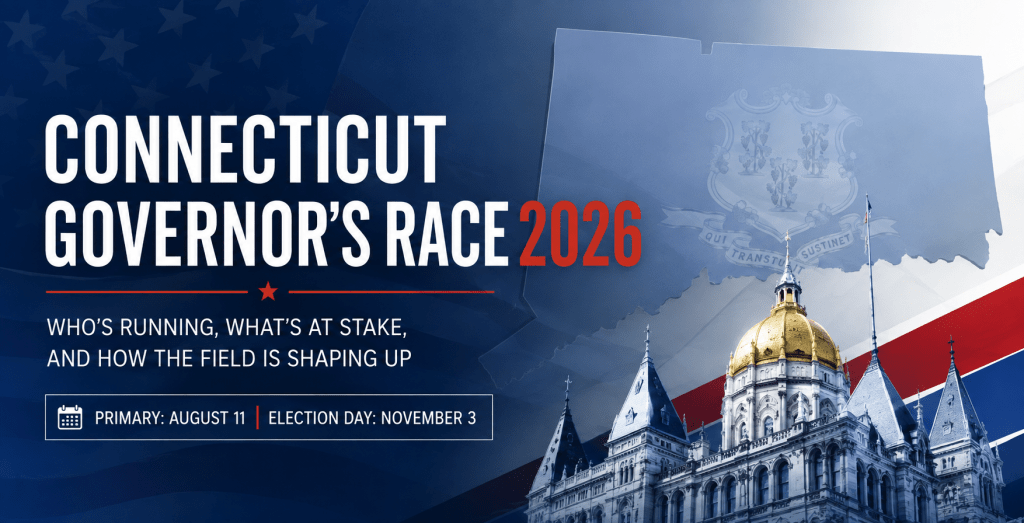
Connecticut Governor’s Race 2026: Who’s Running, What’s at Stake, and How the Field Is Shaping Up
Connecticut voters will decide on November 3 whether Governor Ned Lamont earns a third term. First, there will be a primary on August 11 where Lamont faces State Rep. Josh Elliott after winning 75% of delegate votes. Meanwhile, Republican Ryan Fazio is unopposed for his party’s nomination. Polls indicate Lamont is favored.
-
Who Is Running for Governor of New York in 2026?
New York’s gubernatorial election is set for November 3, 2026, with Democratic Governor Kathy Hochul and Republican Bruce Blakeman as candidates, following uncontested primaries. Hochul’s running mate is Adrienne Adams, making history as an all-woman ticket. Polls show fluctuating leads, and minor party candidates will also appear on the ballot.
-
Ohio’s Senate Special Election: An Appointed Incumbent Faces His First Real Test
Ohio is preparing for its first U.S. Senate special election since 1954, featuring Republican Sen. Jon Husted, appointed in January 2025, facing off against former Democratic Sen. Sherrod Brown. The race is competitive and crucial for both parties, with polls showing no clear favorite, leading to substantial campaign spending ahead of the November 3 election.
-
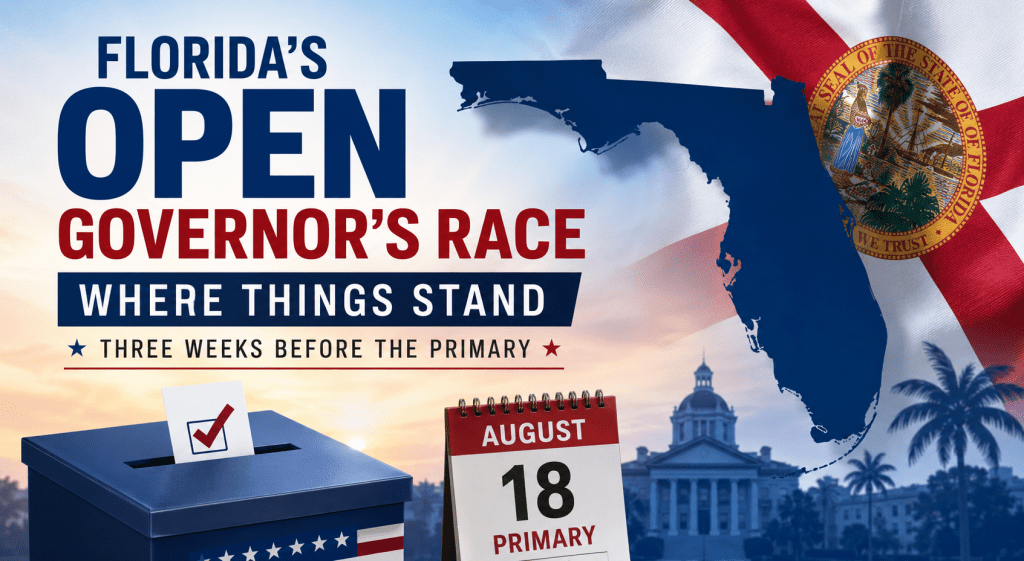
Florida’s Open Governor’s Race: Where Things Stand Three Weeks Before the Primary
Florida is gearing up for its first open governor’s race in eight years, with Republican frontrunner Byron Donalds significantly leading the primary, backed by substantial fundraising and Trump’s endorsement. The Democratic primary has solidified around David Jolly after rival Jerry Demings withdrew. The primary is set for August 18, with the general election on November…
-
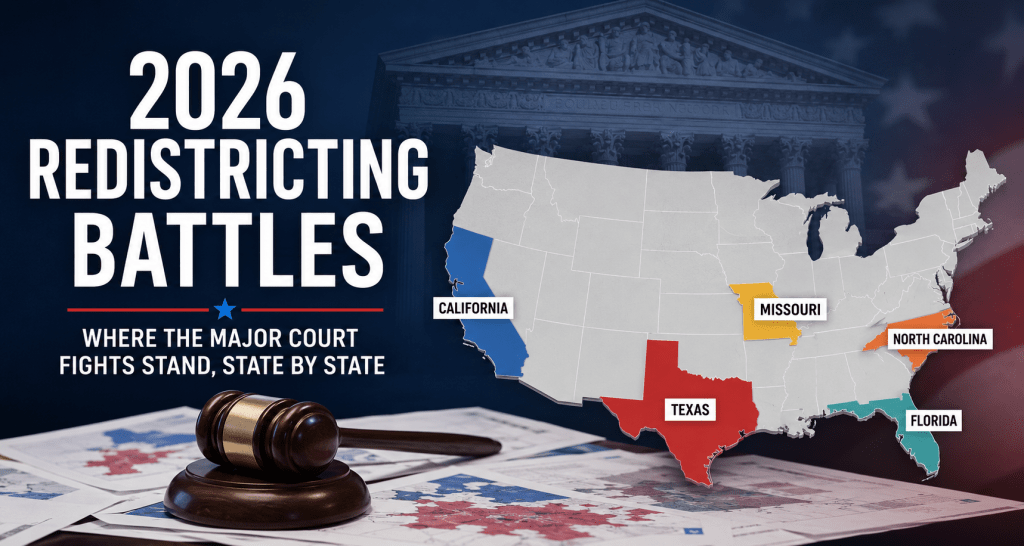
Where the 2026 Redistricting Battles Stand, State by State
—
by
Mid-decade redistricting has affected more states recently, prompting legal disputes related to congressional maps as the 2026 elections approach. Key developments include Texas and California’s map adjustments passing legal scrutiny while North Carolina and Missouri face ongoing challenges. The Supreme Court’s recent ruling on Louisiana’s map may impact future gerrymandering cases.
-

Federal Court Rejects DOJ Bid to Access New Jersey’s Full Voter Roll
A New Jersey federal judge dismissed the DOJ’s lawsuit for the state’s unredacted voter registration list, stating the federal law cited does not permit such requests. This ruling highlights legal limits on federal access to voter data, impacting similar cases across the nation as the DOJ continues its efforts to obtain voter information.
-

Why Georgia’s 13th District Special Election Is Headed to a Runoff — and What Happens Next
Voters in Georgia’s 13th Congressional District selected candidates for a special election to replace the late Rep. David Scott, but no candidate achieved the required 50 percent majority. This results in a runoff on August 25 between Marcye Scott and Everton Blair, both Democrats, to temporarily occupy the seat.
-
How a Single Election Can Reshape Government for a Decade
Down-ballot races, often overlooked during elections, hold significant power in shaping long-term governance. These positions influence judicial decisions, redistricting, election administration, regulatory policies, and legal challenges. With impacts that last beyond election cycles and presidencies, these elections quietly define the political landscape for a decade or more, underscoring their importance.
-
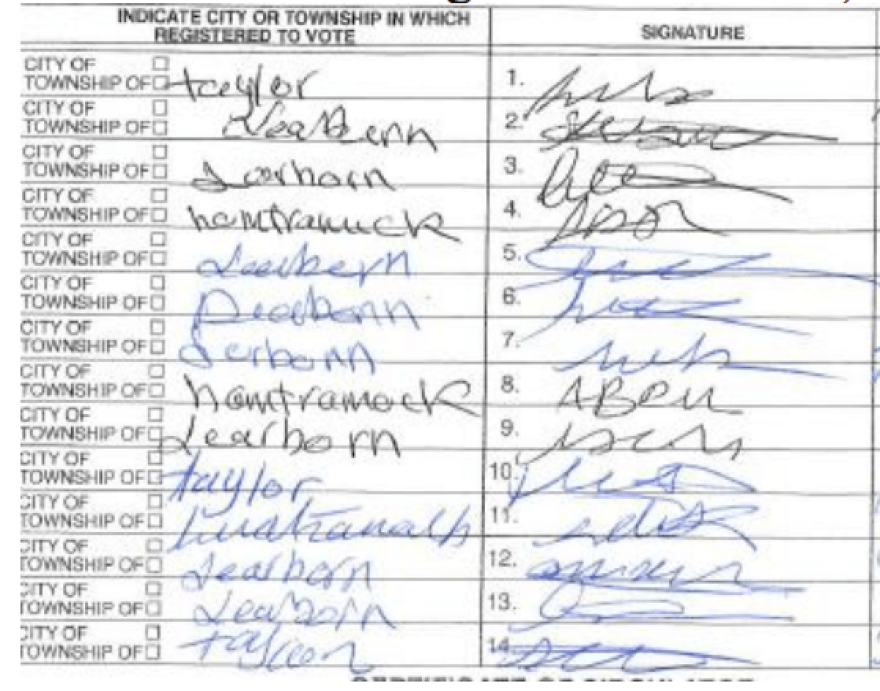
Michigan Ballot Fraud Case Ends in Mixed Verdicts After 2022 Scheme
A Michigan jury reached mixed verdicts in an election fraud case involving schemes that disqualified eight Republican candidates from the 2022 primary ballot. One defendant was acquitted, while two were convicted for participating in a fraudulent petition signature operation. The case underscores concerns about ballot access integrity and election security.
-
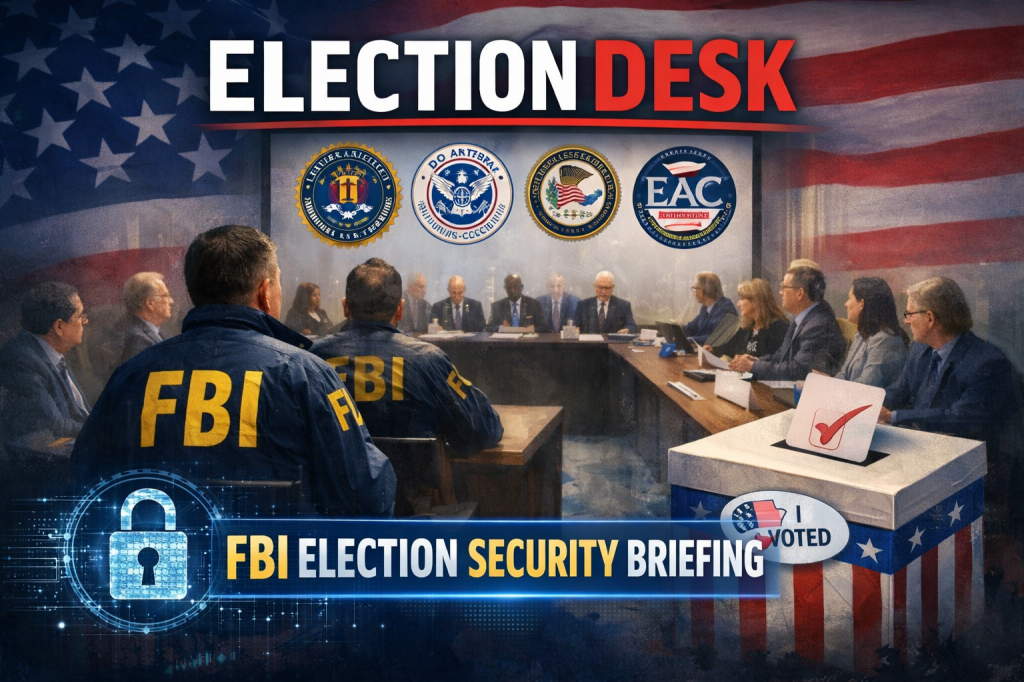
FBI National Outreach to Election Officials Sparks Political Debate Ahead of 2026 Midterms
The FBI has invited U.S. election officials to a briefing on February 25 to discuss preparations for the 2026 midterm elections, prompting concern over federal involvement in historically state-run elections. The outreach occurs amidst heightened scrutiny of federal roles following past controversies, influencing perceptions of election integrity and public trust.

