Category: Election Law & Process
-
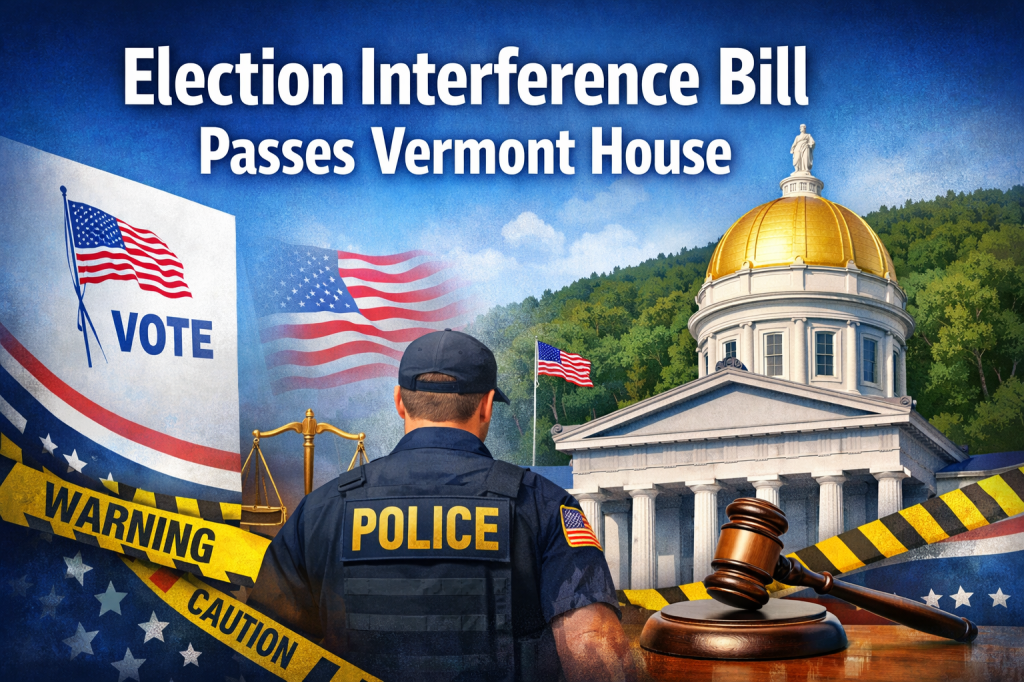
Vermont House Passes Bill Criminalizing Election Interference
The Vermont House of Representatives approved bill H. 541, aimed at strengthening protections against voter and election official interference. Sponsored by Representatives Ian Goodnow and Kate Nugent, the legislation expands criminal prohibitions, imposing penalties for intimidation and obstruction. It now moves to the Senate for further review and potential amendments.
-

Alabama House Advances Bill to Strip Phone Numbers from Voter Rolls
The Alabama Legislature passed House Bill 67, altering voter registration data handling by removing phone numbers from official lists and capping access costs at $1,000. The bill, aimed at protecting voter privacy and reducing robocalls, allows voters to opt in for phone number inclusion. It now goes to the Senate for consideration.
-
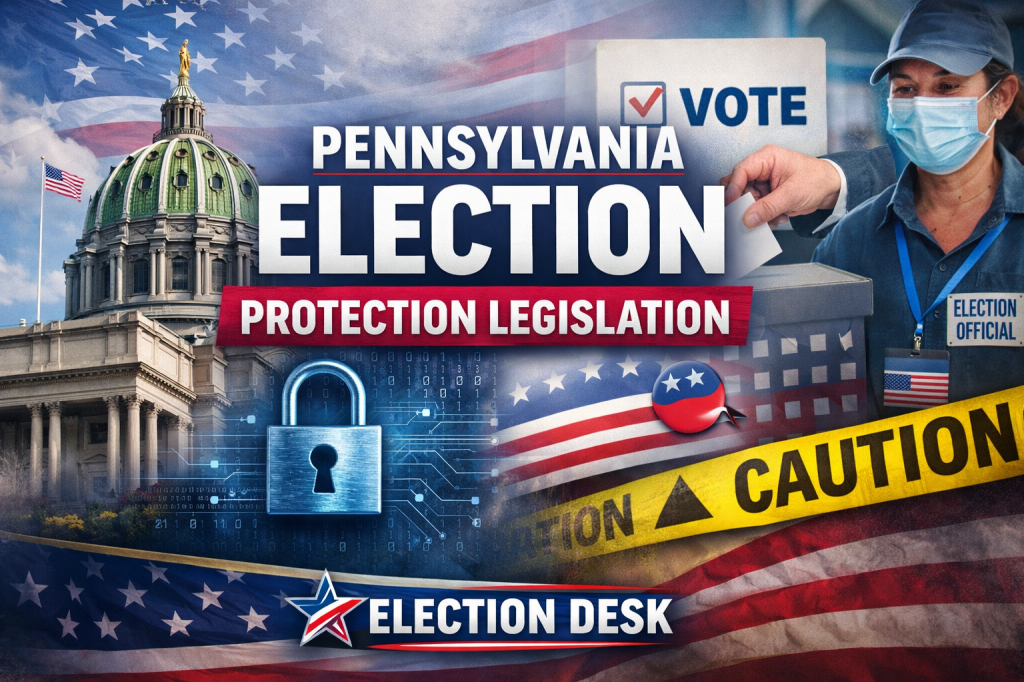
Pennsylvania Lawmakers Propose Election Protection Bill to Guard Voter Data and Shield Election Workers
A bipartisan group of Pennsylvania legislators has introduced the Protecting Voter Privacy and Pennsylvania Elections from Political Interference Act. This bill aims to secure voter privacy, state control over election systems, and shields election officials from political intimidation. It seeks to restore public confidence in elections amid ongoing debates about election integrity.
-
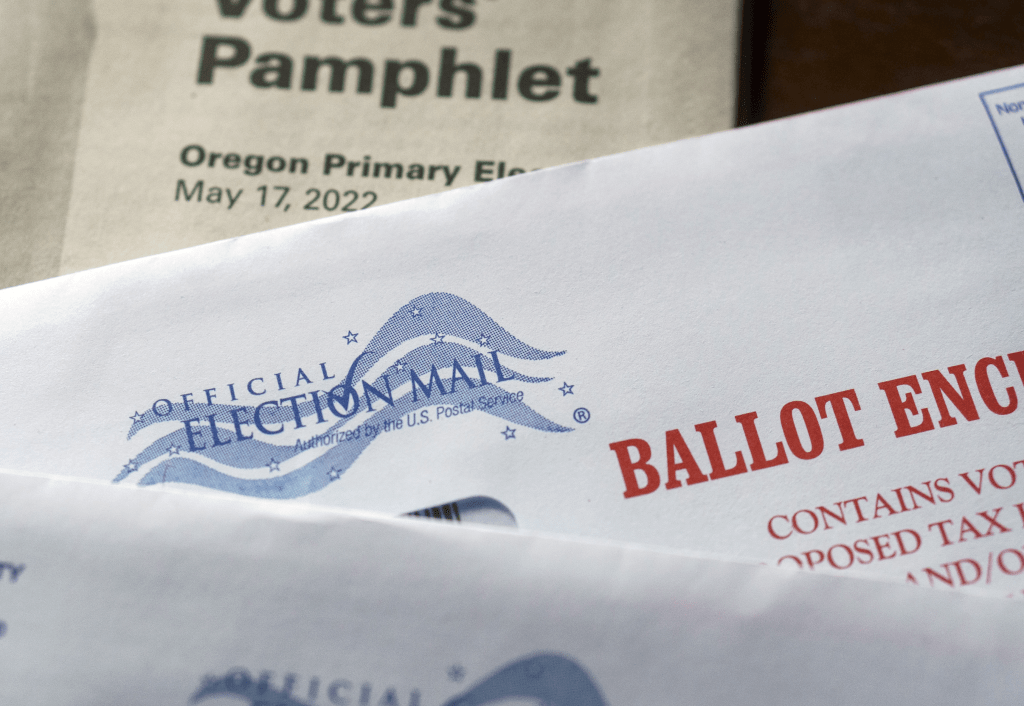
Oregon Lawmakers Debate Proposal to Open Primary Elections to All Voters
Oregon’s Legislature is considering a proposal to shift from a closed primary system to an open primary structure, allowing all registered voters, including nonaffiliated ones, to participate in candidate selection. Supporters argue it enhances voter participation and competition, while opponents worry about diminishing party control and potential voting confusion.
-
Maryland Lawmakers Advance Bills Targeting Election-Related Deepfake Deception
Maryland lawmakers are proposing legislation, House Bill 145 and Senate Bill 141, to limit deceptive AI-generated media in elections, addressing concerns over misleading “deepfake” content. The bills prohibit knowingly creating or sharing synthetic media intended to mislead voters while protecting free speech. They aim to address potential rapid misinformation in election cycles.
-
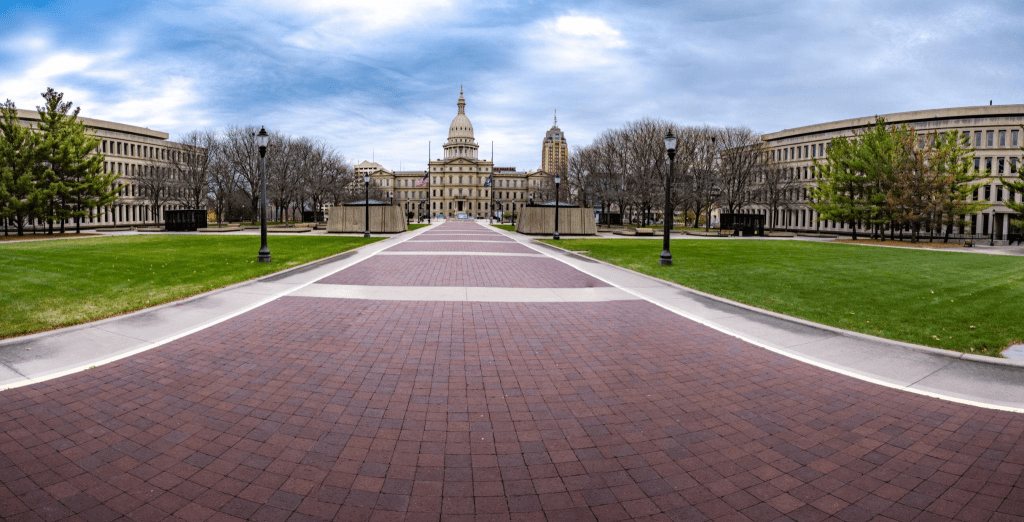
Michigan Group Claims Enough Signatures to Put Citizenship, Voter ID Question on 2026 Ballot
A conservative group in Michigan, Secure MI Vote, has gathered enough signatures for a proposed constitutional amendment to appear on the 2026 ballot. The amendment requires proof of U.S. citizenship and photo ID for voting. Supporters believe it enhances election security, while opponents fear it may restrict access and invite legal challenges.
-
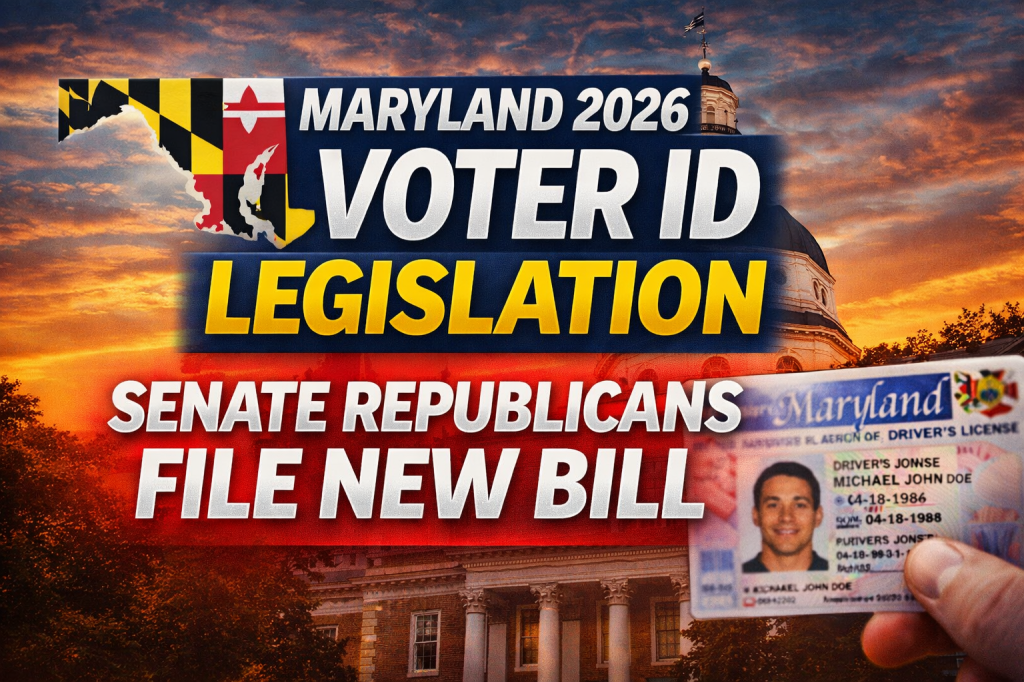
Maryland Voter ID Debate Returns as Republicans File New Bill
Maryland’s current voting laws do not require photo ID for most voters, but a new Republican proposal seeks to change this by mandating government-issued identification before voting. Supporters argue it enhances election security, while critics warn it may disenfranchise marginalized voters. The bill awaits further legislative action.
-

Virginia Democrats Unveil Aggressive 10–1 Congressional Map as Courts Weigh Redistricting Authority
Virginia Democrats have proposed a “10–1 map” to reshape congressional districts, aiming to secure 10 of 11 House seats. This proposal comes amid legal uncertainty as Virginia’s courts question their role in redistricting. The outcomes may significantly influence the 2026 elections and future redistricting processes nationally.
-

When the Court Steps Aside: California’s Mid-Decade Redistricting and Its National Implications
The U.S. Supreme Court allowed California’s revised congressional map to take effect for the 2026 elections, highlighting ongoing issues in redistricting. While it declined to rule on mid-cycle redistricting’s constitutionality, the decision may encourage other states to explore similar changes. Future challenges will likely focus on concrete violations rather than partisan motives.
-
Iowa Election Law “Tweaks” Advance Through State House Amid Broader 2026 Legislative Activity
A bill proposing changes to Iowa’s election laws has advanced in the House, aiming to streamline candidate petition processes by shifting responsibility to county auditors. Advocates emphasize efficiency and integrity ahead of the 2026 elections, while critics express concerns about the political implications. The proposal still requires further legislative approval.
 Election Desk