Category: Election Law & Process
-
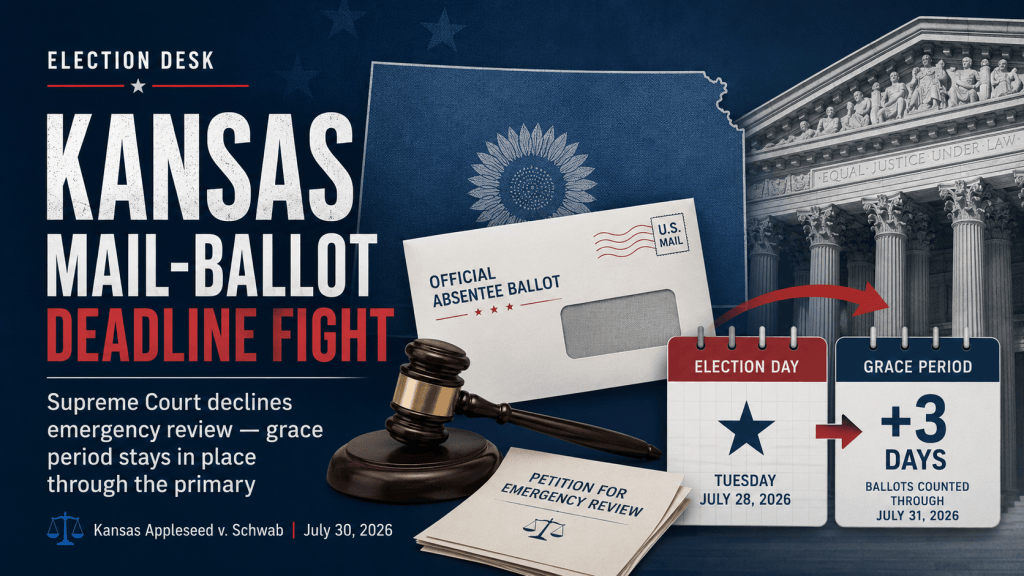
Kansas Supreme Court Declines Emergency Review of Mail-Ballot Grace Period Case, Leaving Injunction in Place Through the Primary
The Kansas Supreme Court declined an emergency appeal from Secretary of State Scott Schwab, upholding a district court’s injunction that reinstates a three-day grace period for mail ballots ahead of the August 4 primary. The case’s constitutional issues regarding Senate Bill 4 remain unresolved as it continues in the Court of Appeals.
-
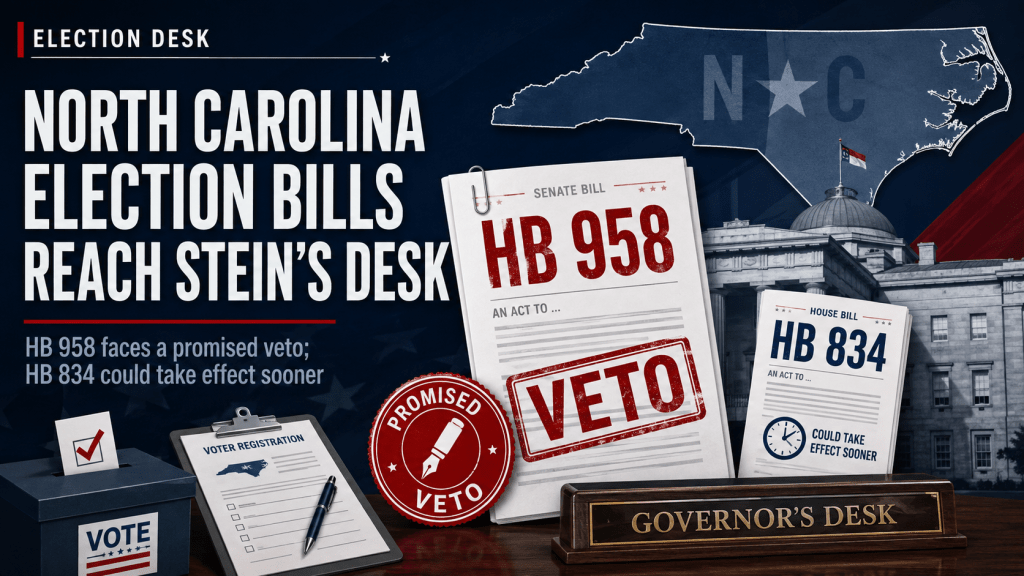
North Carolina Lawmakers Send Two Election Bills to Stein’s Desk; Governor Signals Veto of the Larger One
On August 4, North Carolina’s General Assembly approved two election bills, HB 958 reducing early voting and HB 834 focusing on administrative changes. Governor Josh Stein plans to veto HB 958, citing voter access concerns, while HB 834 faces no veto threat. Most of HB 958’s provisions will start in 2027.
-
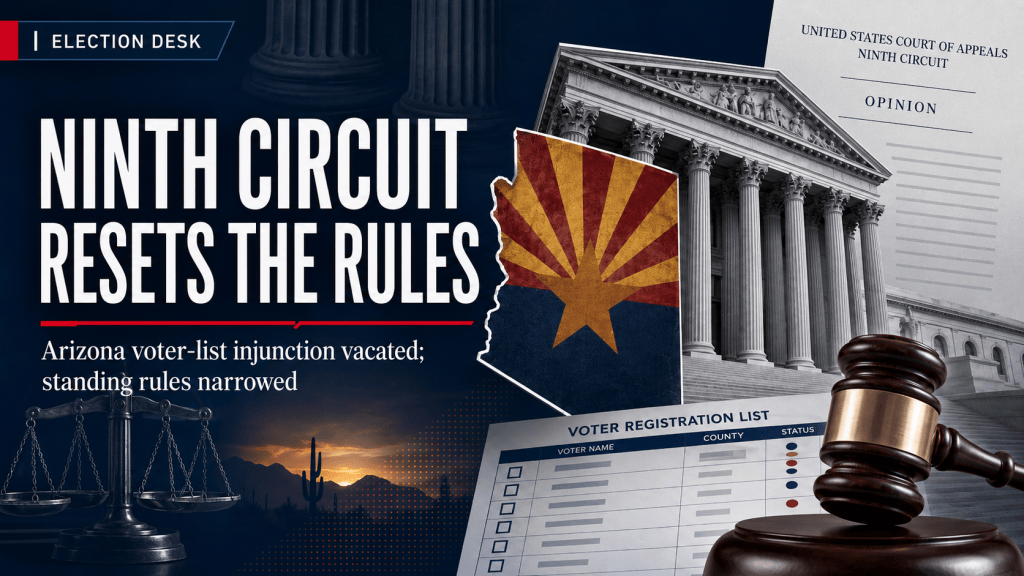
Ninth Circuit, Sitting En Banc, Vacates Injunction on Arizona Voter-List Provisions, Narrows Standing Rules
The Ninth Circuit Court ruled that Arizona’s lower court incorrectly blocked provisions of a 2022 election law regarding voter registration. The court found that advocacy organizations lacked standing to challenge one provision but had standing for another, resulting in different outcomes. Precedent related to organizational standing was overruled, impacting future litigations.
-

Maryland’s Redistricting Amendment Faces a Ballot-Deadline Lawsuit — Here’s the Case Being Made on Both Sides
A lawsuit in Maryland aims to remove a congressional redistricting amendment, HB 2100, from the November ballot, claiming the General Assembly missed its certification deadline. While the timing is disputed, the amendment would change the rules for congressional map-drawing, potentially benefiting the Democratic majority before 2028 elections.
-
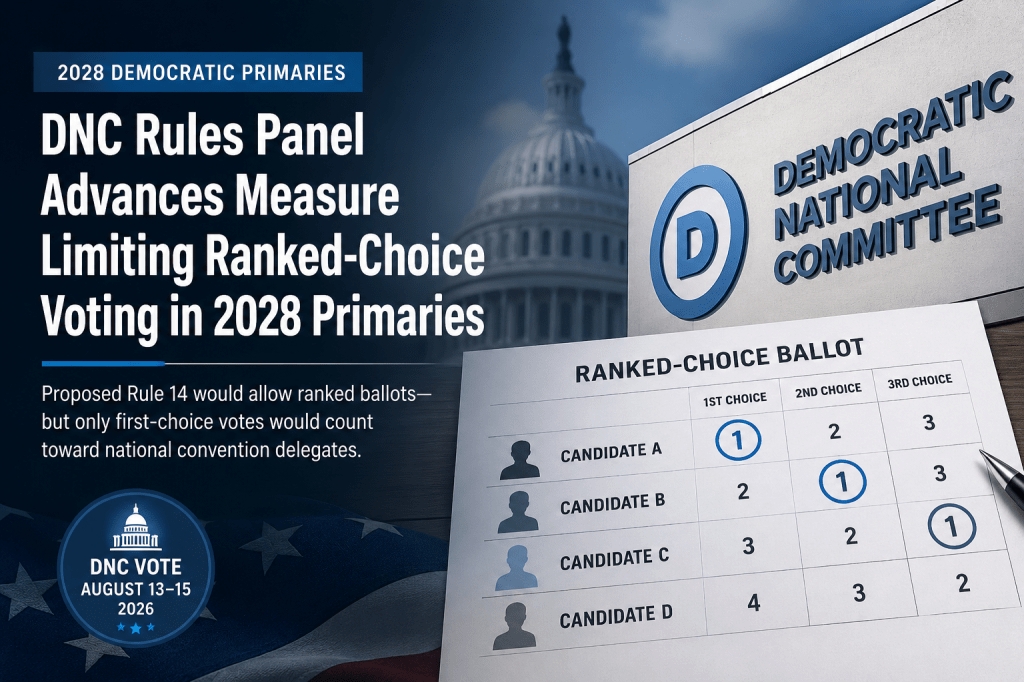
DNC Rules Panel Advances Measure Limiting Ranked-Choice Voting in 2028 Primaries
The Democratic National Committee’s Rules and Bylaws Committee aims to prevent ranked-choice voting from impacting delegate allocation for the 2028 presidential primary, despite state requirements. The full DNC will consider this recommendation at an upcoming meeting, with implications for states like Maine and Washington, D.C., that mandate ranked ballots.
-

How the SAVE Act Would Actually Change Voter Registration — And Why It’s Not the Only Citizenship Fight in Court
The article discusses two approaches to citizenship verification for voter registration in Washington: the SAVE Act, a stalled bill in Congress aimed at requiring documentary proof of citizenship, and a presidential executive order affecting mail ballots, currently under legal scrutiny. Both efforts seek to ensure only citizens vote, but operate through distinct legal pathways.
-
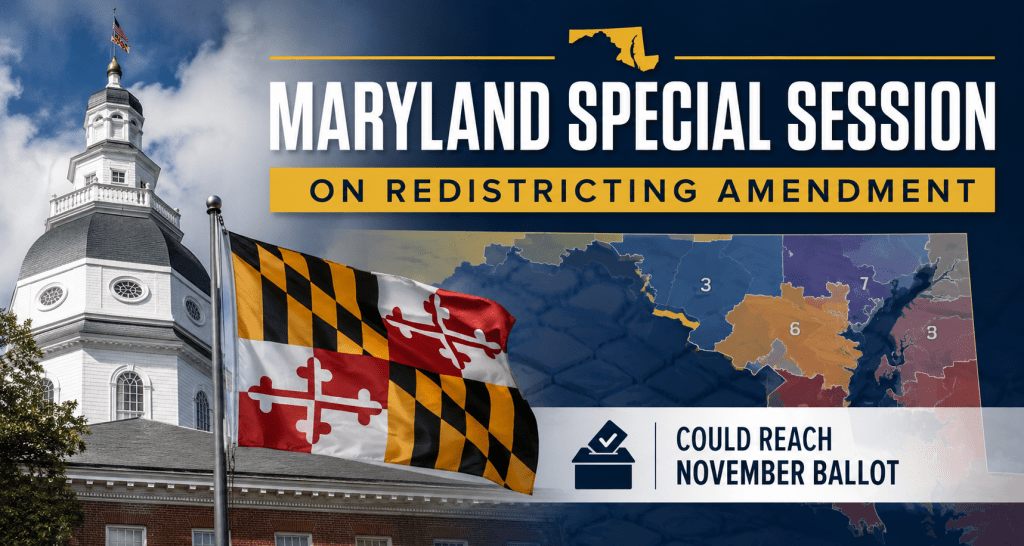
Maryland Lawmakers Convene Special Session Monday on a Constitutional Amendment That Could Reach the November Ballot
Maryland’s General Assembly begins a special session on August 3 to consider a proposed constitutional amendment affecting future congressional redistricting standards. While no new map will be drawn, the amendment aims to clarify legal frameworks governing redistricting and potentially expedite judicial review of disputes. Voter approval is sought for the ballot in 2026.
-
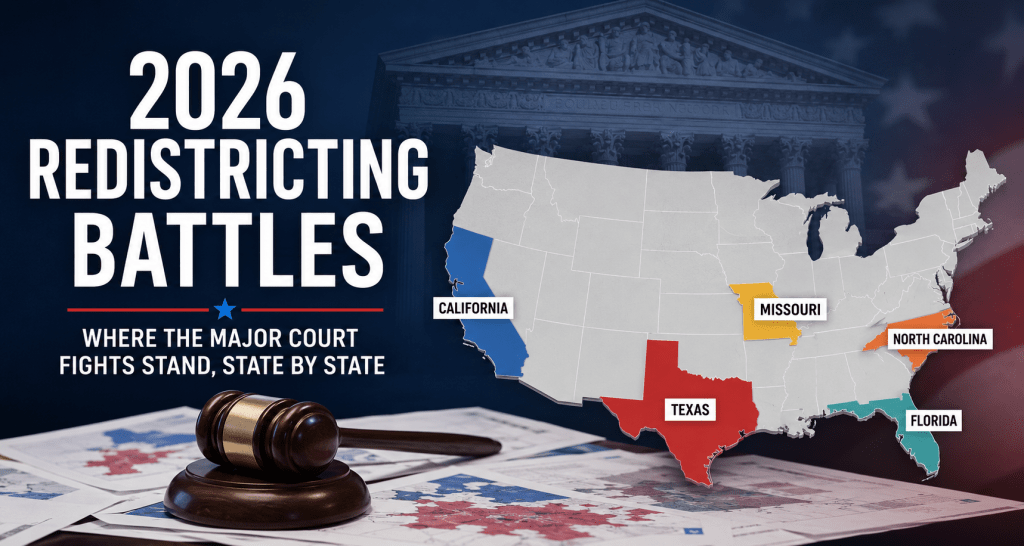
Where the 2026 Redistricting Battles Stand, State by State
—
by
Mid-decade redistricting has affected more states recently, prompting legal disputes related to congressional maps as the 2026 elections approach. Key developments include Texas and California’s map adjustments passing legal scrutiny while North Carolina and Missouri face ongoing challenges. The Supreme Court’s recent ruling on Louisiana’s map may impact future gerrymandering cases.
-

Federal Court Rejects DOJ Bid to Access New Jersey’s Full Voter Roll
A New Jersey federal judge dismissed the DOJ’s lawsuit for the state’s unredacted voter registration list, stating the federal law cited does not permit such requests. This ruling highlights legal limits on federal access to voter data, impacting similar cases across the nation as the DOJ continues its efforts to obtain voter information.
-
Vermont House Passes Bill Criminalizing Election Interference
The Vermont House of Representatives approved bill H. 541, aimed at strengthening protections against voter and election official interference. Sponsored by Representatives Ian Goodnow and Kate Nugent, the legislation expands criminal prohibitions, imposing penalties for intimidation and obstruction. It now moves to the Senate for further review and potential amendments.

