Category: Election Law & Process
-
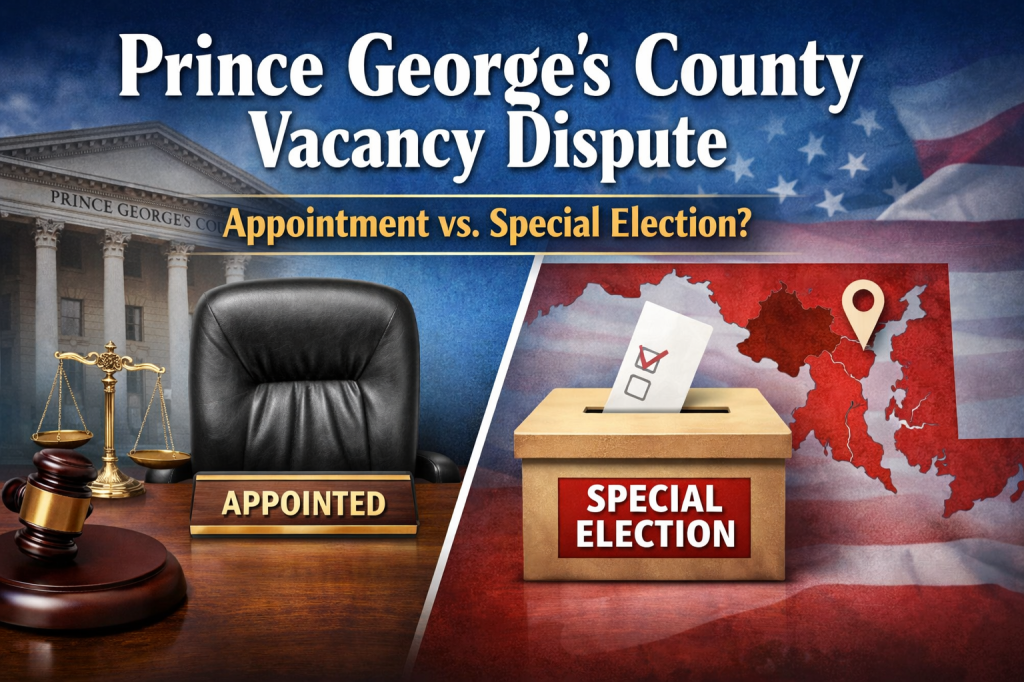
Prince George’s County Lawsuit Raises Questions About Appointment vs. Election Rules
A lawsuit by Prince George’s County residents challenges the council’s decision to appoint a replacement for an at-large seat instead of holding a special election, claiming it violates the county charter. The case raises questions about appointment authority, vacancy timing, and implications for voter representation and election administration across Maryland.
-
Maryland Campaign Finance Explained: How Exploratory Committees Became a Regulatory Blind Spot
Maryland’s campaign finance system, known for its structured disclosure requirements, faces scrutiny regarding the exploratory phase of candidacy. Currently, regulations allow fundraising without registration or donor disclosure prior to official declarations. Proposed bills HB 157 and SB 65 aim to define exploratory committees, enforce transparency, and align pre-candidacy fundraising with existing rules.
-
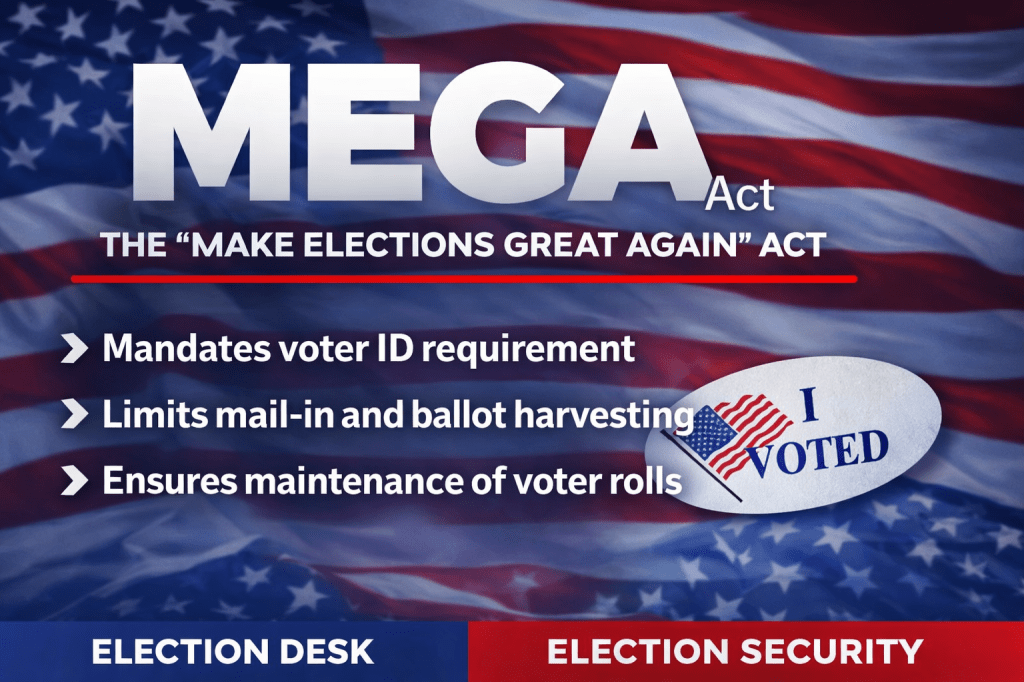
Republicans Unveil ‘Make Elections Great Again’ Act: What It Would Do and Why It Matters
Republicans unveiled the Make Elections Great Again Act (MEGA Act), aimed at establishing national standards for federal elections to enhance voter confidence and security. The bill requires photo IDs, new voter registration criteria, and stricter ballot regulations. Critics argue it risks voter access, particularly for marginalized groups, intensifying debates ahead of the 2026 midterms.
-
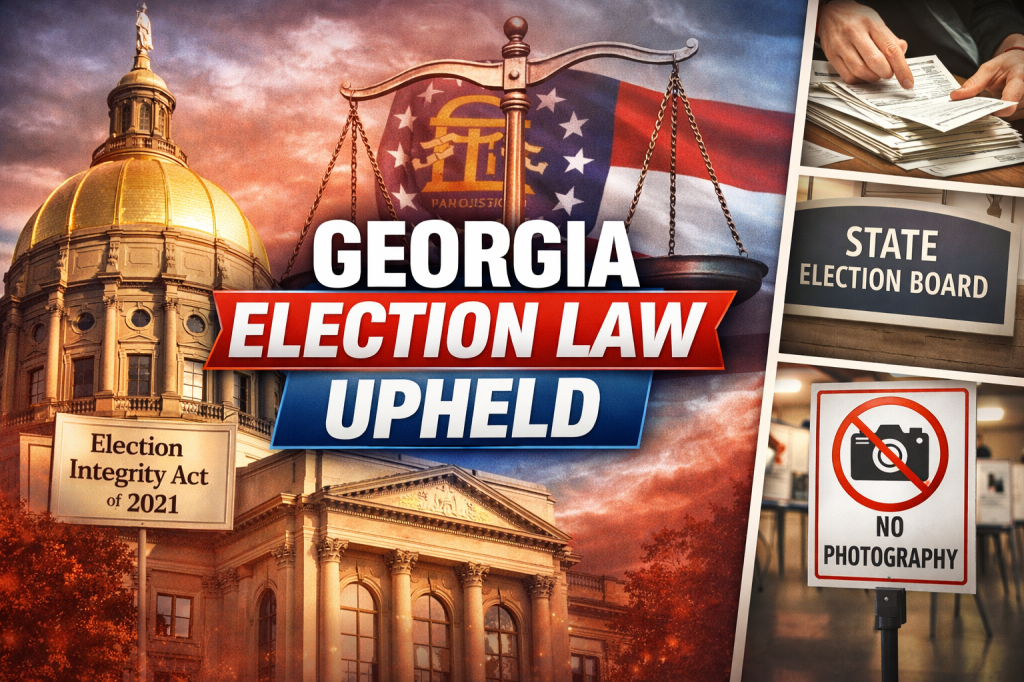
Federal Appeals Court Upholds Key Provisions of Georgia’s Election Law
A federal appeals court upheld key components of Georgia’s 2021 election law, including state authority over local election administration and a ban on ballot photography at polling places. The unanimous ruling found plaintiffs lacked legal standing, preserving the provisions amid ongoing legal challenges and debates over election integrity and voter access.
-
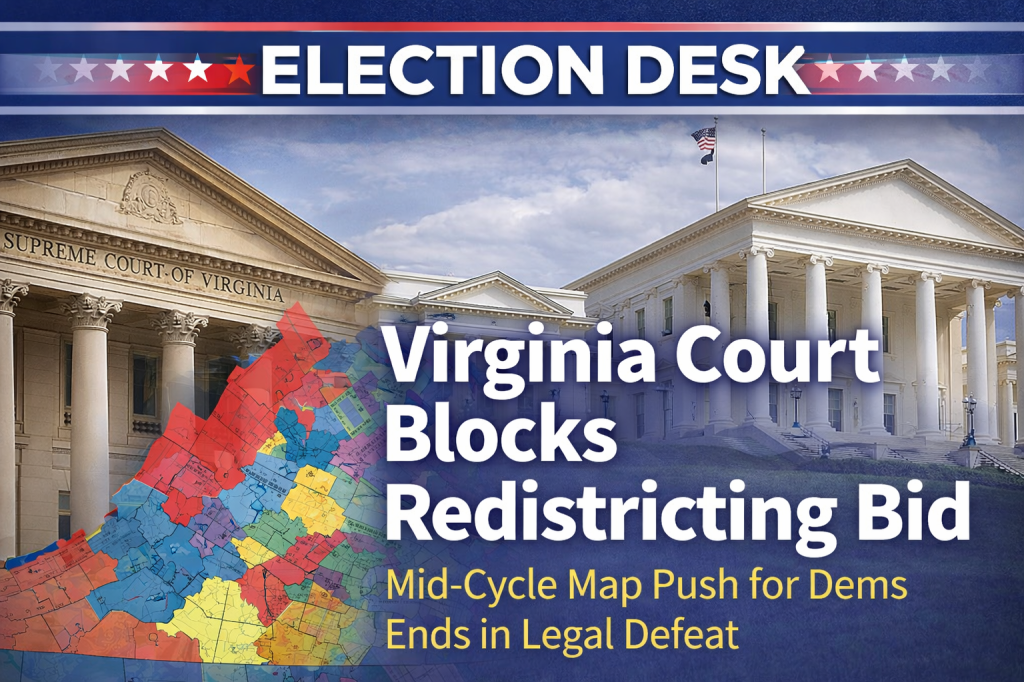
Virginia Court Stops Mid-Cycle Redistricting Push
A Virginia court has blocked a Democratic proposal for a mid-decade redistricting amendment intended for the 2026 elections, citing noncompliance with state constitutional procedures. Judge Jack Hurley Jr. found that the amendment failed to meet required notice and timing obligations. Democrats plan to appeal, but current congressional maps will remain unchanged for 2026.
-
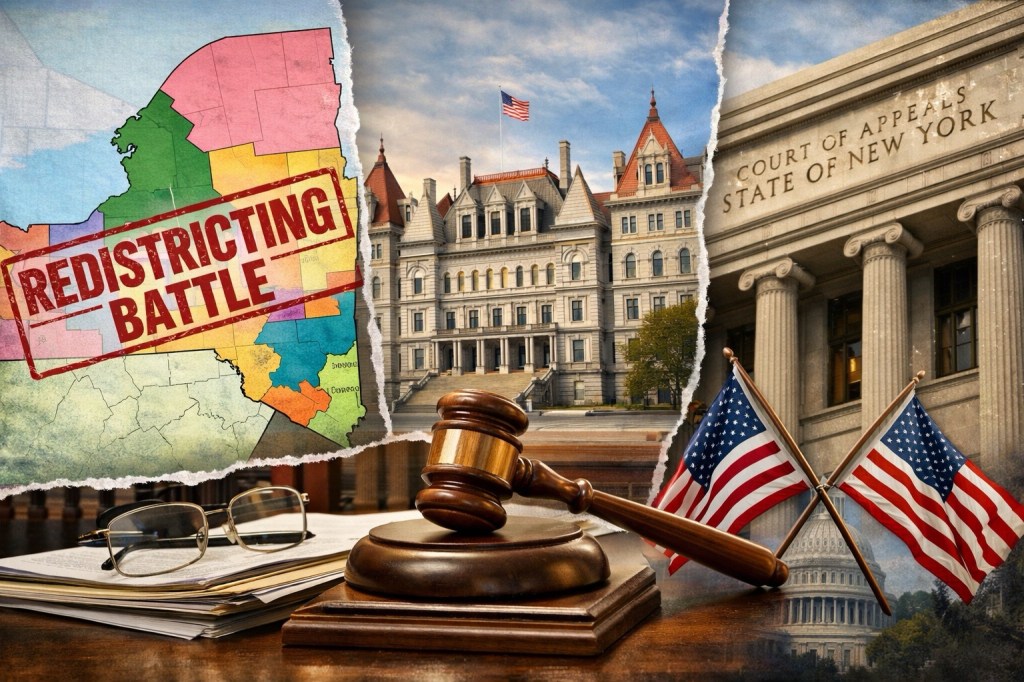
New York’s Redistricting Fight Escalates After Court Ruling
A court ruling has pushed New York back toward redistricting chaos, exposing the flaws in a system sold as “independent” but engineered to collapse. Once again, judges—not voters—may decide the map, raising serious questions about accountability, legitimacy, and democratic trust.
-
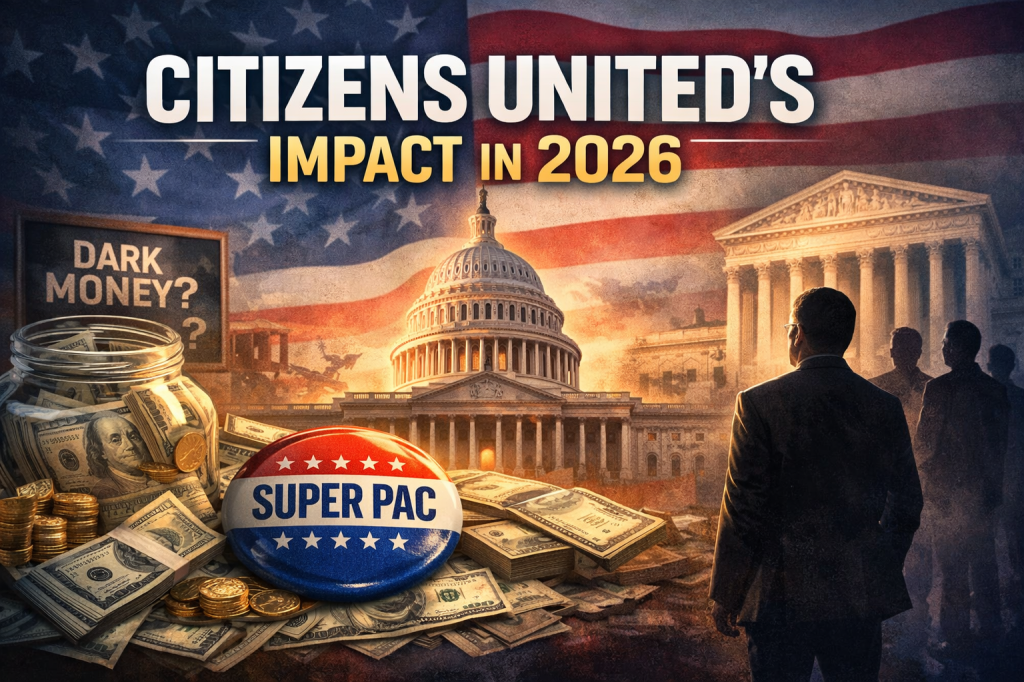
Citizens United’s Enduring Influence: How the 2010 Decision Still Shapes American Elections in 2026
On January 21, 2010, the Supreme Court’s ruling in Citizens United v. FEC allowed unlimited corporate and union spending in federal elections, reshaping campaign finance. This decision led to the rise of super PACs and dark money, raising concerns about transparency and voter influence as the political landscape faces ongoing challenges and calls for reform…
-
Vermont Lawmakers Move to Codify Voting Rights in State Law Amid National Uncertainty
Democratic lawmakers in Vermont proposed the Vermont Voting Rights Act to embed federal voting protections into state law amidst national concerns about voting rights. The bill aims to expand access for historically underrepresented groups, enhance voter protections, and counteract potential federal rollbacks. It is set for legislative consideration soon.
-
Ohio Lawmakers Propose Making Election Day a State Holiday
Ohio lawmakers have introduced a bill to designate Election Day as a state holiday to enhance voter access. Proponents argue it would alleviate work-related barriers, especially for low-income workers, while opponents cite concerns over costs and effectiveness. The proposal is set for committee review, highlighting ongoing discussions on voter participation.
-
Utah’s 2026 Legislative Session Begins With Election Law Changes on the Table
Utah’s 2026 legislative session is focusing on election law reforms, highlighted by House Bill 209, which seeks to establish a proof of U.S. citizenship requirement for voting. These changes, alongside previous reforms to mail-in voting, have ignited debates over election administration and voter accessibility, with significant implications for the upcoming elections.
 Election Desk