Category: Location
-

Federal Court Rejects DOJ Bid to Access New Jersey’s Full Voter Roll
A New Jersey federal judge dismissed the DOJ’s lawsuit for the state’s unredacted voter registration list, stating the federal law cited does not permit such requests. This ruling highlights legal limits on federal access to voter data, impacting similar cases across the nation as the DOJ continues its efforts to obtain voter information.
-

Why Georgia’s 13th District Special Election Is Headed to a Runoff — and What Happens Next
Voters in Georgia’s 13th Congressional District selected candidates for a special election to replace the late Rep. David Scott, but no candidate achieved the required 50 percent majority. This results in a runoff on August 25 between Marcye Scott and Everton Blair, both Democrats, to temporarily occupy the seat.
-
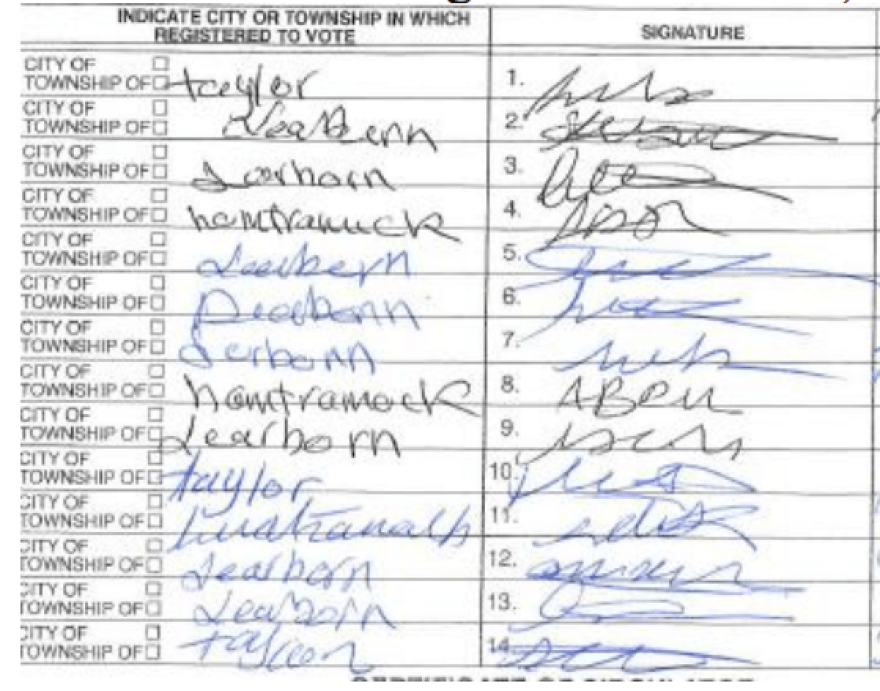
Michigan Ballot Fraud Case Ends in Mixed Verdicts After 2022 Scheme
A Michigan jury reached mixed verdicts in an election fraud case involving schemes that disqualified eight Republican candidates from the 2022 primary ballot. One defendant was acquitted, while two were convicted for participating in a fraudulent petition signature operation. The case underscores concerns about ballot access integrity and election security.
-
FBI National Outreach to Election Officials Sparks Political Debate Ahead of 2026 Midterms
The FBI has invited U.S. election officials to a briefing on February 25 to discuss preparations for the 2026 midterm elections, prompting concern over federal involvement in historically state-run elections. The outreach occurs amidst heightened scrutiny of federal roles following past controversies, influencing perceptions of election integrity and public trust.
-
Department of Education Action Against College Voting Efforts Signals Broader Shift in Federal Voting Policy
The U.S. Department of Education has initiated an investigation into voter engagement efforts on college campuses, specifically targeting the National Study of Learning, Voting, and Engagement. This action raises concerns about potential violations of student privacy laws and could hinder voter registration leading up to the 2026 elections, affecting turnout especially among young voters.
-
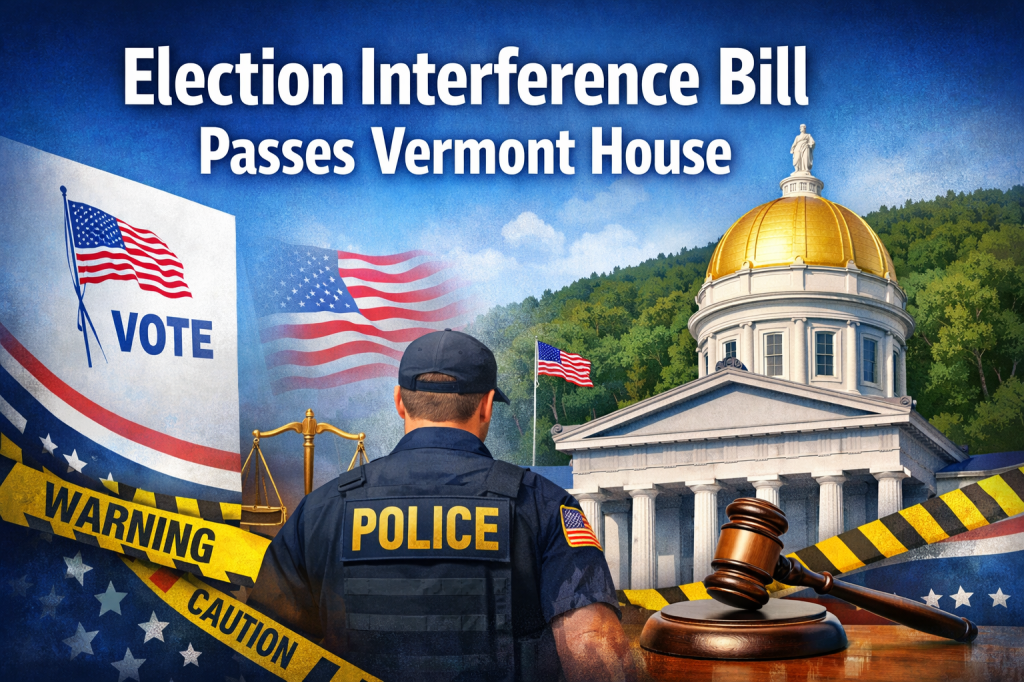
Vermont House Passes Bill Criminalizing Election Interference
The Vermont House of Representatives approved bill H. 541, aimed at strengthening protections against voter and election official interference. Sponsored by Representatives Ian Goodnow and Kate Nugent, the legislation expands criminal prohibitions, imposing penalties for intimidation and obstruction. It now moves to the Senate for further review and potential amendments.
-

Possible Elections Law Violation Flagged in Godwin Commissioner Race
A local commissioner race in Godwin, North Carolina, is being reviewed for potential violations of campaign finance laws. Discrepancies in campaign filings prompted oversight from election officials, but no formal charges or penalties have been made yet. The situation underscores the importance of compliance in maintaining public trust in elections.
-
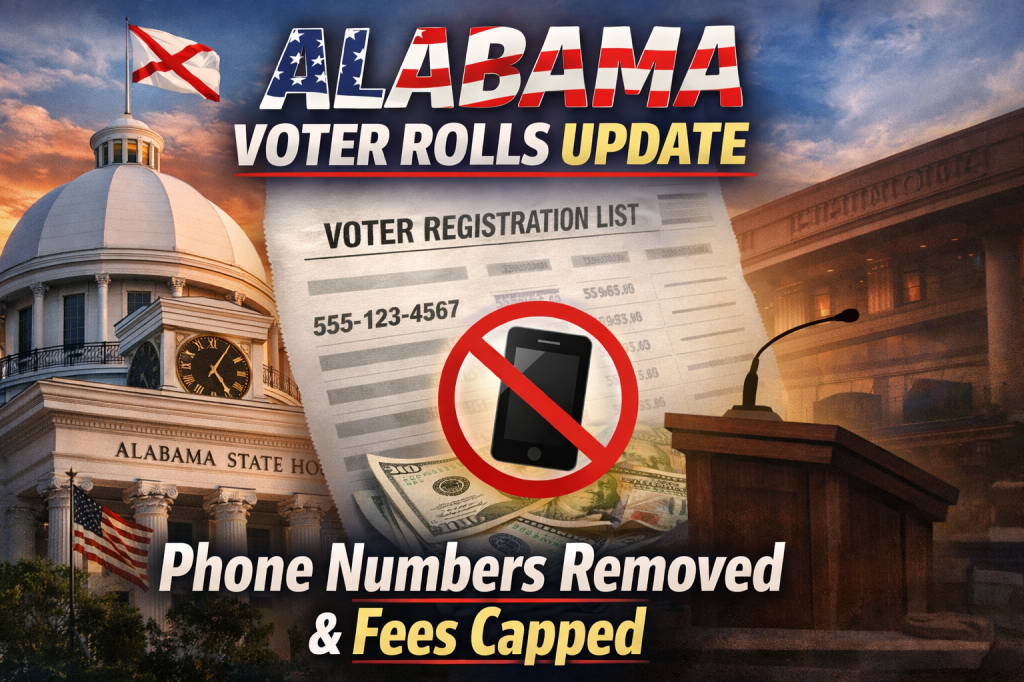
Alabama House Advances Bill to Strip Phone Numbers from Voter Rolls
The Alabama Legislature passed House Bill 67, altering voter registration data handling by removing phone numbers from official lists and capping access costs at $1,000. The bill, aimed at protecting voter privacy and reducing robocalls, allows voters to opt in for phone number inclusion. It now goes to the Senate for consideration.
-
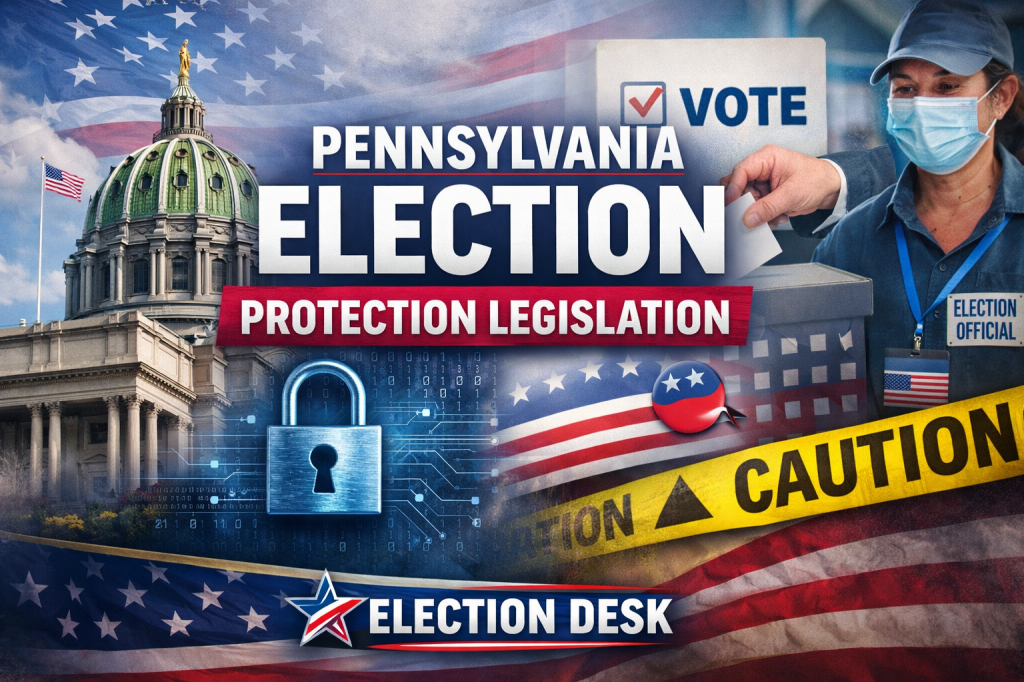
Pennsylvania Lawmakers Propose Election Protection Bill to Guard Voter Data and Shield Election Workers
A bipartisan group of Pennsylvania legislators has introduced the Protecting Voter Privacy and Pennsylvania Elections from Political Interference Act. This bill aims to secure voter privacy, state control over election systems, and shields election officials from political intimidation. It seeks to restore public confidence in elections amid ongoing debates about election integrity.
-
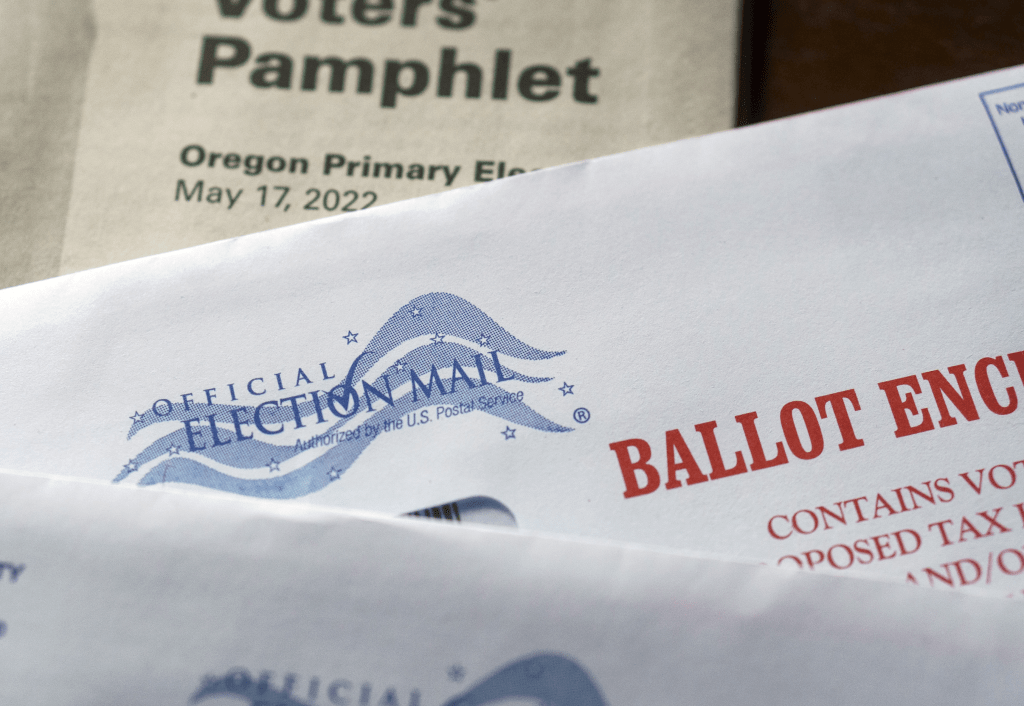
Oregon Lawmakers Debate Proposal to Open Primary Elections to All Voters
Oregon’s Legislature is considering a proposal to shift from a closed primary system to an open primary structure, allowing all registered voters, including nonaffiliated ones, to participate in candidate selection. Supporters argue it enhances voter participation and competition, while opponents worry about diminishing party control and potential voting confusion.

