
Tag: democracy
-
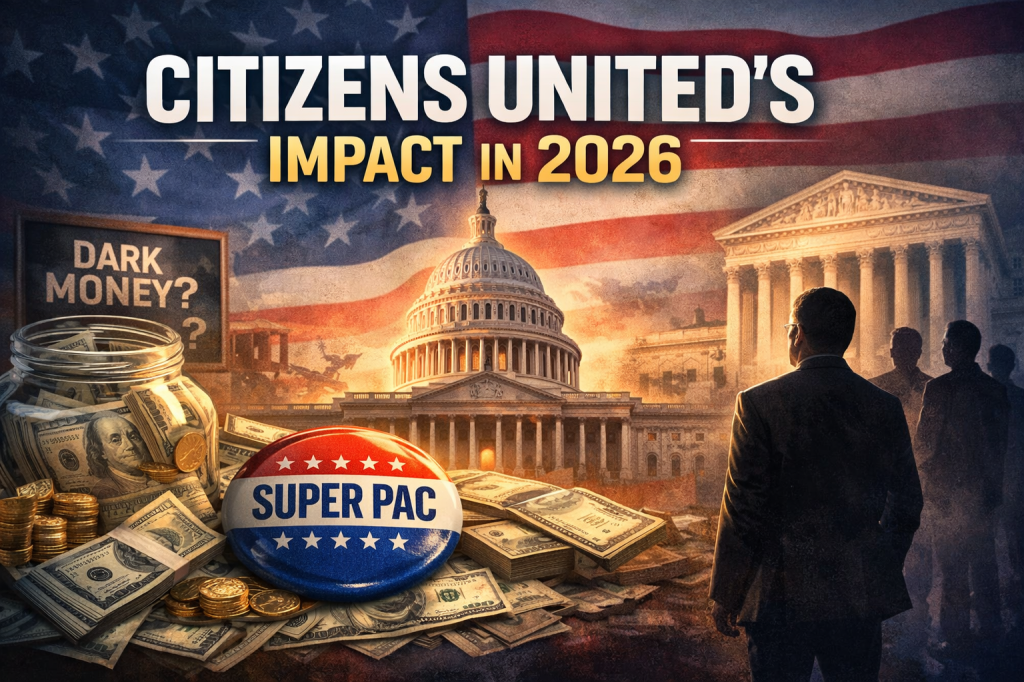
Citizens United’s Enduring Influence: How the 2010 Decision Still Shapes American Elections in 2026
On January 21, 2010, the Supreme Court’s ruling in Citizens United v. FEC allowed unlimited corporate and union spending in federal elections, reshaping campaign finance. This decision led to the rise of super PACs and dark money, raising concerns about transparency and voter influence as the political landscape faces ongoing challenges and calls for reform…
-
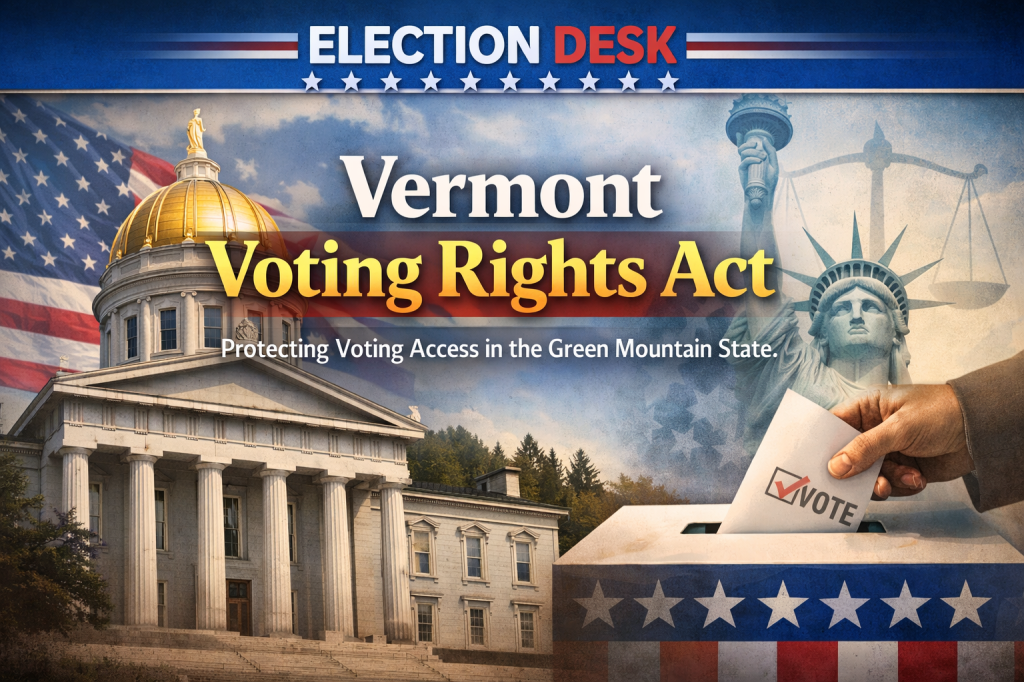
Vermont Lawmakers Move to Codify Voting Rights in State Law Amid National Uncertainty
Democratic lawmakers in Vermont proposed the Vermont Voting Rights Act to embed federal voting protections into state law amidst national concerns about voting rights. The bill aims to expand access for historically underrepresented groups, enhance voter protections, and counteract potential federal rollbacks. It is set for legislative consideration soon.
-
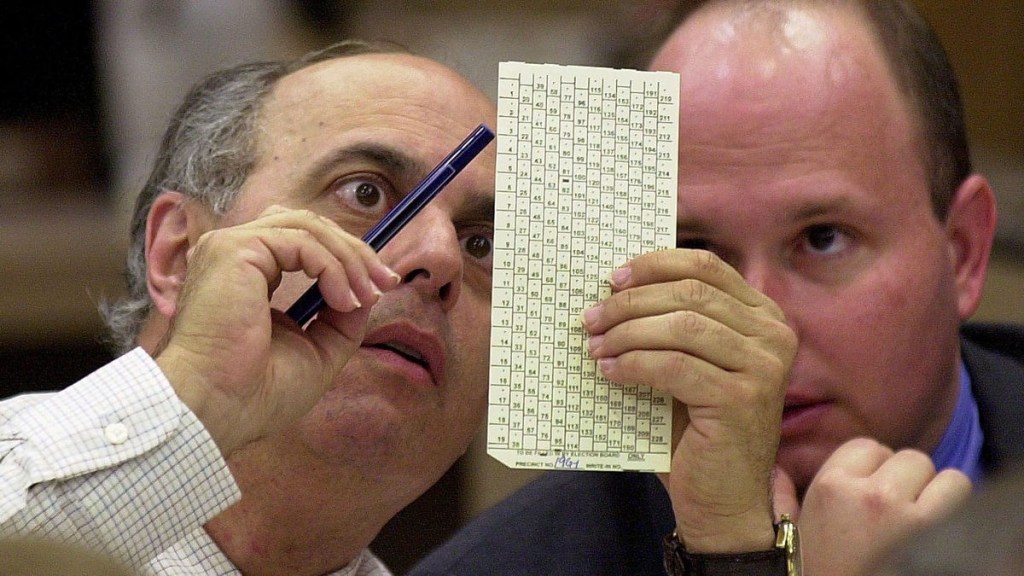
25 Years After Bush v. Gore, Election Law Is Still Living in Its Shadow
Twenty-five years after Bush v. Gore, the Supreme Court’s decision still shapes how elections are run, challenged, and decided. From routine post-election lawsuits to expanded judicial intervention, the 2000 ruling continues to influence election law—and public confidence in democratic outcomes.
-
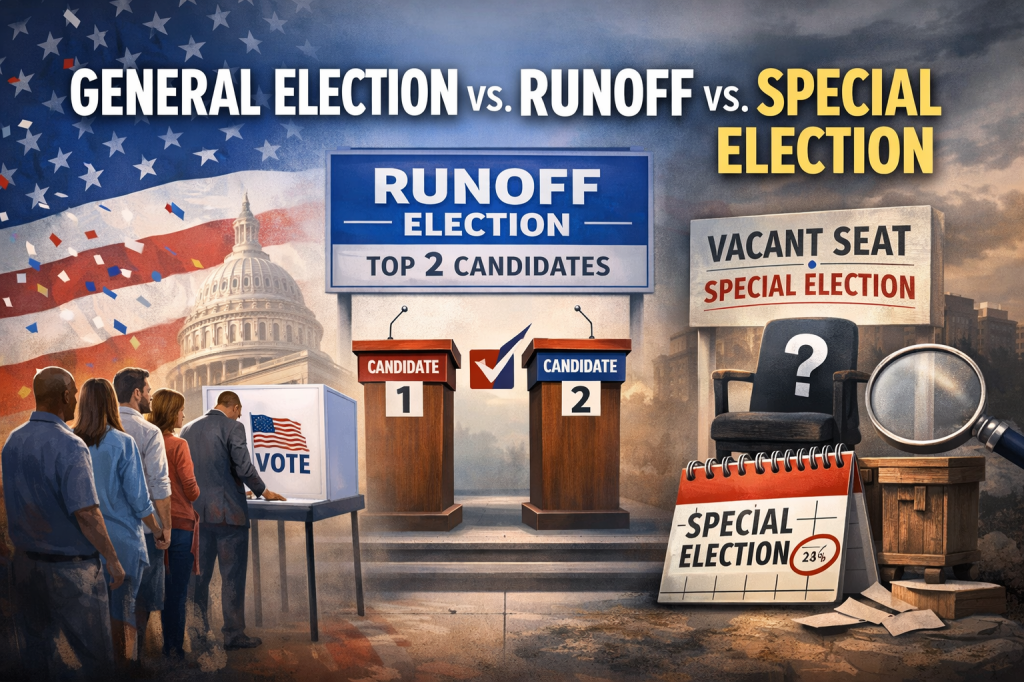
General Elections vs. Runoffs vs. Special Elections — What’s the Difference?
Elections serve different purposes: general elections select officeholders, runoff elections ensure a majority winner when initial votes are inconclusive, and special elections fill unexpected vacancies. Voter turnout varies, with general elections attracting the most participants, while special elections typically see the least. Understanding these dynamics is crucial for comprehending electoral outcomes.
-
Why State Elections Matter More Than Most Voters Realize
State elections play a critical role in Americans’ daily lives, influencing laws, education, taxation, and judicial outcomes more directly than federal elections. Governors hold significant power during crises, while state legislatures shape the judiciary. As states test policies, voter participation in state races is crucial for accountability and ensuring fair governance.
-
How U.S. Elections Work: The Clean, Simple Guide
U.S. elections are decentralized, run by states with local officials administering them, guided by federal law. Federal elections include president and Congress, while state elections cover local offices. Primary elections determine candidates, with ballots varying by location. Certification confirms results, and oversight involves various state and local entities. Misunderstandings about the system are clarified.
 Election Desk