
Tag: election certification
-
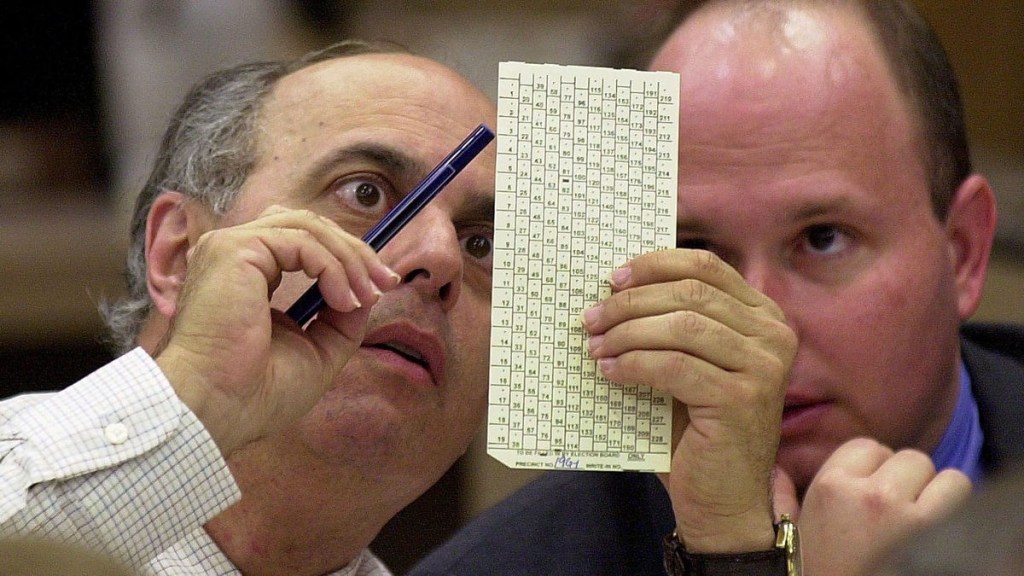
25 Years After Bush v. Gore, Election Law Is Still Living in Its Shadow
Twenty-five years after Bush v. Gore, the Supreme Court’s decision still shapes how elections are run, challenged, and decided. From routine post-election lawsuits to expanded judicial intervention, the 2000 ruling continues to influence election law—and public confidence in democratic outcomes.
-
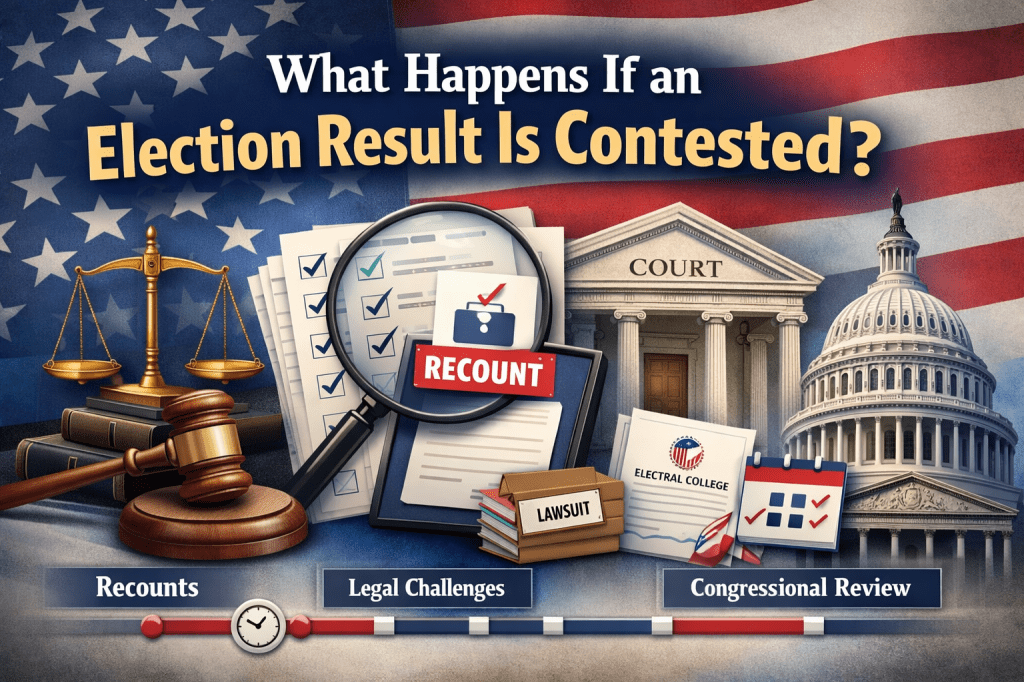
What Happens If an Election Result Is Contested?
When elections conclude, initial results remain unofficial. The certified process involves canvassing, potential recounts, and legal challenges if contested. Recounts verify ballots, while lawsuits address errors or fraud. Each state sets deadlines for these processes. Safeguards, like audits, ensure accuracy. Ultimately, contests rarely alter certified results.
-

How Election Lawsuits Actually Work
Election-related lawsuits are integral to American democracy, governed by legal standards like standing, timely filings, and available remedies. Plaintiffs must demonstrate concrete injuries, causation, and timeliness in filing claims. Many lawsuits fail due to lack of standing, missed deadlines, or speculative claims, emphasizing the importance of legal rigor in electoral processes.
-
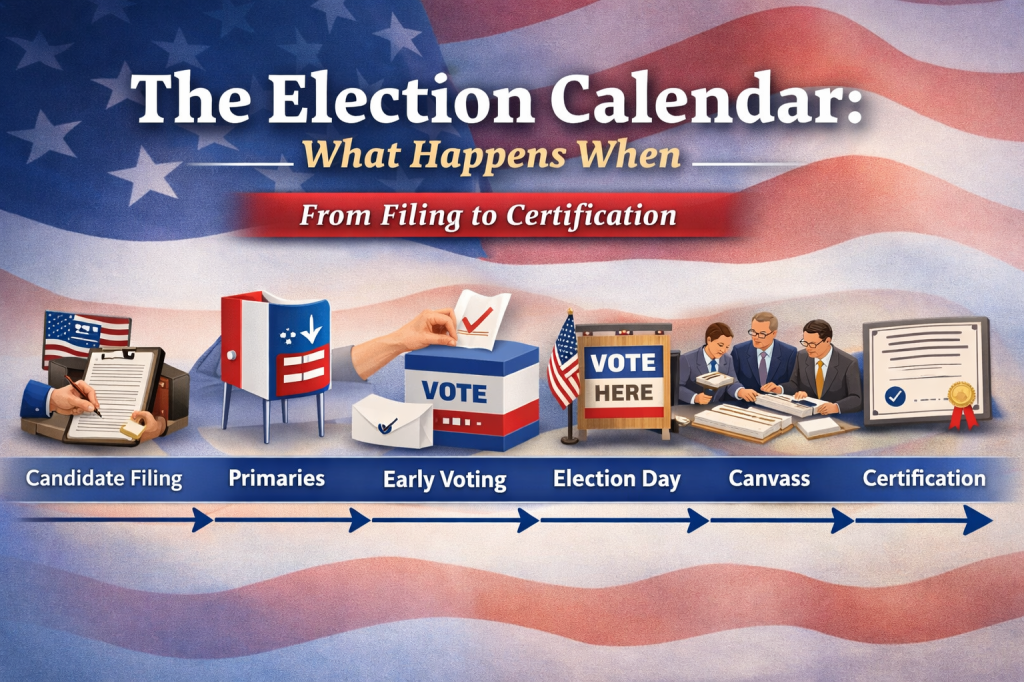
The Election Calendar: What Happens When (From Filing to Certification)
The election timeline comprises six key phases: candidate filing, primaries, early and absentee voting, Election Day, canvass for counting verification, and certification of results. Each phase is crucial for ensuring election accuracy and legality, impacting voter choice and procedural integrity while explaining delays and changing results in close races.
-
How U.S. Elections Work: The Clean, Simple Guide
U.S. elections are decentralized, run by states with local officials administering them, guided by federal law. Federal elections include president and Congress, while state elections cover local offices. Primary elections determine candidates, with ballots varying by location. Certification confirms results, and oversight involves various state and local entities. Misunderstandings about the system are clarified.
 Election Desk