Tag: Election Desk
-
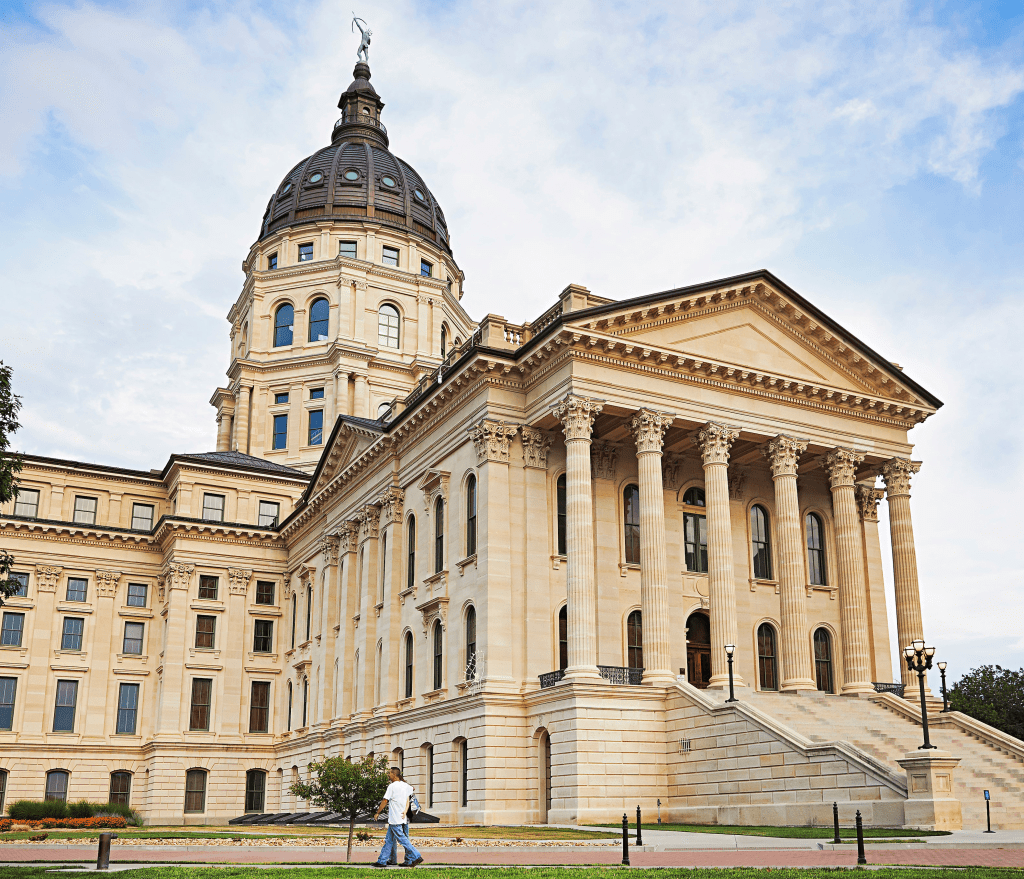
Kansas Secretary of State Puts Election Integrity Rules at Top of 2026 Agenda
As the 2026 legislative session in Kansas begins, election officials prioritize enhancing election integrity regulations. Led by Secretary of State Scott Schwab, proposals include stronger oversight, clearer local regulations, and standardized procedures across counties. The goal is to boost public confidence and navigate the national scrutiny of election administration without substantial changes to voting access.
-
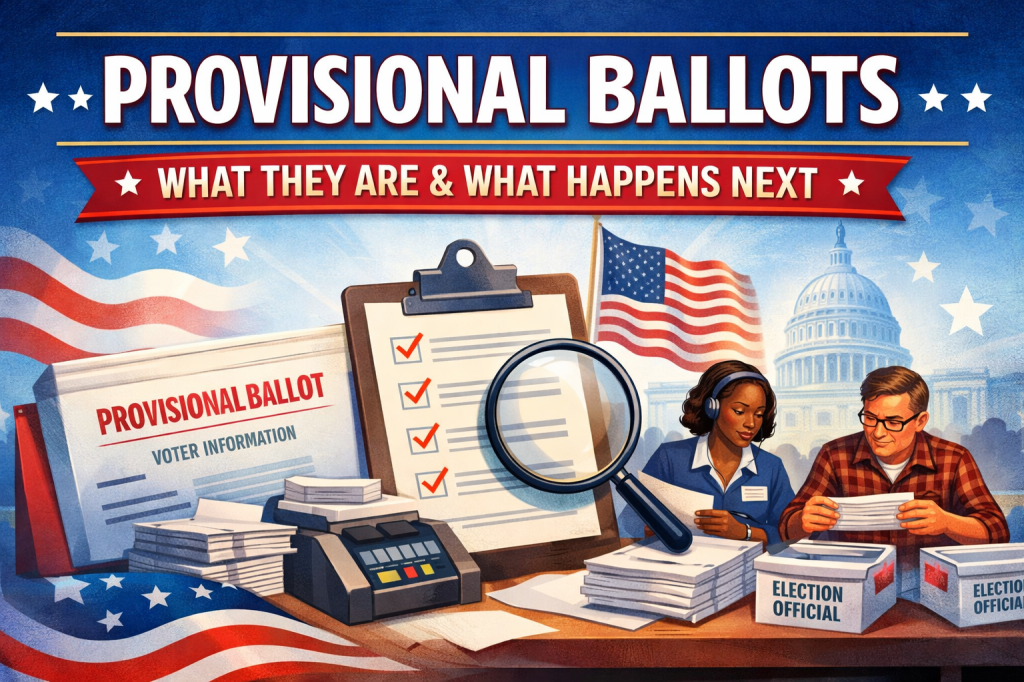
Provisional Ballots: What They Are and What Happens Next
Provisional ballots are used in U.S. elections when a voter’s eligibility cannot be immediately confirmed, ensuring they aren’t disenfranchised. These ballots are reviewed after Election Day, with specific state processes for verification and deadlines. Understanding provisional ballots helps voters maintain confidence in their right to vote and the electoral process.
-
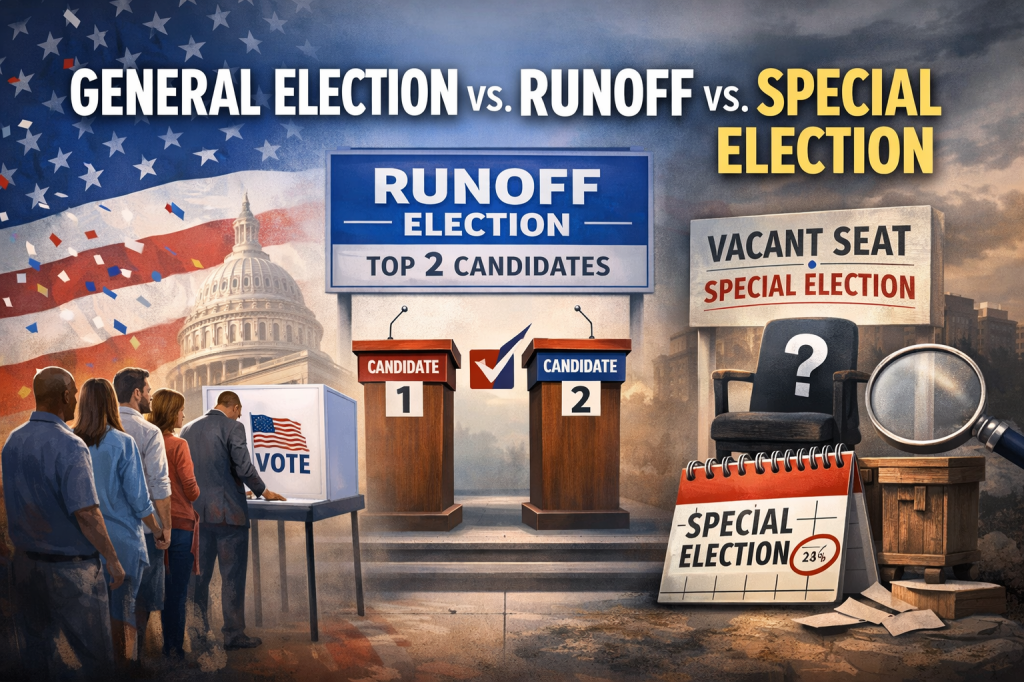
General Elections vs. Runoffs vs. Special Elections — What’s the Difference?
Elections serve different purposes: general elections select officeholders, runoff elections ensure a majority winner when initial votes are inconclusive, and special elections fill unexpected vacancies. Voter turnout varies, with general elections attracting the most participants, while special elections typically see the least. Understanding these dynamics is crucial for comprehending electoral outcomes.
-
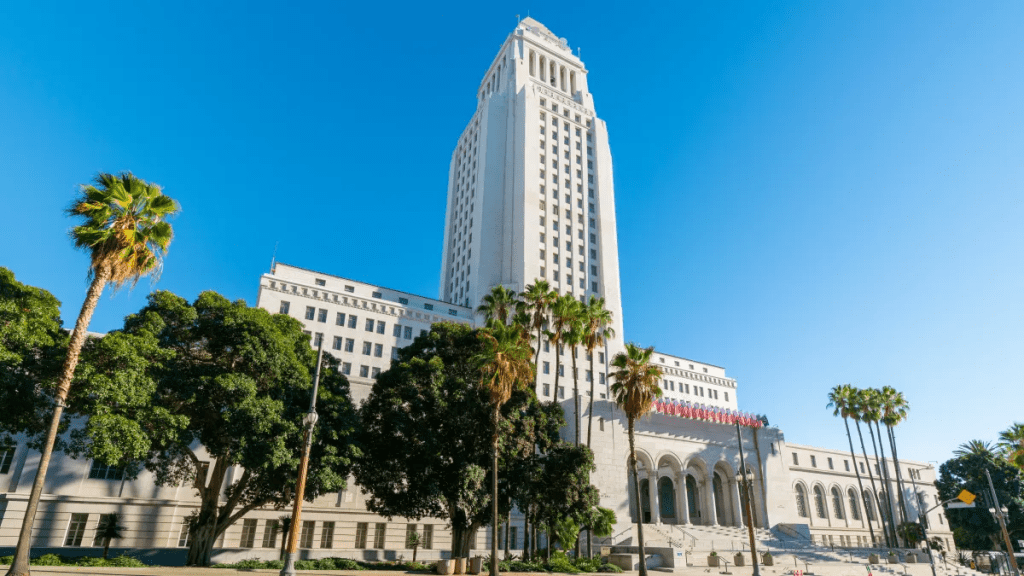
2026 Los Angeles Mayoral Race Update
The 2026 Los Angeles mayoral election is now taking shape, with the nonpartisan primary scheduled for June 2, 2026, and a general runoff slated for November 3, 2026 if no candidate exceeds 50 percent of the vote in the primary. Municipal elections in California do not list party affiliation on the ballot, even though candidates…
-
How Senate Control Can Shift in a Single Election
The U.S. Senate, with its staggered six-year terms, features classes of seats contested every two years, which can lead to significant control shifts based on regular and special elections. Vacancies may create crucial opportunities, and a 50-50 split allows the Vice President to cast tie-breaking votes, influencing majority control.
-
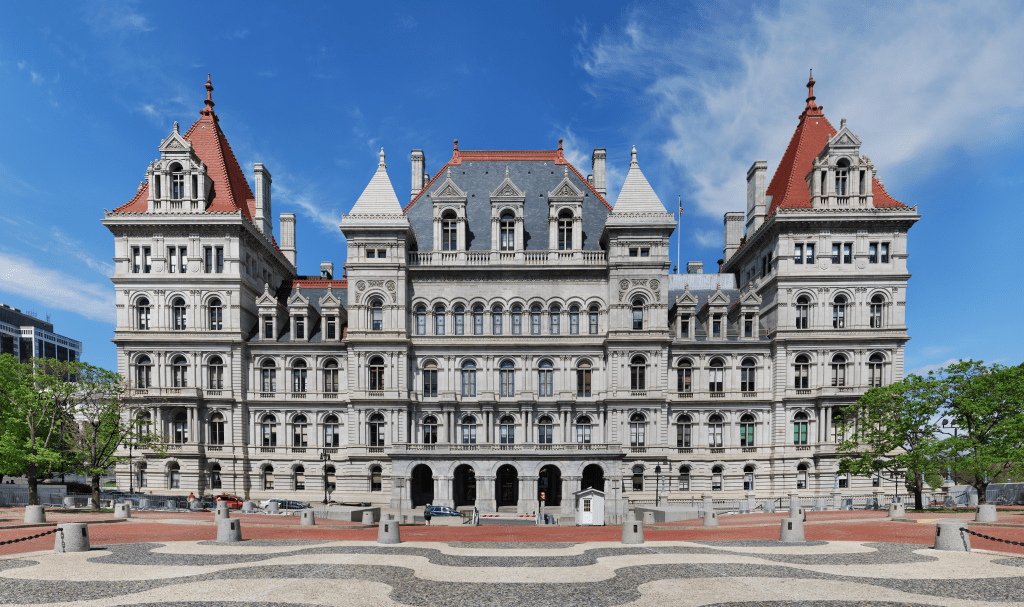
Who Is Running for Governor of New York in 2026?
The 2026 New York gubernatorial election is set for November 3, featuring incumbent Democratic Governor Kathy Hochul, facing a primary challenge from Lieutenant Governor Antonio Delgado, and presumptive Republican nominee Bruce Blakeman. Issues of affordability and public safety will dominate the campaign, with Hochul currently leading in polls.
-
Who Is Running for Governor of Wisconsin in 2026?
The 2026 Wisconsin gubernatorial election, scheduled for November 3, follows Tony Evers’ decision not to seek a third term. Both parties view this competitive race as a national priority. Democrats have a crowded primary, while Republicans feature fewer candidates. The outcome may significantly impact political control in this battleground state.
-

Who Is Running for Governor of Texas in 2026?
The 2026 Texas gubernatorial election is scheduled for November 3, with party primaries on March 3. Incumbent Governor Greg Abbott seeks a fourth term, facing minor GOP challengers. State Rep. Gina Hinojosa leads a competitive Democratic primary. Analysts expect a Republican advantage due to Abbott’s incumbency and funding.
-
Who Is Running for Governor of Florida in 2026?
The 2026 Florida gubernatorial election is set for November 3, with party primaries on August 18. Incumbent Ron DeSantis is term-limited, creating an open race. Byron Donalds, the clear Republican frontrunner, has strong Trump support. Democrats David Jolly and Jerry Demings emerge amid significant GOP advantages. The election landscape remains dynamic.
-
Who Is Running for Governor of Minnesota in 2026?
The 2026 Minnesota gubernatorial election is set for November 3, following party primaries on August 11. Incumbent Tim Walz’s decision not to seek reelection has created an open race, particularly among Democrats. Republicans have a crowded field, while third-party candidates may influence outcomes. Candidate filings begin in May.
 Election Desk