Tag: election integrity
-
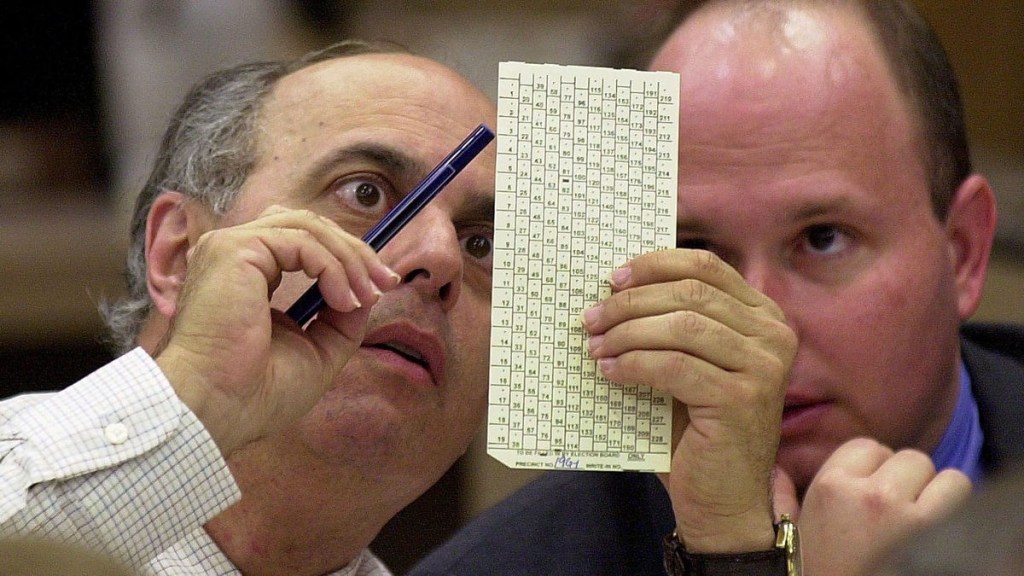
25 Years After Bush v. Gore, Election Law Is Still Living in Its Shadow
Twenty-five years after Bush v. Gore, the Supreme Court’s decision still shapes how elections are run, challenged, and decided. From routine post-election lawsuits to expanded judicial intervention, the 2000 ruling continues to influence election law—and public confidence in democratic outcomes.
-
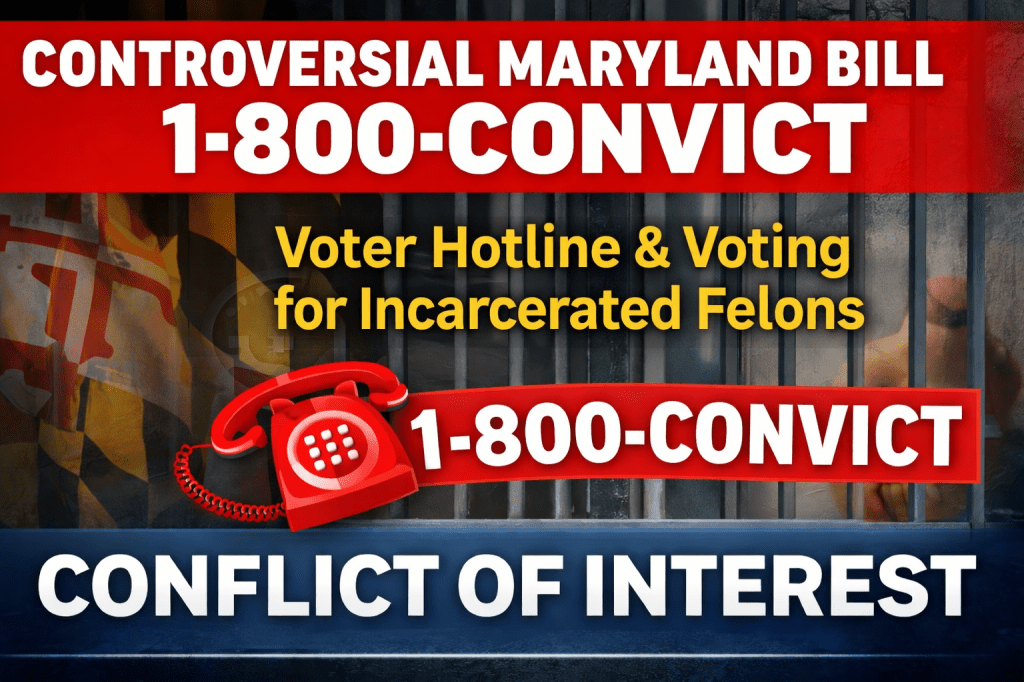
Maryland Bill to Expand Voting Access for Incarcerated Individuals Draws GOP Scrutiny
A proposed Maryland bill mandates a toll-free voter hotline for incarcerated individuals and modifies voting eligibility for felons. It aims to reduce disenfranchisement, particularly in minority communities. While supporters advocate for inclusivity, Republicans raise concerns about election integrity. The bill is currently awaiting committee hearings in the 2026 legislative session.
-
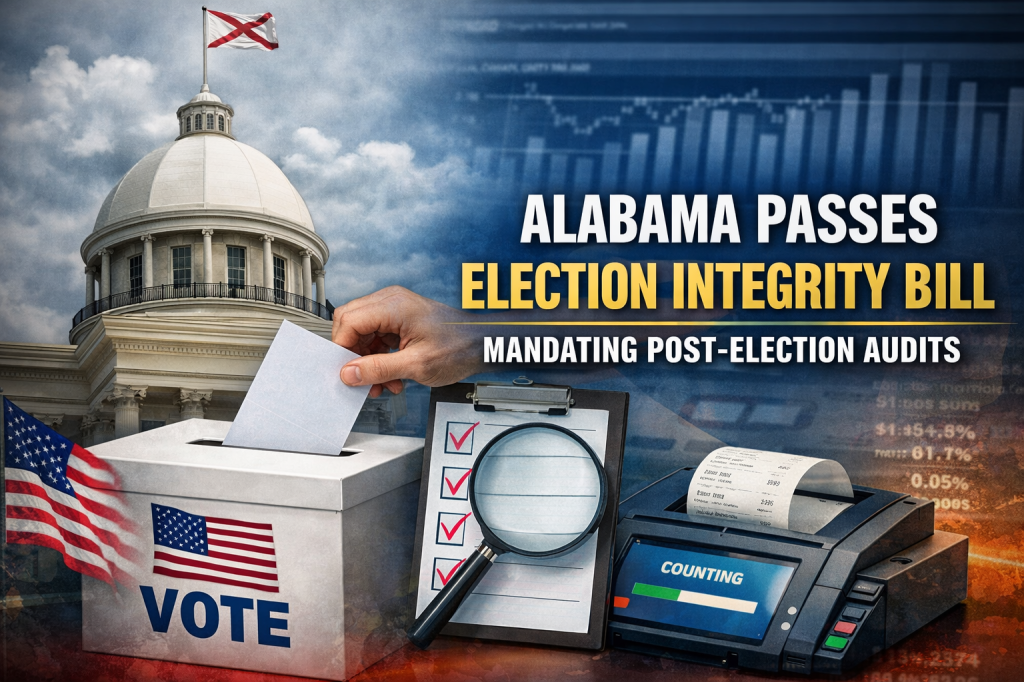
Alabama House Advances Election Integrity Bill Requiring Post-Election Audits
On January 16, the Alabama House passed House Bill 95, mandating post-election audits for county and statewide elections. The bill assigns probate judges the responsibility to conduct audits to enhance transparency and public trust in election results. While supporters advocate for accuracy, critics question the necessity and potential costs of the audits. The bill now…
-
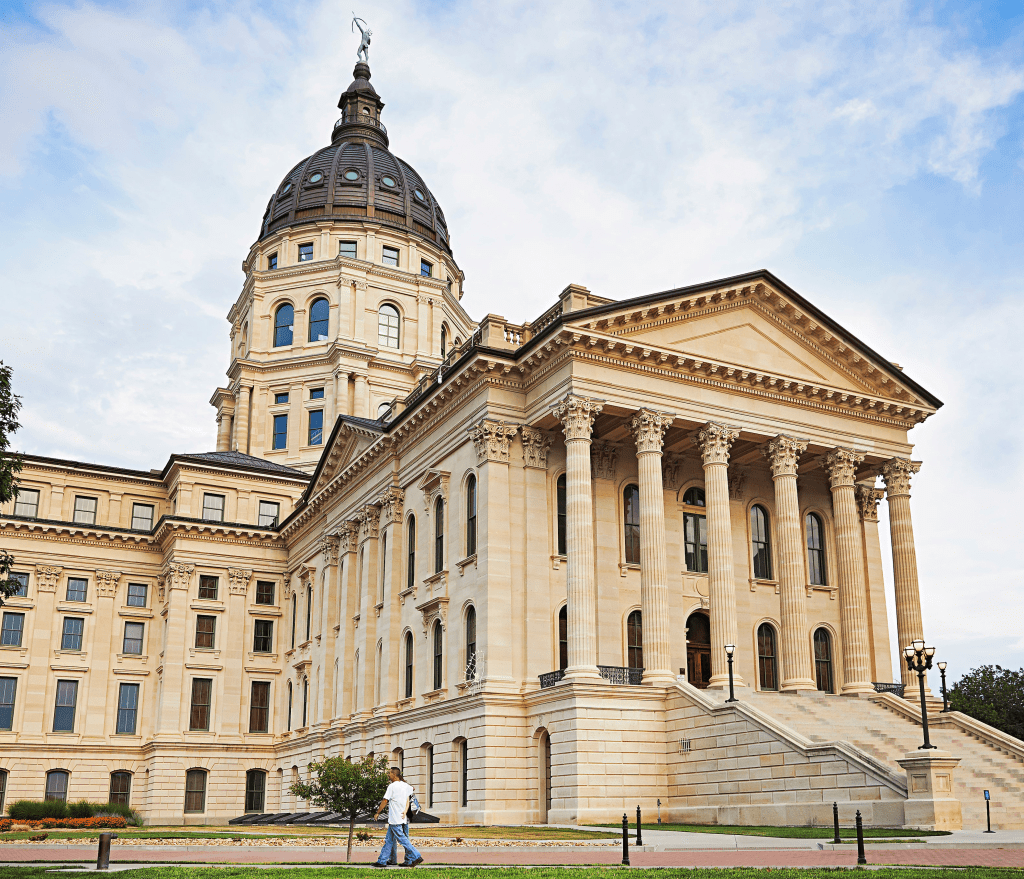
Kansas Secretary of State Puts Election Integrity Rules at Top of 2026 Agenda
As the 2026 legislative session in Kansas begins, election officials prioritize enhancing election integrity regulations. Led by Secretary of State Scott Schwab, proposals include stronger oversight, clearer local regulations, and standardized procedures across counties. The goal is to boost public confidence and navigate the national scrutiny of election administration without substantial changes to voting access.
-
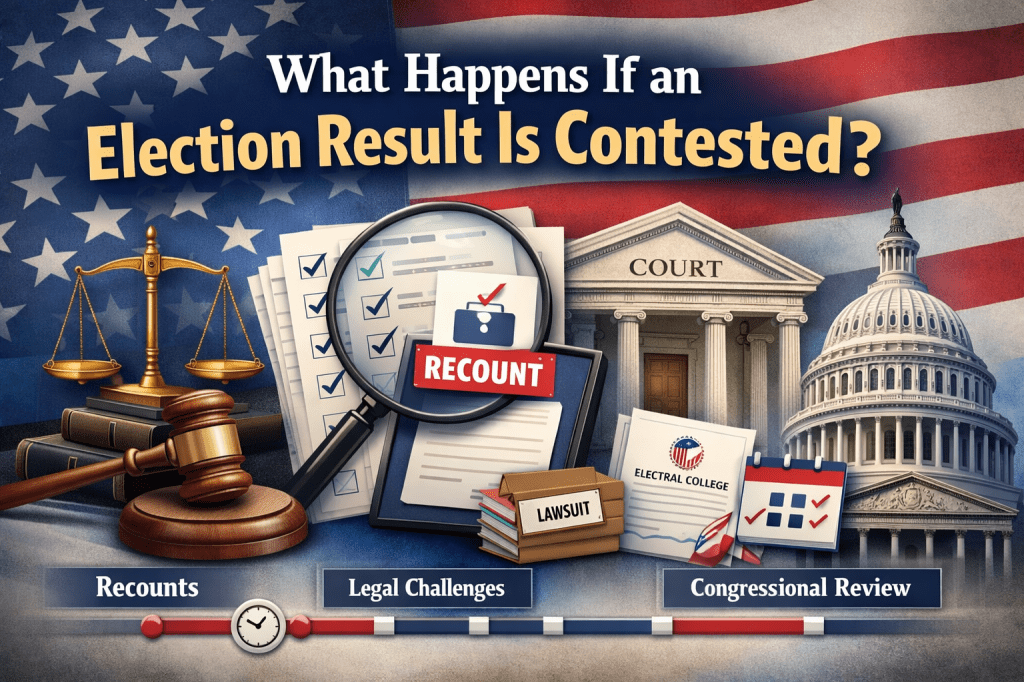
What Happens If an Election Result Is Contested?
When elections conclude, initial results remain unofficial. The certified process involves canvassing, potential recounts, and legal challenges if contested. Recounts verify ballots, while lawsuits address errors or fraud. Each state sets deadlines for these processes. Safeguards, like audits, ensure accuracy. Ultimately, contests rarely alter certified results.
-
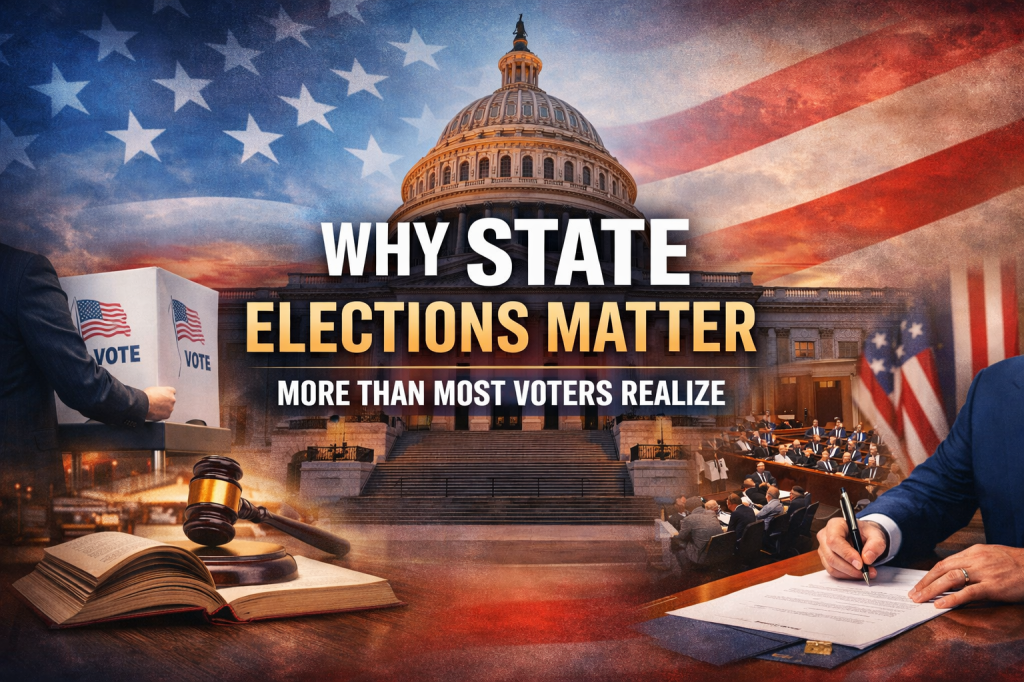
Why State Elections Matter More Than Most Voters Realize
State elections play a critical role in Americans’ daily lives, influencing laws, education, taxation, and judicial outcomes more directly than federal elections. Governors hold significant power during crises, while state legislatures shape the judiciary. As states test policies, voter participation in state races is crucial for accountability and ensuring fair governance.
-
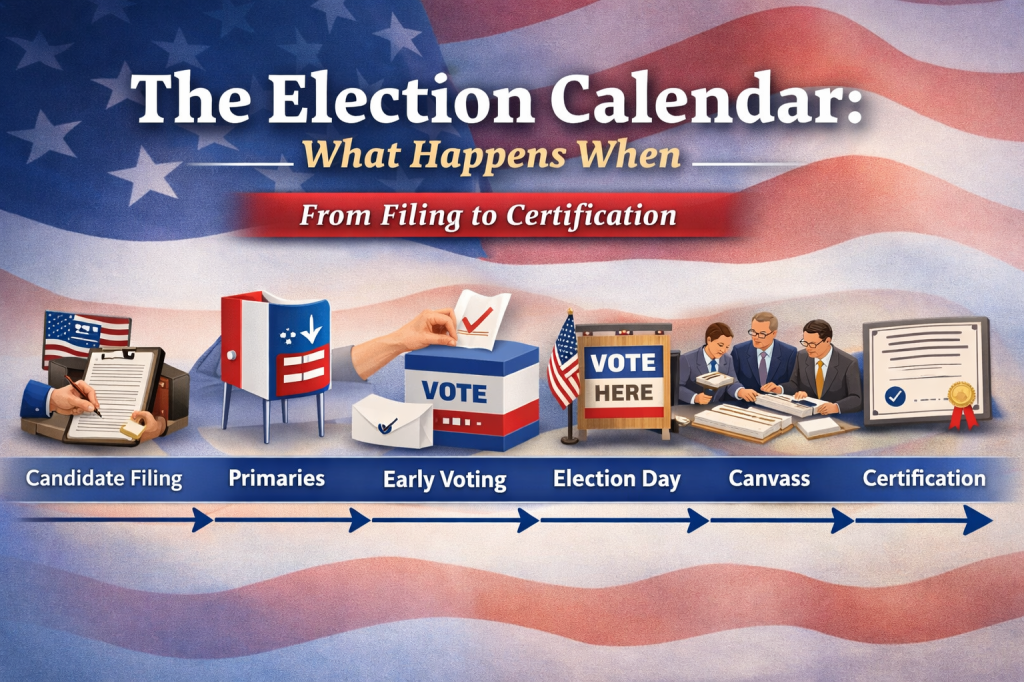
The Election Calendar: What Happens When (From Filing to Certification)
The election timeline comprises six key phases: candidate filing, primaries, early and absentee voting, Election Day, canvass for counting verification, and certification of results. Each phase is crucial for ensuring election accuracy and legality, impacting voter choice and procedural integrity while explaining delays and changing results in close races.

