Tag: trump
-
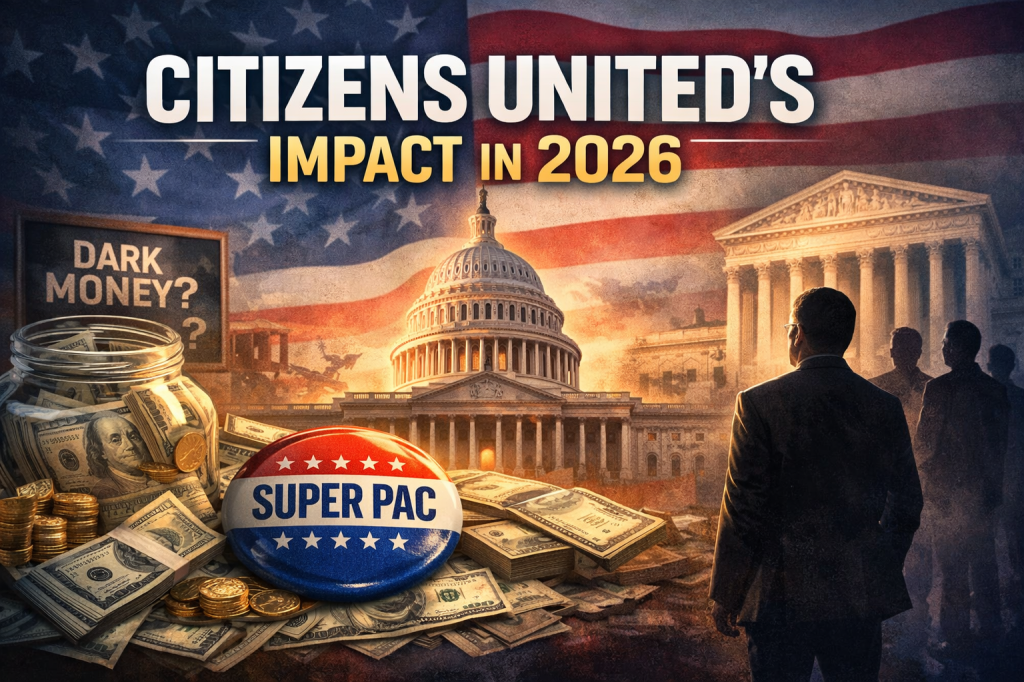
Citizens United’s Enduring Influence: How the 2010 Decision Still Shapes American Elections in 2026
On January 21, 2010, the Supreme Court’s ruling in Citizens United v. FEC allowed unlimited corporate and union spending in federal elections, reshaping campaign finance. This decision led to the rise of super PACs and dark money, raising concerns about transparency and voter influence as the political landscape faces ongoing challenges and calls for reform…
-
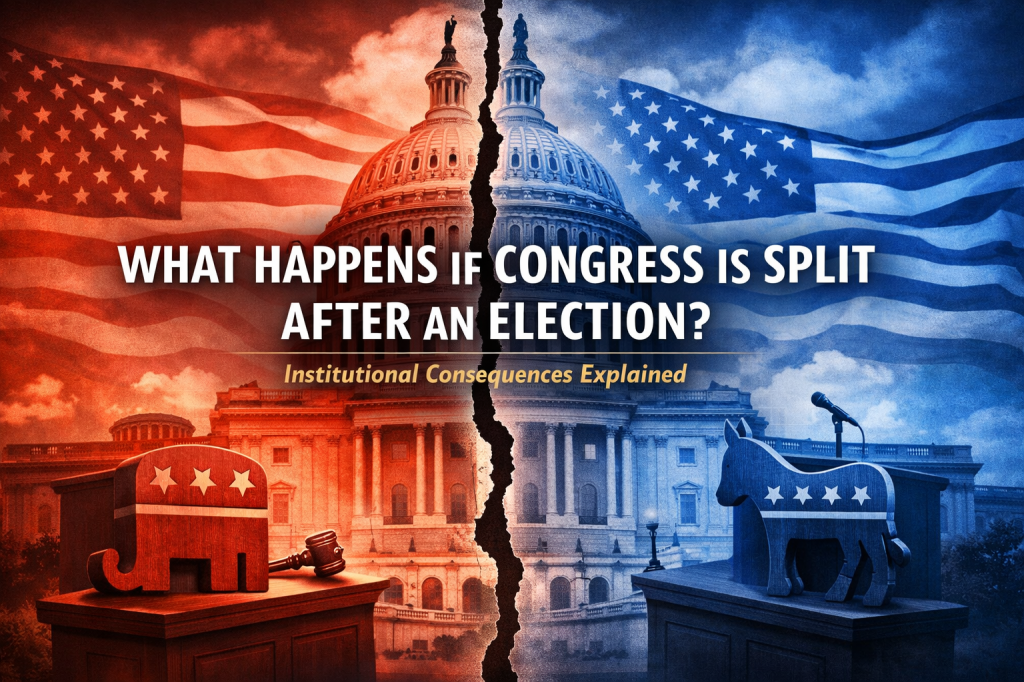
What Happens If Congress Is Split After an Election? Institutional Consequences Explained
Federal elections often result in a split Congress, where no single party controls both chambers. This scenario can lead to legislative gridlock, necessitating bipartisan negotiation for progress. Institutional mechanics, like tie-breaking votes in the Senate and the lack of a tie-breaking mechanism in the House, complicate governance and hinder productivity.
-
Ohio Lawmakers Propose Making Election Day a State Holiday
Ohio lawmakers have introduced a bill to designate Election Day as a state holiday to enhance voter access. Proponents argue it would alleviate work-related barriers, especially for low-income workers, while opponents cite concerns over costs and effectiveness. The proposal is set for committee review, highlighting ongoing discussions on voter participation.
-

Why Federal Forces Are Barred From Polling Places — And What the Law Actually Says
U.S. election law prohibits federal troops and law enforcement from polling places to safeguard voter freedom and prevent intimidation. This principle, rooted in historical statutes like the Posse Comitatus Act, ensures free elections by keeping armed presence away from voting. State laws reinforce this ban, ensuring a non-coercive environment for voters.
-
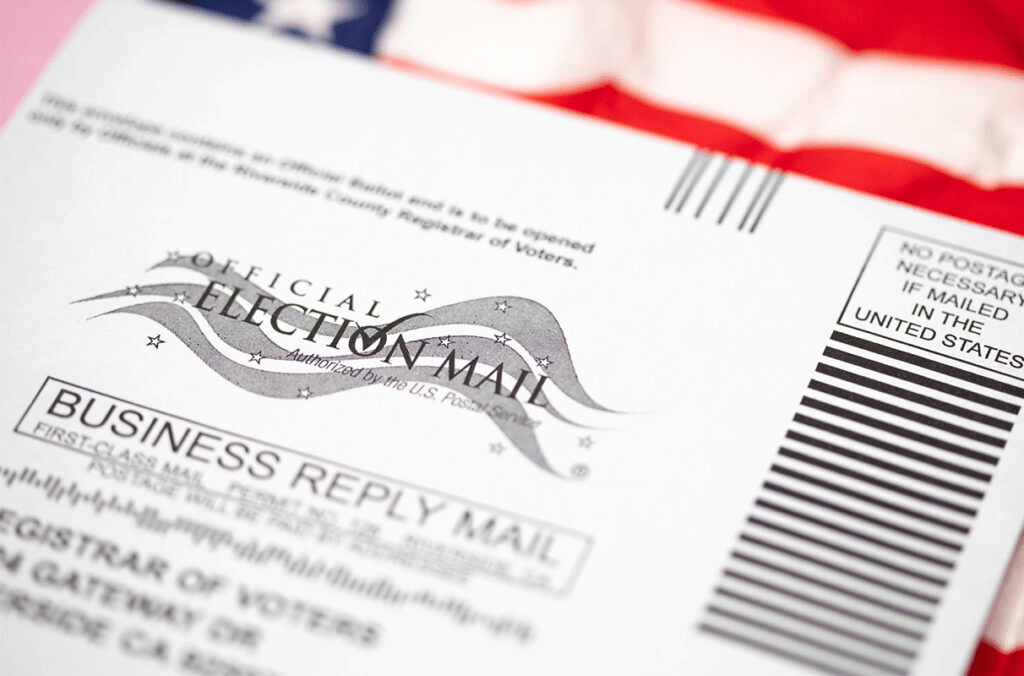
Supreme Court Opens Door for Bost Election Integrity Lawsuit, Shaping Future Election Law Challenges
On January 14, 2026, the U.S. Supreme Court ruled in Bost v. Illinois State Board of Elections that candidates can challenge state election rules in federal court without proving direct impact on election outcomes. The decision broadens candidate standing in election law disputes, potentially increasing pre-election litigation while leaving the legality of Illinois’ mail-in ballot…
-
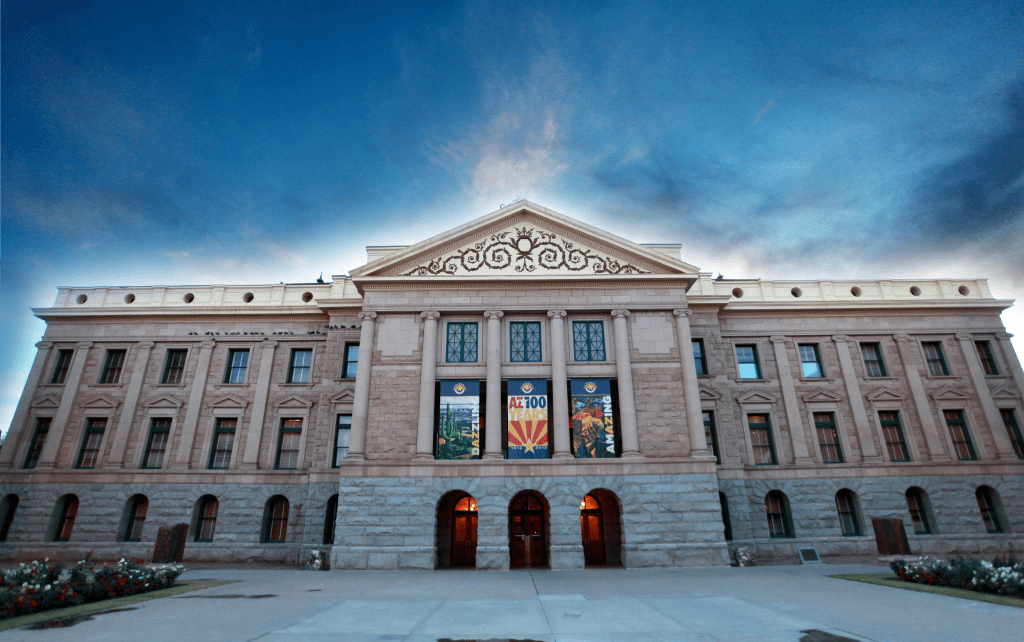
Arizona 2026 Governor’s Race: Who’s Running and What to Watch
Arizona voters will select their governor on November 3, 2026, with party primaries on August 4. Incumbent Democrat Katie Hobbs is likely to secure renomination. The Republican primary features notable candidates like Andy Biggs, Karrin Taylor Robson, and David Schweikert. The election will test Democratic gains and Trump’s influence within the GOP.
-
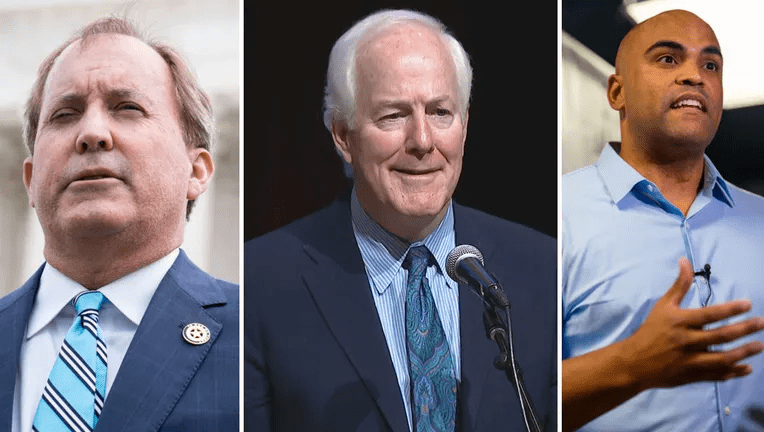
2026 U.S. Senate Race — Texas (Class II)
The 2026 Texas Senate election is highly anticipated, with incumbent Republican John Cornyn facing challengers Ken Paxton and Wesley Hunt in a competitive GOP primary. On the Democratic side, Jasmine Crockett and James Talarico are vying for nomination. Factors such as turnout and demographics will heavily influence the general election outcome.
-

2026 Maryland Governor’s Race: What We Know So Far
The 2026 Maryland gubernatorial election is set for November 3, 2026, with party primaries on June 23, 2026. Incumbent Democratic Governor Wes Moore seeks re-election alongside Aruna Miller. While early polling shows Moore as the frontrunner, Republican candidates are emerging, and the race remains dynamic leading up to the filing deadline.
-
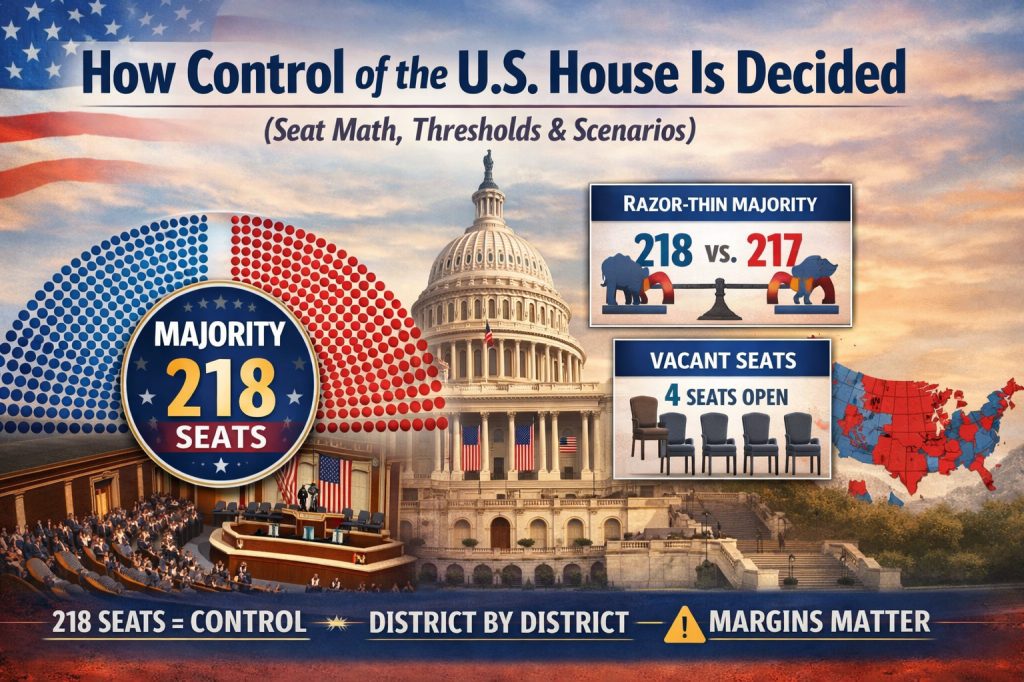
How Control of the U.S. House Is Decided
Control of the U.S. House of Representatives requires 218 seats from 435 total, enabling a party to set the agenda and elect leadership. Real-world scenarios include clear or razor-thin majorities, impacts of vacancies, independents, and why control does not align with the national popular vote. Margins of victory significantly influence legislative power dynamics.
 Election Desk