
Tag: U.S. elections
-
FBI National Outreach to Election Officials Sparks Political Debate Ahead of 2026 Midterms
The FBI has invited U.S. election officials to a briefing on February 25 to discuss preparations for the 2026 midterm elections, prompting concern over federal involvement in historically state-run elections. The outreach occurs amidst heightened scrutiny of federal roles following past controversies, influencing perceptions of election integrity and public trust.
-
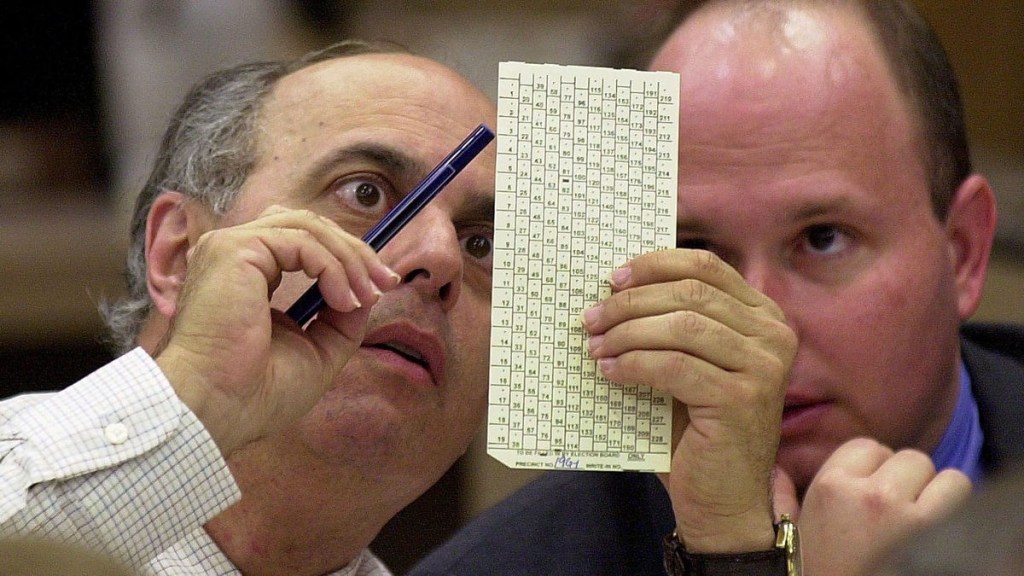
25 Years After Bush v. Gore, Election Law Is Still Living in Its Shadow
Twenty-five years after Bush v. Gore, the Supreme Court’s decision still shapes how elections are run, challenged, and decided. From routine post-election lawsuits to expanded judicial intervention, the 2000 ruling continues to influence election law—and public confidence in democratic outcomes.
-
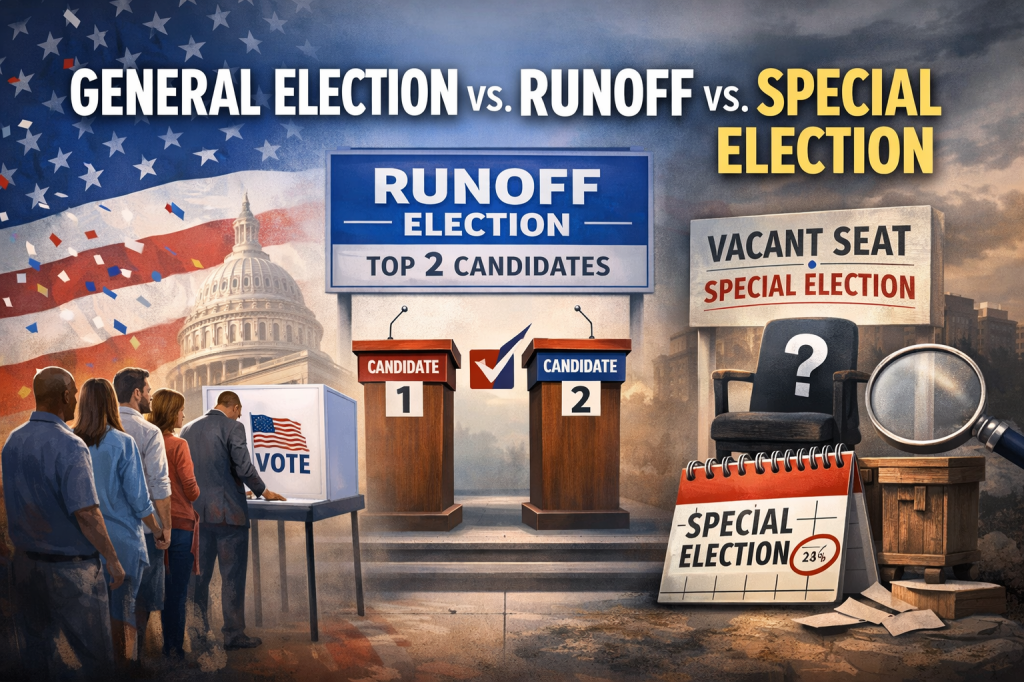
General Elections vs. Runoffs vs. Special Elections — What’s the Difference?
Elections serve different purposes: general elections select officeholders, runoff elections ensure a majority winner when initial votes are inconclusive, and special elections fill unexpected vacancies. Voter turnout varies, with general elections attracting the most participants, while special elections typically see the least. Understanding these dynamics is crucial for comprehending electoral outcomes.
-
What the 2026 Election Cycle Signals About Voter Behavior
As the 2026 midterm elections approach, American voter behavior reflects widespread dissatisfaction with both major parties. Dissident sentiments towards governance emphasize accountability, with economic issues dominating priorities. A motivating gap appears, particularly among Democrats, while demographic shifts highlight independence. Voters seek competent candidates, focusing on tangible results over partisan loyalty.
-
Why State Elections Matter More Than Most Voters Realize
State elections play a critical role in Americans’ daily lives, influencing laws, education, taxation, and judicial outcomes more directly than federal elections. Governors hold significant power during crises, while state legislatures shape the judiciary. As states test policies, voter participation in state races is crucial for accountability and ensuring fair governance.
-
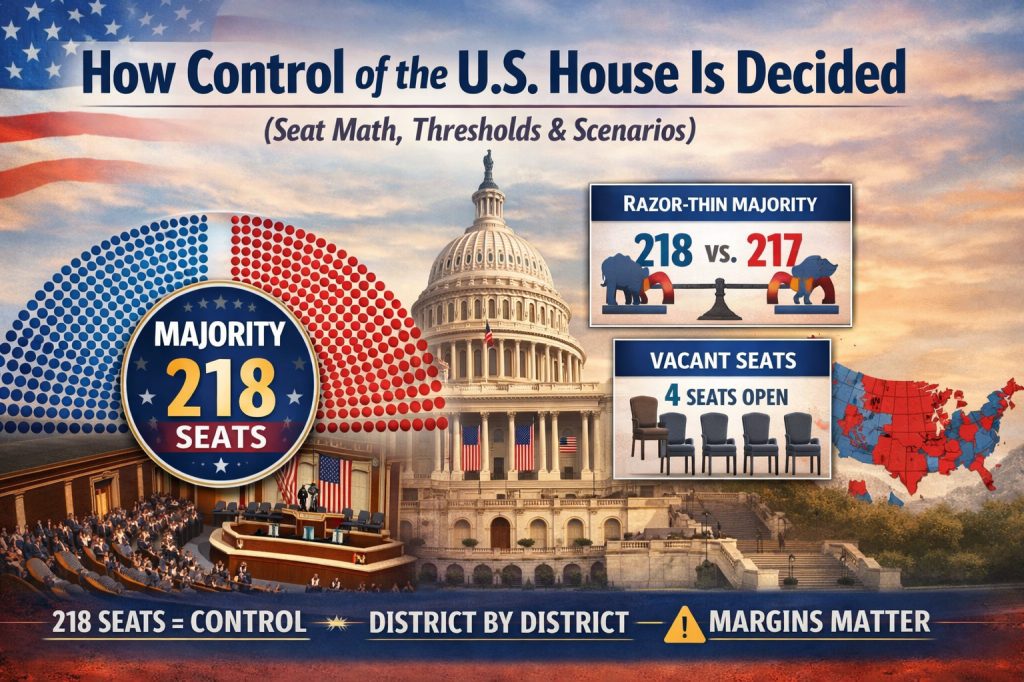
How Control of the U.S. House Is Decided
Control of the U.S. House of Representatives requires 218 seats from 435 total, enabling a party to set the agenda and elect leadership. Real-world scenarios include clear or razor-thin majorities, impacts of vacancies, independents, and why control does not align with the national popular vote. Margins of victory significantly influence legislative power dynamics.
-
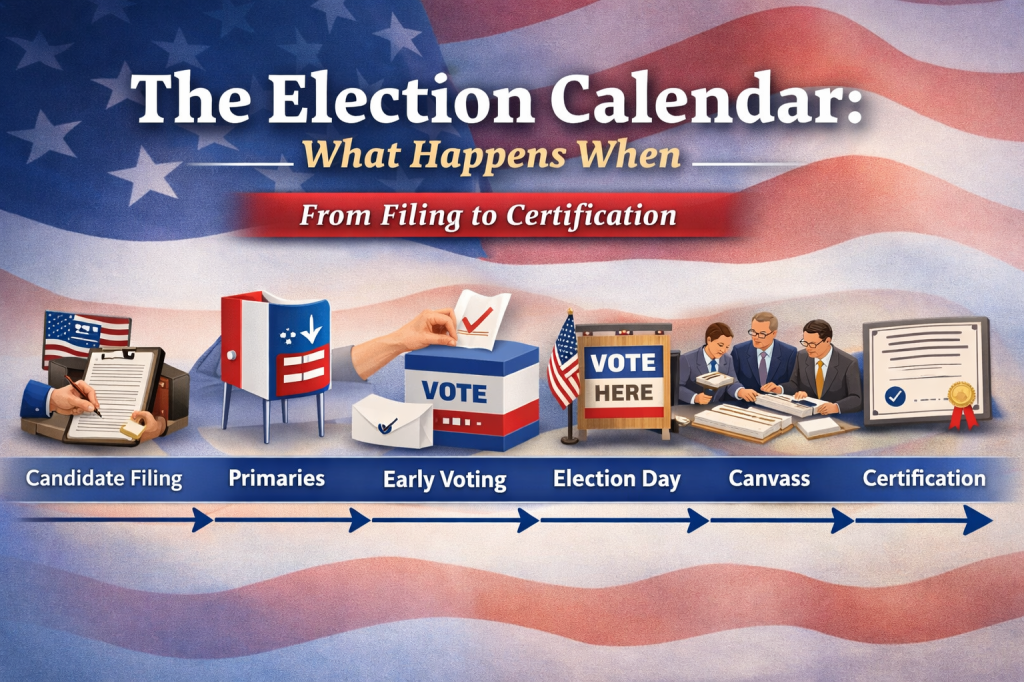
The Election Calendar: What Happens When (From Filing to Certification)
The election timeline comprises six key phases: candidate filing, primaries, early and absentee voting, Election Day, canvass for counting verification, and certification of results. Each phase is crucial for ensuring election accuracy and legality, impacting voter choice and procedural integrity while explaining delays and changing results in close races.
 Election Desk