Tag: voting
-
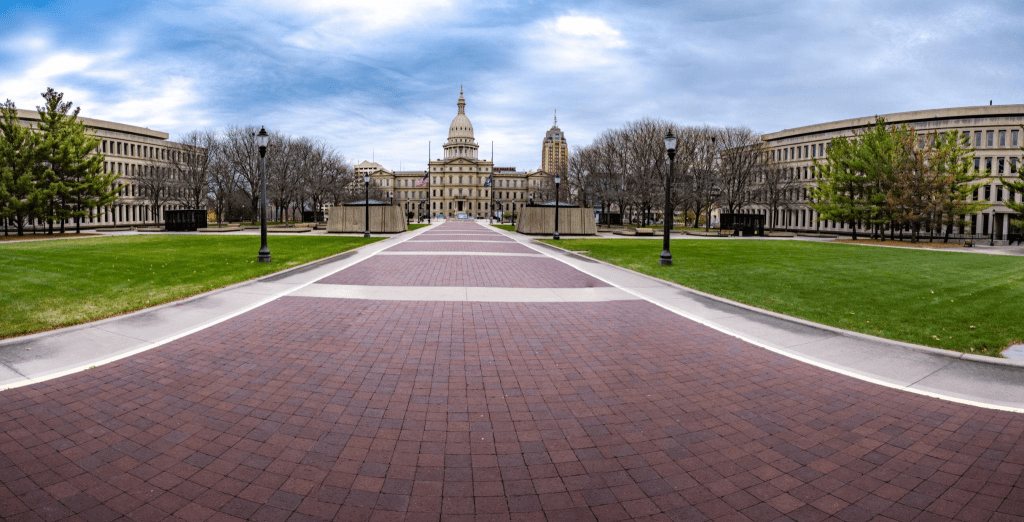
Michigan Group Claims Enough Signatures to Put Citizenship, Voter ID Question on 2026 Ballot
A conservative group in Michigan, Secure MI Vote, has gathered enough signatures for a proposed constitutional amendment to appear on the 2026 ballot. The amendment requires proof of U.S. citizenship and photo ID for voting. Supporters believe it enhances election security, while opponents fear it may restrict access and invite legal challenges.
-
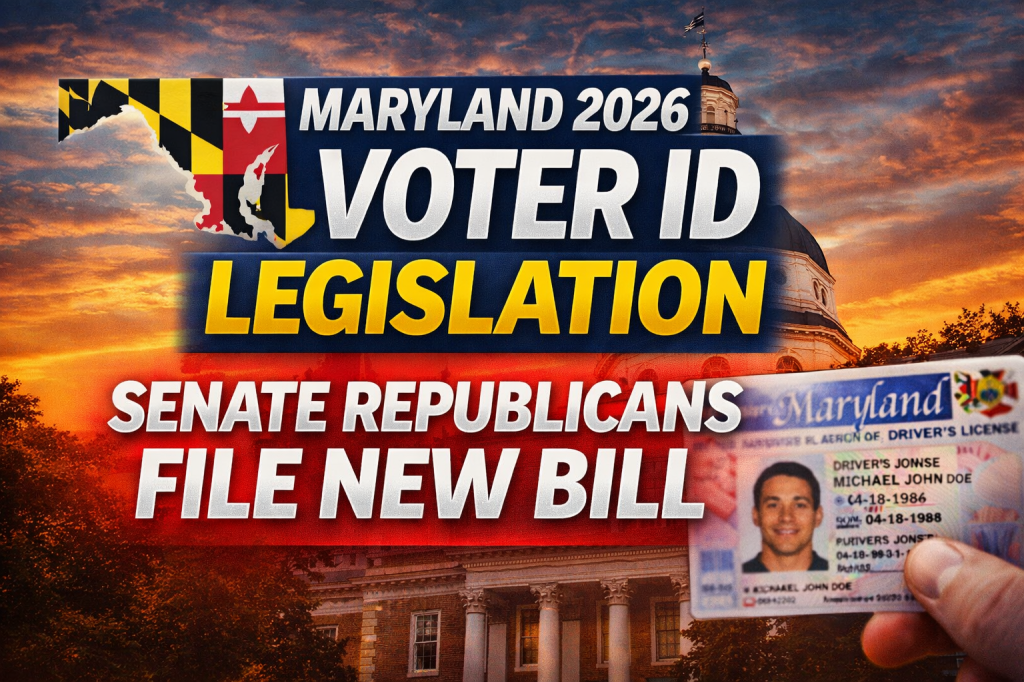
Maryland Voter ID Debate Returns as Republicans File New Bill
Maryland’s current voting laws do not require photo ID for most voters, but a new Republican proposal seeks to change this by mandating government-issued identification before voting. Supporters argue it enhances election security, while critics warn it may disenfranchise marginalized voters. The bill awaits further legislative action.
-
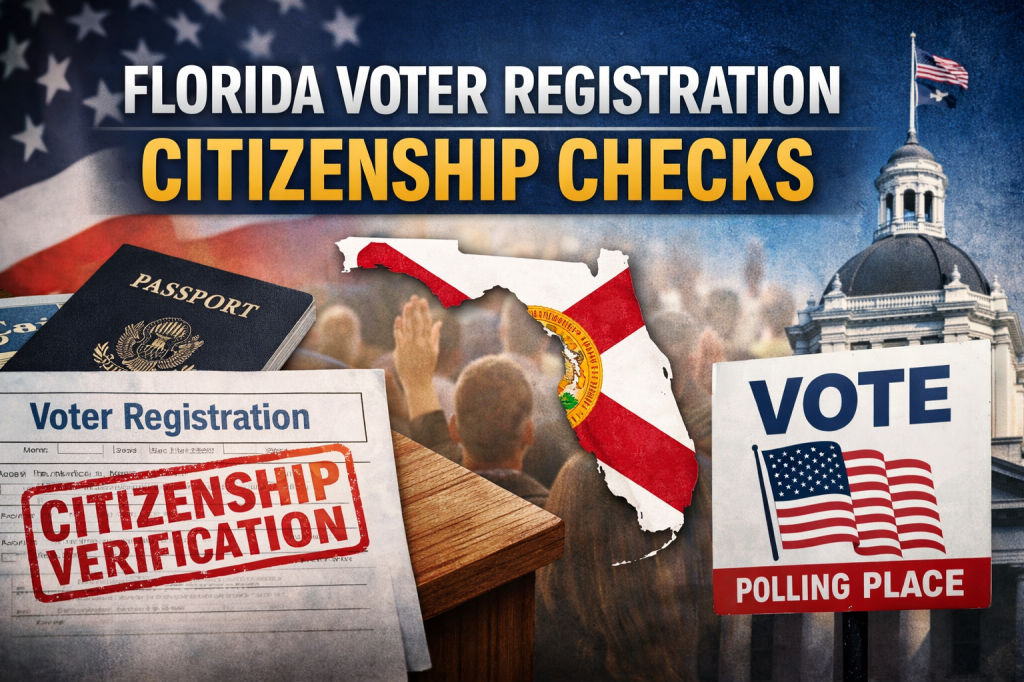
Florida Lawmakers Move to Add Citizenship Verification to Voter Registration
Florida legislators are advancing House Bill 985, which mandates citizenship verification for voter registration and introduces stricter ID requirements. Proponents argue it ensures election integrity, while opponents view it as unnecessary and potentially suppressive. This measure reflects national trends on voter eligibility, emphasizing the ongoing debate between election security and access.
-
California Supreme Court Ends Huntington Beach’s Voter ID Law Fight
The California Supreme Court’s decision not to review an appeal from Huntington Beach has invalidated a voter ID requirement approved by local voters in 2024. The ruling affirms state authority over election laws, halting local efforts that critics say could suppress voter turnout while advocates argue they enhance election integrity. A new statewide initiative may…
-
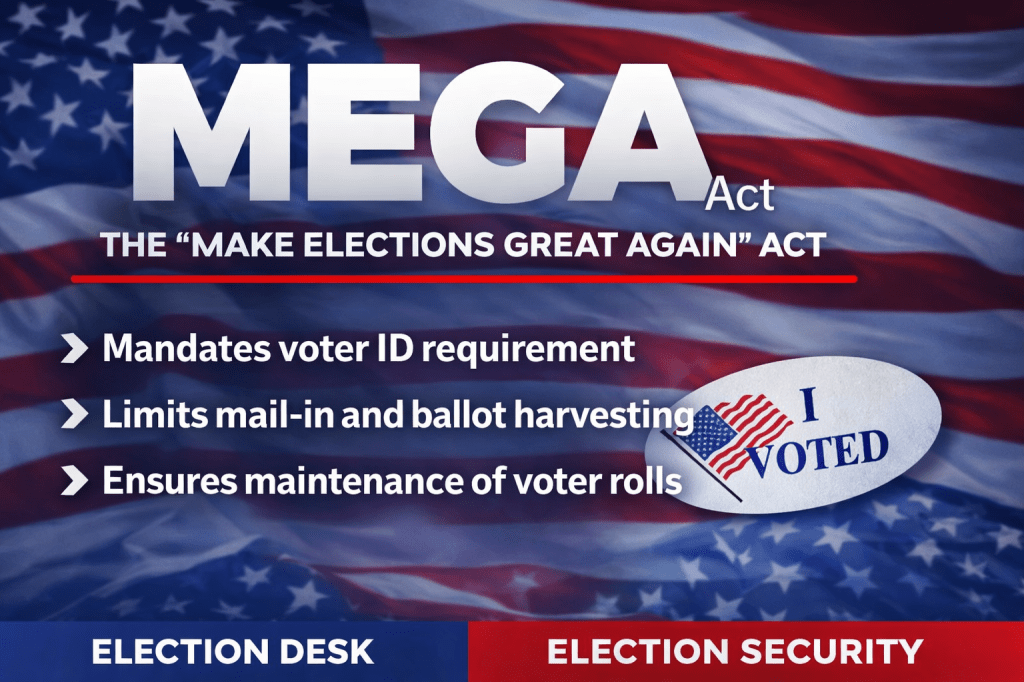
Republicans Unveil ‘Make Elections Great Again’ Act: What It Would Do and Why It Matters
Republicans unveiled the Make Elections Great Again Act (MEGA Act), aimed at establishing national standards for federal elections to enhance voter confidence and security. The bill requires photo IDs, new voter registration criteria, and stricter ballot regulations. Critics argue it risks voter access, particularly for marginalized groups, intensifying debates ahead of the 2026 midterms.
-
Utah’s 2026 Legislative Session Begins With Election Law Changes on the Table
Utah’s 2026 legislative session is focusing on election law reforms, highlighted by House Bill 209, which seeks to establish a proof of U.S. citizenship requirement for voting. These changes, alongside previous reforms to mail-in voting, have ignited debates over election administration and voter accessibility, with significant implications for the upcoming elections.
-
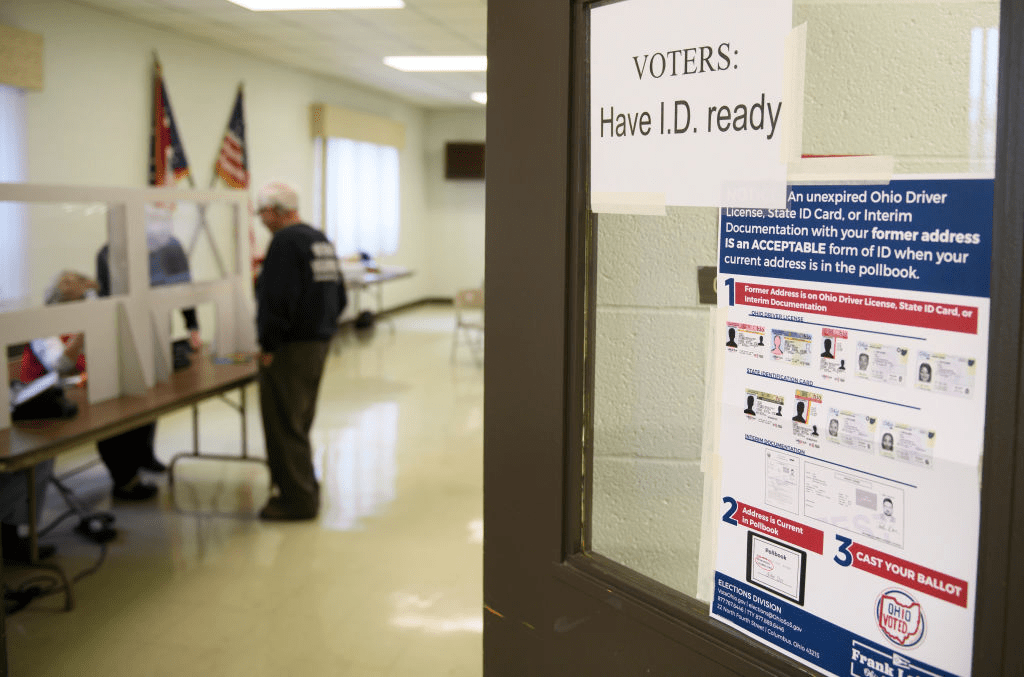
Voter ID Laws Explained: What States Require — and Why It Varies
Voter identification laws in the U.S. vary widely by state regarding requirements, acceptable IDs, and enforcement. States are categorized as having strict or non-strict laws, affecting voter access and ballot counting. Ongoing legal challenges question the balance between election security and accessibility, influencing the evolution of these policies.
-
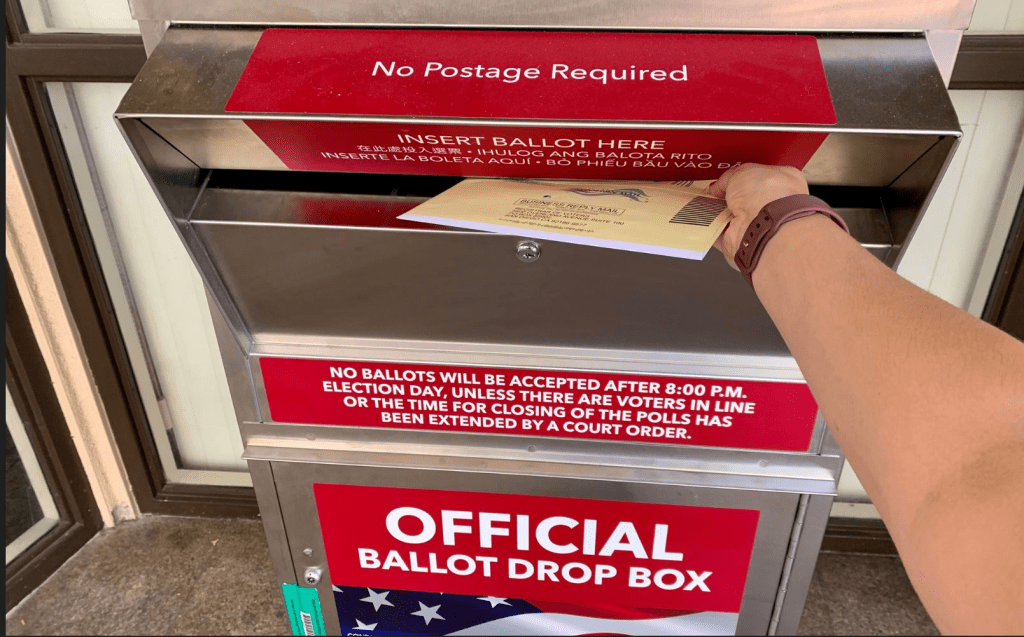
Mail Voting vs. Absentee Voting: What’s the Difference?
Mail voting and absentee voting are distinct concepts with significant differences in eligibility, request processes, ballot return options, signature verification, and deadlines. Absentee voting often requires a valid reason and has strict processes, while mail voting is generally available to all registered voters and allows for more flexible deadlines and easing of ballot issues. Understanding…
-
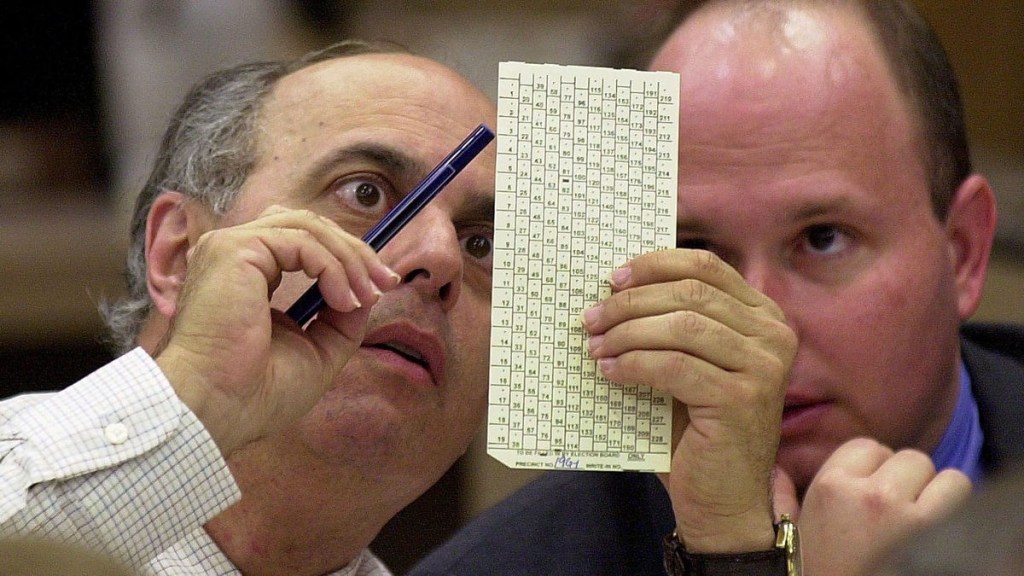
25 Years After Bush v. Gore, Election Law Is Still Living in Its Shadow
Twenty-five years after Bush v. Gore, the Supreme Court’s decision still shapes how elections are run, challenged, and decided. From routine post-election lawsuits to expanded judicial intervention, the 2000 ruling continues to influence election law—and public confidence in democratic outcomes.
-
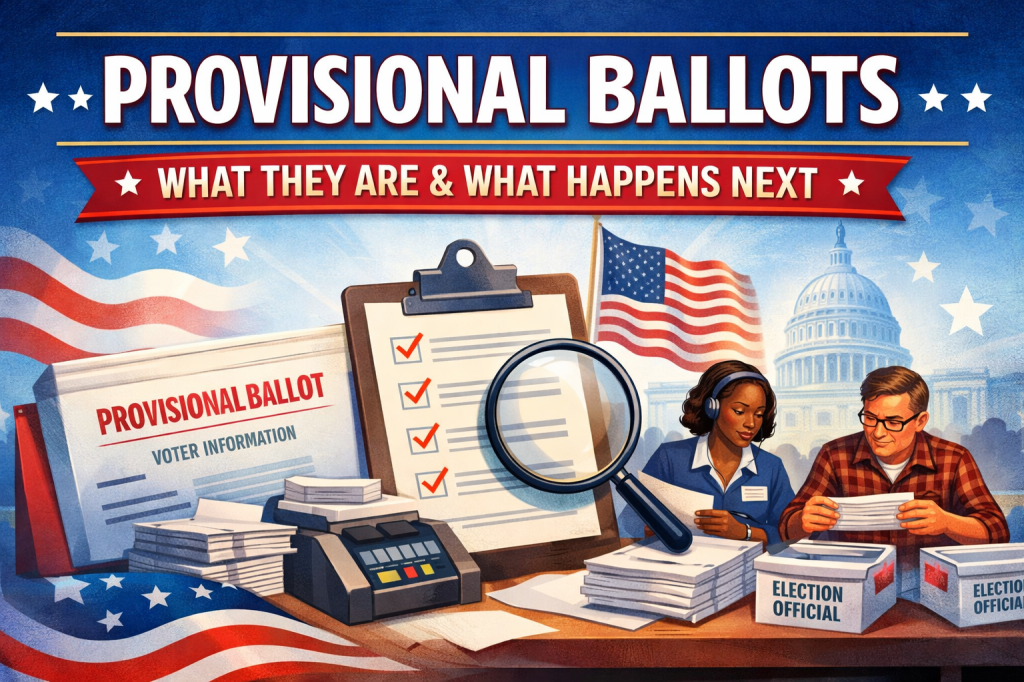
Provisional Ballots: What They Are and What Happens Next
Provisional ballots are used in U.S. elections when a voter’s eligibility cannot be immediately confirmed, ensuring they aren’t disenfranchised. These ballots are reviewed after Election Day, with specific state processes for verification and deadlines. Understanding provisional ballots helps voters maintain confidence in their right to vote and the electoral process.
 Election Desk