What lawmakers can do to strengthen confidence without restricting access
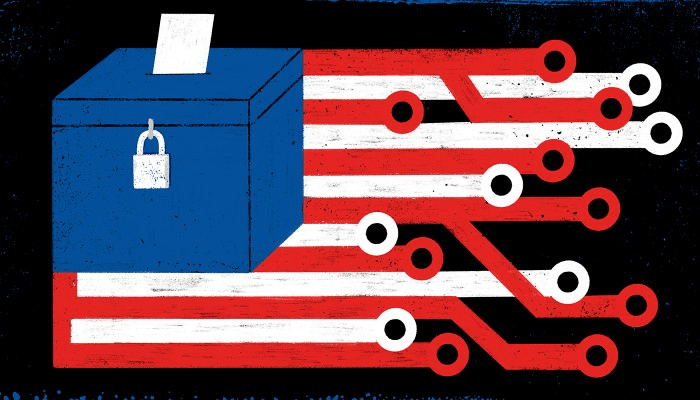
State legislatures play a central role in how U.S. elections are run. While elections are administered locally, the rules governing security, transparency, funding, and certification are largely set at the state level. A recent research report from the Brennan Center for Justice outlines concrete steps lawmakers can take to protect election integrity and security—without undermining voter access or trust.
This article breaks down the report’s key findings and policy recommendations in plain terms, focusing on how election systems actually function and where safeguards matter most.
Election Integrity vs. Election Security: A Key Distinction
The report emphasizes an important clarification often lost in political debate:
- Election security refers to protecting systems and processes from interference, errors, or disruption—cybersecurity, physical security, and reliable equipment.
- Election integrity refers to the accuracy, transparency, and legitimacy of outcomes—clear rules, verifiable results, and public confidence.
Strong election systems require both. Measures that restrict participation without improving accuracy can harm integrity rather than enhance it.
Core Threats Identified by Election Experts
The Brennan Center’s analysis focuses on real, documented risks—not speculative or disproven claims. These include:
- Aging or underfunded election infrastructure
- Cyber threats to voter registration systems and election management software
- Shortages of trained poll workers and election administrators
- Inconsistent or unclear post-election audit procedures
- Political pressure on election officials during certification and canvassing
Importantly, large-scale voter fraud is not identified as a systemic threat, consistent with court rulings and bipartisan election administration findings.
Key Policy Actions for State Legislatures
1. Secure Voting Systems with Paper Records
States are encouraged to require voting systems that produce voter-verifiable paper records, allowing results to be audited and recounted if needed. Paper trails remain one of the most effective protections against both technical failure and cyber interference.
2. Mandate Robust Post-Election Audits
Risk-limiting audits—statistical checks that confirm outcomes are correct—are highlighted as a best practice. These audits increase transparency and public confidence while detecting rare errors.
3. Protect Election Officials from Interference
The report urges states to clarify laws around certification and canvassing to prevent partisan actors from obstructing results. Election officials should be protected from intimidation, threats, or political retaliation for carrying out lawful duties.
4. Invest in Election Infrastructure and Staffing
Many vulnerabilities stem from underfunding. Legislatures can:
- Modernize voter registration systems
- Fund cybersecurity training and monitoring
- Improve pay and protections for poll workers
- Provide consistent funding rather than one-time grants
5. Ensure Clear, Consistent Rules
Changing election rules close to Election Day increases confusion and litigation risk. The report recommends stability in election law, clear deadlines, and transparent procedures communicated well in advance.
What the Report Does Not Recommend
The Brennan Center explicitly cautions against policies that claim to enhance integrity but lack evidence of benefit, such as:
- Broad voter eligibility restrictions
- Criminal penalties that deter lawful voting
- Politicizing election administration roles
- Empowering partisan bodies to override certified results
Such measures may increase distrust rather than security.
Why This Matters in 2026 and Beyond
As election administration becomes more visible—and more politicized—state legislatures face a choice: invest in systems that are resilient, transparent, and professional, or continue cycles of legal uncertainty and public doubt.
The report’s central conclusion is straightforward: confidence comes from competence, not from barriers. Secure equipment, trained officials, verifiable results, and clear laws do more to protect democracy than sweeping claims or reactive legislation.
Bottom Line
Election integrity is not a slogan—it is an operational challenge. The Brennan Center’s research provides a roadmap grounded in how elections actually work, offering state lawmakers practical tools to strengthen security while preserving access and legitimacy.
For voters, the takeaway is equally clear: strong elections depend less on partisan rhetoric and more on boring—but essential—investments in process, people, and proof.
Election Desk will continue covering election law, administration, and voting systems with a focus on clarity, accuracy, and verifiable facts.
 Election Desk
Leave a comment