Category: Constitutional Authority & Election Law
-

Maryland’s Redistricting Amendment Faces a Ballot-Deadline Lawsuit — Here’s the Case Being Made on Both Sides
A lawsuit in Maryland aims to remove a congressional redistricting amendment, HB 2100, from the November ballot, claiming the General Assembly missed its certification deadline. While the timing is disputed, the amendment would change the rules for congressional map-drawing, potentially benefiting the Democratic majority before 2028 elections.
-

How the SAVE Act Would Actually Change Voter Registration — And Why It’s Not the Only Citizenship Fight in Court
The article discusses two approaches to citizenship verification for voter registration in Washington: the SAVE Act, a stalled bill in Congress aimed at requiring documentary proof of citizenship, and a presidential executive order affecting mail ballots, currently under legal scrutiny. Both efforts seek to ensure only citizens vote, but operate through distinct legal pathways.
-
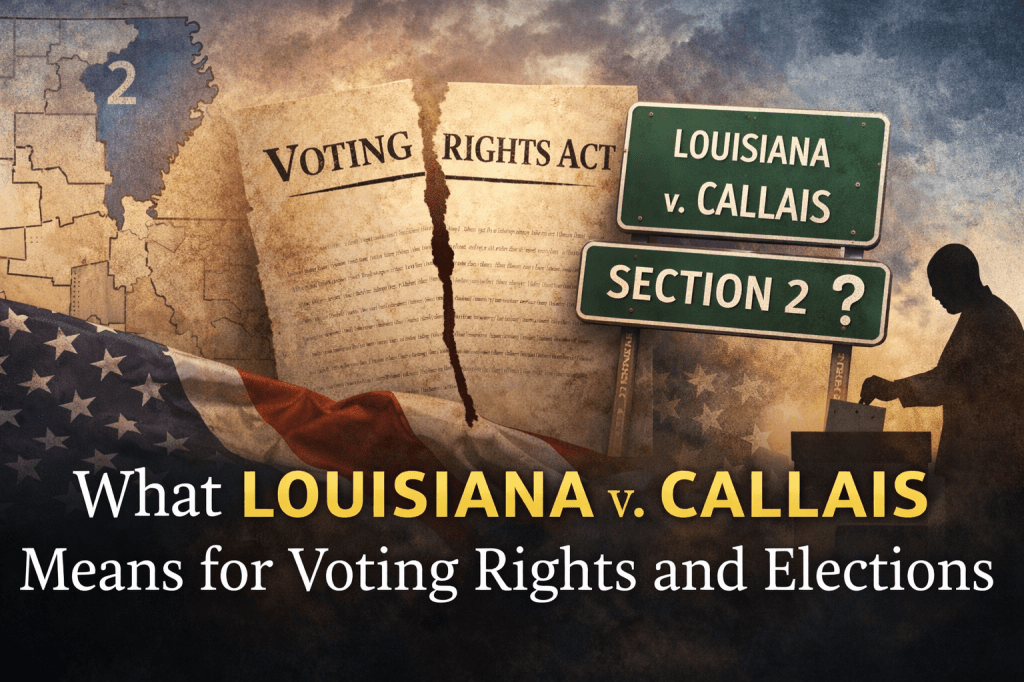
What Louisiana v. Callais Means for Voting Rights and Elections
Section 2 of the Voting Rights Act prohibits state or local practices from denying the right to vote based on race. It empowers voters to challenge discriminatory laws and practices. The Supreme Court case Louisiana v. Callais may redefine Section 2’s application, impacting minority voting strength and redistricting nationwide.
-
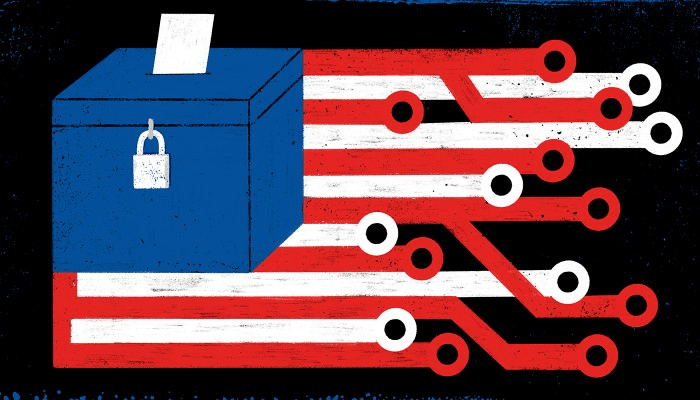
How States Can Protect Election Integrity and Security
State legislatures are vital in shaping U.S. elections, balancing security and access. The Brennan Center for Justice’s report outlines necessary actions to enhance election integrity without restricting voter participation. Key recommendations include securing voting systems, conducting robust audits, protecting election officials, investing in infrastructure, and maintaining clear rules, emphasizing competence to build public trust.
-
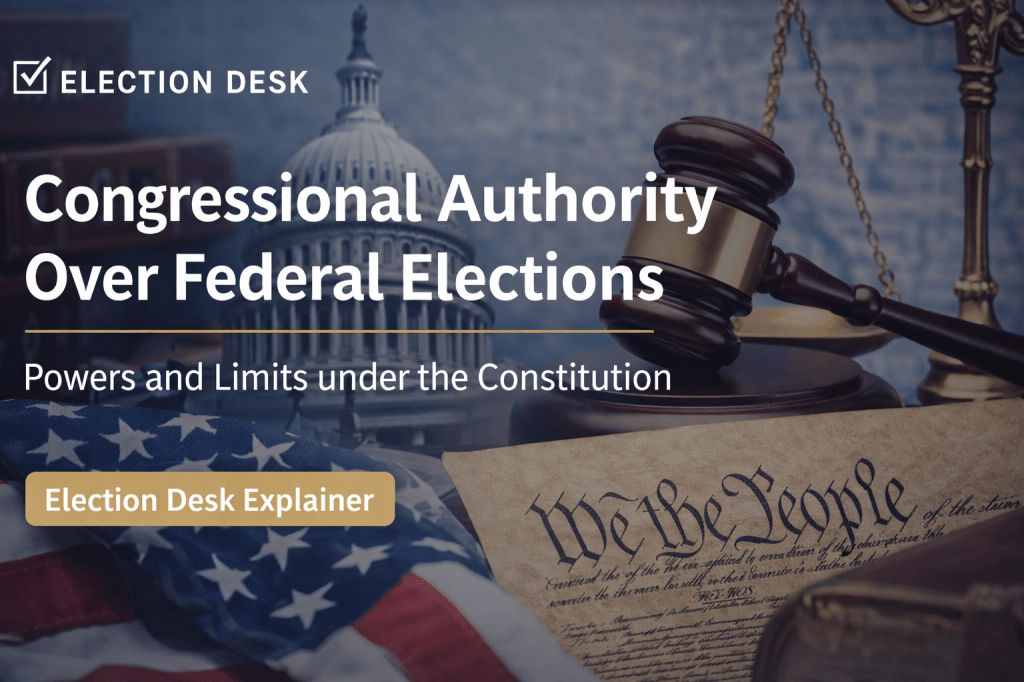
Congressional Power Under the U.S. Constitution: What It Can and Cannot Do on Election Rules
The U.S. Constitution’s Elections Clause grants Congress the power to regulate federal elections, allowing it to override state laws. However, this authority is balanced by constitutional limits and historical practices, with states primarily managing election administration. Proposed reforms face judicial scrutiny and must align with constitutional provisions, emphasizing a dual authority structure.
 Election Desk