Election Desk | Explainer
As election security debates intensify, one recurring claim surfaces every cycle: Can the federal government send troops or federal law enforcement into polling places?
The short answer is no, with extremely narrow historical exceptions. U.S. election law — at both the federal and state level — has long drawn a bright line keeping federal armed forces and federal law enforcement out of polling places to protect voter freedom and prevent intimidation.
A recent analysis by the Brennan Center for Justice lays out the legal framework behind that prohibition — and why it remains one of the most important guardrails in American democracy.
The Core Rule: No Federal Forces at the Polls
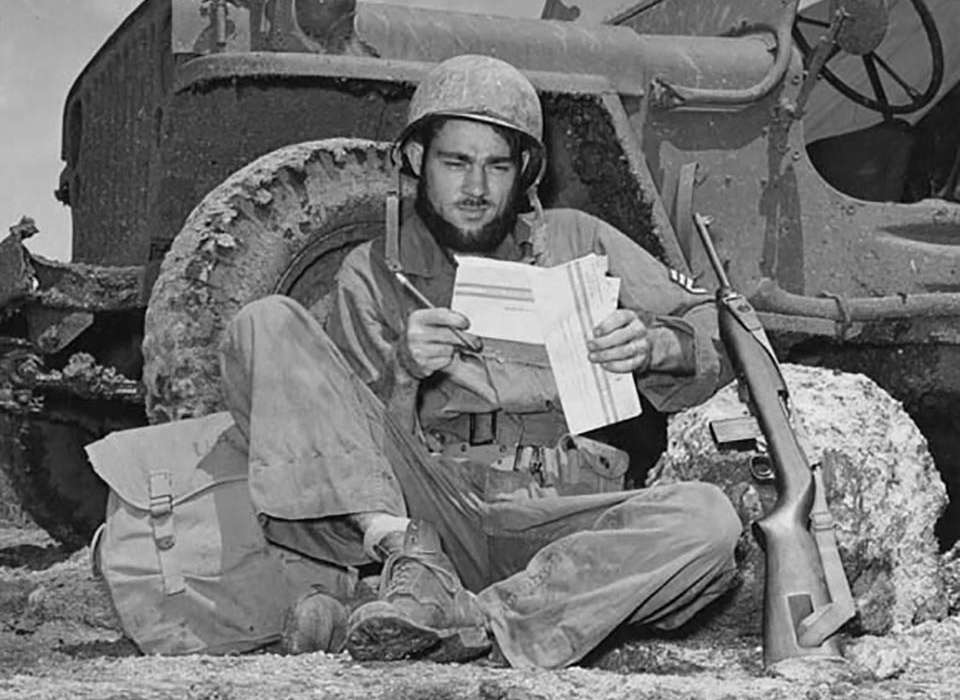
Under U.S. law, active-duty federal military forces are barred from serving as polling-place security or engaging in election administration. This principle is grounded in both statute and constitutional tradition.
Key federal laws include:
- The Posse Comitatus Act (1878)
Prohibits the use of the U.S. Army and Air Force (and by extension the Navy and Marines) for domestic law enforcement, including election policing, unless Congress explicitly authorizes it. - Reconstruction-Era Election Protections
Passed after the Civil War to prevent federal troops from being used to intimidate voters or influence elections — particularly in former Confederate states.
Together, these laws reflect a hard-learned lesson from U.S. history: armed federal presence near the ballot box undermines free elections.
What About Federal Law Enforcement?
The restrictions are not limited to the military.
Federal law also limits the role of agencies like the FBI, DHS, ICE, or U.S. Marshals at polling places. They:
- May not patrol polling locations
- May not question voters
- May not act as visible security inside or immediately outside polling sites
Their involvement is generally limited to investigating crimes after the fact, not preventing them through physical presence at the polls.
State Law Reinforces the Ban
Most states go even further.
According to the Brennan Center’s review, the vast majority of states explicitly prohibit armed personnel — including police — from entering polling places, with narrow exceptions such as:
- Voting to cast their own ballot
- Responding to an immediate emergency at the request of election officials
This means that even local law enforcement is typically restricted, reinforcing the principle that voting should occur in a non-coercive civilian environment.
What About the National Guard?
The National Guard occupies a unique legal space.
- When acting under state authority (Title 32 or state active duty), governors may deploy Guard members for general election security, such as protecting election infrastructure or responding to emergencies.
- However, Guard members are not used as polling-place security and are not stationed inside voting locations.
Crucially, once federalized (Title 10), the Guard becomes subject to the same restrictions as active-duty troops.
The Only Exception: Insurrection Act (Rare and Risky)
The Insurrection Act is often cited as a loophole — but it is not an election-security tool.
While it allows the president to deploy federal troops domestically in extreme circumstances (e.g., rebellion or breakdown of state authority), using it to influence or oversee voting would almost certainly violate constitutional protections and invite immediate court challenges.
Historically, even during periods of unrest, presidents have avoided deploying federal troops anywhere near polling places.
Why These Rules Exist
The Brennan Center emphasizes that these bans are not symbolic — they are functional safeguards rooted in experience.
Historically:
- Armed forces near polling places were used to suppress minority voters
- Visible security chilled turnout, even without direct interference
- Federal power was abused to influence local elections
Modern election law is designed to ensure that voters encounter ballots — not badges or rifles — when they vote.
Common Myths, Debunked
Myth: Federal troops can be sent in to “secure” elections
Reality: Election security is a civilian, state-run function
Myth: Federal agents can monitor polling places
Reality: Monitoring is done by trained poll workers and authorized civilian observers
Myth: Military presence deters fraud
Reality: Fraud prevention relies on verification, audits, and post-election review — not force
Bottom Line
U.S. election law is deliberately clear: the federal government does not police voting.
The prohibition on federal forces at polling places is not a loophole or oversight — it is a cornerstone of free elections, protecting voters from intimidation and preserving public trust in the outcome.
As election rhetoric escalates, understanding this legal boundary matters — because once armed power enters the voting booth, democracy is already in trouble.
Election Desk
Clear rules. Verified law. No spin.
 Election Desk
Leave a comment