Tag: voting rights
-
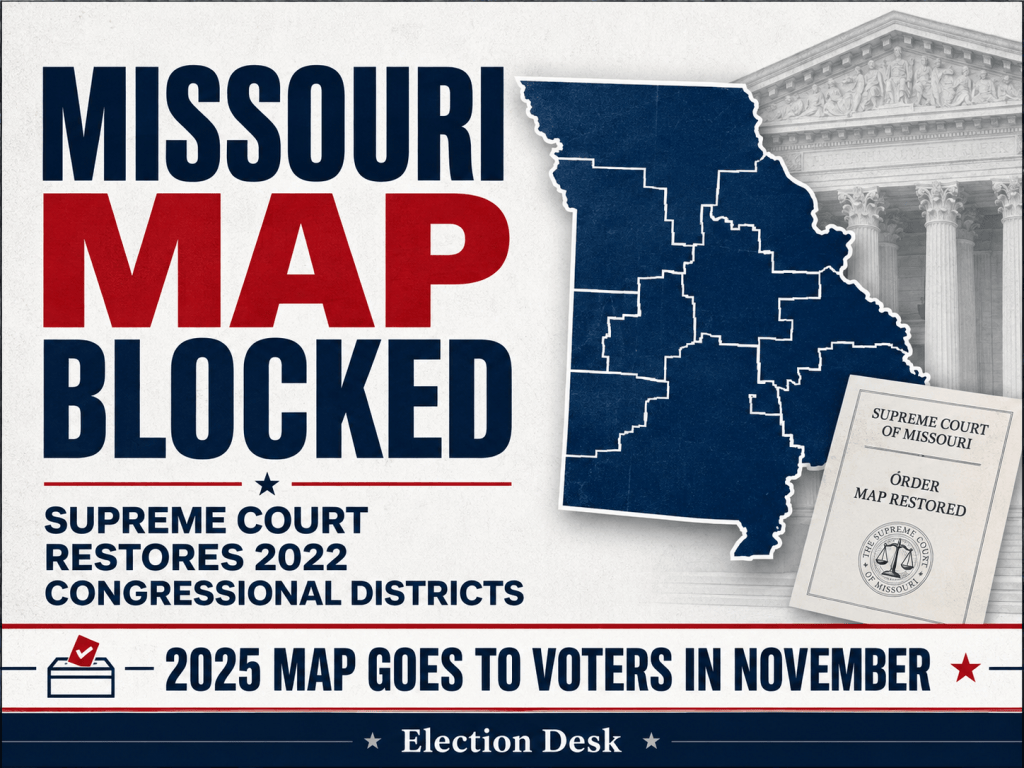
Missouri Supreme Court Orders 2022 Congressional Lines Restored, Sends Redistricting Map to November Ballot
The Missouri Supreme Court unanimously ruled on September 3 that the state’s congressional redistricting plan from 2025 cannot be used in the upcoming general election, reinstating the 2022 district lines while a voter referendum proceeds. The decision emphasizes constitutional provisions allowing a referendum on redistricting and addresses Secretary of State Denny Hoskins’s delayed actions.
-
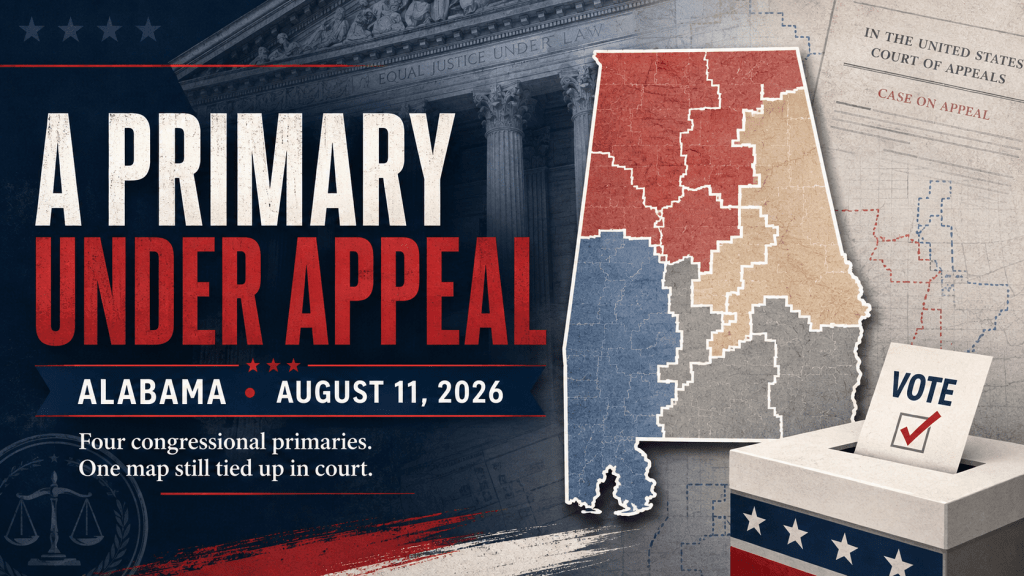
Alabama Holds Congressional Primaries Under a Map Still Tied Up in Court
Alabama voters participated in special primaries for four congressional districts amid ongoing federal litigation over the state’s congressional map. Turnout was historically low due to confusion from rapid election timelines. The 2023 map, criticized for racial discrimination, alters Democratic representation, while the legal outcome will ultimately determine election validity.
-

Federal Judge Expands Nationwide Block on Trump Mail-Ballot Order as Supreme Court Weighs Two Requests to Lift It
A federal judge in Boston, Indira Talwani, has broadened a previous injunction against a Trump executive order restricting mail-in ballots to apply nationwide, citing urgent election concerns. This ruling comes amid ongoing Supreme Court deliberations regarding the order. It blocks the USPS from enforcing specific sections of the order before the November elections.
-
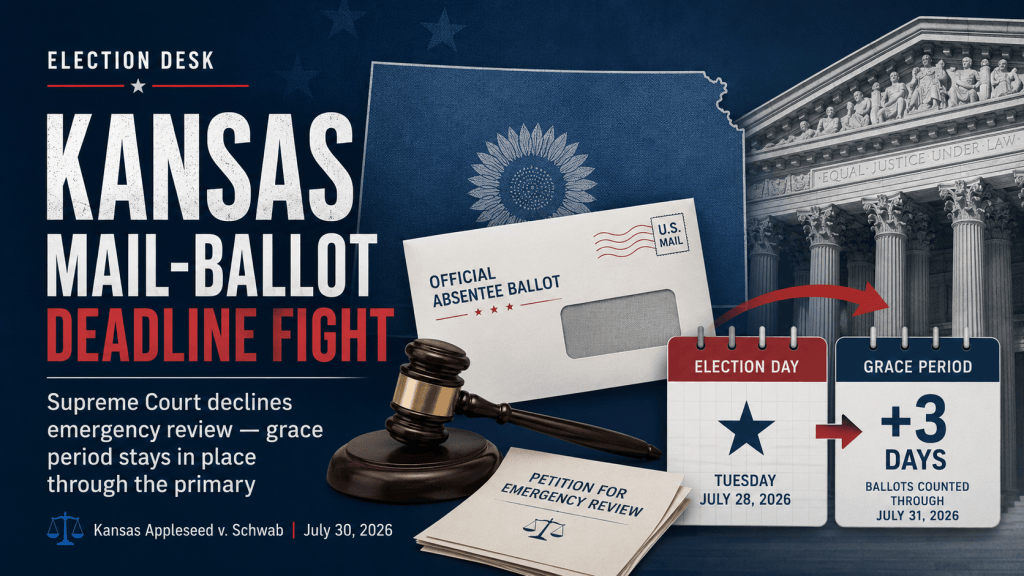
Kansas Supreme Court Declines Emergency Review of Mail-Ballot Grace Period Case, Leaving Injunction in Place Through the Primary
The Kansas Supreme Court declined an emergency appeal from Secretary of State Scott Schwab, upholding a district court’s injunction that reinstates a three-day grace period for mail ballots ahead of the August 4 primary. The case’s constitutional issues regarding Senate Bill 4 remain unresolved as it continues in the Court of Appeals.
-

Maryland’s Redistricting Amendment Faces a Ballot-Deadline Lawsuit — Here’s the Case Being Made on Both Sides
A lawsuit in Maryland aims to remove a congressional redistricting amendment, HB 2100, from the November ballot, claiming the General Assembly missed its certification deadline. While the timing is disputed, the amendment would change the rules for congressional map-drawing, potentially benefiting the Democratic majority before 2028 elections.
-
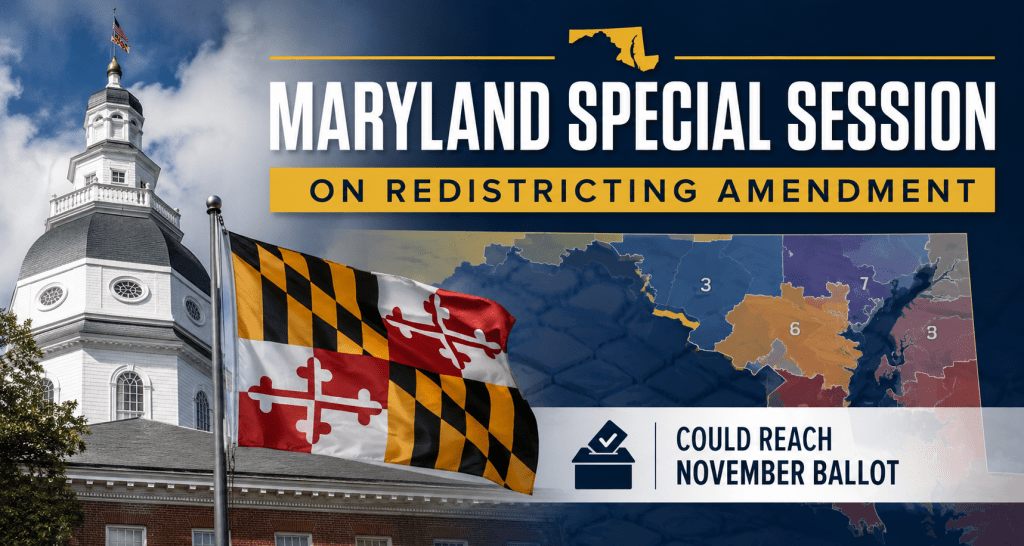
Maryland Lawmakers Convene Special Session Monday on a Constitutional Amendment That Could Reach the November Ballot
Maryland’s General Assembly begins a special session on August 3 to consider a proposed constitutional amendment affecting future congressional redistricting standards. While no new map will be drawn, the amendment aims to clarify legal frameworks governing redistricting and potentially expedite judicial review of disputes. Voter approval is sought for the ballot in 2026.
-
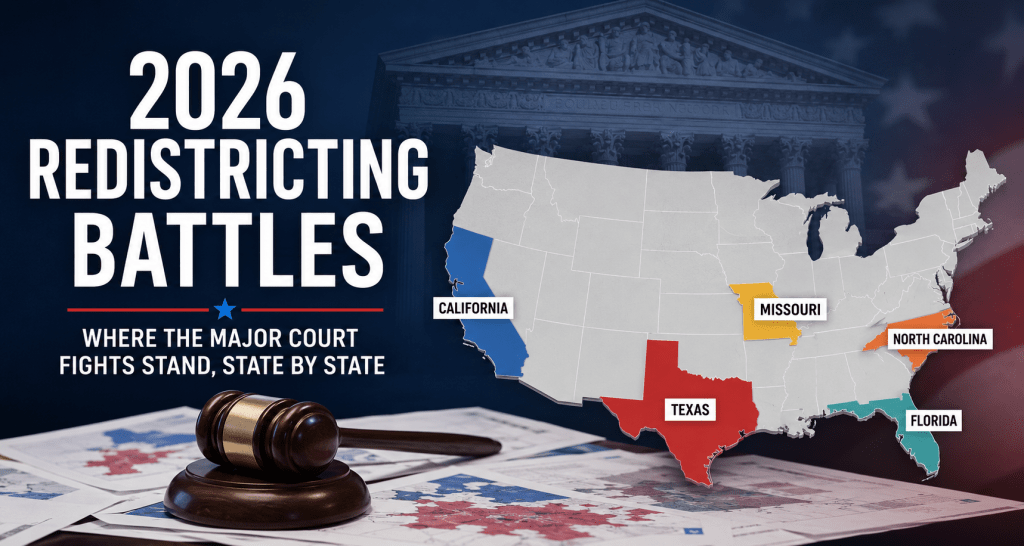
Where the 2026 Redistricting Battles Stand, State by State
—
by
Mid-decade redistricting has affected more states recently, prompting legal disputes related to congressional maps as the 2026 elections approach. Key developments include Texas and California’s map adjustments passing legal scrutiny while North Carolina and Missouri face ongoing challenges. The Supreme Court’s recent ruling on Louisiana’s map may impact future gerrymandering cases.
-

Federal Court Rejects DOJ Bid to Access New Jersey’s Full Voter Roll
A New Jersey federal judge dismissed the DOJ’s lawsuit for the state’s unredacted voter registration list, stating the federal law cited does not permit such requests. This ruling highlights legal limits on federal access to voter data, impacting similar cases across the nation as the DOJ continues its efforts to obtain voter information.
-
Vermont House Passes Bill Criminalizing Election Interference
The Vermont House of Representatives approved bill H. 541, aimed at strengthening protections against voter and election official interference. Sponsored by Representatives Ian Goodnow and Kate Nugent, the legislation expands criminal prohibitions, imposing penalties for intimidation and obstruction. It now moves to the Senate for further review and potential amendments.
-
Michigan Group Claims Enough Signatures to Put Citizenship, Voter ID Question on 2026 Ballot
A conservative group in Michigan, Secure MI Vote, has gathered enough signatures for a proposed constitutional amendment to appear on the 2026 ballot. The amendment requires proof of U.S. citizenship and photo ID for voting. Supporters believe it enhances election security, while opponents fear it may restrict access and invite legal challenges.
 Election Desk