Author: Michael Phillips
-
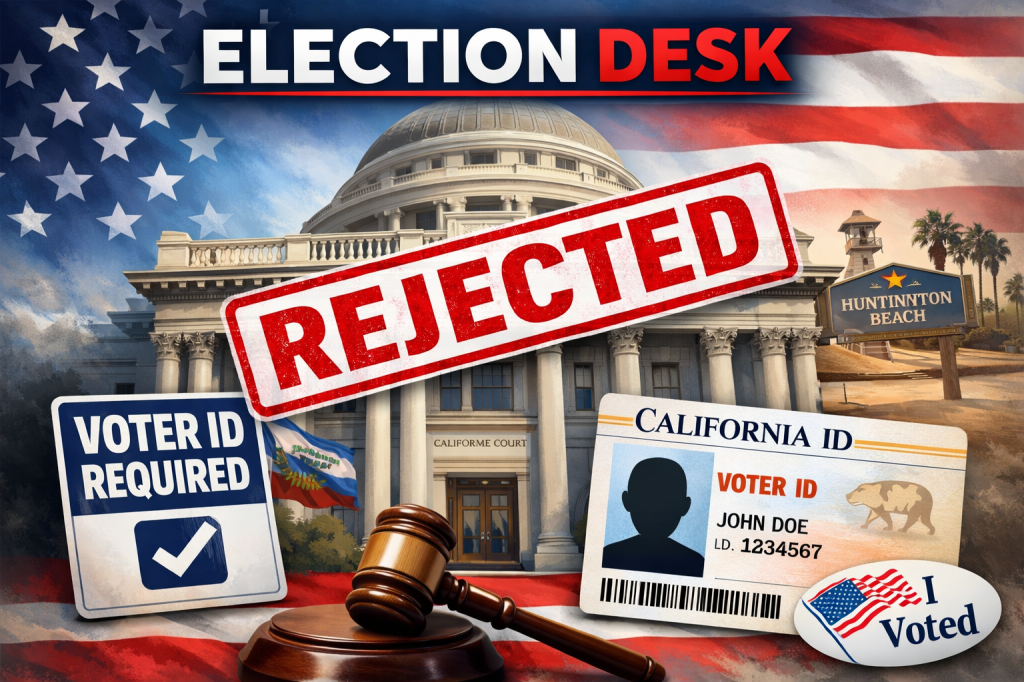
California Supreme Court Ends Huntington Beach’s Voter ID Law Fight
The California Supreme Court’s decision not to review an appeal from Huntington Beach has invalidated a voter ID requirement approved by local voters in 2024. The ruling affirms state authority over election laws, halting local efforts that critics say could suppress voter turnout while advocates argue they enhance election integrity. A new statewide initiative may…
-
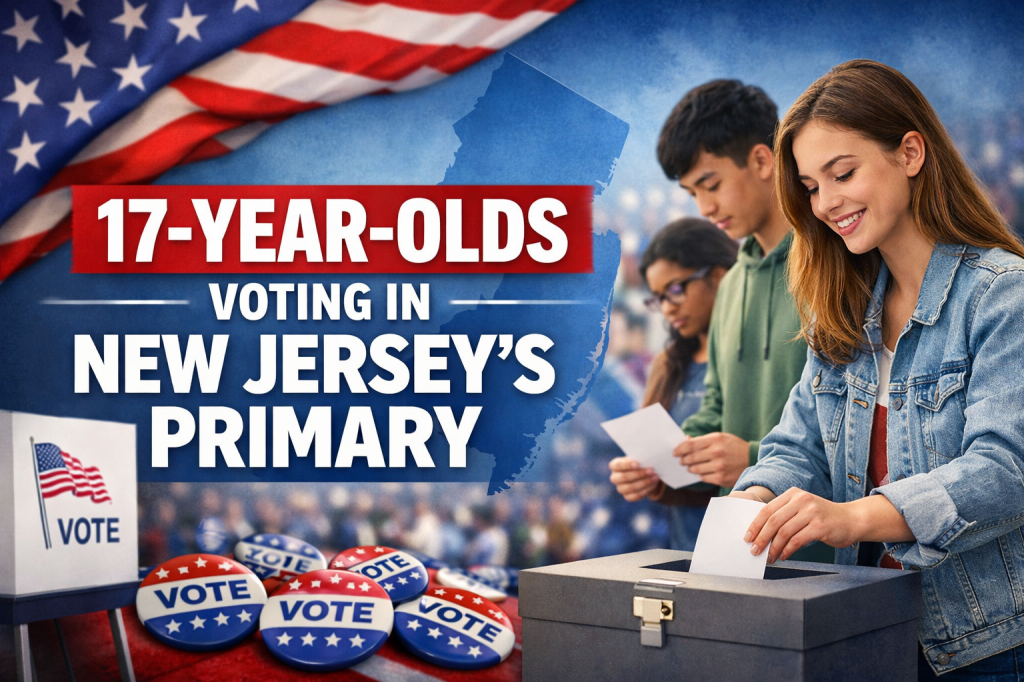
New Jersey Tests Expanded Youth Franchise as 17-Year-Olds Cast Ballots in Primary
New Jersey is pioneering youth voting by allowing 17-year-olds, who will turn 18 by the general election, to participate in the February 2026 congressional primary. This initiative, part of the New Voter Empowerment Act, aims to enhance civic engagement among young people, potentially influencing future electoral participation trends.
-
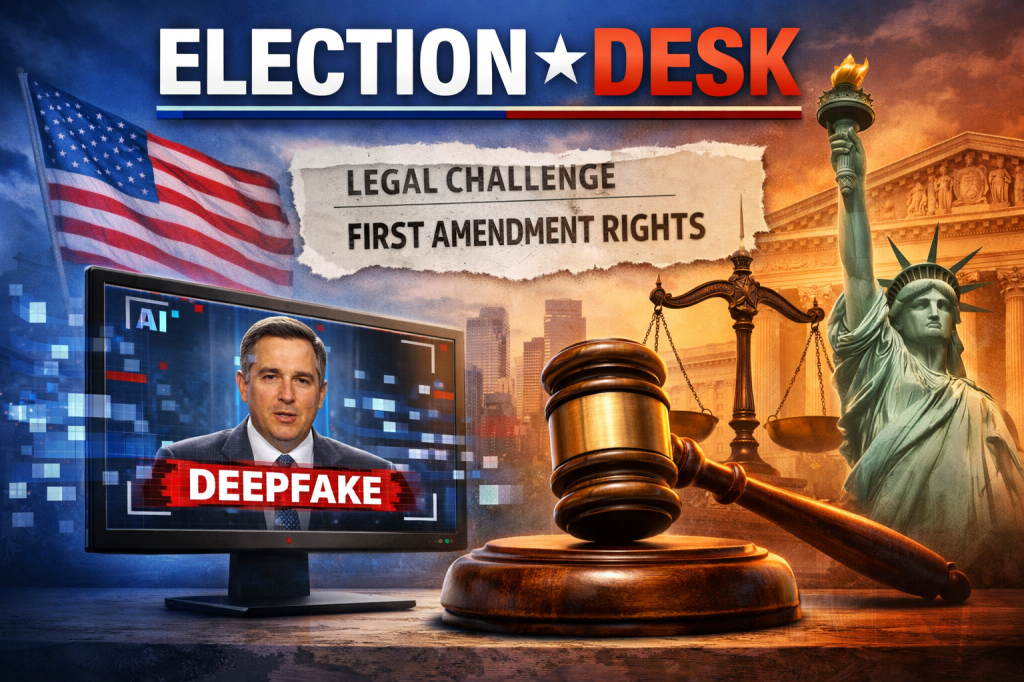
Federal Court Strikes Down Hawaii Deepfake Election Law on First Amendment Grounds
A federal judge ruled Hawaii’s deepfake law unconstitutional, stating it infringed on First Amendment rights by imposing content-based restrictions on political speech. The law aimed to limit AI-generated media misleading voters but was found vague and potentially arbitrary. The ruling emphasizes the balance between addressing disinformation and protecting free speech.
-
Judge Blocks New Citizenship Requirements in Latest Setback to Trump Election Executive Order
A federal judge has blocked provisions from former President Trump’s executive order that aimed to impose federal oversight on voter eligibility and citizenship verification. The ruling emphasizes that such changes require congressional approval, reinforcing the constitutional balance of power between state and federal election administration. Future attempts to alter election rules will face scrutiny.
-
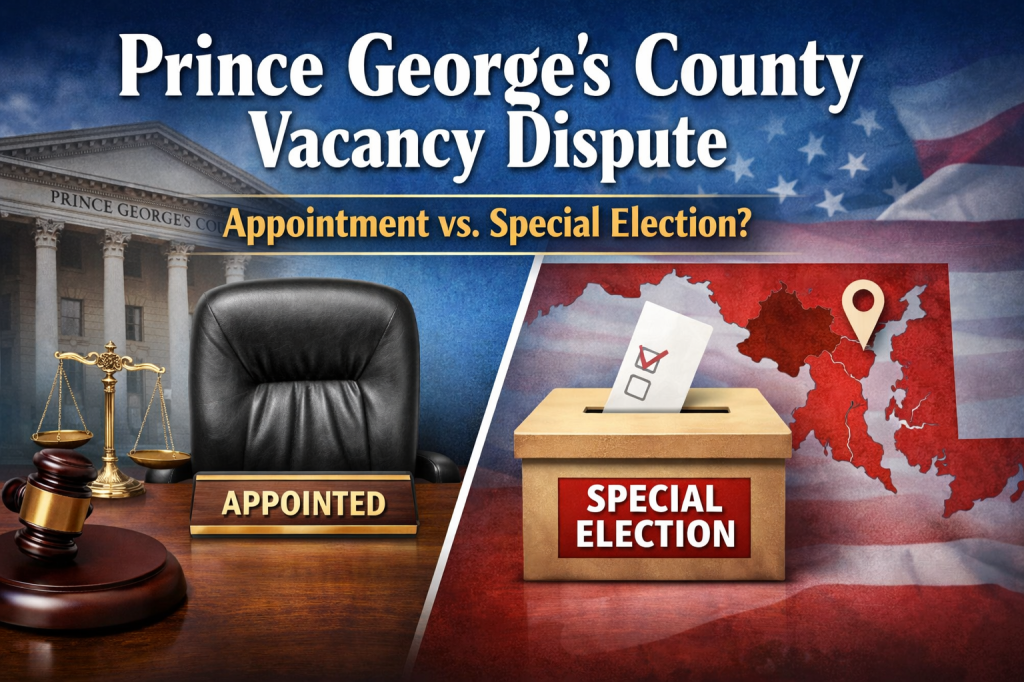
Prince George’s County Lawsuit Raises Questions About Appointment vs. Election Rules
A lawsuit by Prince George’s County residents challenges the council’s decision to appoint a replacement for an at-large seat instead of holding a special election, claiming it violates the county charter. The case raises questions about appointment authority, vacancy timing, and implications for voter representation and election administration across Maryland.
-
Maryland Campaign Finance Explained: How Exploratory Committees Became a Regulatory Blind Spot
Maryland’s campaign finance system, known for its structured disclosure requirements, faces scrutiny regarding the exploratory phase of candidacy. Currently, regulations allow fundraising without registration or donor disclosure prior to official declarations. Proposed bills HB 157 and SB 65 aim to define exploratory committees, enforce transparency, and align pre-candidacy fundraising with existing rules.
-
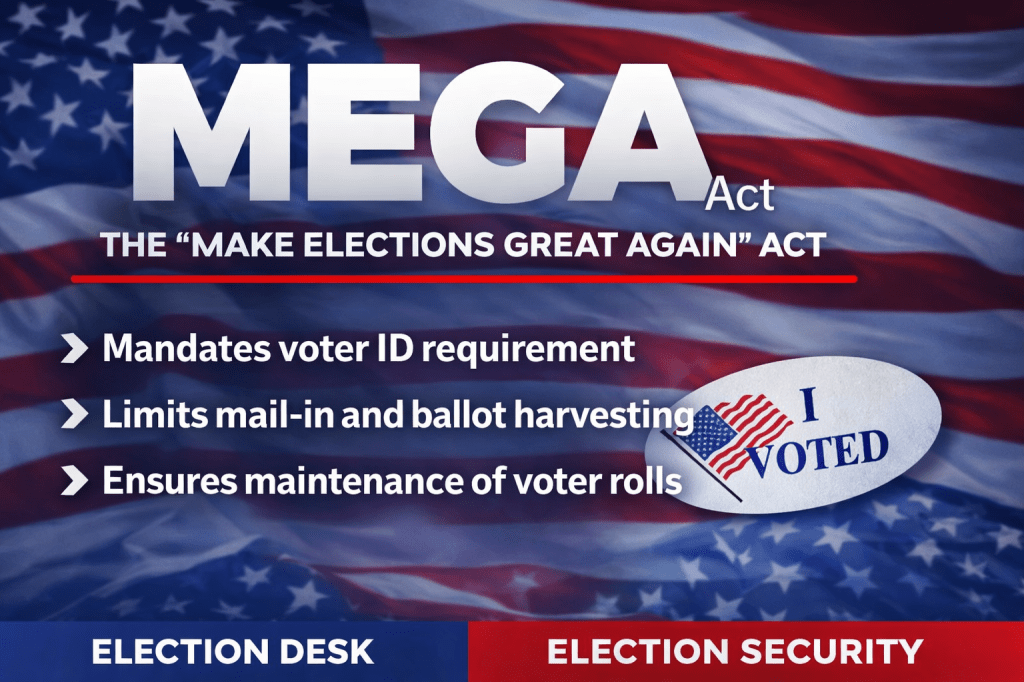
Republicans Unveil ‘Make Elections Great Again’ Act: What It Would Do and Why It Matters
Republicans unveiled the Make Elections Great Again Act (MEGA Act), aimed at establishing national standards for federal elections to enhance voter confidence and security. The bill requires photo IDs, new voter registration criteria, and stricter ballot regulations. Critics argue it risks voter access, particularly for marginalized groups, intensifying debates ahead of the 2026 midterms.
-
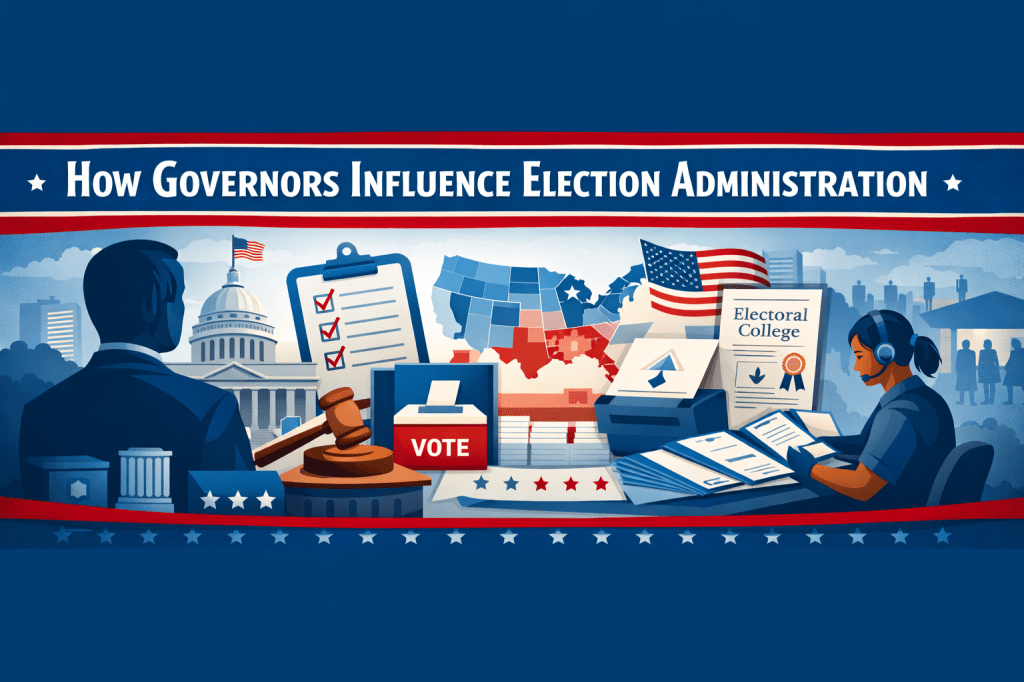
How Governors Influence Election Administration
In the U.S., election administration is mainly handled by states, with governors playing significant roles through appointment powers, executive oversight, legal leadership, and coordination with local officials. Their influence varies across states, impacting election policies and procedures despite different constitutional frameworks and statutory arrangements governing elections.
-
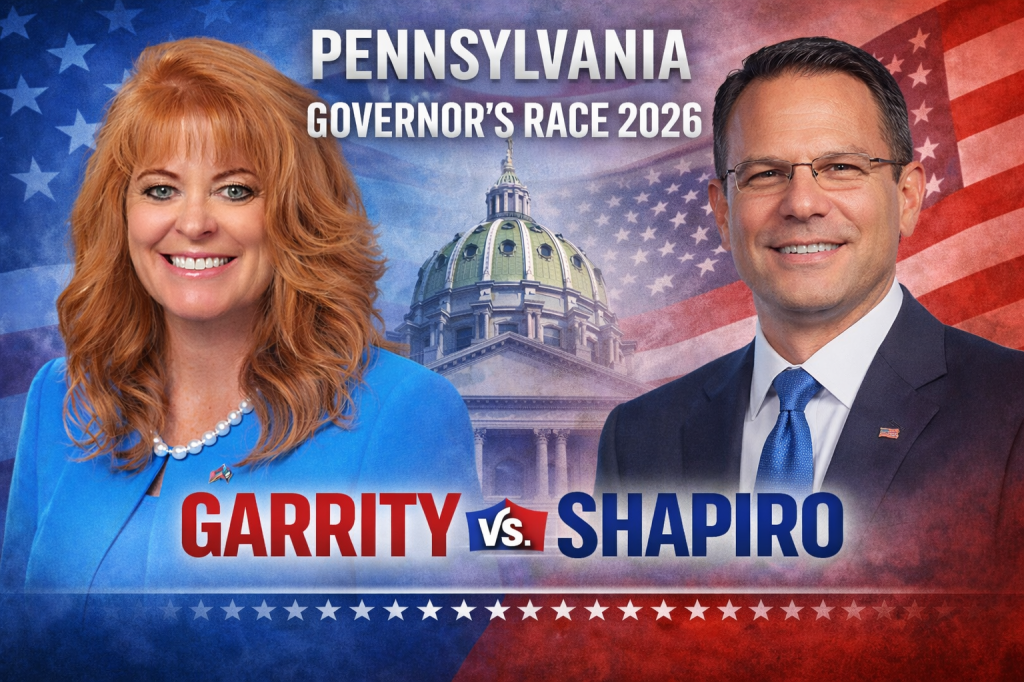
Pennsylvania Governor’s Race 2026: Shapiro vs. Garrity Emerges as the De Facto Matchup
The 2026 Pennsylvania gubernatorial election features incumbent Democrat Josh Shapiro running for reelection against Republican Stacy Garrity. Shapiro faces no serious primary challengers, while Garrity has consolidated GOP support, bolstered by Trump’s endorsement. Polling shows Shapiro leading significantly, highlighting the race’s implications for future elections and party dynamics.
-
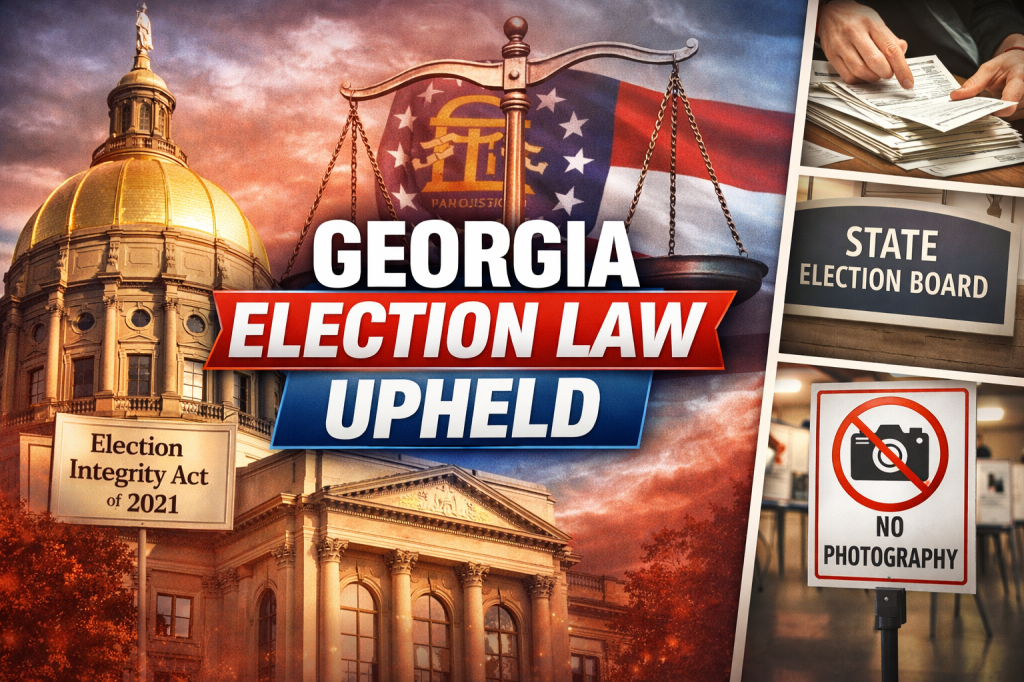
Federal Appeals Court Upholds Key Provisions of Georgia’s Election Law
A federal appeals court upheld key components of Georgia’s 2021 election law, including state authority over local election administration and a ban on ballot photography at polling places. The unanimous ruling found plaintiffs lacked legal standing, preserving the provisions amid ongoing legal challenges and debates over election integrity and voter access.

