Tag: constitutional law
-

When the Court Steps Aside: California’s Mid-Decade Redistricting and Its National Implications
The U.S. Supreme Court allowed California’s revised congressional map to take effect for the 2026 elections, highlighting ongoing issues in redistricting. While it declined to rule on mid-cycle redistricting’s constitutionality, the decision may encourage other states to explore similar changes. Future challenges will likely focus on concrete violations rather than partisan motives.
-
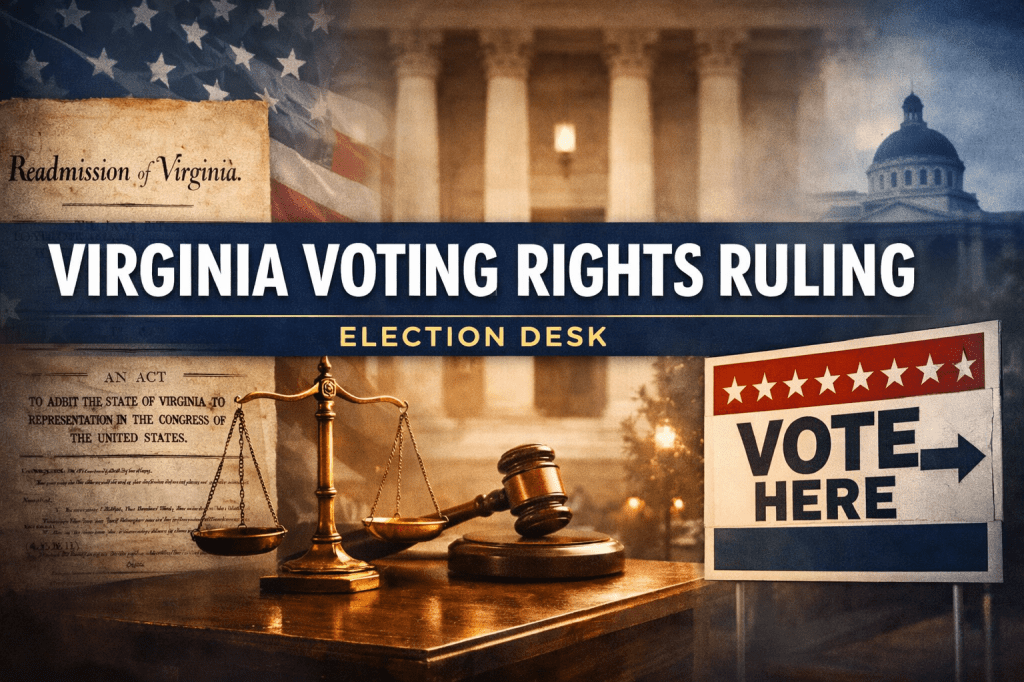
Federal Judge Blocks Virginia Voting Restrictions, Revives Reconstruction-Era Law
A federal judge has blocked parts of Virginia’s voting restrictions, citing likely violations of federal law related to voter eligibility. The ruling, referencing the Virginia Readmission Act of 1870, revives historical protections and may influence future election law by affecting similar statutes in other states, especially concerning voting rights for felons.
-
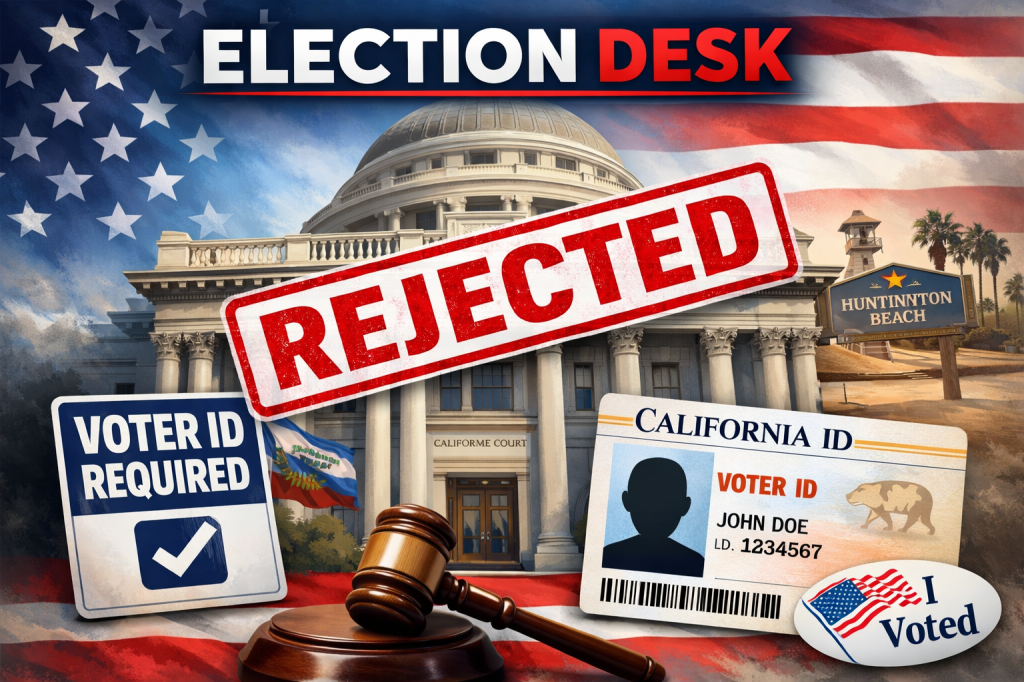
California Supreme Court Ends Huntington Beach’s Voter ID Law Fight
The California Supreme Court’s decision not to review an appeal from Huntington Beach has invalidated a voter ID requirement approved by local voters in 2024. The ruling affirms state authority over election laws, halting local efforts that critics say could suppress voter turnout while advocates argue they enhance election integrity. A new statewide initiative may…
-
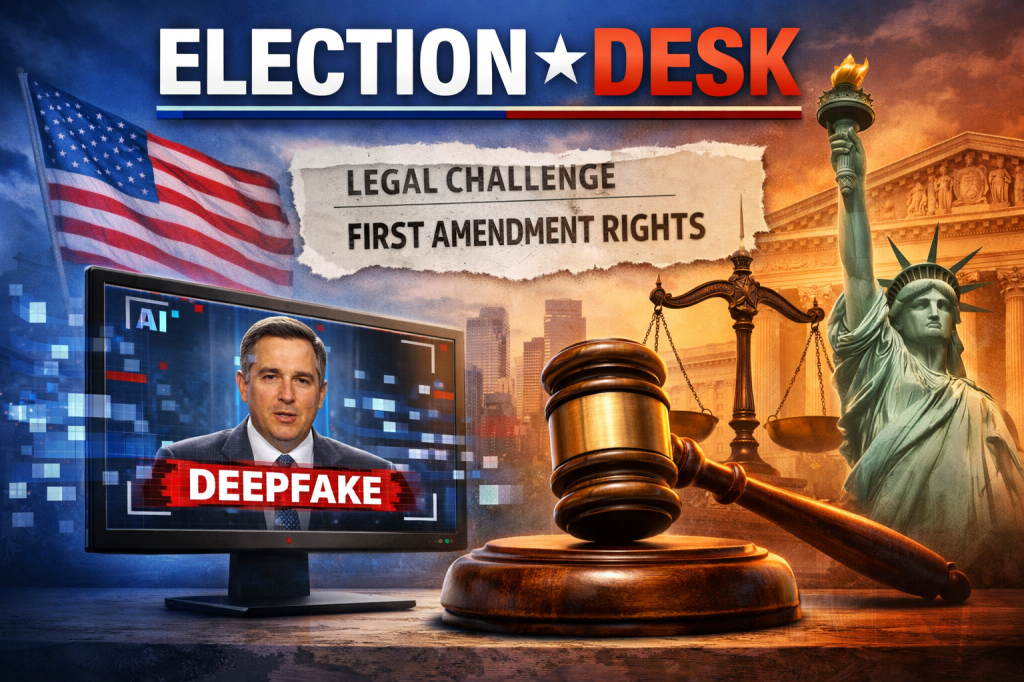
Federal Court Strikes Down Hawaii Deepfake Election Law on First Amendment Grounds
A federal judge ruled Hawaii’s deepfake law unconstitutional, stating it infringed on First Amendment rights by imposing content-based restrictions on political speech. The law aimed to limit AI-generated media misleading voters but was found vague and potentially arbitrary. The ruling emphasizes the balance between addressing disinformation and protecting free speech.
-
Judge Blocks New Citizenship Requirements in Latest Setback to Trump Election Executive Order
A federal judge has blocked provisions from former President Trump’s executive order that aimed to impose federal oversight on voter eligibility and citizenship verification. The ruling emphasizes that such changes require congressional approval, reinforcing the constitutional balance of power between state and federal election administration. Future attempts to alter election rules will face scrutiny.
-
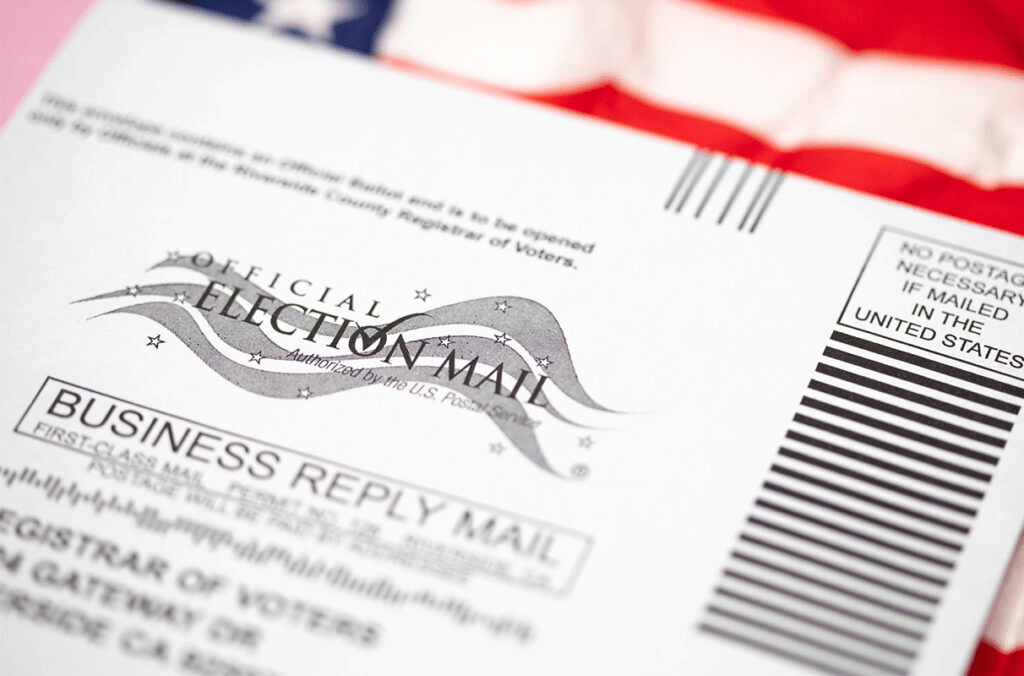
Supreme Court Opens Door for Bost Election Integrity Lawsuit, Shaping Future Election Law Challenges
On January 14, 2026, the U.S. Supreme Court ruled in Bost v. Illinois State Board of Elections that candidates can challenge state election rules in federal court without proving direct impact on election outcomes. The decision broadens candidate standing in election law disputes, potentially increasing pre-election litigation while leaving the legality of Illinois’ mail-in ballot…
-

How Election Lawsuits Actually Work
Election-related lawsuits are integral to American democracy, governed by legal standards like standing, timely filings, and available remedies. Plaintiffs must demonstrate concrete injuries, causation, and timeliness in filing claims. Many lawsuits fail due to lack of standing, missed deadlines, or speculative claims, emphasizing the importance of legal rigor in electoral processes.
 Election Desk