Tag: donald-trump
-
Small-Dollar Donations, Big Questions: What FEC Data Can—and Can’t—Tell Us
Federal campaign finance relies heavily on online small-dollar donations, which raise transparency issues in FEC data. Current donation reporting lacks clarity, creating gaps in understanding. Fragmented oversight complicates anomaly analysis and accountability. Suggested reforms include risk-based verification and standardized reporting to enhance system clarity without restricting fundraising practices, ensuring public confidence.
-
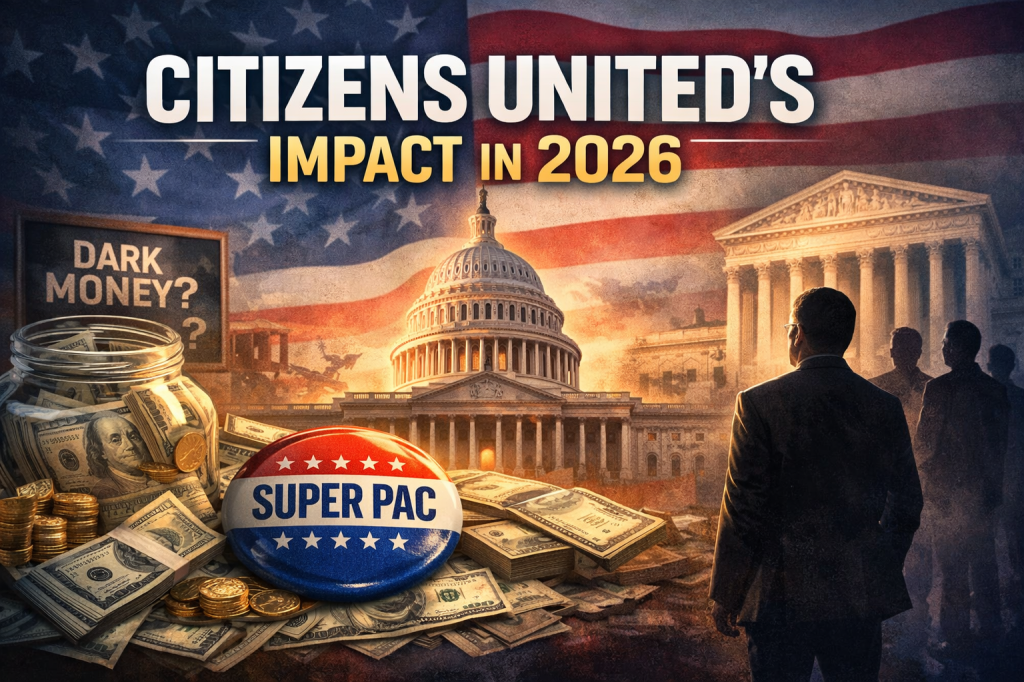
Citizens United’s Enduring Influence: How the 2010 Decision Still Shapes American Elections in 2026
On January 21, 2010, the Supreme Court’s ruling in Citizens United v. FEC allowed unlimited corporate and union spending in federal elections, reshaping campaign finance. This decision led to the rise of super PACs and dark money, raising concerns about transparency and voter influence as the political landscape faces ongoing challenges and calls for reform…
-
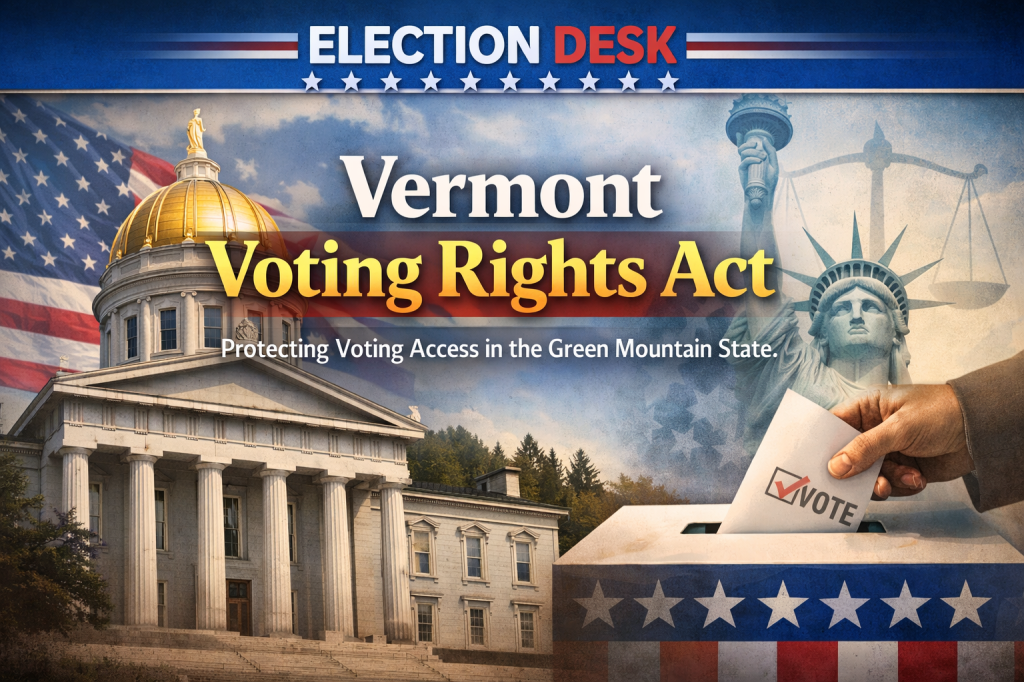
Vermont Lawmakers Move to Codify Voting Rights in State Law Amid National Uncertainty
Democratic lawmakers in Vermont proposed the Vermont Voting Rights Act to embed federal voting protections into state law amidst national concerns about voting rights. The bill aims to expand access for historically underrepresented groups, enhance voter protections, and counteract potential federal rollbacks. It is set for legislative consideration soon.
-
What Happens If Congress Is Split After an Election? Institutional Consequences Explained
Federal elections often result in a split Congress, where no single party controls both chambers. This scenario can lead to legislative gridlock, necessitating bipartisan negotiation for progress. Institutional mechanics, like tie-breaking votes in the Senate and the lack of a tie-breaking mechanism in the House, complicate governance and hinder productivity.
-

Why Federal Forces Are Barred From Polling Places — And What the Law Actually Says
U.S. election law prohibits federal troops and law enforcement from polling places to safeguard voter freedom and prevent intimidation. This principle, rooted in historical statutes like the Posse Comitatus Act, ensures free elections by keeping armed presence away from voting. State laws reinforce this ban, ensuring a non-coercive environment for voters.
-
Congressional Power Under the U.S. Constitution: What It Can and Cannot Do on Election Rules
The U.S. Constitution’s Elections Clause grants Congress the power to regulate federal elections, allowing it to override state laws. However, this authority is balanced by constitutional limits and historical practices, with states primarily managing election administration. Proposed reforms face judicial scrutiny and must align with constitutional provisions, emphasizing a dual authority structure.
-
Supreme Court Opens Door for Bost Election Integrity Lawsuit, Shaping Future Election Law Challenges
On January 14, 2026, the U.S. Supreme Court ruled in Bost v. Illinois State Board of Elections that candidates can challenge state election rules in federal court without proving direct impact on election outcomes. The decision broadens candidate standing in election law disputes, potentially increasing pre-election litigation while leaving the legality of Illinois’ mail-in ballot…
-
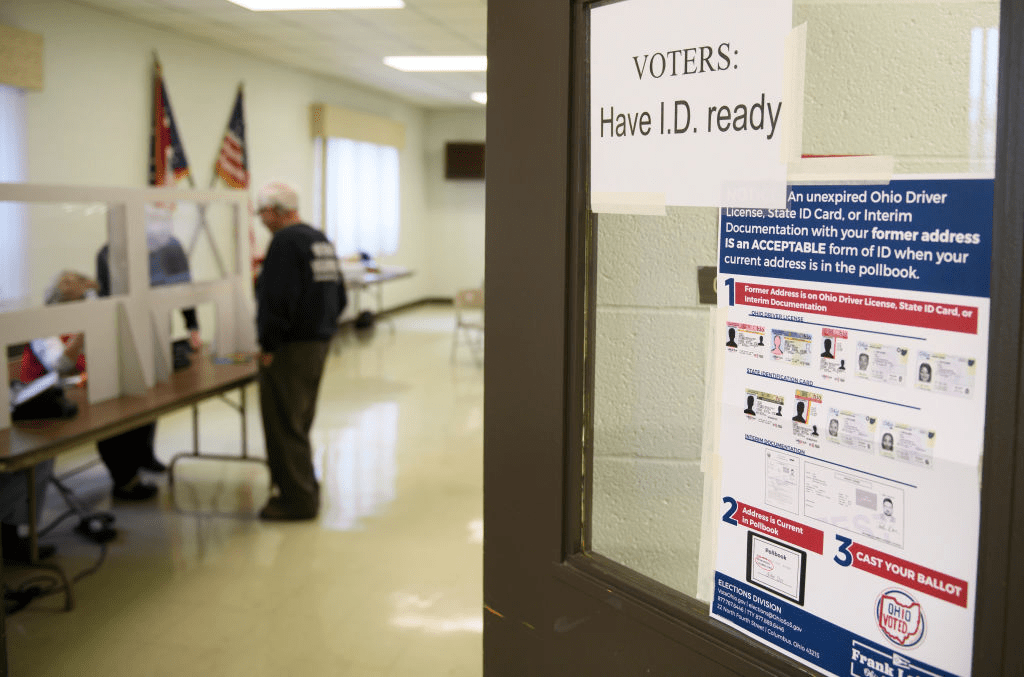
Voter ID Laws Explained: What States Require — and Why It Varies
Voter identification laws in the U.S. vary widely by state regarding requirements, acceptable IDs, and enforcement. States are categorized as having strict or non-strict laws, affecting voter access and ballot counting. Ongoing legal challenges question the balance between election security and accessibility, influencing the evolution of these policies.
-
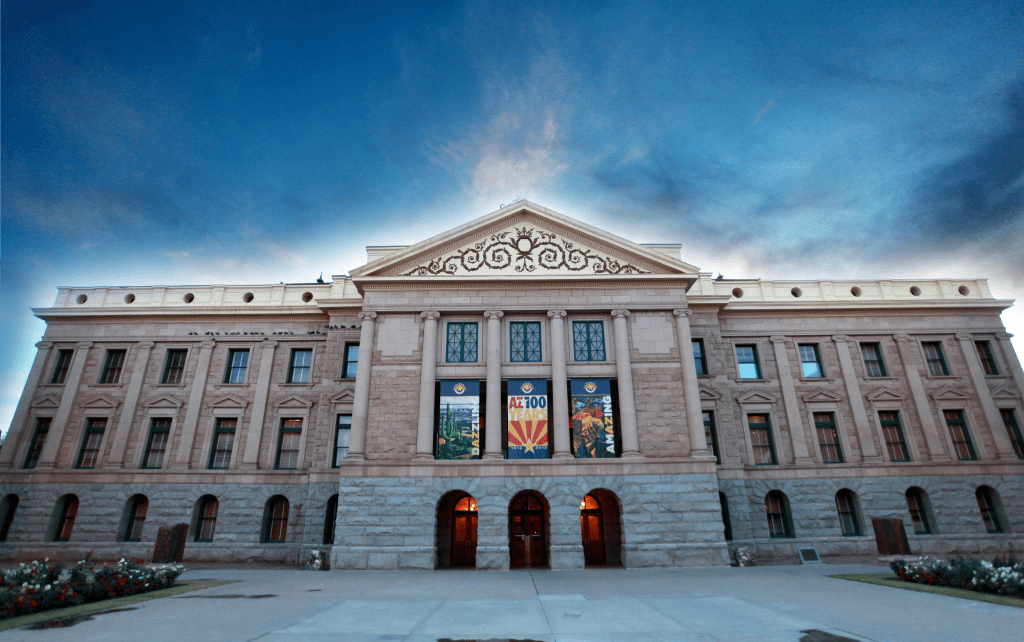
Arizona 2026 Governor’s Race: Who’s Running and What to Watch
Arizona voters will select their governor on November 3, 2026, with party primaries on August 4. Incumbent Democrat Katie Hobbs is likely to secure renomination. The Republican primary features notable candidates like Andy Biggs, Karrin Taylor Robson, and David Schweikert. The election will test Democratic gains and Trump’s influence within the GOP.
-
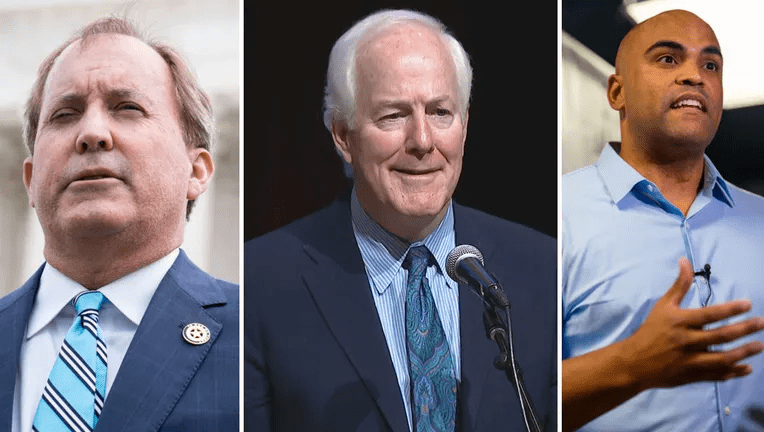
2026 U.S. Senate Race — Texas (Class II)
The 2026 Texas Senate election is highly anticipated, with incumbent Republican John Cornyn facing challengers Ken Paxton and Wesley Hunt in a competitive GOP primary. On the Democratic side, Jasmine Crockett and James Talarico are vying for nomination. Factors such as turnout and demographics will heavily influence the general election outcome.
 Election Desk