Tag: election administration
-
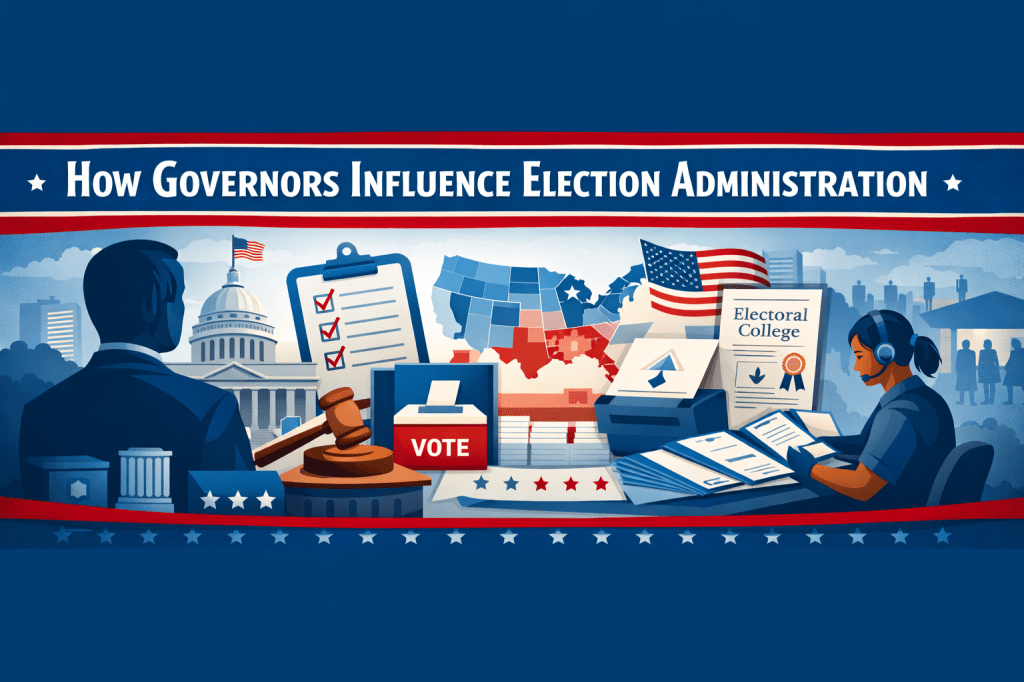
How Governors Influence Election Administration
In the U.S., election administration is mainly handled by states, with governors playing significant roles through appointment powers, executive oversight, legal leadership, and coordination with local officials. Their influence varies across states, impacting election policies and procedures despite different constitutional frameworks and statutory arrangements governing elections.
-
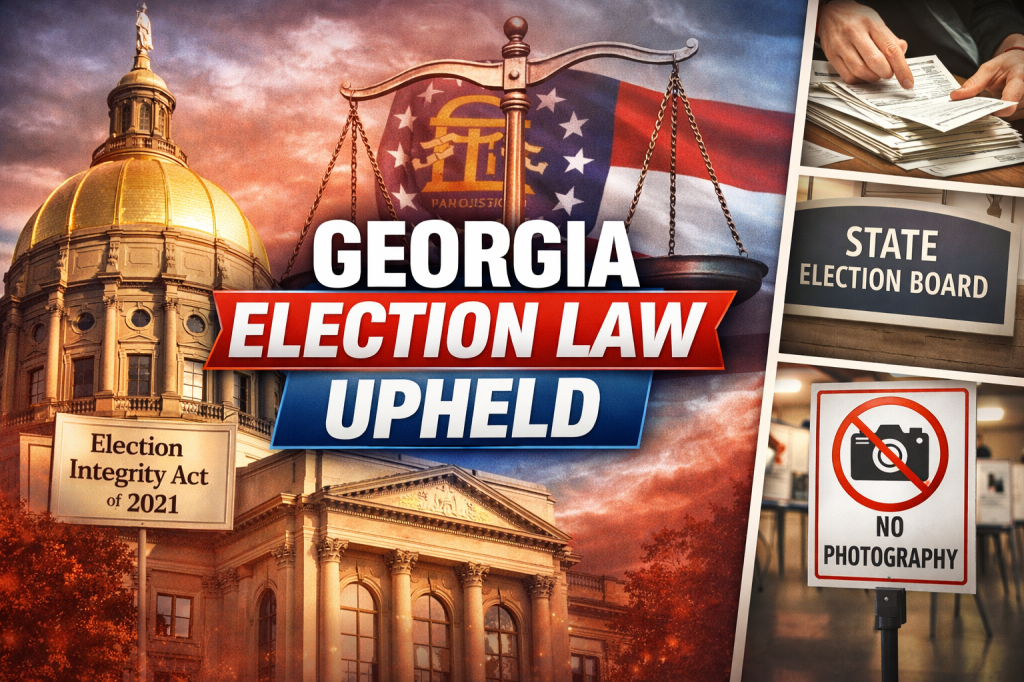
Federal Appeals Court Upholds Key Provisions of Georgia’s Election Law
A federal appeals court upheld key components of Georgia’s 2021 election law, including state authority over local election administration and a ban on ballot photography at polling places. The unanimous ruling found plaintiffs lacked legal standing, preserving the provisions amid ongoing legal challenges and debates over election integrity and voter access.
-
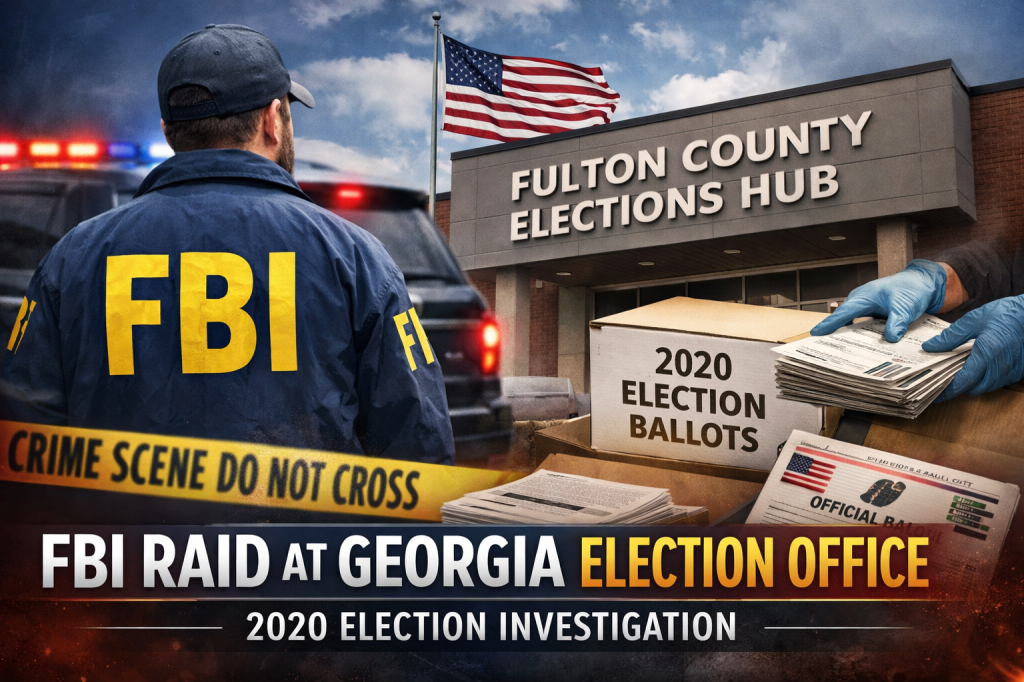
FBI Executes Search Warrant at Georgia Election Office in 2020 Election Probe
On January 28, 2026, FBI agents executed a search warrant at Fulton County’s Election Hub in Georgia as part of a federal investigation into the 2020 presidential election and allegations of fraud. The seizure of ballots and election materials has reignited debates on election integrity and federal authority, impacting future electoral processes.
-
Small-Dollar Donations, Big Questions: What FEC Data Can—and Can’t—Tell Us
Federal campaign finance relies heavily on online small-dollar donations, which raise transparency issues in FEC data. Current donation reporting lacks clarity, creating gaps in understanding. Fragmented oversight complicates anomaly analysis and accountability. Suggested reforms include risk-based verification and standardized reporting to enhance system clarity without restricting fundraising practices, ensuring public confidence.
-
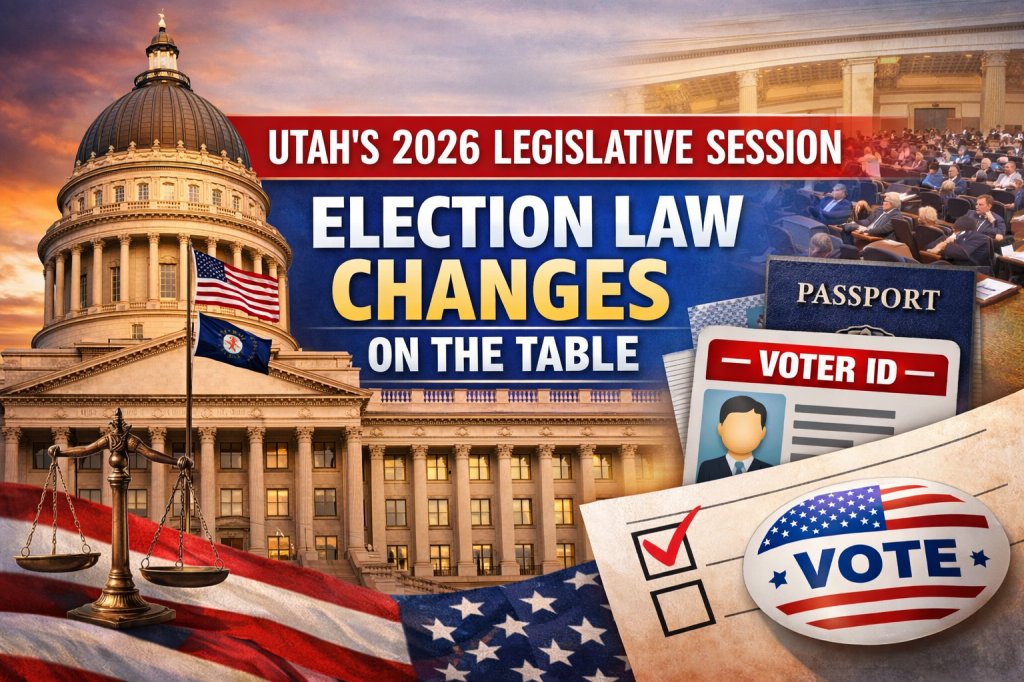
Utah’s 2026 Legislative Session Begins With Election Law Changes on the Table
Utah’s 2026 legislative session is focusing on election law reforms, highlighted by House Bill 209, which seeks to establish a proof of U.S. citizenship requirement for voting. These changes, alongside previous reforms to mail-in voting, have ignited debates over election administration and voter accessibility, with significant implications for the upcoming elections.
-
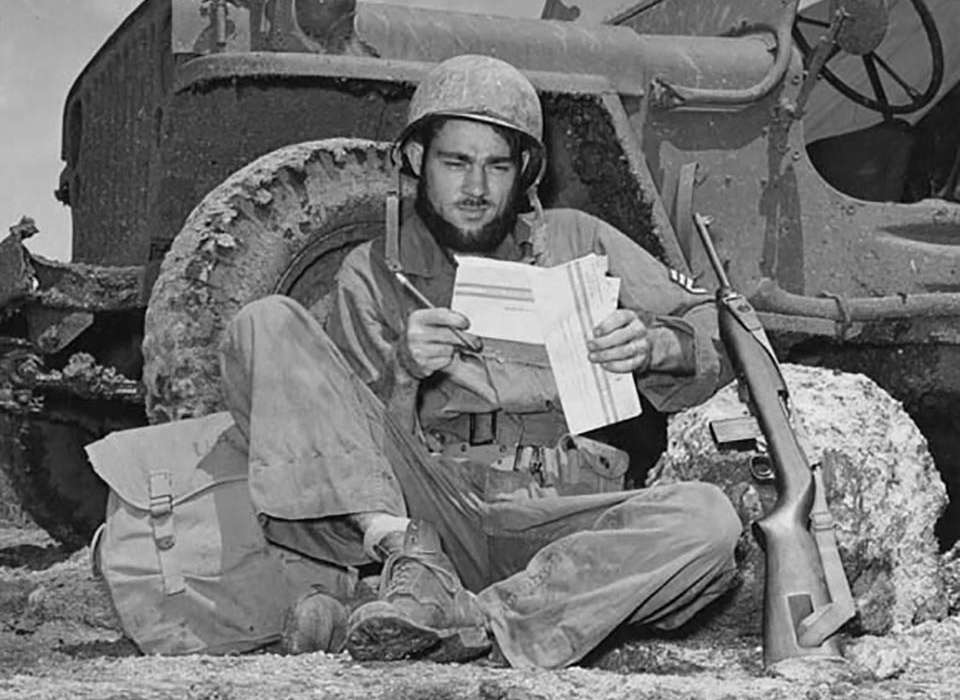
Why Federal Forces Are Barred From Polling Places — And What the Law Actually Says
U.S. election law prohibits federal troops and law enforcement from polling places to safeguard voter freedom and prevent intimidation. This principle, rooted in historical statutes like the Posse Comitatus Act, ensures free elections by keeping armed presence away from voting. State laws reinforce this ban, ensuring a non-coercive environment for voters.
-
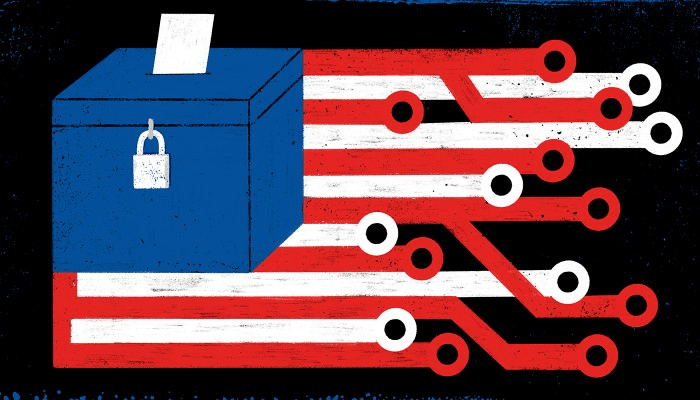
How States Can Protect Election Integrity and Security
State legislatures are vital in shaping U.S. elections, balancing security and access. The Brennan Center for Justice’s report outlines necessary actions to enhance election integrity without restricting voter participation. Key recommendations include securing voting systems, conducting robust audits, protecting election officials, investing in infrastructure, and maintaining clear rules, emphasizing competence to build public trust.
-
Congressional Power Under the U.S. Constitution: What It Can and Cannot Do on Election Rules
The U.S. Constitution’s Elections Clause grants Congress the power to regulate federal elections, allowing it to override state laws. However, this authority is balanced by constitutional limits and historical practices, with states primarily managing election administration. Proposed reforms face judicial scrutiny and must align with constitutional provisions, emphasizing a dual authority structure.
-
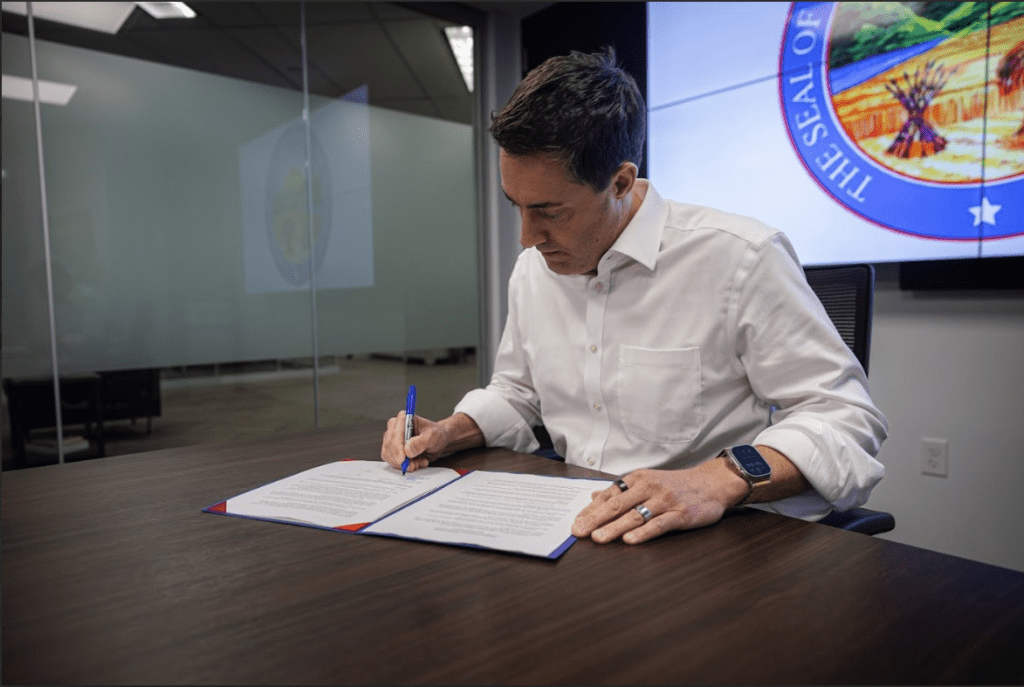
Ohio Launches “EleXa,” a Multi-State Election Integrity Network to Share Voter Data and Combat Illegal Voting
On December 15, 2025, Ohio Secretary of State Frank LaRose launched EleXa, a multi-state election integrity initiative to enhance voter registration accuracy. Eleven states are involved in sharing data to prevent duplicate registrations. LaRose emphasized the initiative’s importance for maintaining election security and public trust while protecting personal information.
-
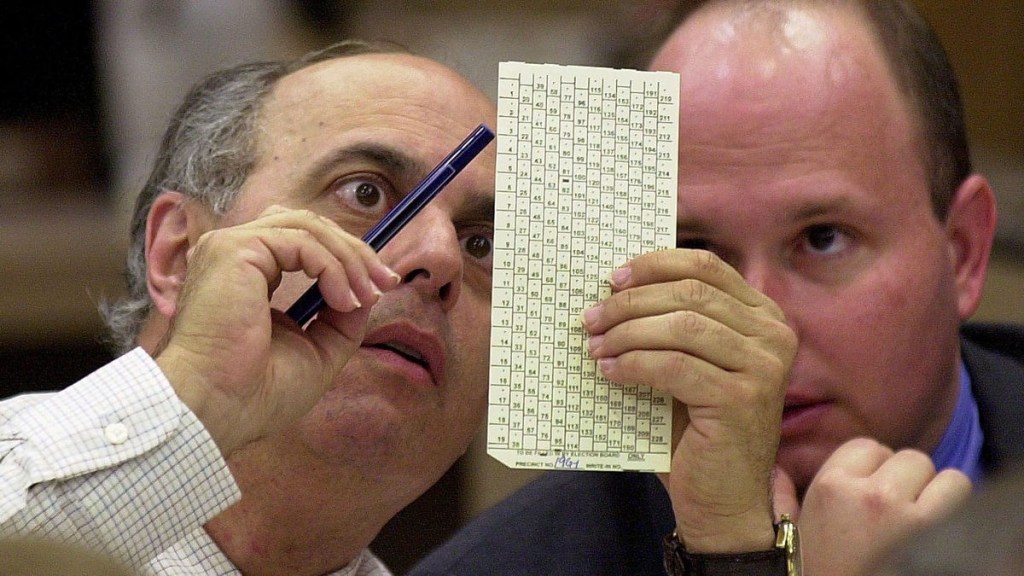
25 Years After Bush v. Gore, Election Law Is Still Living in Its Shadow
Twenty-five years after Bush v. Gore, the Supreme Court’s decision still shapes how elections are run, challenged, and decided. From routine post-election lawsuits to expanded judicial intervention, the 2000 ruling continues to influence election law—and public confidence in democratic outcomes.
 Election Desk