
Tag: election law
-
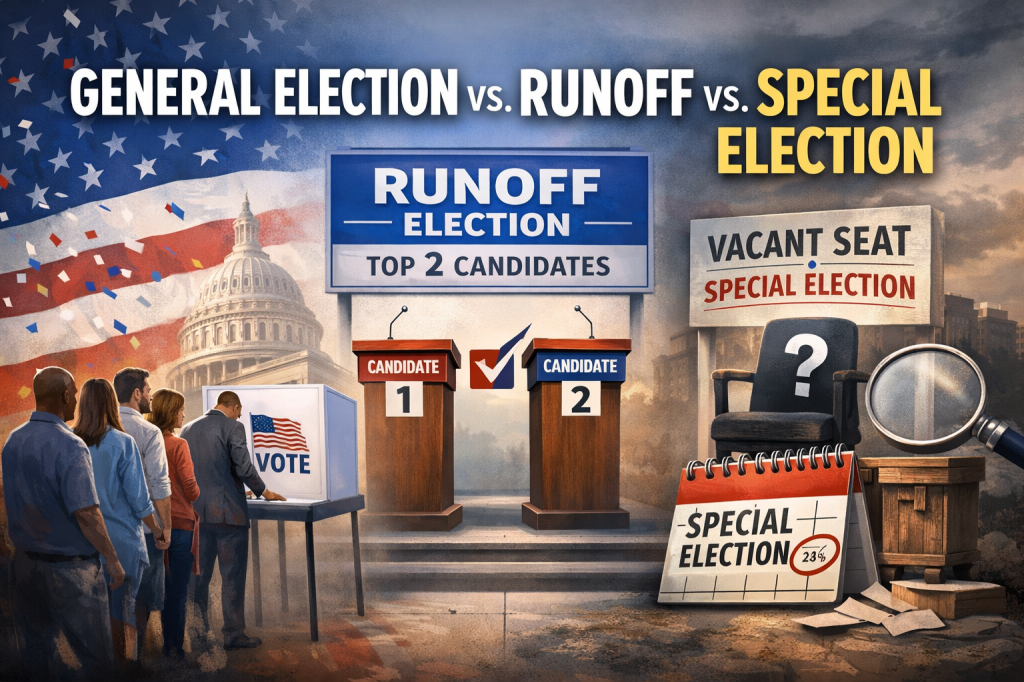
General Elections vs. Runoffs vs. Special Elections — What’s the Difference?
Elections serve different purposes: general elections select officeholders, runoff elections ensure a majority winner when initial votes are inconclusive, and special elections fill unexpected vacancies. Voter turnout varies, with general elections attracting the most participants, while special elections typically see the least. Understanding these dynamics is crucial for comprehending electoral outcomes.
-
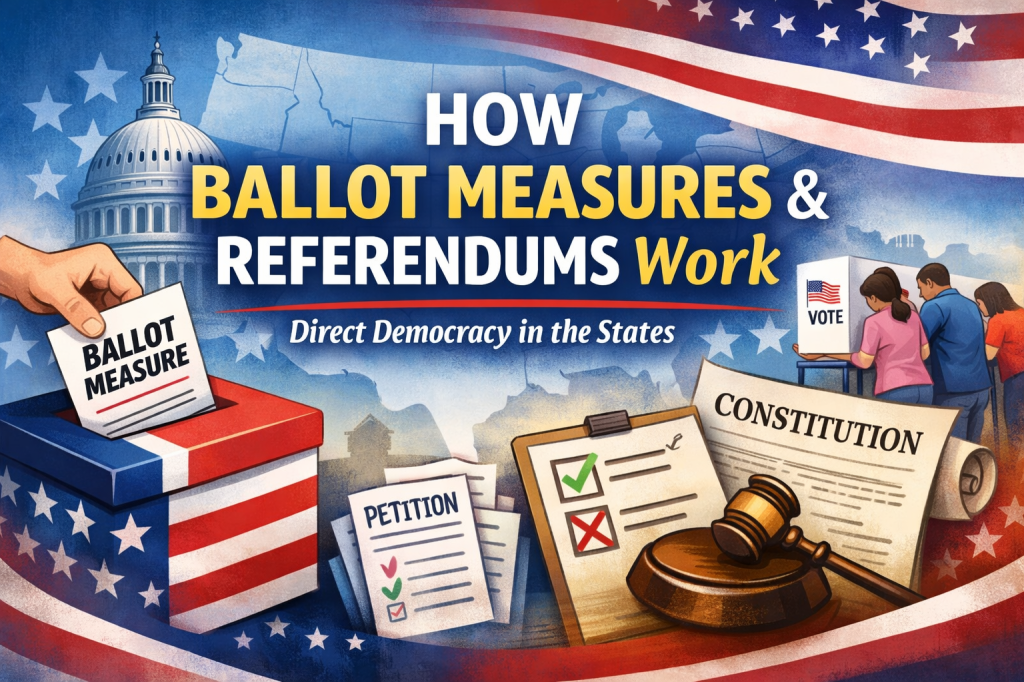
How Ballot Measures and Referendums Work
This guide explains direct democracy through ballot measures, enabling voters to directly influence public policy. It covers definitions, types (initiatives, referendums, legislative measures), the process for ballot placement, voting mechanics, and state-specific rules. Voters can shape legislation on various issues, highlighting the complexities of state-level governance and voter empowerment.
-
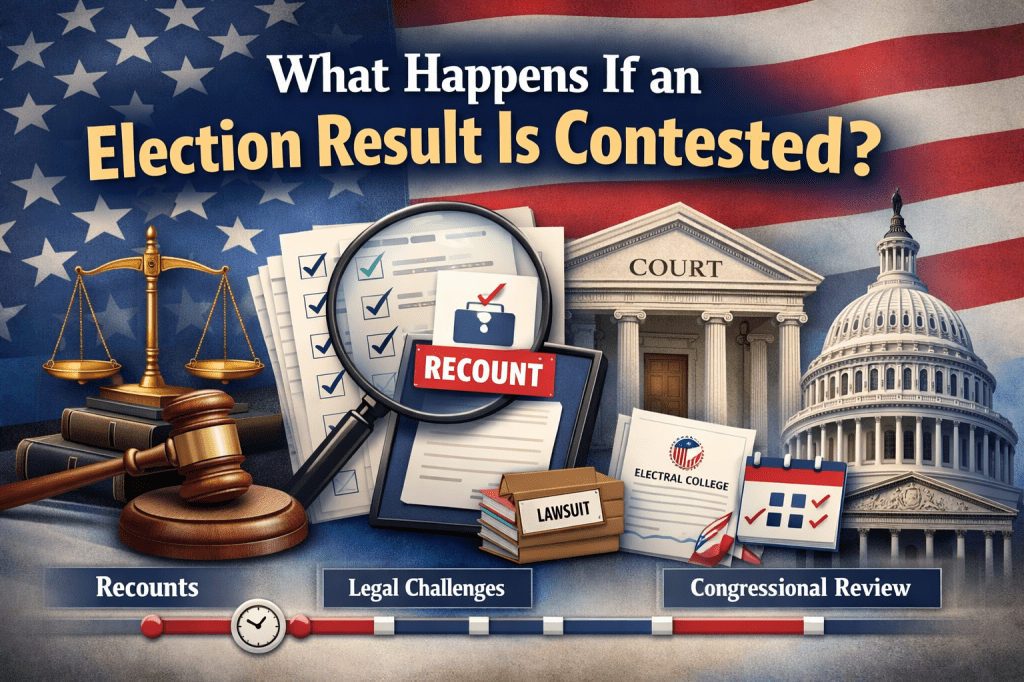
What Happens If an Election Result Is Contested?
When elections conclude, initial results remain unofficial. The certified process involves canvassing, potential recounts, and legal challenges if contested. Recounts verify ballots, while lawsuits address errors or fraud. Each state sets deadlines for these processes. Safeguards, like audits, ensure accuracy. Ultimately, contests rarely alter certified results.
-

How Election Lawsuits Actually Work
Election-related lawsuits are integral to American democracy, governed by legal standards like standing, timely filings, and available remedies. Plaintiffs must demonstrate concrete injuries, causation, and timeliness in filing claims. Many lawsuits fail due to lack of standing, missed deadlines, or speculative claims, emphasizing the importance of legal rigor in electoral processes.

