Tag: election law
-
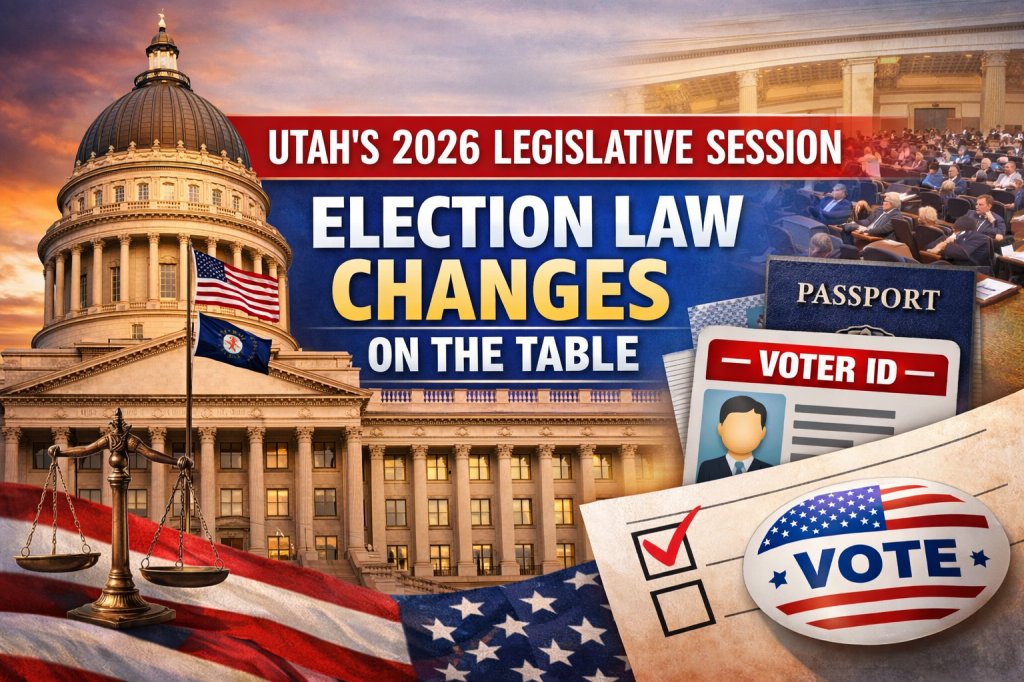
Utah’s 2026 Legislative Session Begins With Election Law Changes on the Table
Utah’s 2026 legislative session is focusing on election law reforms, highlighted by House Bill 209, which seeks to establish a proof of U.S. citizenship requirement for voting. These changes, alongside previous reforms to mail-in voting, have ignited debates over election administration and voter accessibility, with significant implications for the upcoming elections.
-

Why Federal Forces Are Barred From Polling Places — And What the Law Actually Says
U.S. election law prohibits federal troops and law enforcement from polling places to safeguard voter freedom and prevent intimidation. This principle, rooted in historical statutes like the Posse Comitatus Act, ensures free elections by keeping armed presence away from voting. State laws reinforce this ban, ensuring a non-coercive environment for voters.
-
Supreme Court Opens Door for Bost Election Integrity Lawsuit, Shaping Future Election Law Challenges
On January 14, 2026, the U.S. Supreme Court ruled in Bost v. Illinois State Board of Elections that candidates can challenge state election rules in federal court without proving direct impact on election outcomes. The decision broadens candidate standing in election law disputes, potentially increasing pre-election litigation while leaving the legality of Illinois’ mail-in ballot…
-
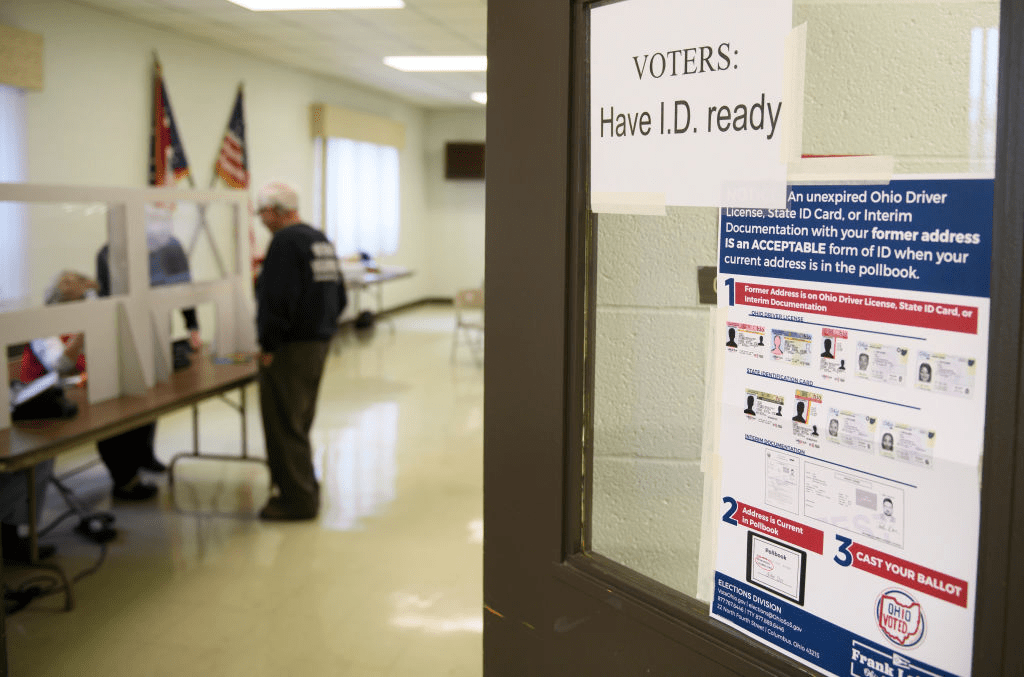
Voter ID Laws Explained: What States Require — and Why It Varies
Voter identification laws in the U.S. vary widely by state regarding requirements, acceptable IDs, and enforcement. States are categorized as having strict or non-strict laws, affecting voter access and ballot counting. Ongoing legal challenges question the balance between election security and accessibility, influencing the evolution of these policies.
-
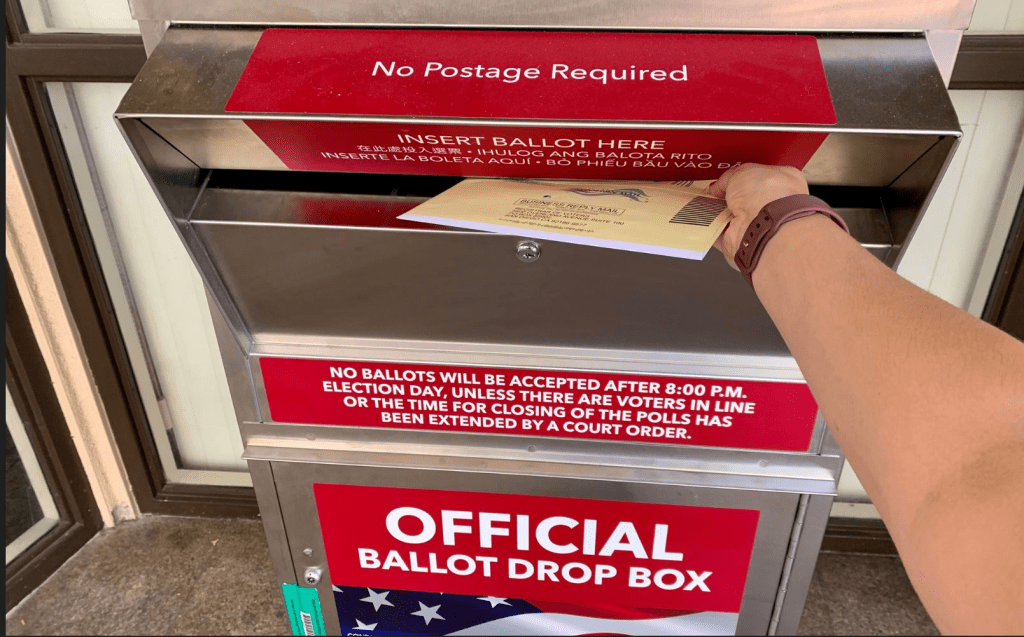
Mail Voting vs. Absentee Voting: What’s the Difference?
Mail voting and absentee voting are distinct concepts with significant differences in eligibility, request processes, ballot return options, signature verification, and deadlines. Absentee voting often requires a valid reason and has strict processes, while mail voting is generally available to all registered voters and allows for more flexible deadlines and easing of ballot issues. Understanding…
-
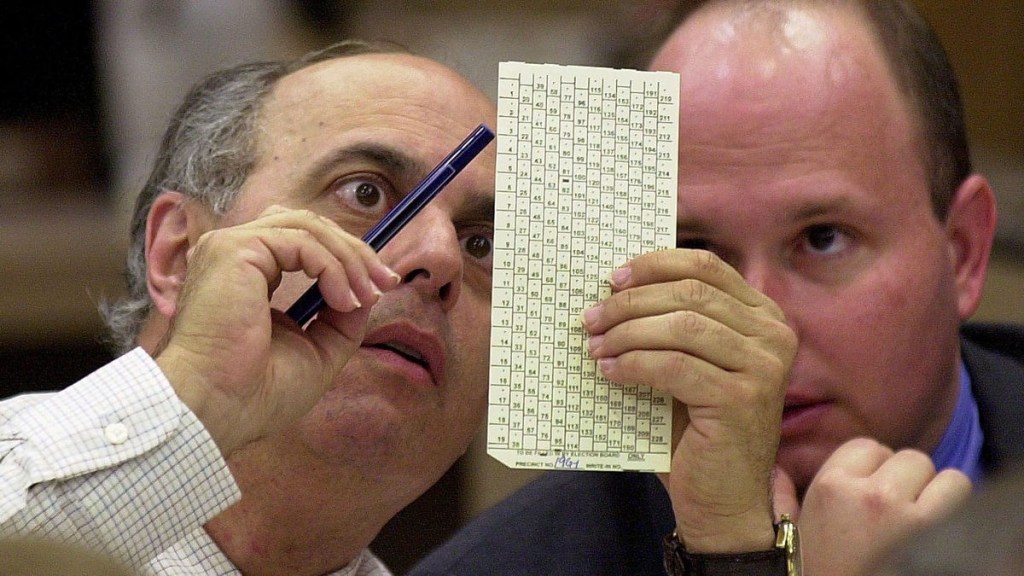
25 Years After Bush v. Gore, Election Law Is Still Living in Its Shadow
Twenty-five years after Bush v. Gore, the Supreme Court’s decision still shapes how elections are run, challenged, and decided. From routine post-election lawsuits to expanded judicial intervention, the 2000 ruling continues to influence election law—and public confidence in democratic outcomes.
-
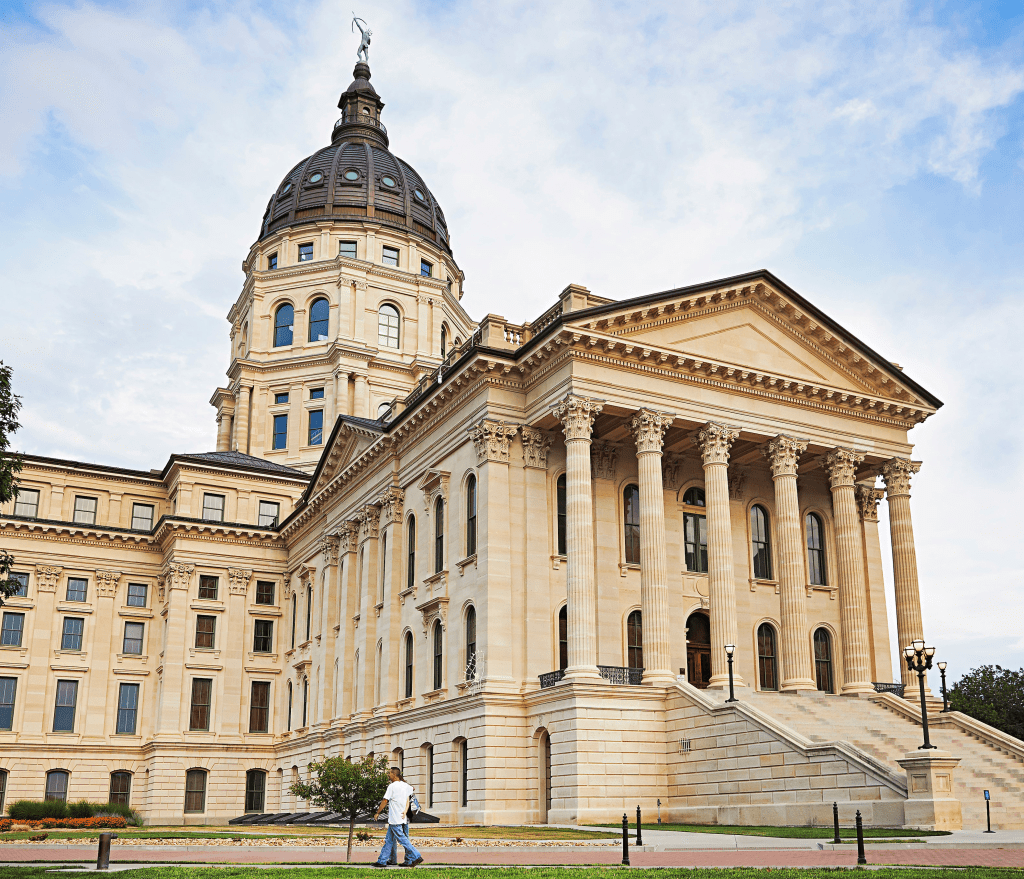
Kansas Secretary of State Puts Election Integrity Rules at Top of 2026 Agenda
As the 2026 legislative session in Kansas begins, election officials prioritize enhancing election integrity regulations. Led by Secretary of State Scott Schwab, proposals include stronger oversight, clearer local regulations, and standardized procedures across counties. The goal is to boost public confidence and navigate the national scrutiny of election administration without substantial changes to voting access.
-
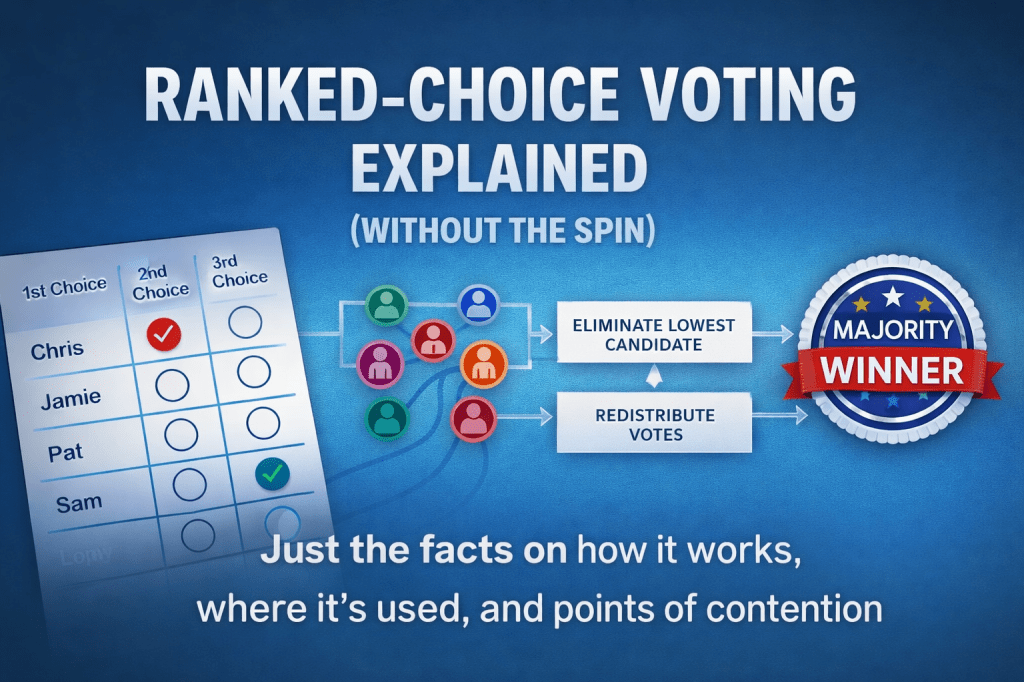
Ranked-Choice Voting Explained (Without the Spin)
Ranked-choice voting (RCV) allows voters to rank candidates by preference, enhancing democracy by reducing spoilers and encouraging broader appeal. However, it introduces complexity and potential confusion for some voters, along with longer counting times and transparency issues. Its effectiveness depends on implementation and voter education. RCV is used in various U.S. states and cities.
-
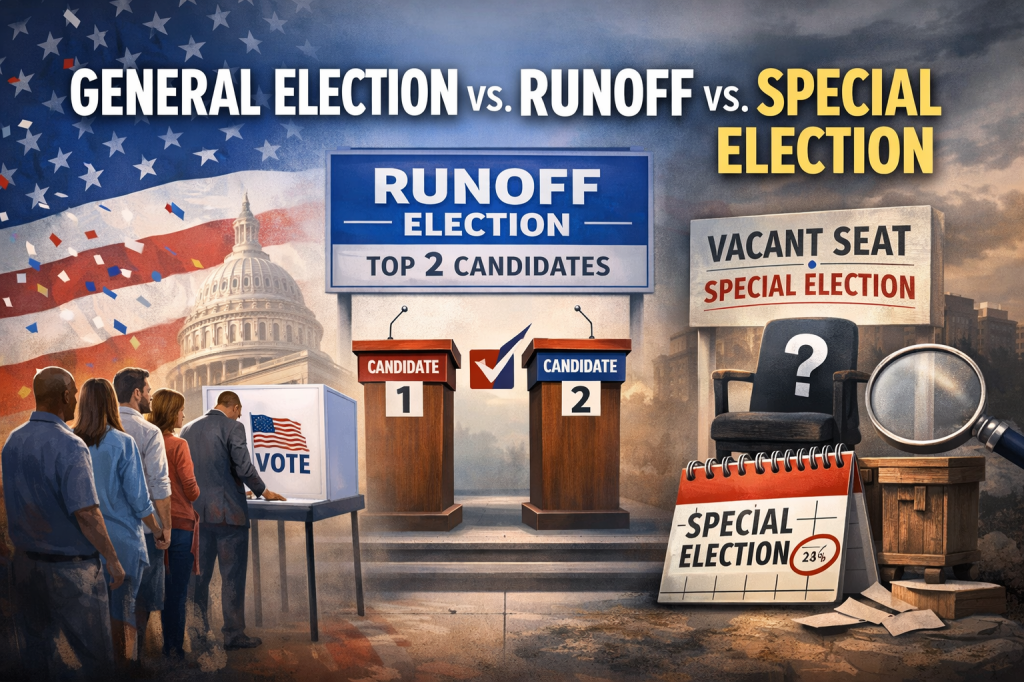
General Elections vs. Runoffs vs. Special Elections — What’s the Difference?
Elections serve different purposes: general elections select officeholders, runoff elections ensure a majority winner when initial votes are inconclusive, and special elections fill unexpected vacancies. Voter turnout varies, with general elections attracting the most participants, while special elections typically see the least. Understanding these dynamics is crucial for comprehending electoral outcomes.
-
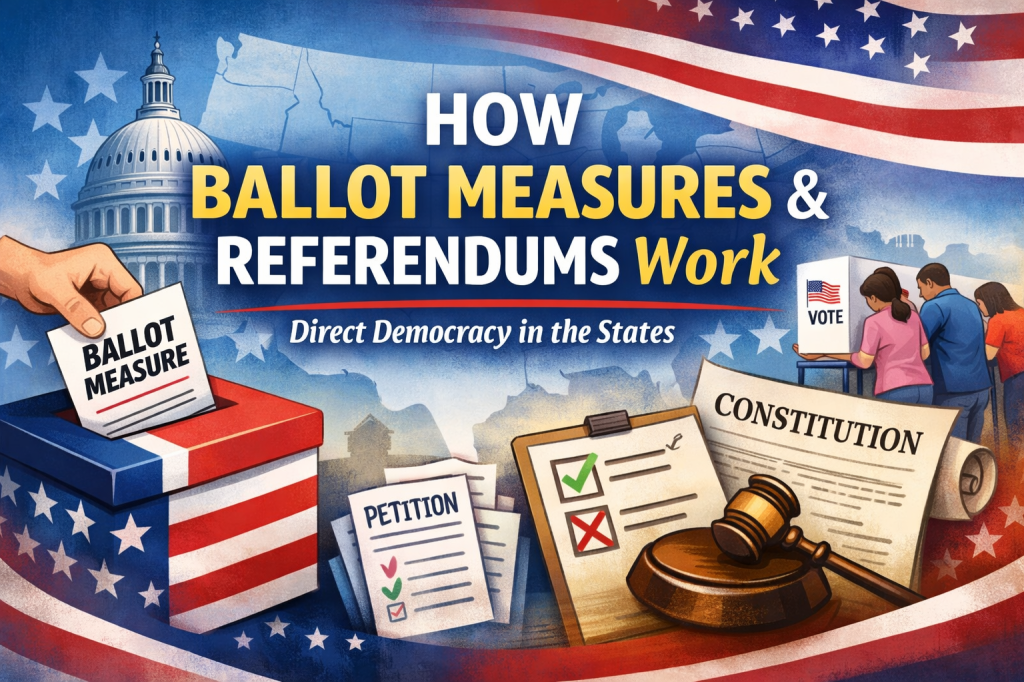
How Ballot Measures and Referendums Work
This guide explains direct democracy through ballot measures, enabling voters to directly influence public policy. It covers definitions, types (initiatives, referendums, legislative measures), the process for ballot placement, voting mechanics, and state-specific rules. Voters can shape legislation on various issues, highlighting the complexities of state-level governance and voter empowerment.
 Election Desk