Tag: election security
-
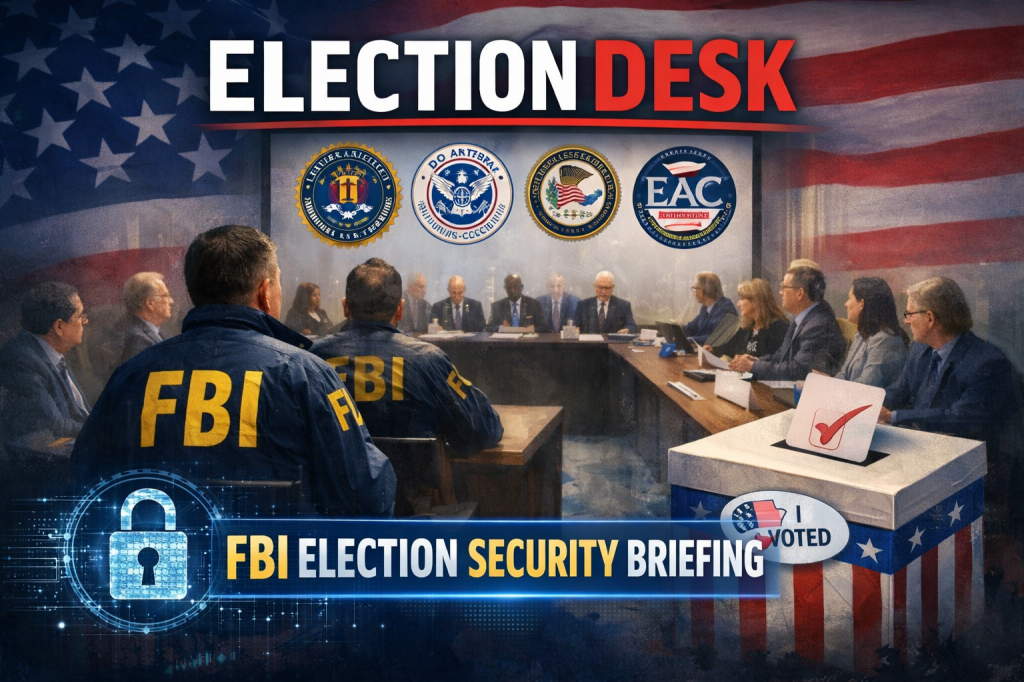
FBI National Outreach to Election Officials Sparks Political Debate Ahead of 2026 Midterms
The FBI has invited U.S. election officials to a briefing on February 25 to discuss preparations for the 2026 midterm elections, prompting concern over federal involvement in historically state-run elections. The outreach occurs amidst heightened scrutiny of federal roles following past controversies, influencing perceptions of election integrity and public trust.
-
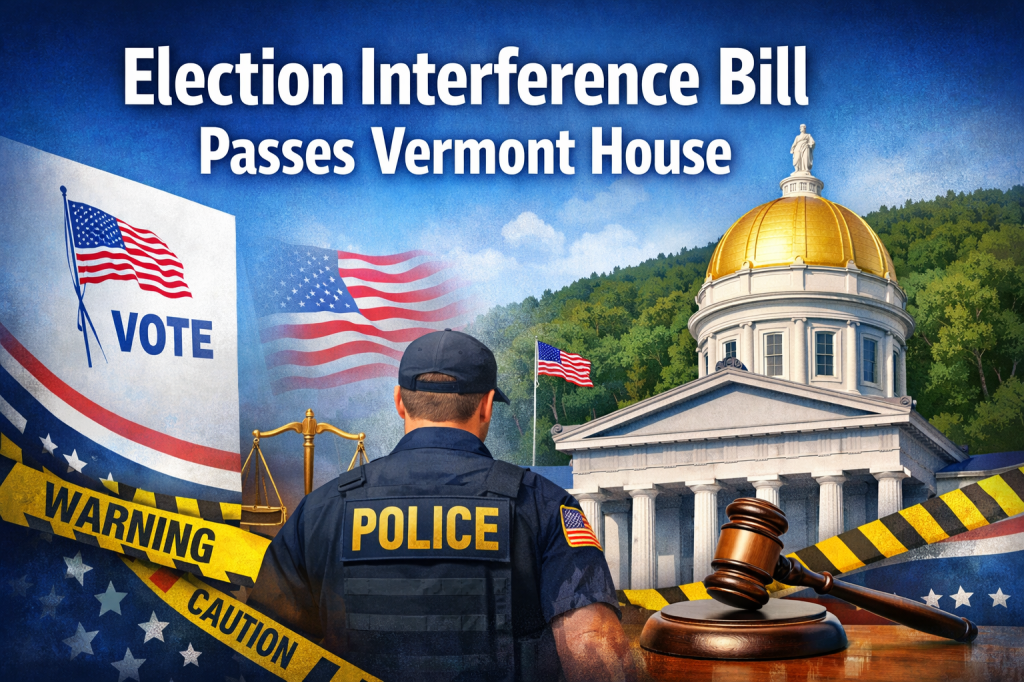
Vermont House Passes Bill Criminalizing Election Interference
The Vermont House of Representatives approved bill H. 541, aimed at strengthening protections against voter and election official interference. Sponsored by Representatives Ian Goodnow and Kate Nugent, the legislation expands criminal prohibitions, imposing penalties for intimidation and obstruction. It now moves to the Senate for further review and potential amendments.
-
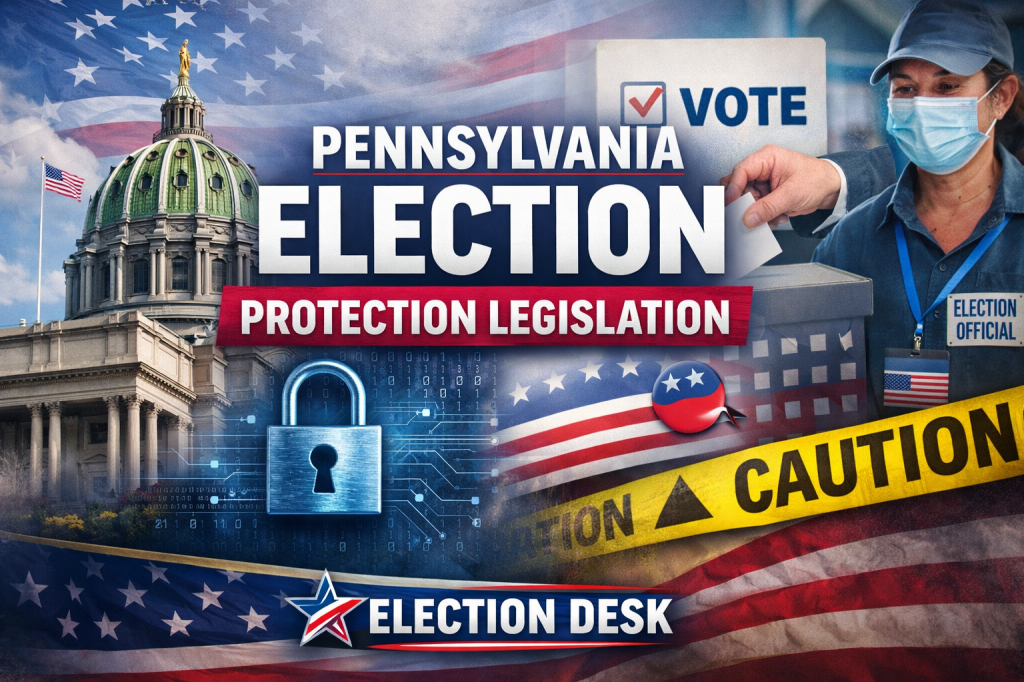
Pennsylvania Lawmakers Propose Election Protection Bill to Guard Voter Data and Shield Election Workers
A bipartisan group of Pennsylvania legislators has introduced the Protecting Voter Privacy and Pennsylvania Elections from Political Interference Act. This bill aims to secure voter privacy, state control over election systems, and shields election officials from political intimidation. It seeks to restore public confidence in elections amid ongoing debates about election integrity.
-

U.S. Intelligence Oversight Office Investigated Voting Machines Used in Puerto Rico, Report Finds
A U.S. intelligence oversight investigation into voting machines in Puerto Rico was triggered by concerns about potential irregularities. While no evidence of foreign interference or compromised outcomes was found, the review raises questions about the role of intelligence agencies in election oversight and the balance between security and democratic accountability.
-
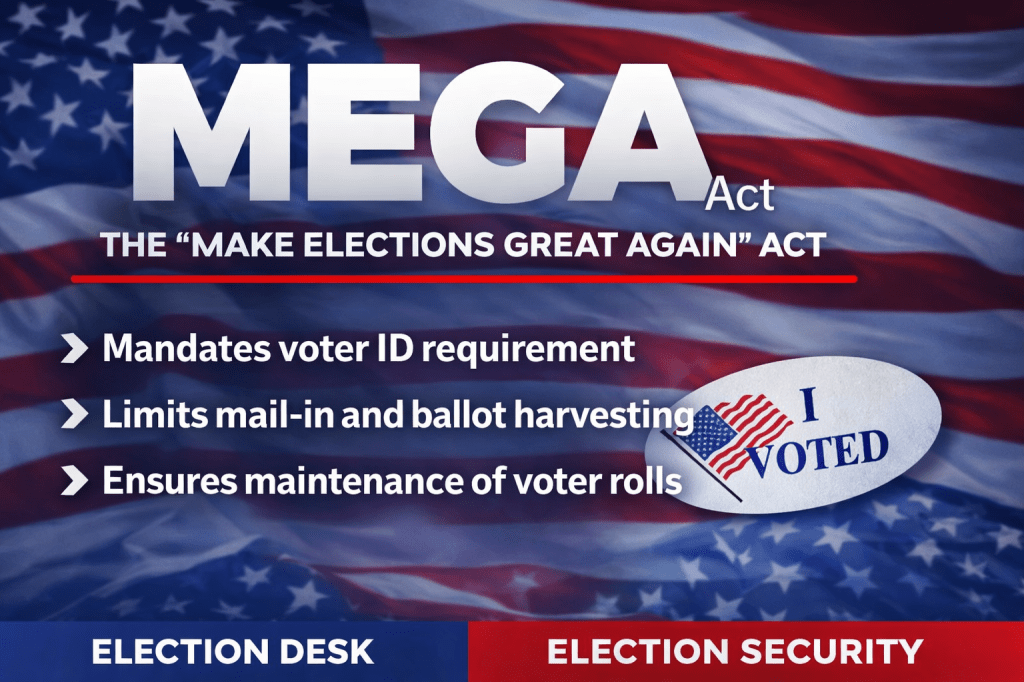
Republicans Unveil ‘Make Elections Great Again’ Act: What It Would Do and Why It Matters
Republicans unveiled the Make Elections Great Again Act (MEGA Act), aimed at establishing national standards for federal elections to enhance voter confidence and security. The bill requires photo IDs, new voter registration criteria, and stricter ballot regulations. Critics argue it risks voter access, particularly for marginalized groups, intensifying debates ahead of the 2026 midterms.
-
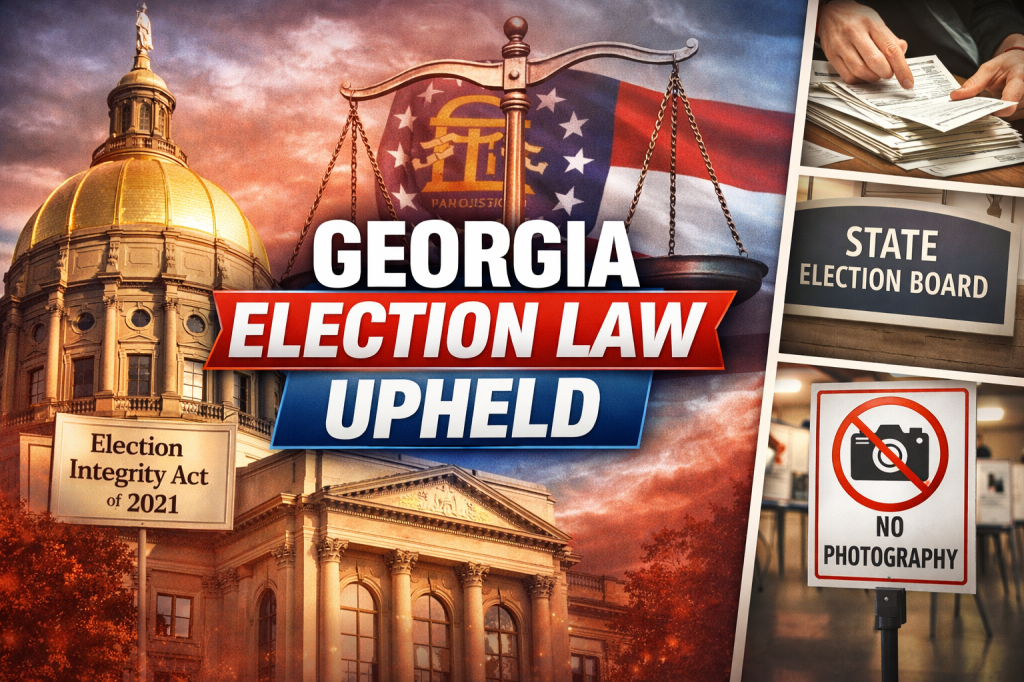
Federal Appeals Court Upholds Key Provisions of Georgia’s Election Law
A federal appeals court upheld key components of Georgia’s 2021 election law, including state authority over local election administration and a ban on ballot photography at polling places. The unanimous ruling found plaintiffs lacked legal standing, preserving the provisions amid ongoing legal challenges and debates over election integrity and voter access.
-
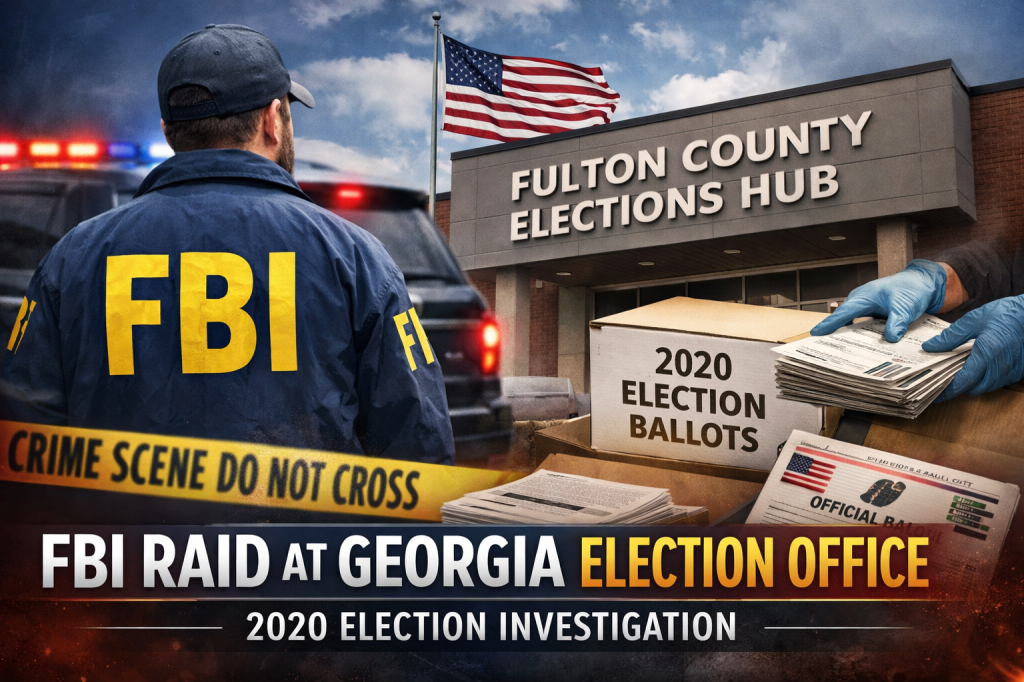
FBI Executes Search Warrant at Georgia Election Office in 2020 Election Probe
On January 28, 2026, FBI agents executed a search warrant at Fulton County’s Election Hub in Georgia as part of a federal investigation into the 2020 presidential election and allegations of fraud. The seizure of ballots and election materials has reignited debates on election integrity and federal authority, impacting future electoral processes.
-

Why Federal Forces Are Barred From Polling Places — And What the Law Actually Says
U.S. election law prohibits federal troops and law enforcement from polling places to safeguard voter freedom and prevent intimidation. This principle, rooted in historical statutes like the Posse Comitatus Act, ensures free elections by keeping armed presence away from voting. State laws reinforce this ban, ensuring a non-coercive environment for voters.
-
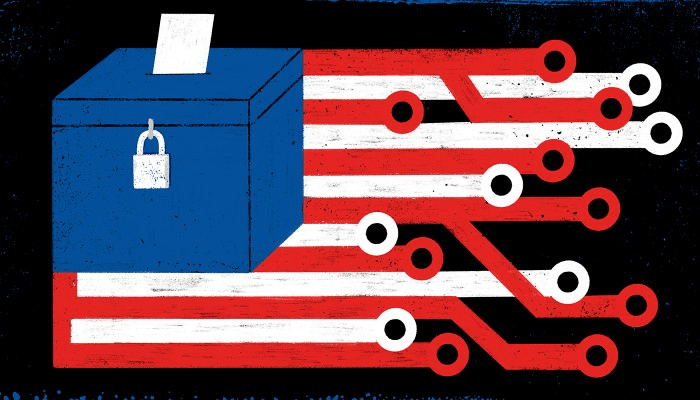
How States Can Protect Election Integrity and Security
State legislatures are vital in shaping U.S. elections, balancing security and access. The Brennan Center for Justice’s report outlines necessary actions to enhance election integrity without restricting voter participation. Key recommendations include securing voting systems, conducting robust audits, protecting election officials, investing in infrastructure, and maintaining clear rules, emphasizing competence to build public trust.
-
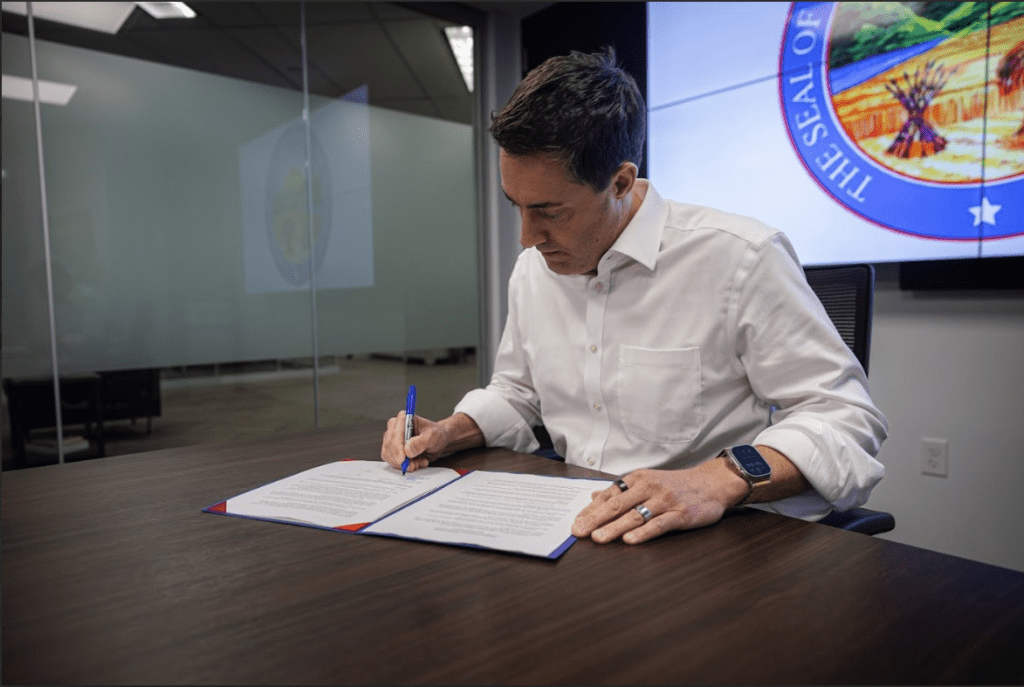
Ohio Launches “EleXa,” a Multi-State Election Integrity Network to Share Voter Data and Combat Illegal Voting
On December 15, 2025, Ohio Secretary of State Frank LaRose launched EleXa, a multi-state election integrity initiative to enhance voter registration accuracy. Eleven states are involved in sharing data to prevent duplicate registrations. LaRose emphasized the initiative’s importance for maintaining election security and public trust while protecting personal information.
 Election Desk