Tag: history
-

Why Federal Forces Are Barred From Polling Places — And What the Law Actually Says
U.S. election law prohibits federal troops and law enforcement from polling places to safeguard voter freedom and prevent intimidation. This principle, rooted in historical statutes like the Posse Comitatus Act, ensures free elections by keeping armed presence away from voting. State laws reinforce this ban, ensuring a non-coercive environment for voters.
-
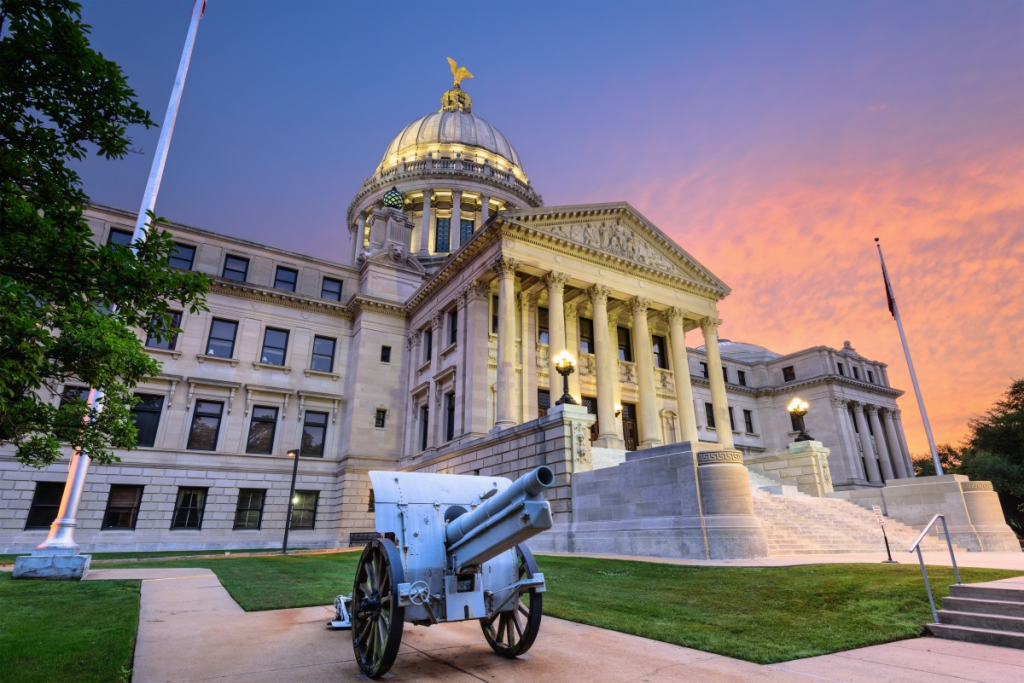
Mississippi Lawmakers Propose State-Level Voting Rights Act
Democratic lawmakers in Mississippi have proposed a state-level Voting Rights Act to expand voter protections, aiming to restore oversight weakened by Supreme Court rulings. It seeks to prevent discriminatory practices and enhance transparency in elections. While supporters advocate for necessary safeguards, Republican leaders express skepticism, emphasizing compliance with existing federal laws.
-
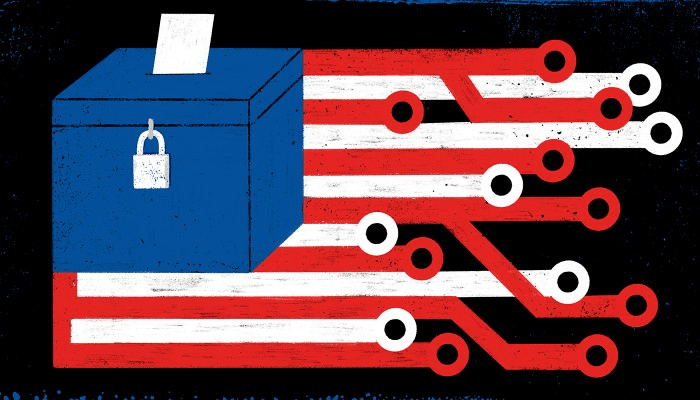
How States Can Protect Election Integrity and Security
State legislatures are vital in shaping U.S. elections, balancing security and access. The Brennan Center for Justice’s report outlines necessary actions to enhance election integrity without restricting voter participation. Key recommendations include securing voting systems, conducting robust audits, protecting election officials, investing in infrastructure, and maintaining clear rules, emphasizing competence to build public trust.
-
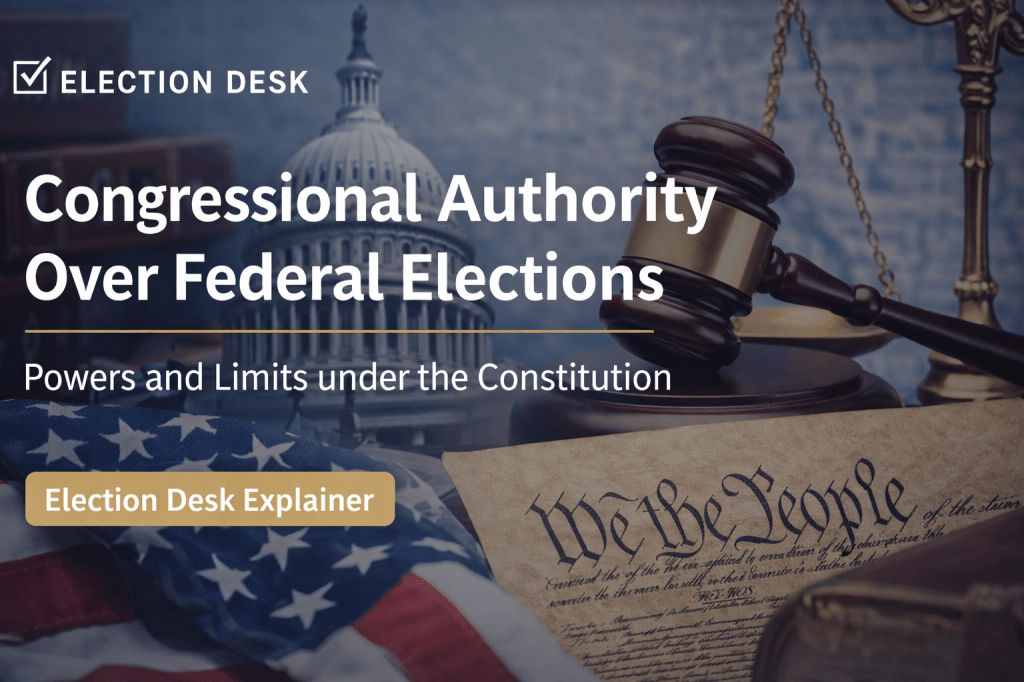
Congressional Power Under the U.S. Constitution: What It Can and Cannot Do on Election Rules
The U.S. Constitution’s Elections Clause grants Congress the power to regulate federal elections, allowing it to override state laws. However, this authority is balanced by constitutional limits and historical practices, with states primarily managing election administration. Proposed reforms face judicial scrutiny and must align with constitutional provisions, emphasizing a dual authority structure.
-
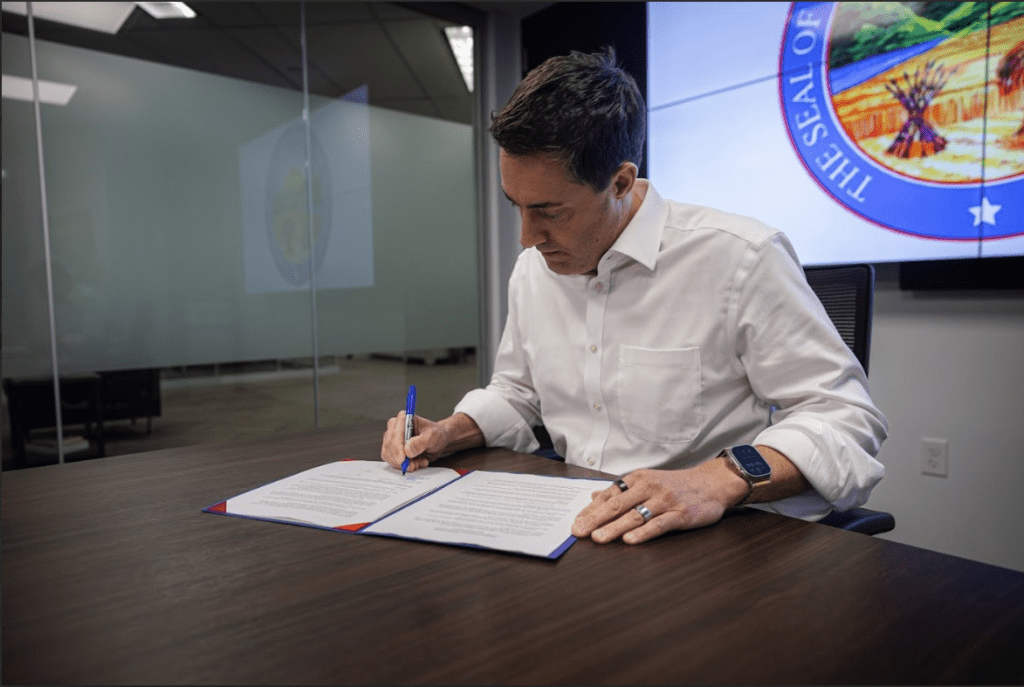
Ohio Launches “EleXa,” a Multi-State Election Integrity Network to Share Voter Data and Combat Illegal Voting
On December 15, 2025, Ohio Secretary of State Frank LaRose launched EleXa, a multi-state election integrity initiative to enhance voter registration accuracy. Eleven states are involved in sharing data to prevent duplicate registrations. LaRose emphasized the initiative’s importance for maintaining election security and public trust while protecting personal information.
-
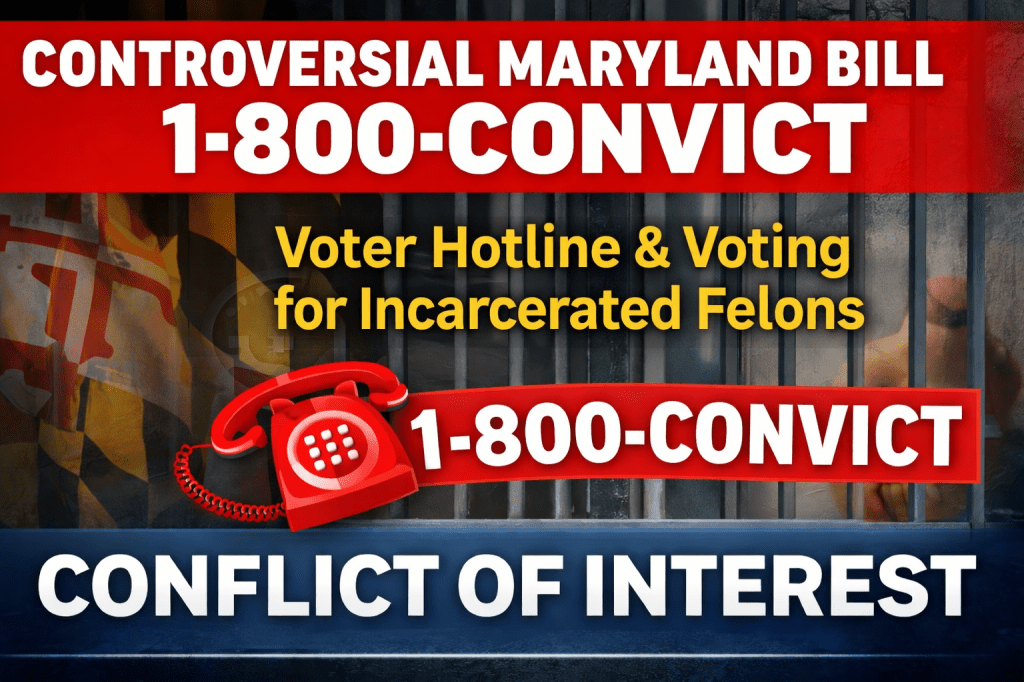
Maryland Bill to Expand Voting Access for Incarcerated Individuals Draws GOP Scrutiny
A proposed Maryland bill mandates a toll-free voter hotline for incarcerated individuals and modifies voting eligibility for felons. It aims to reduce disenfranchisement, particularly in minority communities. While supporters advocate for inclusivity, Republicans raise concerns about election integrity. The bill is currently awaiting committee hearings in the 2026 legislative session.
-
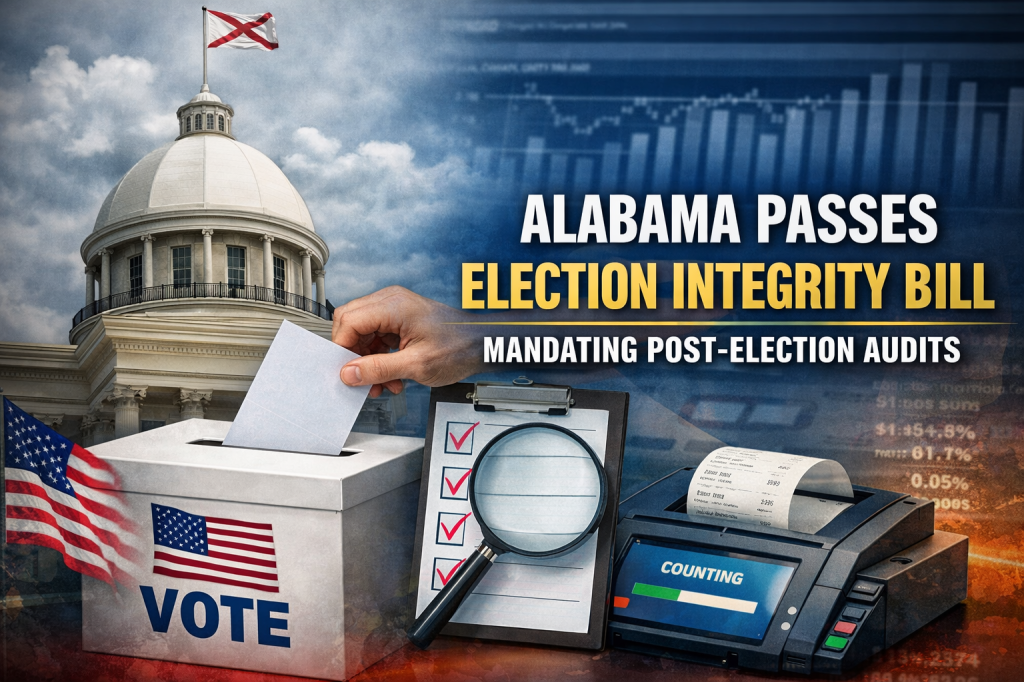
Alabama House Advances Election Integrity Bill Requiring Post-Election Audits
On January 16, the Alabama House passed House Bill 95, mandating post-election audits for county and statewide elections. The bill assigns probate judges the responsibility to conduct audits to enhance transparency and public trust in election results. While supporters advocate for accuracy, critics question the necessity and potential costs of the audits. The bill now…
-
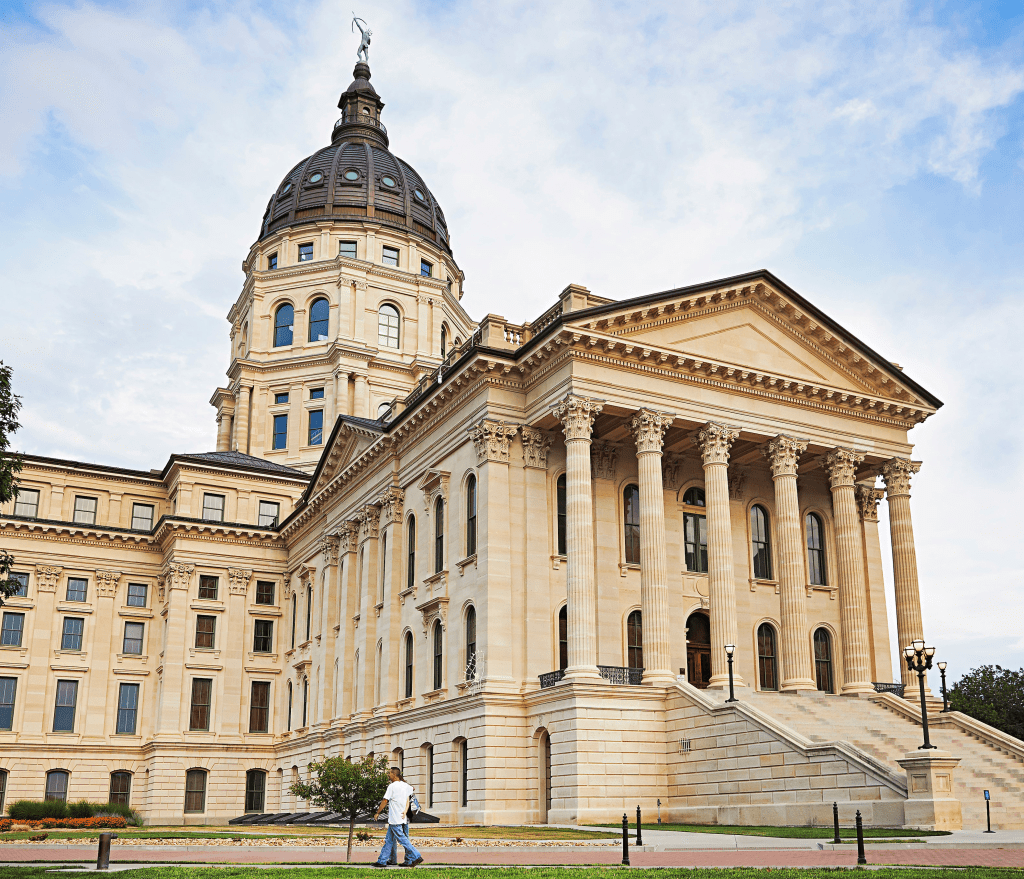
Kansas Secretary of State Puts Election Integrity Rules at Top of 2026 Agenda
As the 2026 legislative session in Kansas begins, election officials prioritize enhancing election integrity regulations. Led by Secretary of State Scott Schwab, proposals include stronger oversight, clearer local regulations, and standardized procedures across counties. The goal is to boost public confidence and navigate the national scrutiny of election administration without substantial changes to voting access.
-
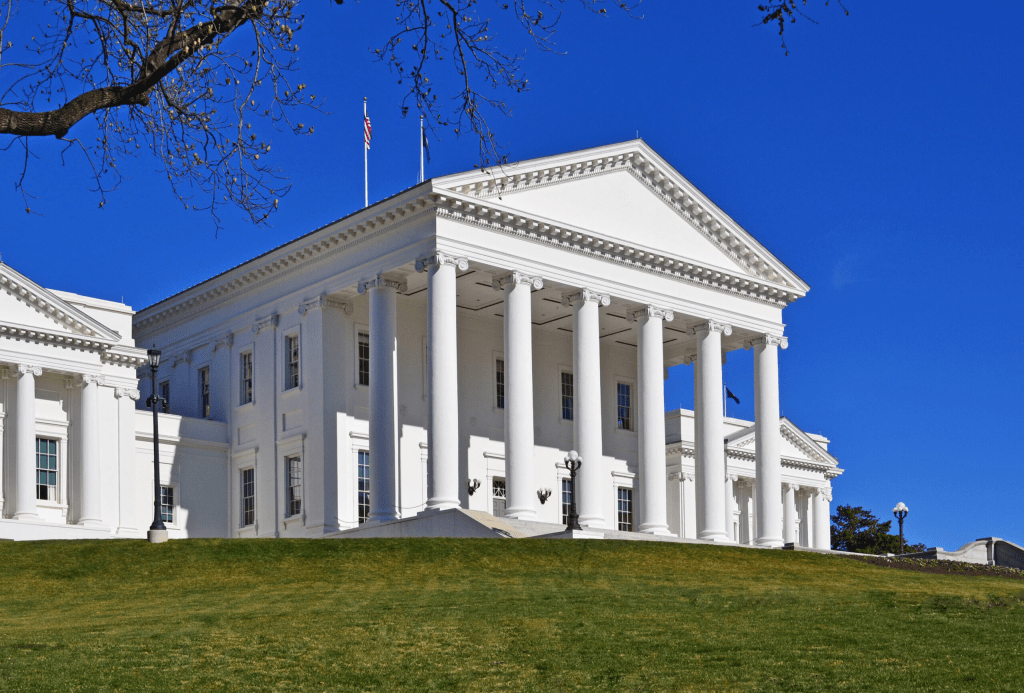
Why Virginia Governors Can Serve Only One Term
Virginia has a unique gubernatorial term-limit, allowing governors only one four-year term without immediate re-election. This constitutional rule aims to prevent consolidation of power and promote leadership turnover, resulting in open-seat elections and shifting political control. Understanding this structure is crucial for evaluating Virginia’s distinct political landscape.
-
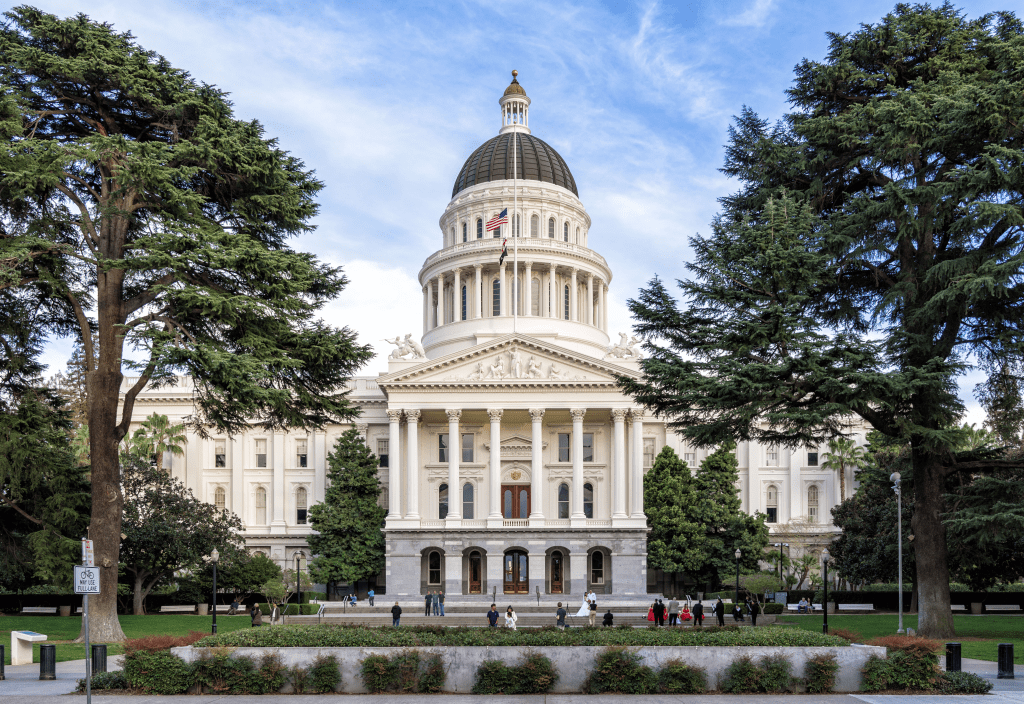
California Legislature 2026: What’s Being Introduced as the Session Enters Its Second Year
The California State Legislature is entering the second year of its 2025-2026 Regular Session, with lawmakers returning on January 5, 2026. Hundreds of new measures, including placeholder bills, are emerging ahead of the mid-February bill introduction deadline. Key themes include budget management, climate change, housing, health, and education.
 Election Desk