Tag: politics
-
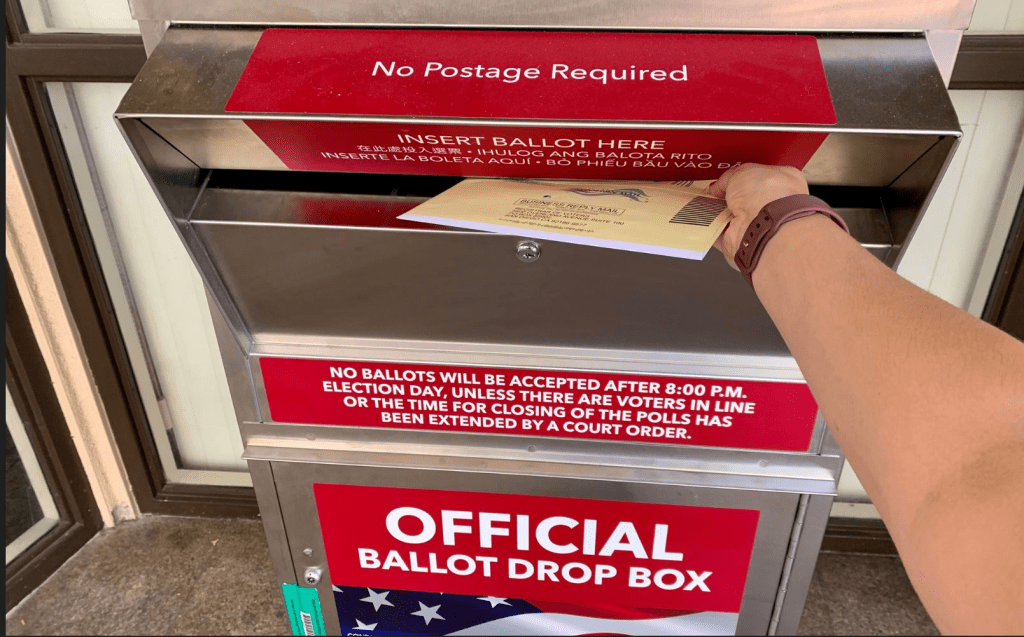
Mail Voting vs. Absentee Voting: What’s the Difference?
Mail voting and absentee voting are distinct concepts with significant differences in eligibility, request processes, ballot return options, signature verification, and deadlines. Absentee voting often requires a valid reason and has strict processes, while mail voting is generally available to all registered voters and allows for more flexible deadlines and easing of ballot issues. Understanding…
-
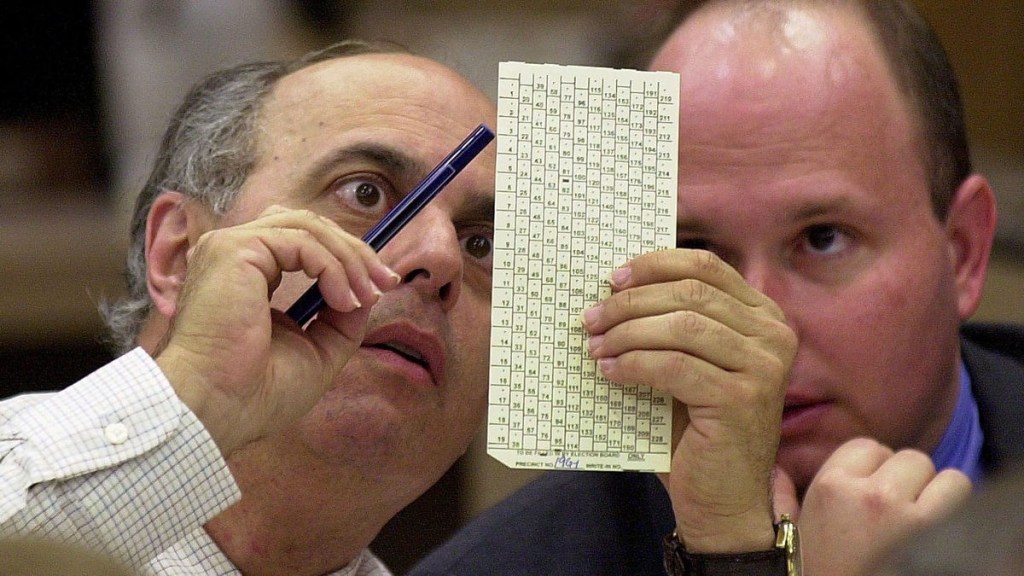
25 Years After Bush v. Gore, Election Law Is Still Living in Its Shadow
Twenty-five years after Bush v. Gore, the Supreme Court’s decision still shapes how elections are run, challenged, and decided. From routine post-election lawsuits to expanded judicial intervention, the 2000 ruling continues to influence election law—and public confidence in democratic outcomes.
-
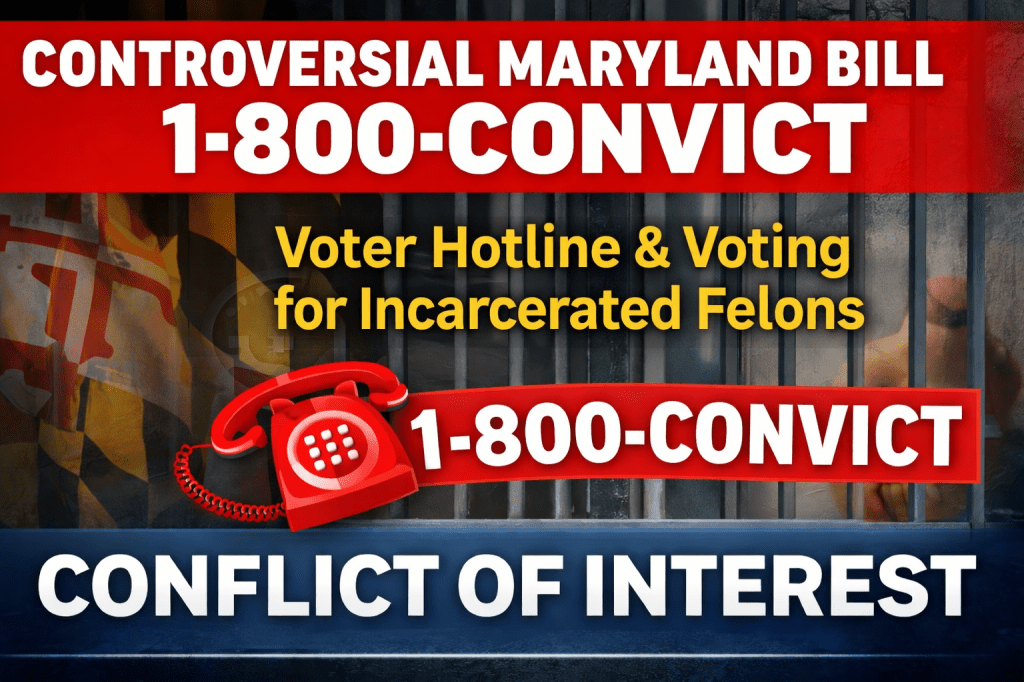
Maryland Bill to Expand Voting Access for Incarcerated Individuals Draws GOP Scrutiny
A proposed Maryland bill mandates a toll-free voter hotline for incarcerated individuals and modifies voting eligibility for felons. It aims to reduce disenfranchisement, particularly in minority communities. While supporters advocate for inclusivity, Republicans raise concerns about election integrity. The bill is currently awaiting committee hearings in the 2026 legislative session.
-
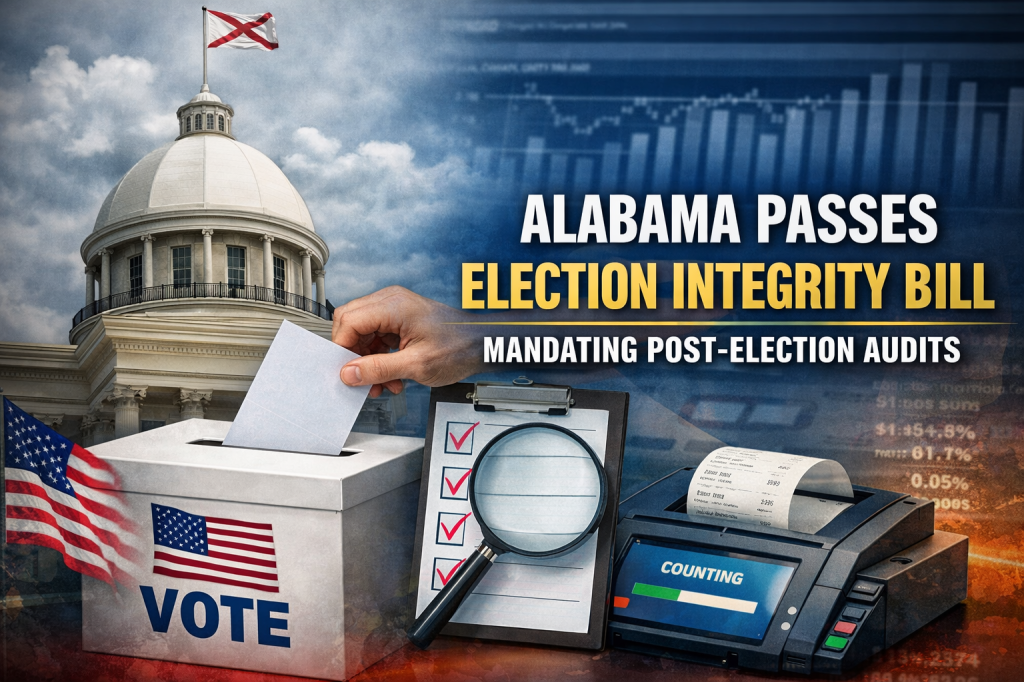
Alabama House Advances Election Integrity Bill Requiring Post-Election Audits
On January 16, the Alabama House passed House Bill 95, mandating post-election audits for county and statewide elections. The bill assigns probate judges the responsibility to conduct audits to enhance transparency and public trust in election results. While supporters advocate for accuracy, critics question the necessity and potential costs of the audits. The bill now…
-
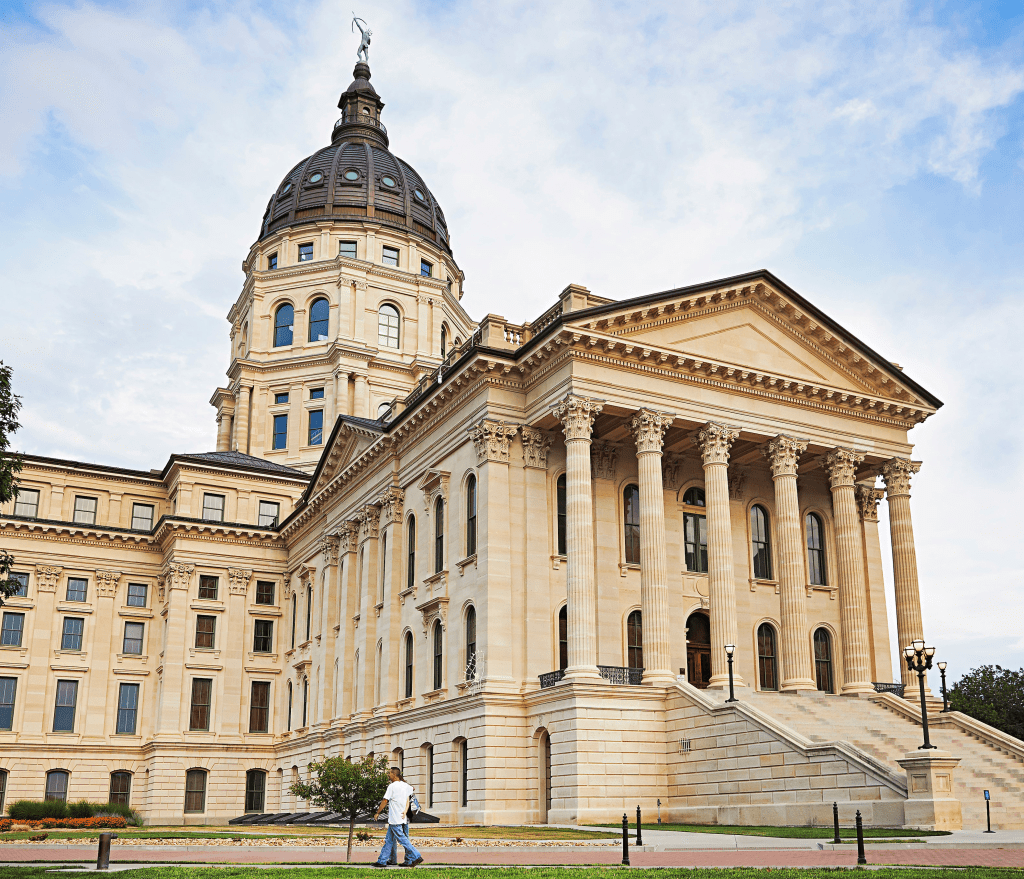
Kansas Secretary of State Puts Election Integrity Rules at Top of 2026 Agenda
As the 2026 legislative session in Kansas begins, election officials prioritize enhancing election integrity regulations. Led by Secretary of State Scott Schwab, proposals include stronger oversight, clearer local regulations, and standardized procedures across counties. The goal is to boost public confidence and navigate the national scrutiny of election administration without substantial changes to voting access.
-
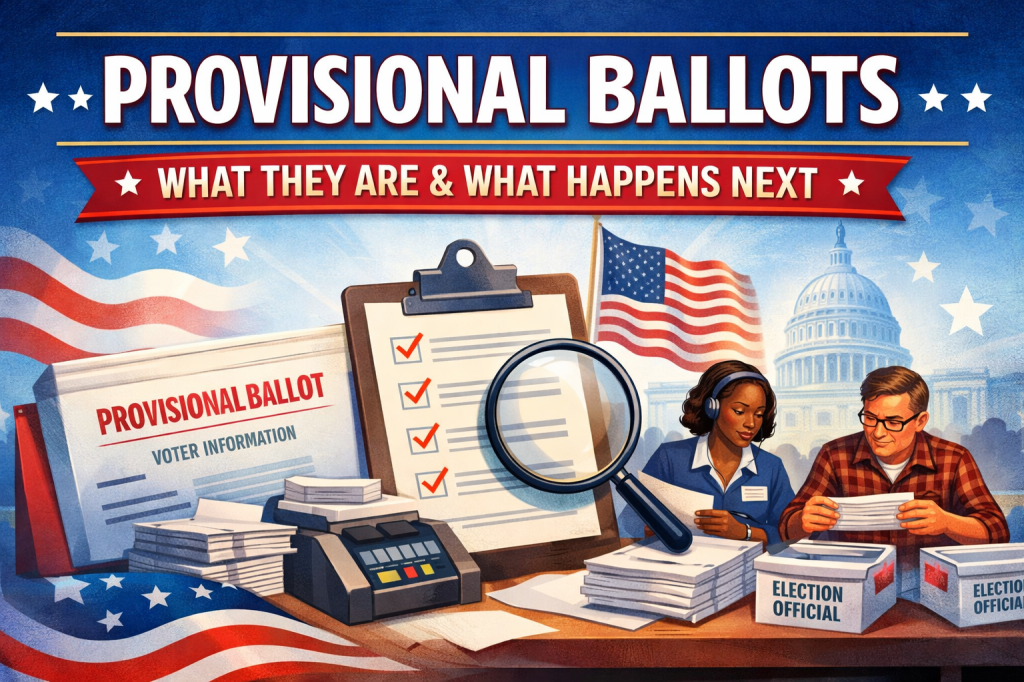
Provisional Ballots: What They Are and What Happens Next
Provisional ballots are used in U.S. elections when a voter’s eligibility cannot be immediately confirmed, ensuring they aren’t disenfranchised. These ballots are reviewed after Election Day, with specific state processes for verification and deadlines. Understanding provisional ballots helps voters maintain confidence in their right to vote and the electoral process.
-
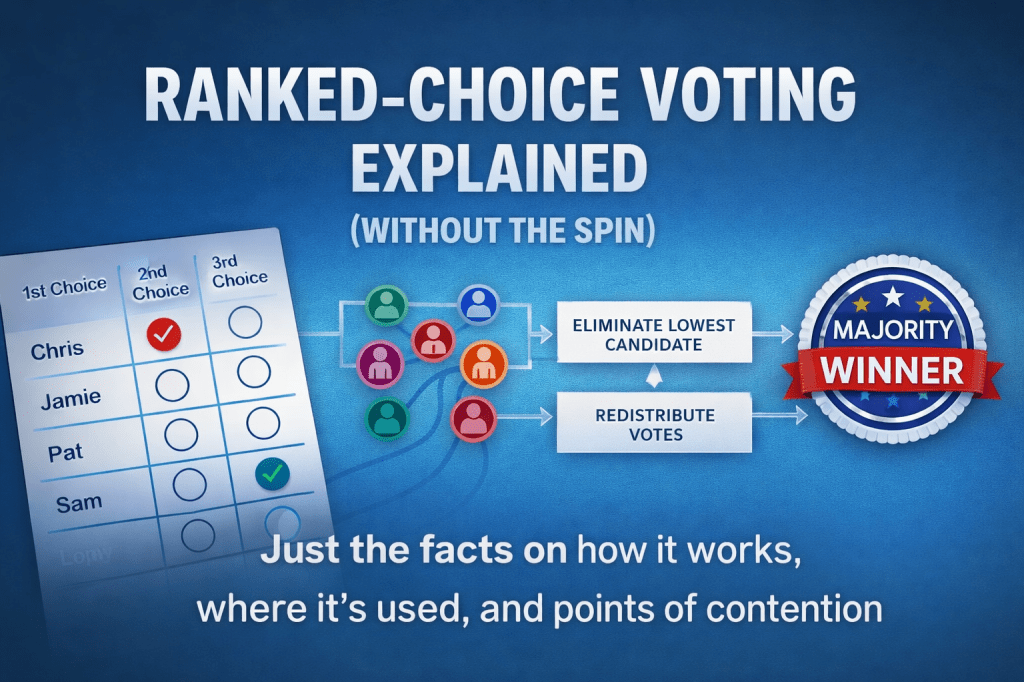
Ranked-Choice Voting Explained (Without the Spin)
Ranked-choice voting (RCV) allows voters to rank candidates by preference, enhancing democracy by reducing spoilers and encouraging broader appeal. However, it introduces complexity and potential confusion for some voters, along with longer counting times and transparency issues. Its effectiveness depends on implementation and voter education. RCV is used in various U.S. states and cities.
-
Arizona 2026 Governor’s Race: Who’s Running and What to Watch
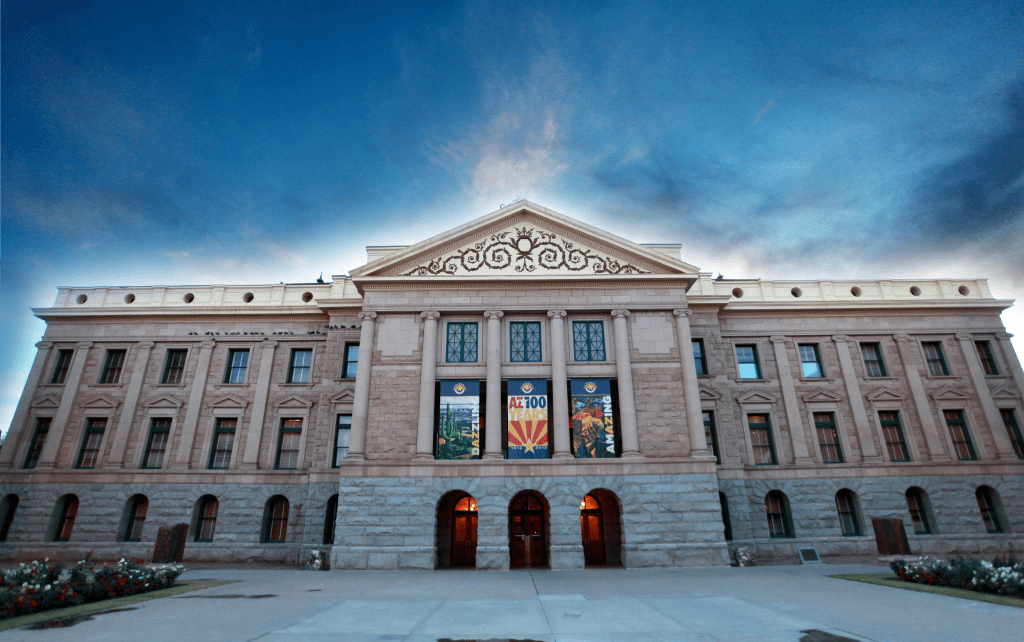
Arizona voters will select their governor on November 3, 2026, with party primaries on August 4. Incumbent Democrat Katie Hobbs is likely to secure renomination. The Republican primary features notable candidates like Andy Biggs, Karrin Taylor Robson, and David Schweikert. The election will test Democratic gains and Trump’s influence within the GOP.
-
General Elections vs. Runoffs vs. Special Elections — What’s the Difference?
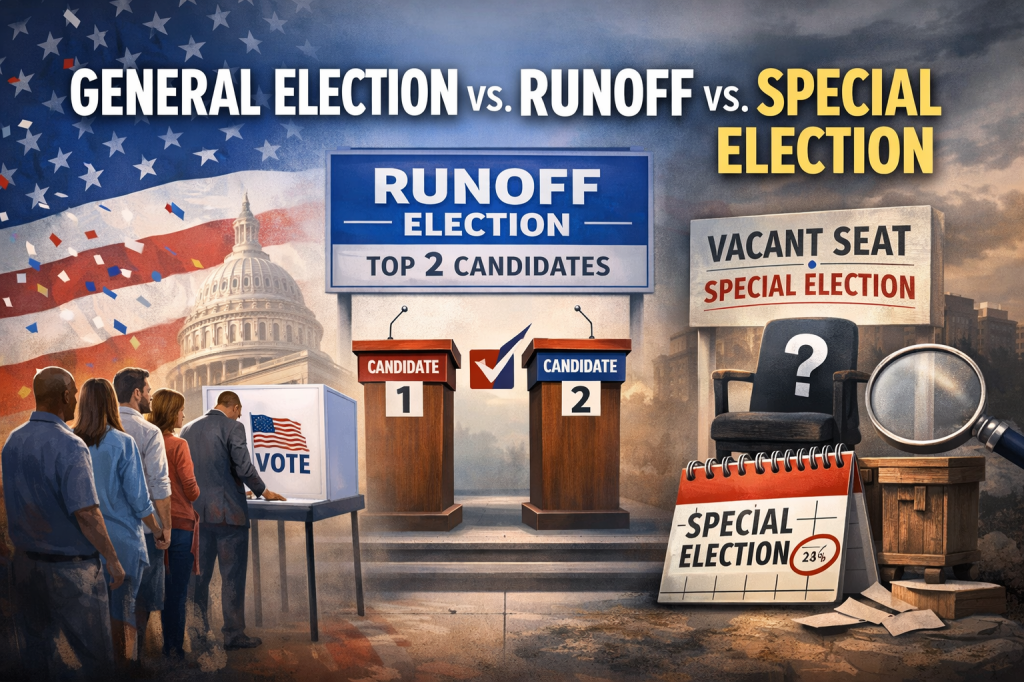
Elections serve different purposes: general elections select officeholders, runoff elections ensure a majority winner when initial votes are inconclusive, and special elections fill unexpected vacancies. Voter turnout varies, with general elections attracting the most participants, while special elections typically see the least. Understanding these dynamics is crucial for comprehending electoral outcomes.
-
Why Virginia Governors Can Serve Only One Term
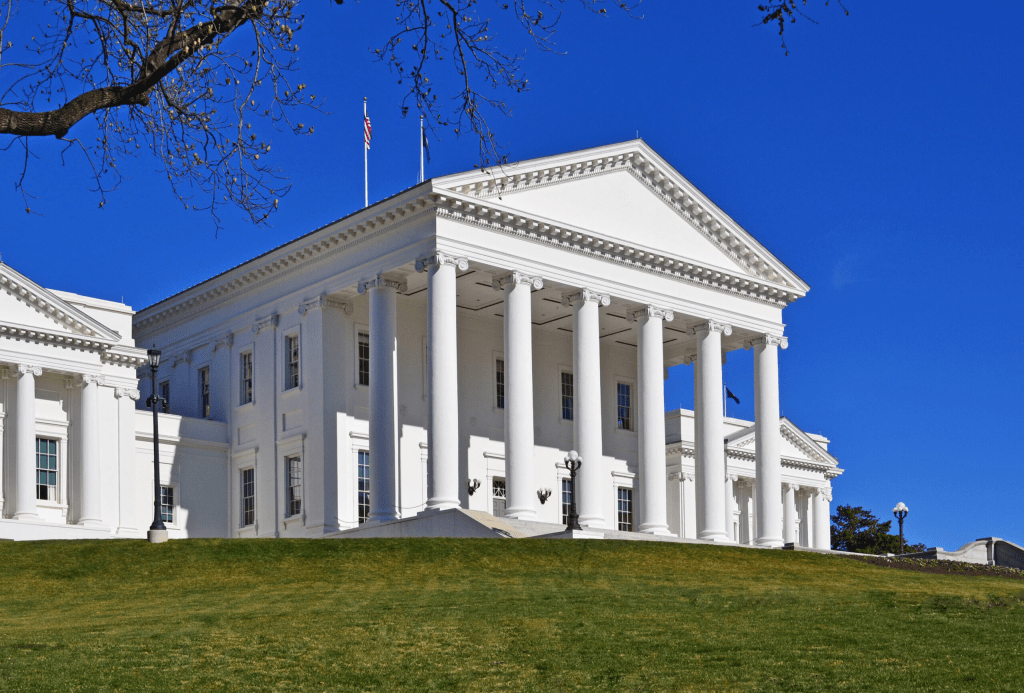
Virginia has a unique gubernatorial term-limit, allowing governors only one four-year term without immediate re-election. This constitutional rule aims to prevent consolidation of power and promote leadership turnover, resulting in open-seat elections and shifting political control. Understanding this structure is crucial for evaluating Virginia’s distinct political landscape.
 Election Desk