Tag: politics
-

When the Court Steps Aside: California’s Mid-Decade Redistricting and Its National Implications
The U.S. Supreme Court allowed California’s revised congressional map to take effect for the 2026 elections, highlighting ongoing issues in redistricting. While it declined to rule on mid-cycle redistricting’s constitutionality, the decision may encourage other states to explore similar changes. Future challenges will likely focus on concrete violations rather than partisan motives.
-
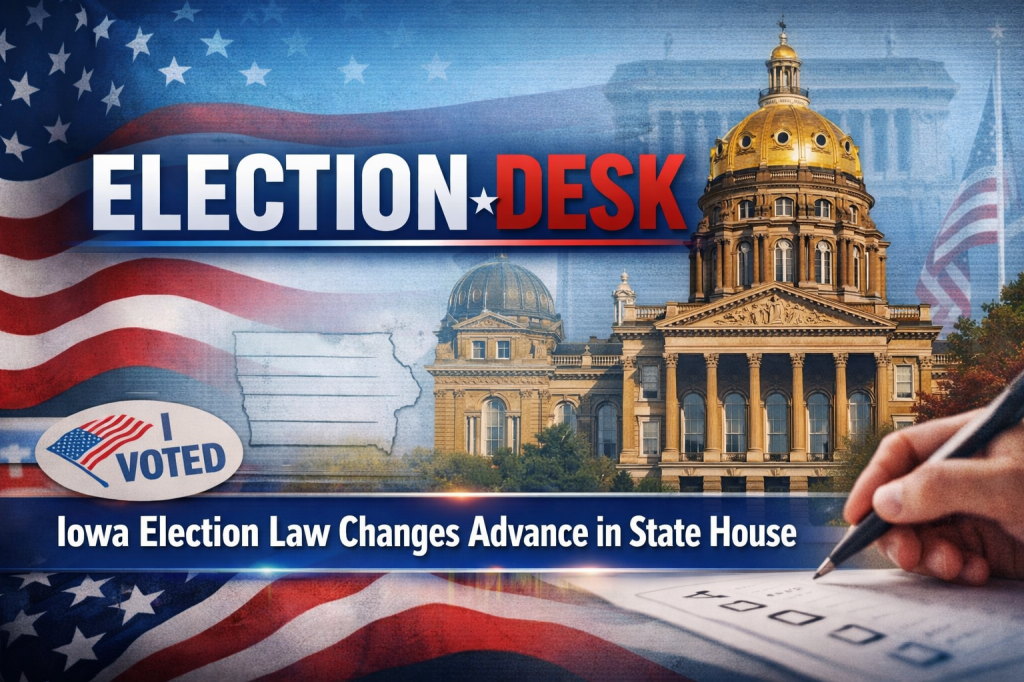
Iowa Election Law “Tweaks” Advance Through State House Amid Broader 2026 Legislative Activity
A bill proposing changes to Iowa’s election laws has advanced in the House, aiming to streamline candidate petition processes by shifting responsibility to county auditors. Advocates emphasize efficiency and integrity ahead of the 2026 elections, while critics express concerns about the political implications. The proposal still requires further legislative approval.
-
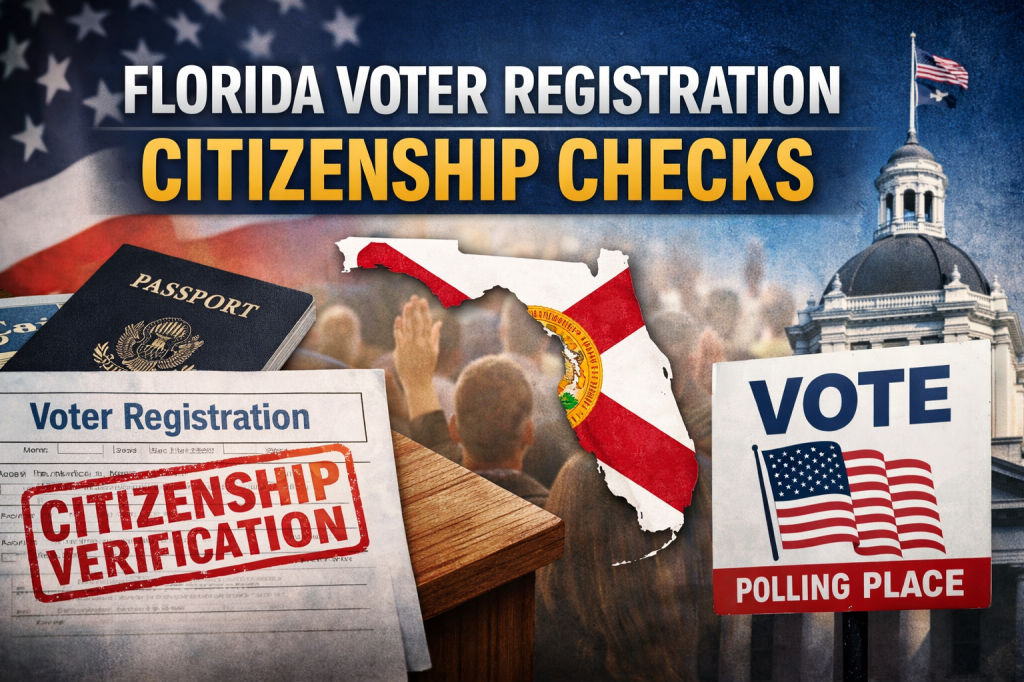
Florida Lawmakers Move to Add Citizenship Verification to Voter Registration
Florida legislators are advancing House Bill 985, which mandates citizenship verification for voter registration and introduces stricter ID requirements. Proponents argue it ensures election integrity, while opponents view it as unnecessary and potentially suppressive. This measure reflects national trends on voter eligibility, emphasizing the ongoing debate between election security and access.
-
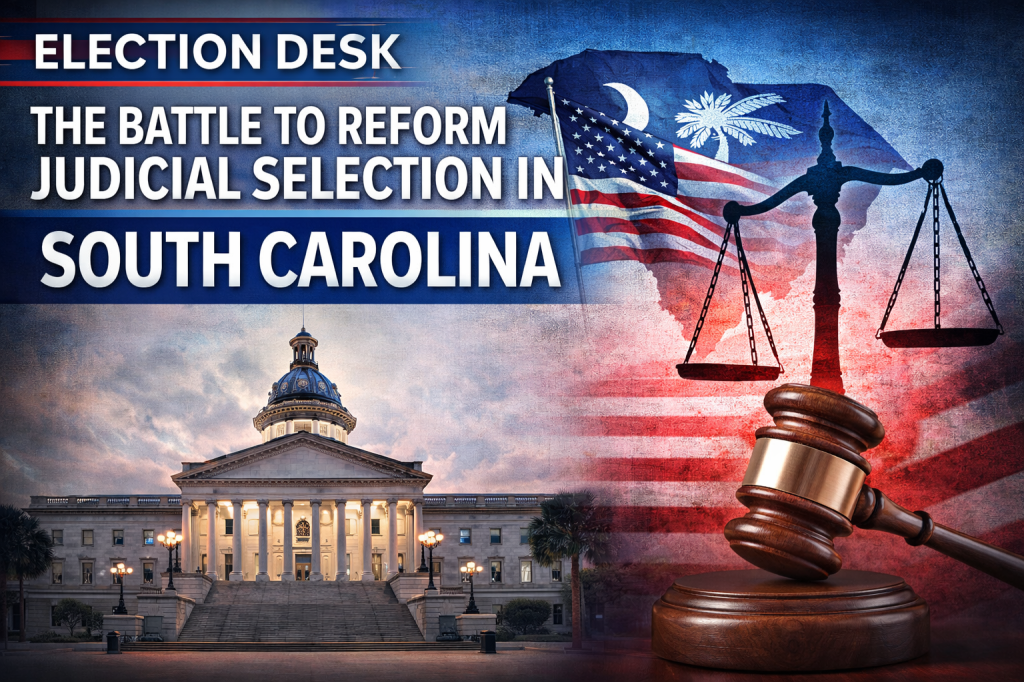
The Battle to Reform Judicial Selection in South Carolina
Judicial selection in South Carolina, criticized for its opacity, has become a focal point in the 2026 political landscape. Rom Reddy of DOGE SC advocates for reforms to diminish legislative control, allowing the governor to nominate judges. The proposed bill aims to increase accountability, highlighting the need for public trust in the judiciary.
-
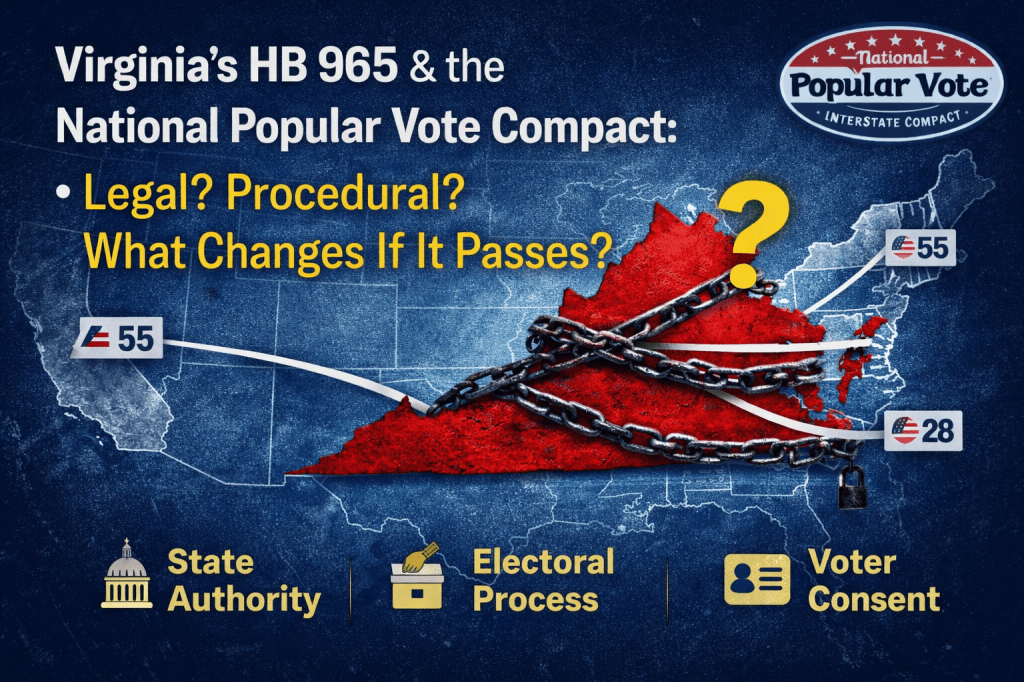
Virginia’s HB 965 and the National Popular Vote Compact: How It Works—and What Changes If It Passes
Virginia lawmakers are considering HB 965, which would allow the state to join the National Popular Vote Interstate Compact. This agreement aims to elect presidents based on the national popular vote instead of the Electoral College system. Critics voice concerns about voter consent and the shift in electoral authority from states to a national standard.
-
What Louisiana v. Callais Means for Voting Rights and Elections
Section 2 of the Voting Rights Act prohibits state or local practices from denying the right to vote based on race. It empowers voters to challenge discriminatory laws and practices. The Supreme Court case Louisiana v. Callais may redefine Section 2’s application, impacting minority voting strength and redistricting nationwide.
-
Washington Legislature Moves to Clarify What Counts as an “Election” After Court Reverses Double-Voting Conviction
Washington state lawmakers are advancing Senate Bill 6084 to clarify the definition of an “election” after a court ruling raised questions about double voting. The bill would ensure that ballots cast on the same day in different states are considered the same election, aiming to uphold election integrity and prevent ambiguity ahead of the 2026…
-
Federal Judge Blocks Virginia Voting Restrictions, Revives Reconstruction-Era Law
A federal judge has blocked parts of Virginia’s voting restrictions, citing likely violations of federal law related to voter eligibility. The ruling, referencing the Virginia Readmission Act of 1870, revives historical protections and may influence future election law by affecting similar statutes in other states, especially concerning voting rights for felons.
-
California Supreme Court Ends Huntington Beach’s Voter ID Law Fight
The California Supreme Court’s decision not to review an appeal from Huntington Beach has invalidated a voter ID requirement approved by local voters in 2024. The ruling affirms state authority over election laws, halting local efforts that critics say could suppress voter turnout while advocates argue they enhance election integrity. A new statewide initiative may…
-
New Jersey Tests Expanded Youth Franchise as 17-Year-Olds Cast Ballots in Primary
New Jersey is pioneering youth voting by allowing 17-year-olds, who will turn 18 by the general election, to participate in the February 2026 congressional primary. This initiative, part of the New Voter Empowerment Act, aims to enhance civic engagement among young people, potentially influencing future electoral participation trends.

