Tag: primary elections
-

Secret Money, Loud Consequences: How Dark Cash Is Warping Democratic Primaries
Key Democratic primaries are increasingly influenced by secret money from Super PACs and outside spending groups, undermining voter agency and accountability. Despite Democrats’ public opposition to big money, these entities exploit opaque funding to shape electoral outcomes, raising concerns about the connection between candidates and constituents and the overall integrity of democracy.
-
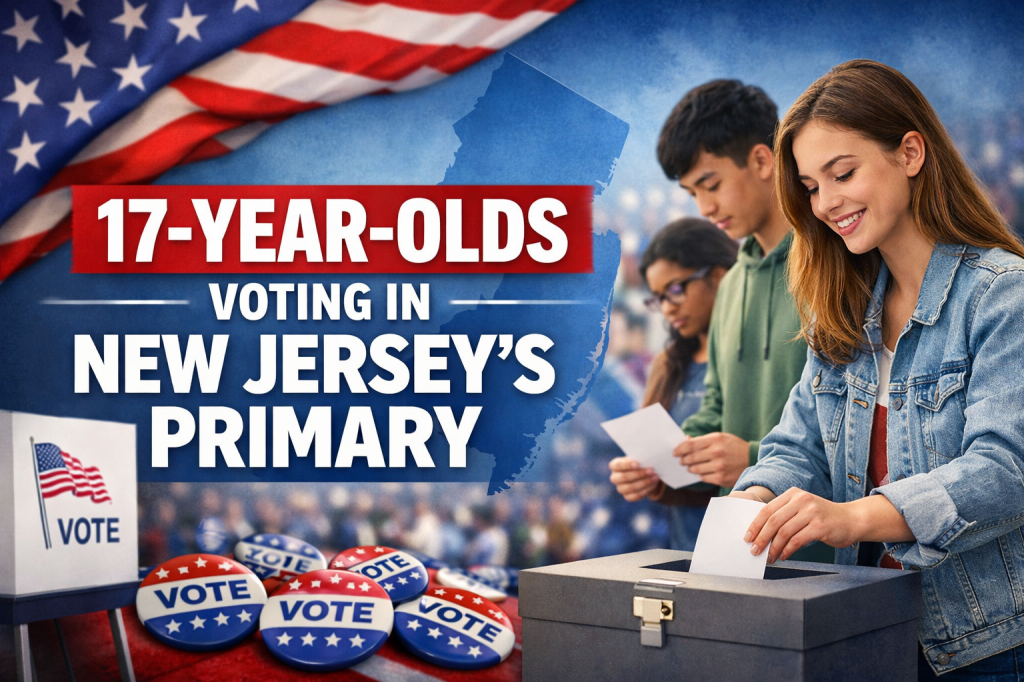
New Jersey Tests Expanded Youth Franchise as 17-Year-Olds Cast Ballots in Primary
New Jersey is pioneering youth voting by allowing 17-year-olds, who will turn 18 by the general election, to participate in the February 2026 congressional primary. This initiative, part of the New Voter Empowerment Act, aims to enhance civic engagement among young people, potentially influencing future electoral participation trends.
-

Pennsylvania Governor’s Race 2026: Shapiro vs. Garrity Emerges as the De Facto Matchup
The 2026 Pennsylvania gubernatorial election features incumbent Democrat Josh Shapiro running for reelection against Republican Stacy Garrity. Shapiro faces no serious primary challengers, while Garrity has consolidated GOP support, bolstered by Trump’s endorsement. Polling shows Shapiro leading significantly, highlighting the race’s implications for future elections and party dynamics.
-
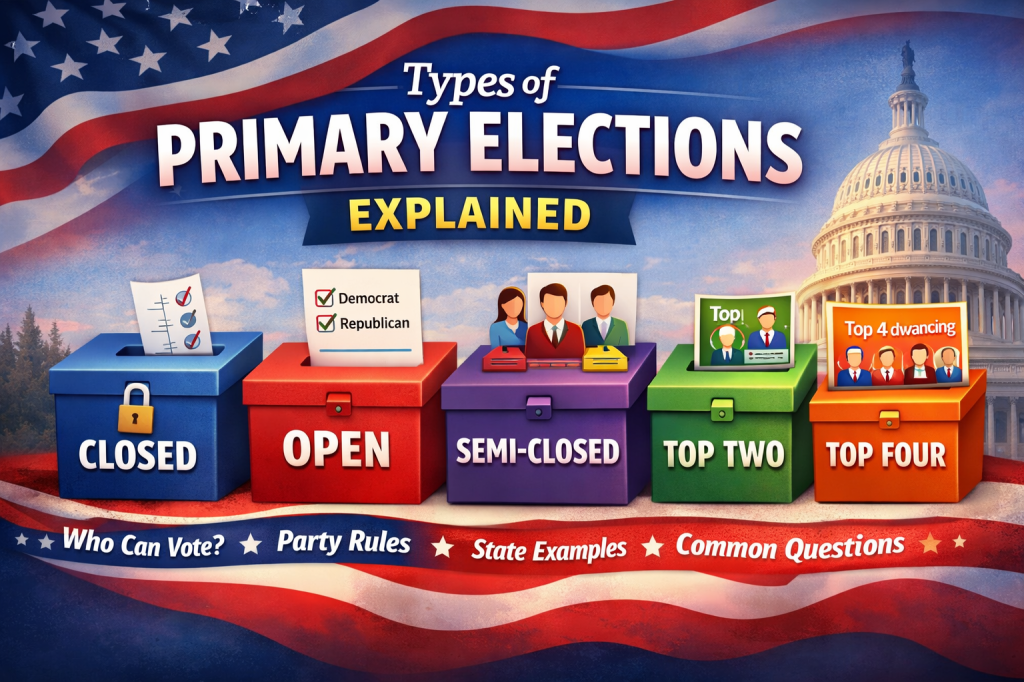
Primary Elections Explained: Closed, Open, Semi-Closed, Top-Two, Top-Four
Primary elections in the U.S. determine candidates for the general election, varying by state and party. There are five main systems: Closed, Open, Semi-Closed, Top-Two, and Top-Four Primaries. Each system affects voter access and candidate strategies. Understanding these systems is crucial for informed voting and recognizing primary significance.
 Election Desk