Author: Michael Phillips
-

How the SAVE Act Would Actually Change Voter Registration — And Why It’s Not the Only Citizenship Fight in Court
The article discusses two approaches to citizenship verification for voter registration in Washington: the SAVE Act, a stalled bill in Congress aimed at requiring documentary proof of citizenship, and a presidential executive order affecting mail ballots, currently under legal scrutiny. Both efforts seek to ensure only citizens vote, but operate through distinct legal pathways.
-
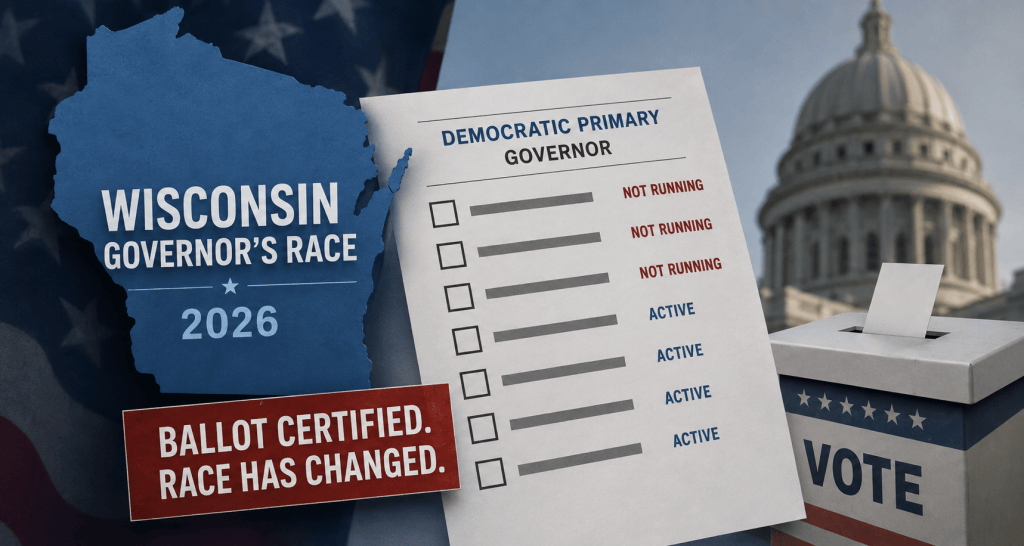
Wisconsin’s Governor’s Race Heads to a Primary With a Ballot That No Longer Matches the Field
Wisconsin’s August 11 primary will feature ballot discrepancies as candidate withdrawals occurred after certification. Of seven Democrats, three have ended campaigns and one reversed course, yet all appear on ballots. This chaotic primary follows Governor Evers’ decision not to seek a third term, making the race highly significant for both parties.
-

In Nevada’s Toss-Up Governor’s Race, Two Ballot Quirks Could Matter More Than Usual
Nevada’s 2026 gubernatorial race is considered a toss-up, featuring Republican incumbent Gov. Joe Lombardo and Democratic challenger Attorney General Aaron Ford. Nevada’s closed primary system excludes nonpartisan voters, while the “None of These Candidates” option allows formal rejection of candidates. These factors could significantly influence the outcome in a closely contested election.
-

Colorado’s Governor’s Race: A 2,500-Vote Primary, an Automatic-Recount Threshold, and a Campaign Finance Investigation
The 2026 Colorado governor’s race features a Democratic primary win by Phil Weiser and a contentious Republican primary where Victor Marx narrowly topped Barbara Kirkmeyer. Marx faces a campaign finance investigation for exceeding contribution limits, while his claims about personal history have come under scrutiny. Weiser is favored in the general election.
-

Tennessee’s Republican Primary for Governor Narrows Ahead of Thursday’s Vote
Tennessee Republicans will select their gubernatorial nominee on August 6, with U.S. Sen. Marsha Blackburn, U.S. Rep. John Rose, and state Rep. Monty Fritts as major contenders. Blackburn leads in polls and fundraising, while Rose relies on personal loans. Fritts advocates limited government and has controversial proposals. The winner faces the Democratic nominee on November…
-

Alaska Voters Will Pick a Senator — and Decide Whether to Keep the System That Elects One
Alaska’s 2026 election cycle features a noteworthy aspect where voters will decide not only a closely-watched Senate race but also whether to repeal the state’s ranked-choice voting system. The Senate primary on August 18 will advance the top four candidates to a ranked-choice general election on November 3, amid debate over electoral clarity and voter…
-
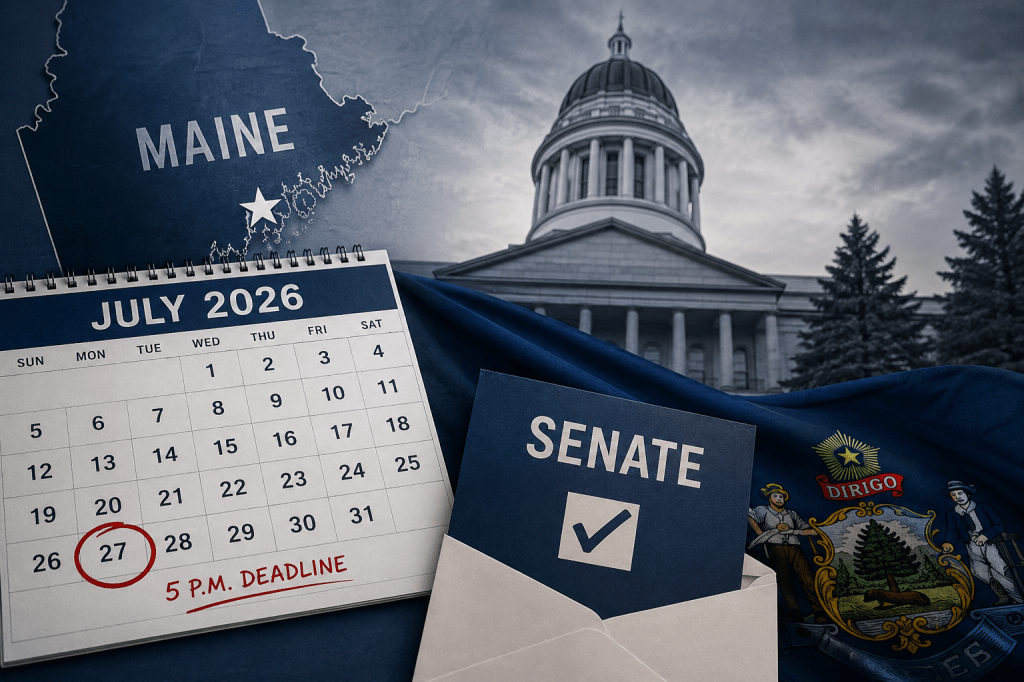
A 17-Day Scramble: How Maine Democrats Replaced Their Senate Nominee Under a Statutory Deadline
Maine’s 2026 U.S. Senate race faced turmoil after nominee Graham Platner withdrew following sexual assault allegations. With time running out, the Democratic Party selected Troy Jackson as the replacement through a convention process, rather than a primary. Jackson now competes against incumbent Susan Collins in a closely contested election.
-
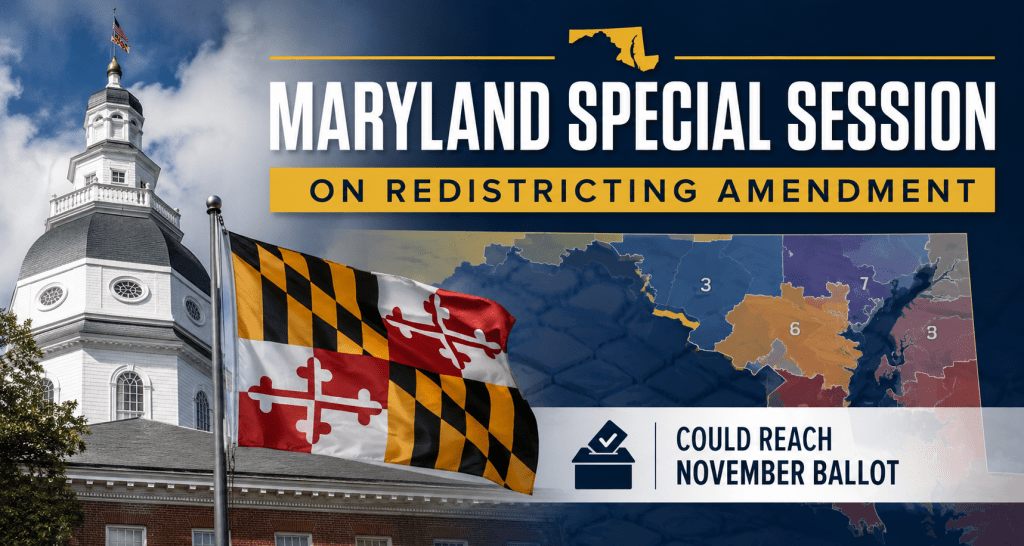
Maryland Lawmakers Convene Special Session Monday on a Constitutional Amendment That Could Reach the November Ballot
Maryland’s General Assembly begins a special session on August 3 to consider a proposed constitutional amendment affecting future congressional redistricting standards. While no new map will be drawn, the amendment aims to clarify legal frameworks governing redistricting and potentially expedite judicial review of disputes. Voter approval is sought for the ballot in 2026.
-

Who’s Running for Governor of Texas in 2026?
Texas voters have nominated incumbent Republican Governor Greg Abbott and Democratic state Representative Gina Hinojosa for a rematch in the November 3 election. Despite Abbott’s financial advantage and polling lead, Hinojosa has garnered support among independents and moderates, making the race unexpectedly competitive in the traditionally red state.
-
Minnesota Governor’s Race 2026: An Open Seat, a Late Entry, and a Split Republican Field
Minnesota’s governor’s race has become highly competitive following incumbent Tim Walz’s withdrawal amid a fraud scandal. U.S. Senator Amy Klobuchar leads the Democratic primary, while the Republican race features Kendall Qualls, endorsed by the party, and MyPillow CEO Mike Lindell, endorsed by Trump. The August 11 primary will be crucial.

