Category: Constitutional Authority & Election Law
-
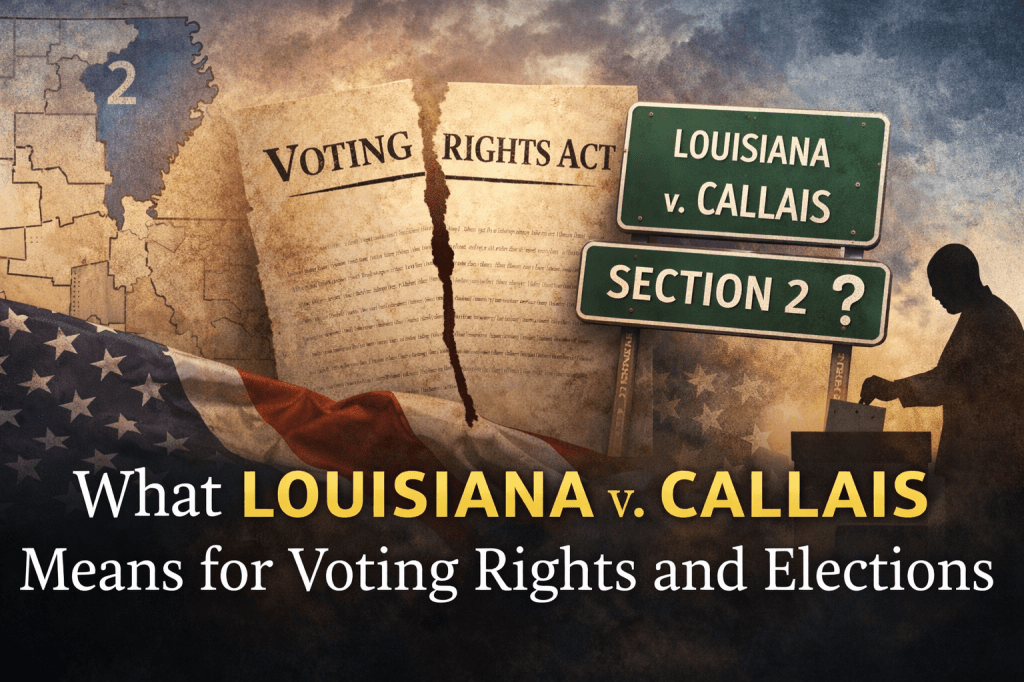
What Louisiana v. Callais Means for Voting Rights and Elections
Section 2 of the Voting Rights Act prohibits state or local practices from denying the right to vote based on race. It empowers voters to challenge discriminatory laws and practices. The Supreme Court case Louisiana v. Callais may redefine Section 2’s application, impacting minority voting strength and redistricting nationwide.
-
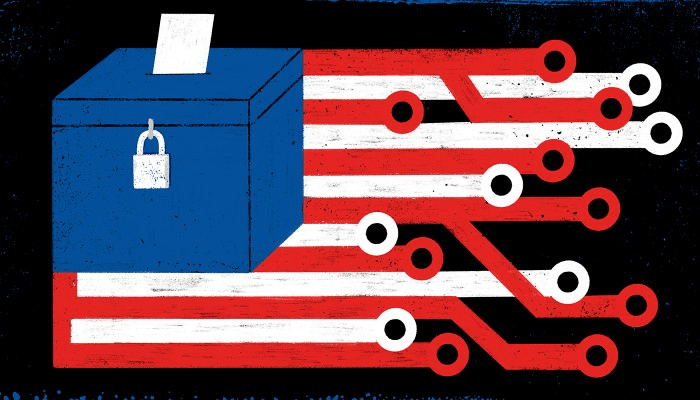
How States Can Protect Election Integrity and Security
State legislatures are vital in shaping U.S. elections, balancing security and access. The Brennan Center for Justice’s report outlines necessary actions to enhance election integrity without restricting voter participation. Key recommendations include securing voting systems, conducting robust audits, protecting election officials, investing in infrastructure, and maintaining clear rules, emphasizing competence to build public trust.
-
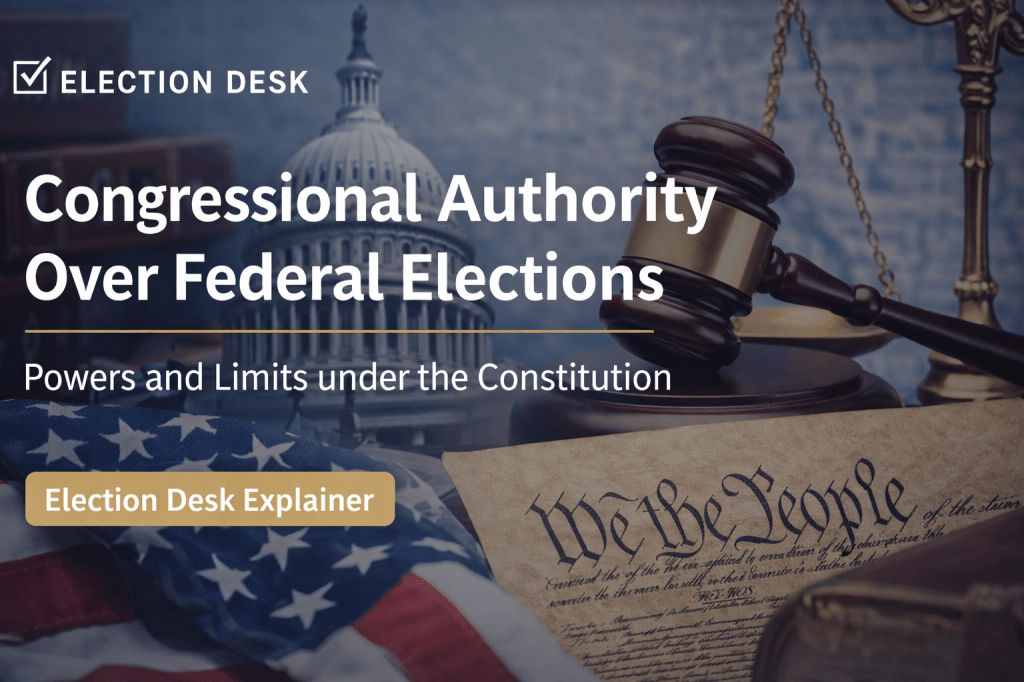
Congressional Power Under the U.S. Constitution: What It Can and Cannot Do on Election Rules
The U.S. Constitution’s Elections Clause grants Congress the power to regulate federal elections, allowing it to override state laws. However, this authority is balanced by constitutional limits and historical practices, with states primarily managing election administration. Proposed reforms face judicial scrutiny and must align with constitutional provisions, emphasizing a dual authority structure.
 Election Desk