Tag: election law
-
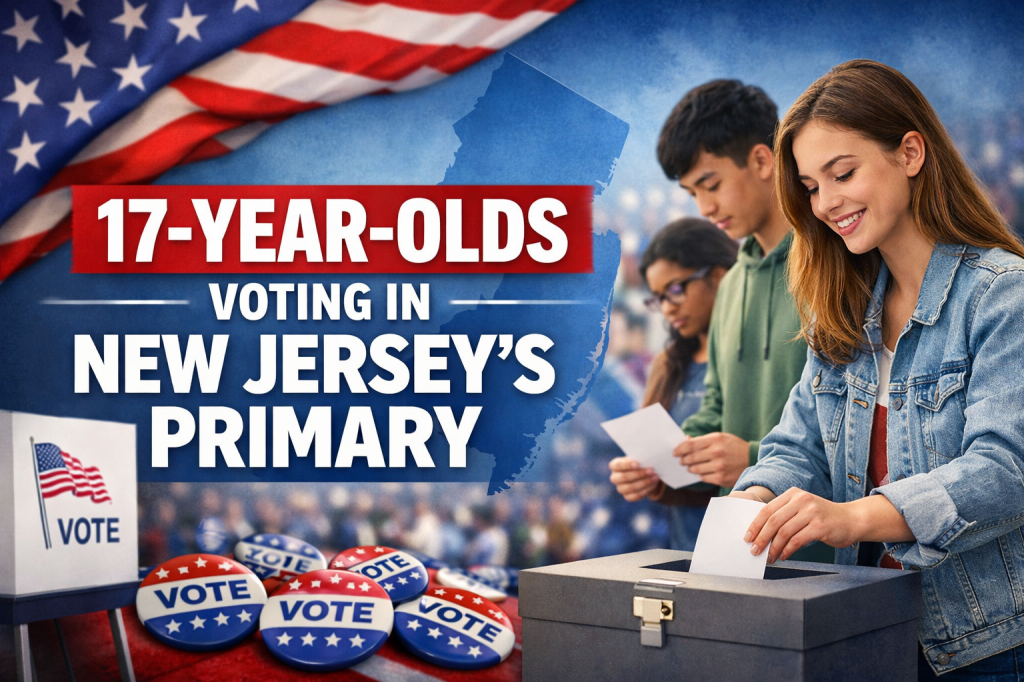
New Jersey Tests Expanded Youth Franchise as 17-Year-Olds Cast Ballots in Primary
New Jersey is pioneering youth voting by allowing 17-year-olds, who will turn 18 by the general election, to participate in the February 2026 congressional primary. This initiative, part of the New Voter Empowerment Act, aims to enhance civic engagement among young people, potentially influencing future electoral participation trends.
-
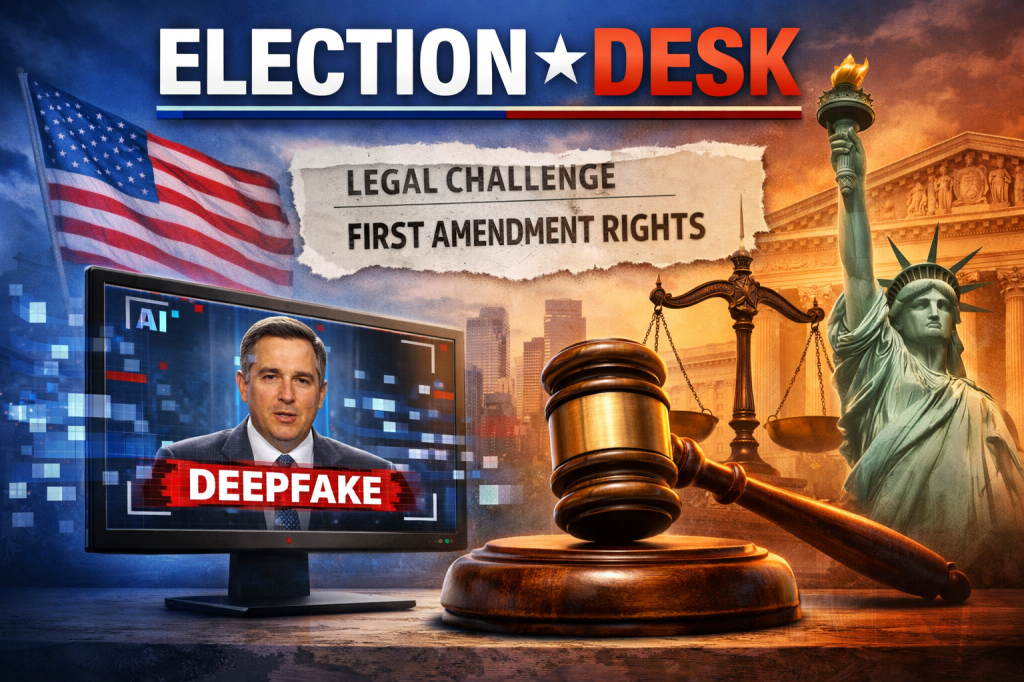
Federal Court Strikes Down Hawaii Deepfake Election Law on First Amendment Grounds
A federal judge ruled Hawaii’s deepfake law unconstitutional, stating it infringed on First Amendment rights by imposing content-based restrictions on political speech. The law aimed to limit AI-generated media misleading voters but was found vague and potentially arbitrary. The ruling emphasizes the balance between addressing disinformation and protecting free speech.
-

Judge Blocks New Citizenship Requirements in Latest Setback to Trump Election Executive Order
A federal judge has blocked provisions from former President Trump’s executive order that aimed to impose federal oversight on voter eligibility and citizenship verification. The ruling emphasizes that such changes require congressional approval, reinforcing the constitutional balance of power between state and federal election administration. Future attempts to alter election rules will face scrutiny.
-
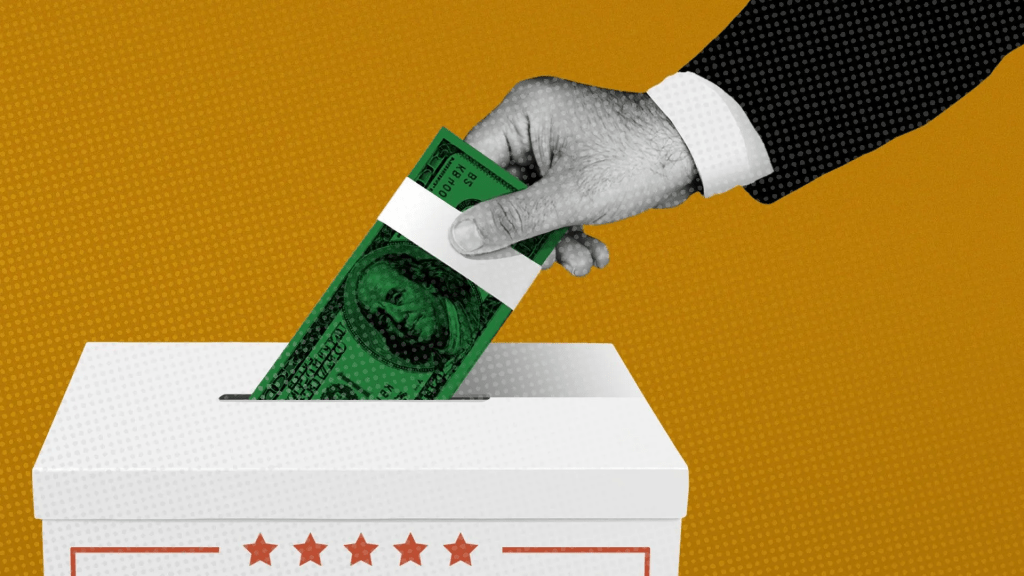
Maryland Campaign Finance Explained: How Exploratory Committees Became a Regulatory Blind Spot
Maryland’s campaign finance system, known for its structured disclosure requirements, faces scrutiny regarding the exploratory phase of candidacy. Currently, regulations allow fundraising without registration or donor disclosure prior to official declarations. Proposed bills HB 157 and SB 65 aim to define exploratory committees, enforce transparency, and align pre-candidacy fundraising with existing rules.
-
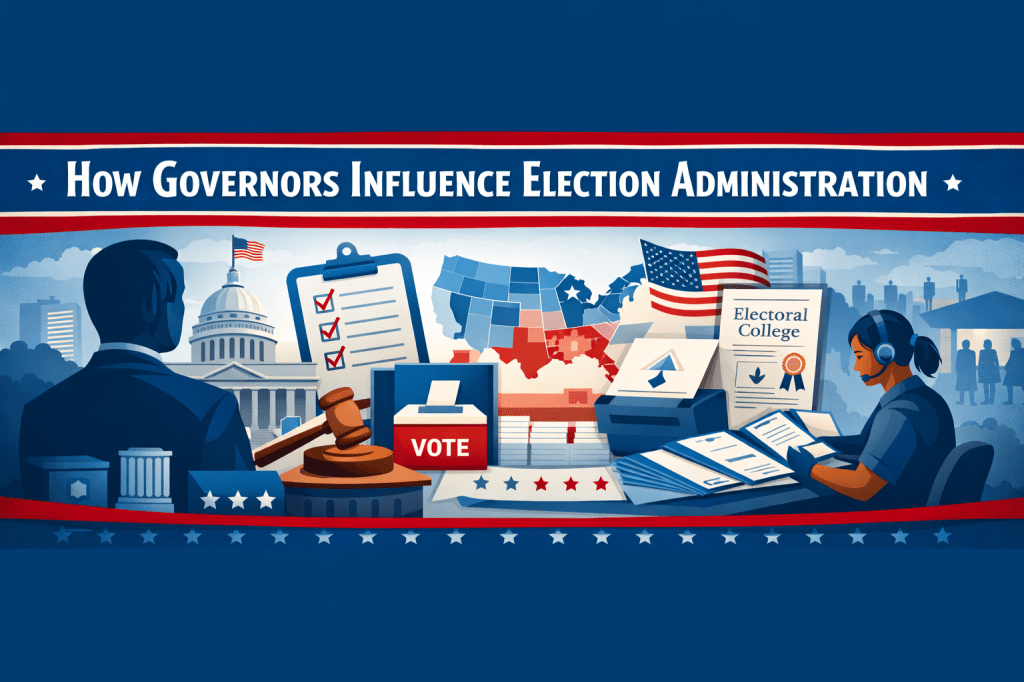
How Governors Influence Election Administration
In the U.S., election administration is mainly handled by states, with governors playing significant roles through appointment powers, executive oversight, legal leadership, and coordination with local officials. Their influence varies across states, impacting election policies and procedures despite different constitutional frameworks and statutory arrangements governing elections.
-
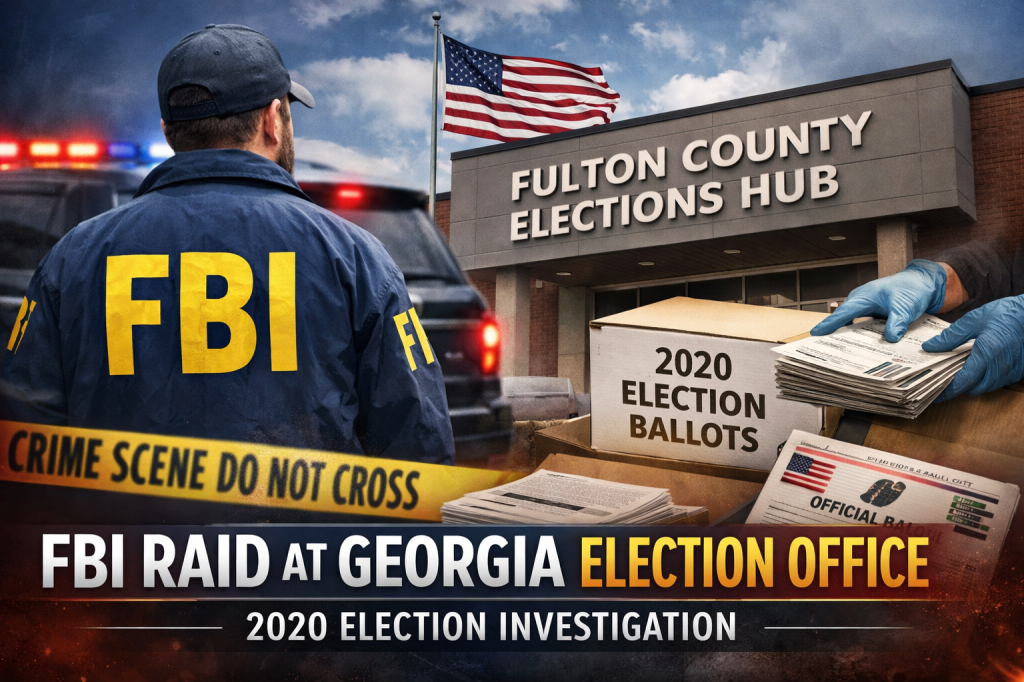
FBI Executes Search Warrant at Georgia Election Office in 2020 Election Probe
On January 28, 2026, FBI agents executed a search warrant at Fulton County’s Election Hub in Georgia as part of a federal investigation into the 2020 presidential election and allegations of fraud. The seizure of ballots and election materials has reignited debates on election integrity and federal authority, impacting future electoral processes.
-
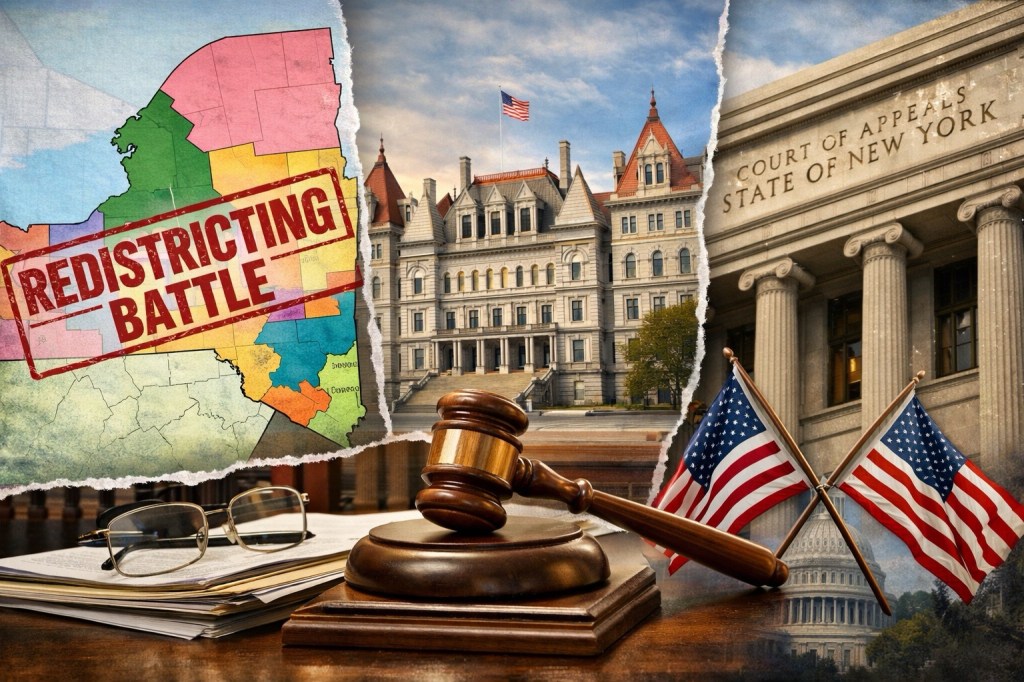
New York’s Redistricting Fight Escalates After Court Ruling
A court ruling has pushed New York back toward redistricting chaos, exposing the flaws in a system sold as “independent” but engineered to collapse. Once again, judges—not voters—may decide the map, raising serious questions about accountability, legitimacy, and democratic trust.
-
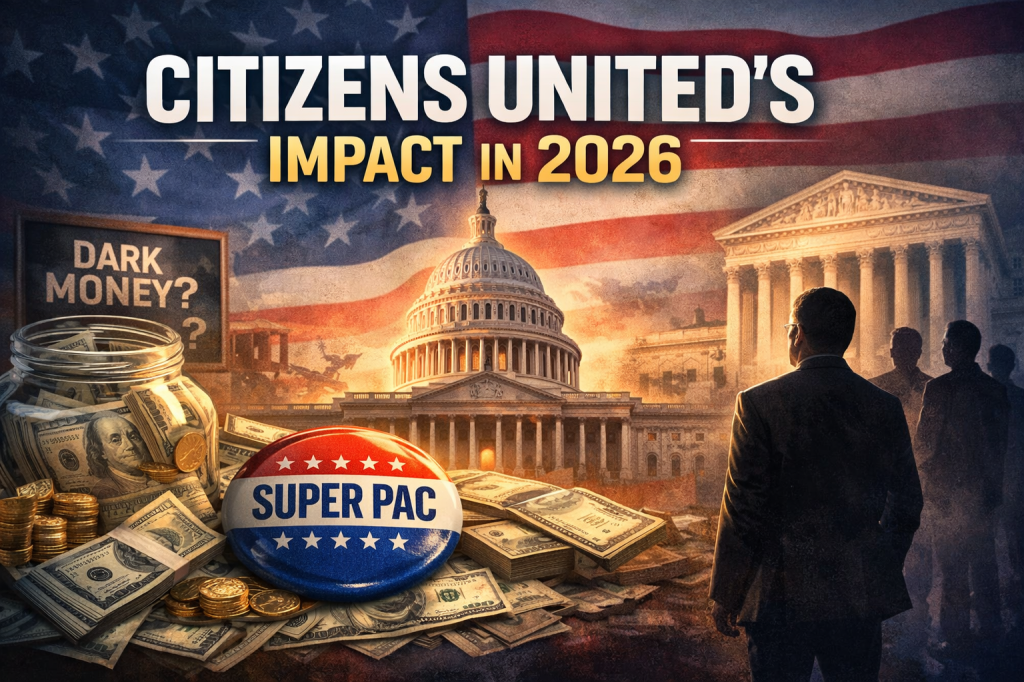
Citizens United’s Enduring Influence: How the 2010 Decision Still Shapes American Elections in 2026
On January 21, 2010, the Supreme Court’s ruling in Citizens United v. FEC allowed unlimited corporate and union spending in federal elections, reshaping campaign finance. This decision led to the rise of super PACs and dark money, raising concerns about transparency and voter influence as the political landscape faces ongoing challenges and calls for reform…
-
Vermont Lawmakers Move to Codify Voting Rights in State Law Amid National Uncertainty
Democratic lawmakers in Vermont proposed the Vermont Voting Rights Act to embed federal voting protections into state law amidst national concerns about voting rights. The bill aims to expand access for historically underrepresented groups, enhance voter protections, and counteract potential federal rollbacks. It is set for legislative consideration soon.
-
What Happens If Congress Is Split After an Election? Institutional Consequences Explained
Federal elections often result in a split Congress, where no single party controls both chambers. This scenario can lead to legislative gridlock, necessitating bipartisan negotiation for progress. Institutional mechanics, like tie-breaking votes in the Senate and the lack of a tie-breaking mechanism in the House, complicate governance and hinder productivity.
 Election Desk