Tag: election reform
-

Secret Money, Loud Consequences: How Dark Cash Is Warping Democratic Primaries
Key Democratic primaries are increasingly influenced by secret money from Super PACs and outside spending groups, undermining voter agency and accountability. Despite Democrats’ public opposition to big money, these entities exploit opaque funding to shape electoral outcomes, raising concerns about the connection between candidates and constituents and the overall integrity of democracy.
-
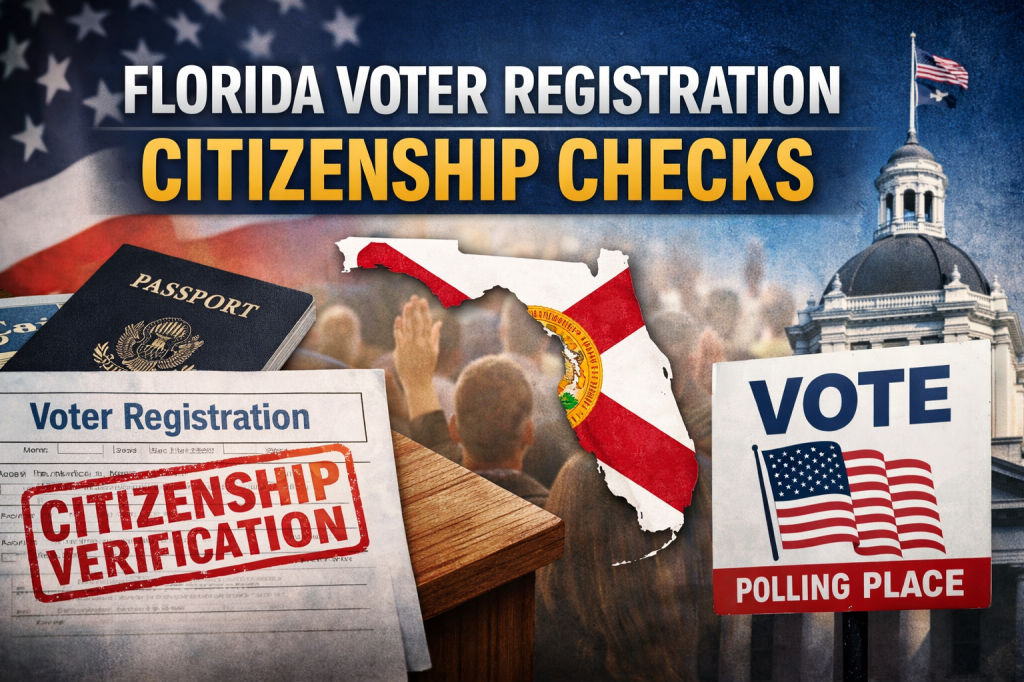
Florida Lawmakers Move to Add Citizenship Verification to Voter Registration
Florida legislators are advancing House Bill 985, which mandates citizenship verification for voter registration and introduces stricter ID requirements. Proponents argue it ensures election integrity, while opponents view it as unnecessary and potentially suppressive. This measure reflects national trends on voter eligibility, emphasizing the ongoing debate between election security and access.
-
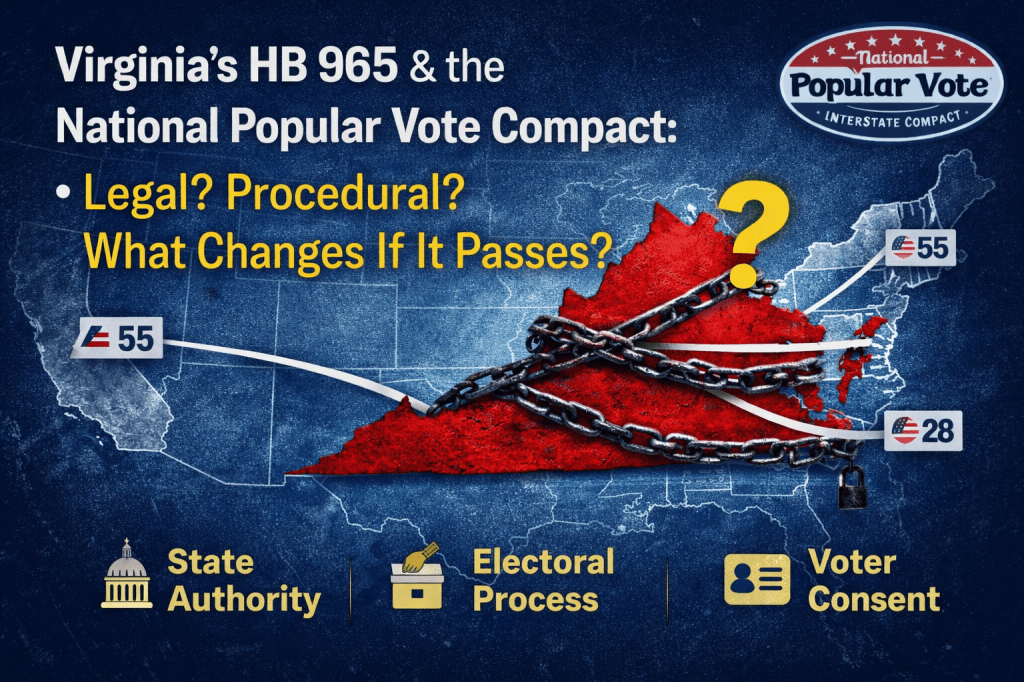
Virginia’s HB 965 and the National Popular Vote Compact: How It Works—and What Changes If It Passes
Virginia lawmakers are considering HB 965, which would allow the state to join the National Popular Vote Interstate Compact. This agreement aims to elect presidents based on the national popular vote instead of the Electoral College system. Critics voice concerns about voter consent and the shift in electoral authority from states to a national standard.
-
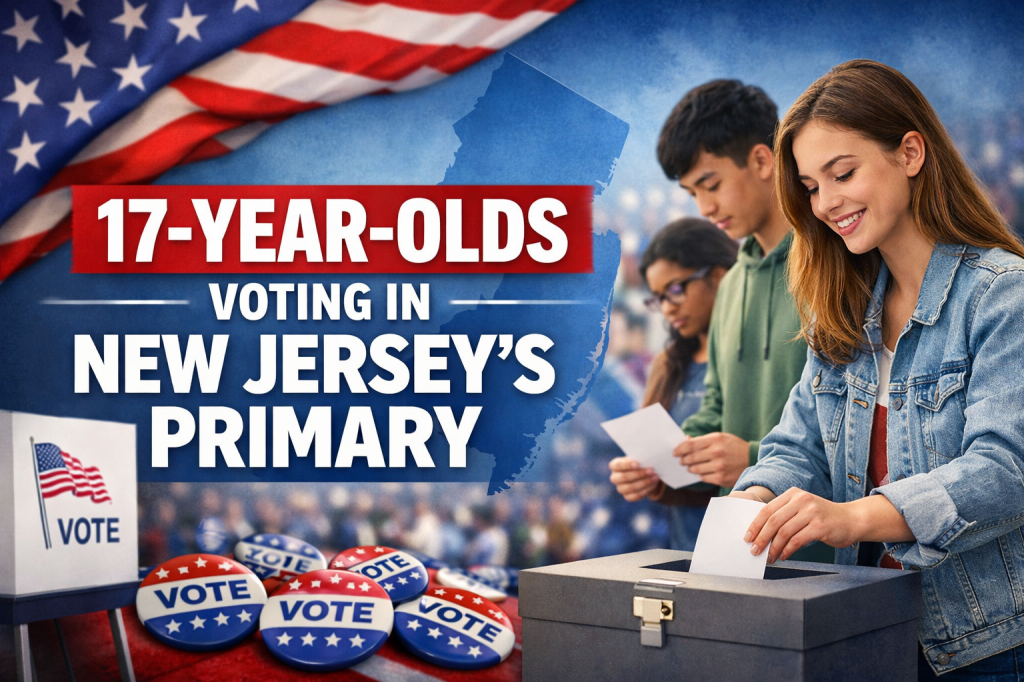
New Jersey Tests Expanded Youth Franchise as 17-Year-Olds Cast Ballots in Primary
New Jersey is pioneering youth voting by allowing 17-year-olds, who will turn 18 by the general election, to participate in the February 2026 congressional primary. This initiative, part of the New Voter Empowerment Act, aims to enhance civic engagement among young people, potentially influencing future electoral participation trends.
-
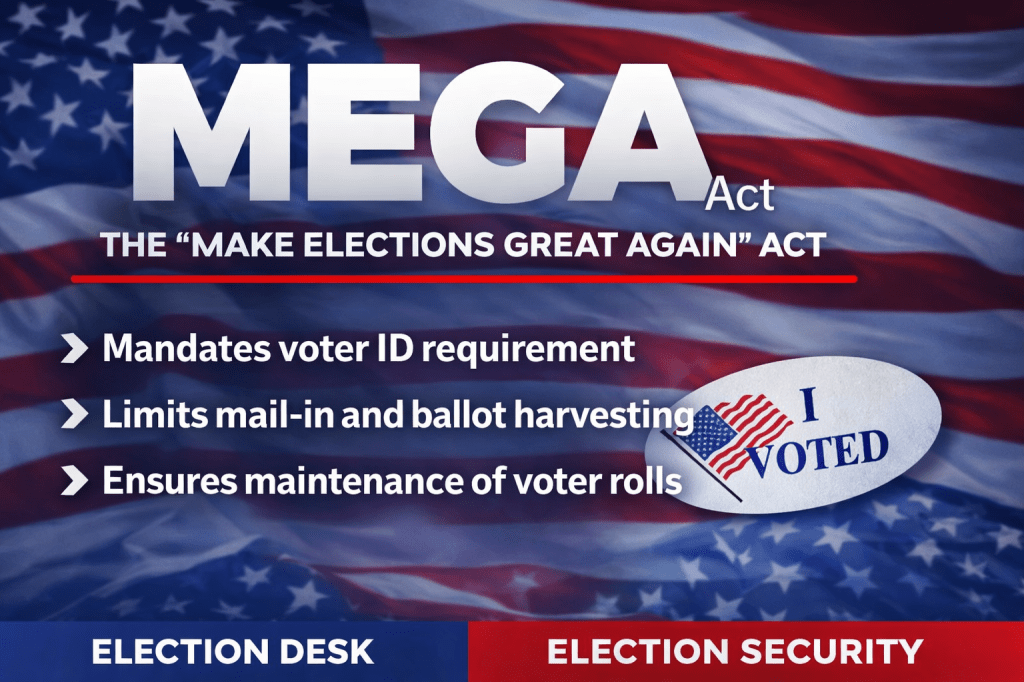
Republicans Unveil ‘Make Elections Great Again’ Act: What It Would Do and Why It Matters
Republicans unveiled the Make Elections Great Again Act (MEGA Act), aimed at establishing national standards for federal elections to enhance voter confidence and security. The bill requires photo IDs, new voter registration criteria, and stricter ballot regulations. Critics argue it risks voter access, particularly for marginalized groups, intensifying debates ahead of the 2026 midterms.
-
A Bold Blueprint for Reform: Brennan Center Outlines Nine Solutions to Political Corruption
The Brennan Center for Justice’s new report presents “Nine Solutions for Political Corruption,” aimed at addressing escalating political corruption in America, driven by private wealth’s influence. The proposals include constitutional amendments, banning large donations from government contractors, and enhancing ethical regulations to restore public trust in democratic institutions and accountability.
-
Vermont Lawmakers Move to Codify Voting Rights in State Law Amid National Uncertainty
Democratic lawmakers in Vermont proposed the Vermont Voting Rights Act to embed federal voting protections into state law amidst national concerns about voting rights. The bill aims to expand access for historically underrepresented groups, enhance voter protections, and counteract potential federal rollbacks. It is set for legislative consideration soon.
-
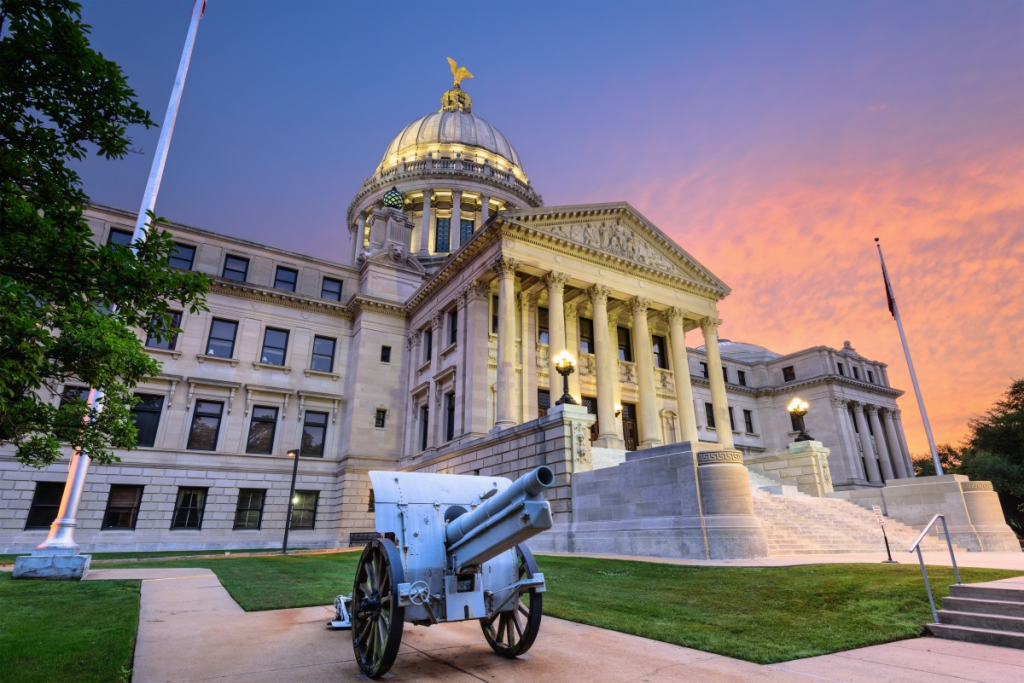
Mississippi Lawmakers Propose State-Level Voting Rights Act
Democratic lawmakers in Mississippi have proposed a state-level Voting Rights Act to expand voter protections, aiming to restore oversight weakened by Supreme Court rulings. It seeks to prevent discriminatory practices and enhance transparency in elections. While supporters advocate for necessary safeguards, Republican leaders express skepticism, emphasizing compliance with existing federal laws.
-
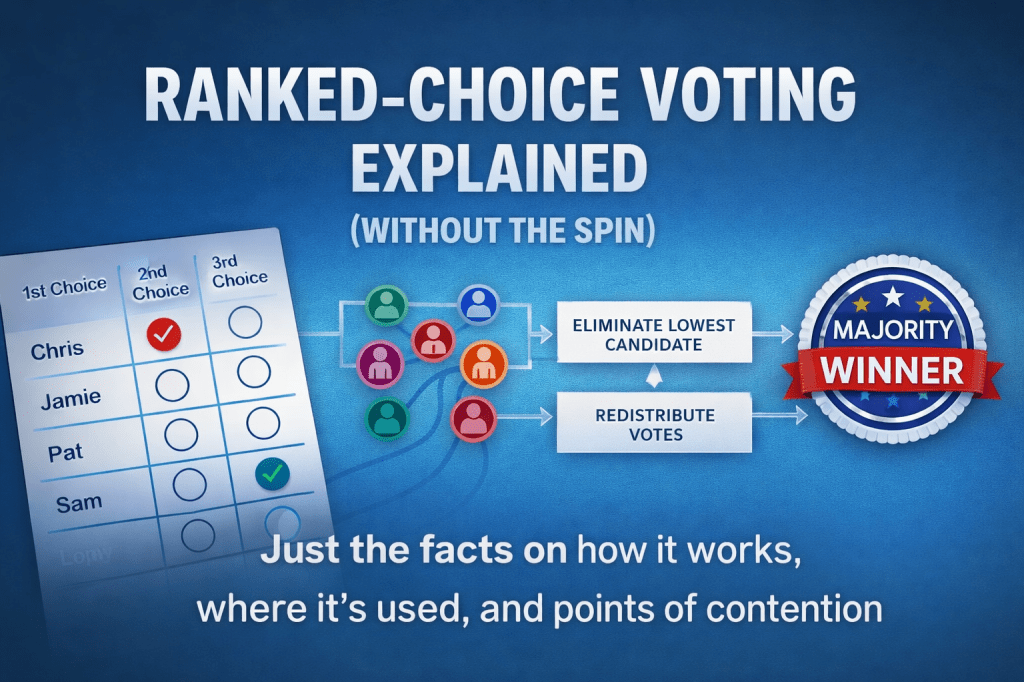
Ranked-Choice Voting Explained (Without the Spin)
Ranked-choice voting (RCV) allows voters to rank candidates by preference, enhancing democracy by reducing spoilers and encouraging broader appeal. However, it introduces complexity and potential confusion for some voters, along with longer counting times and transparency issues. Its effectiveness depends on implementation and voter education. RCV is used in various U.S. states and cities.
 Election Desk