Tag: elections
-
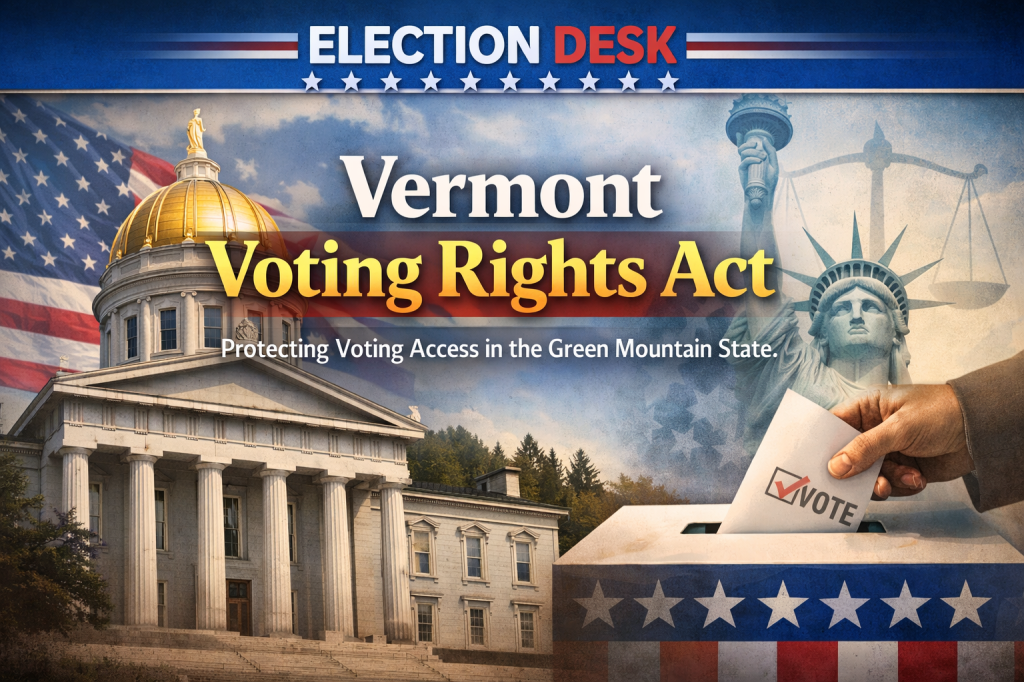
Vermont Lawmakers Move to Codify Voting Rights in State Law Amid National Uncertainty
Democratic lawmakers in Vermont proposed the Vermont Voting Rights Act to embed federal voting protections into state law amidst national concerns about voting rights. The bill aims to expand access for historically underrepresented groups, enhance voter protections, and counteract potential federal rollbacks. It is set for legislative consideration soon.
-
Ohio Lawmakers Propose Making Election Day a State Holiday
Ohio lawmakers have introduced a bill to designate Election Day as a state holiday to enhance voter access. Proponents argue it would alleviate work-related barriers, especially for low-income workers, while opponents cite concerns over costs and effectiveness. The proposal is set for committee review, highlighting ongoing discussions on voter participation.
-
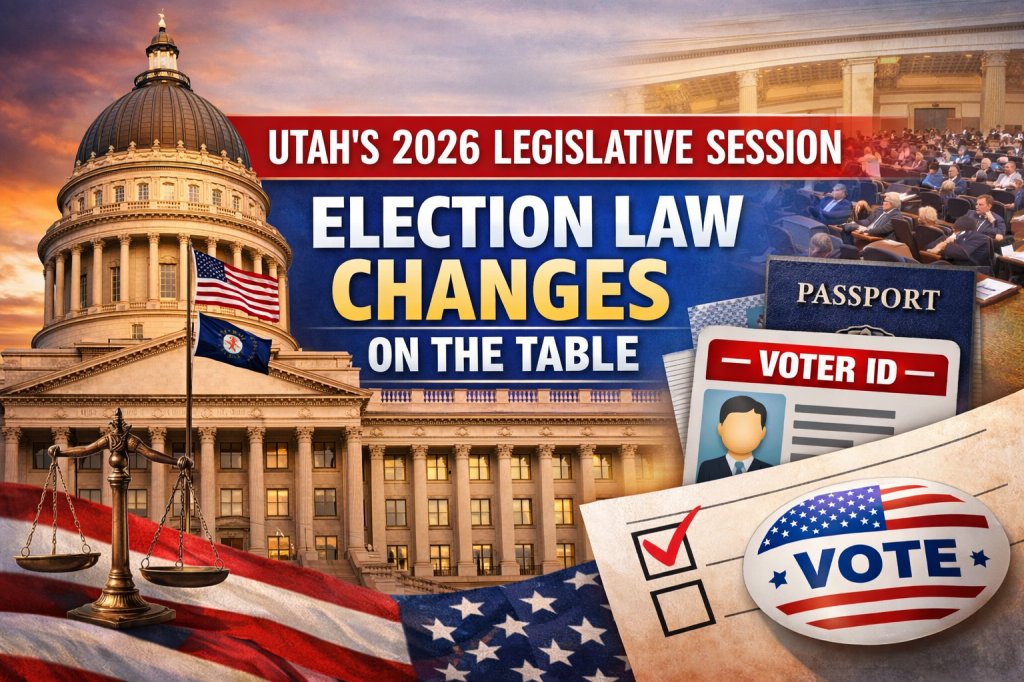
Utah’s 2026 Legislative Session Begins With Election Law Changes on the Table
Utah’s 2026 legislative session is focusing on election law reforms, highlighted by House Bill 209, which seeks to establish a proof of U.S. citizenship requirement for voting. These changes, alongside previous reforms to mail-in voting, have ignited debates over election administration and voter accessibility, with significant implications for the upcoming elections.
-
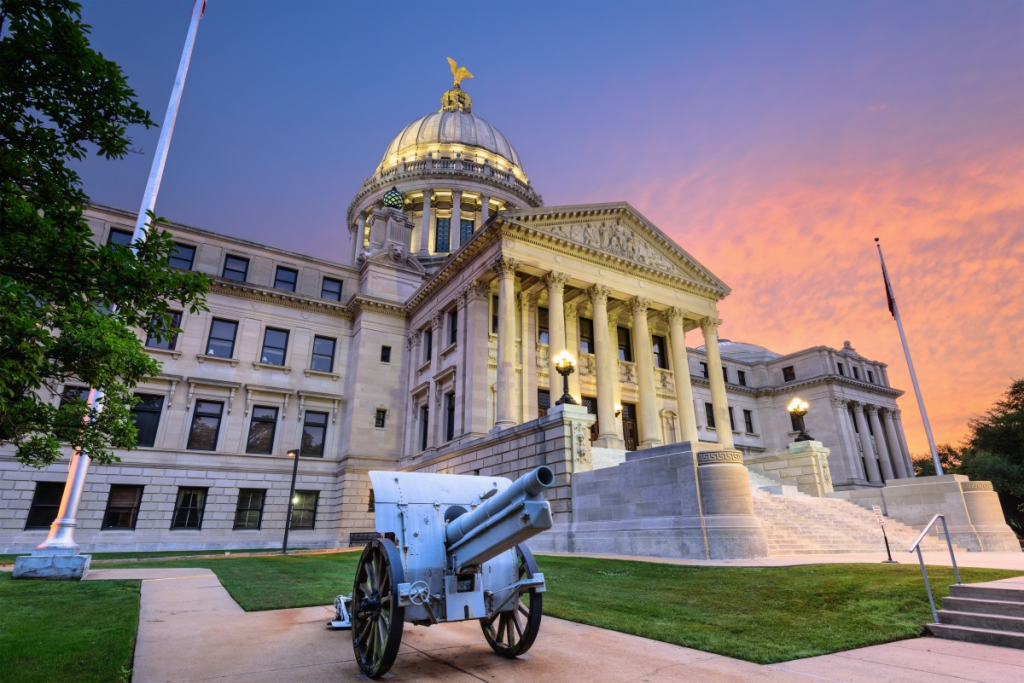
Mississippi Lawmakers Propose State-Level Voting Rights Act
Democratic lawmakers in Mississippi have proposed a state-level Voting Rights Act to expand voter protections, aiming to restore oversight weakened by Supreme Court rulings. It seeks to prevent discriminatory practices and enhance transparency in elections. While supporters advocate for necessary safeguards, Republican leaders express skepticism, emphasizing compliance with existing federal laws.
-
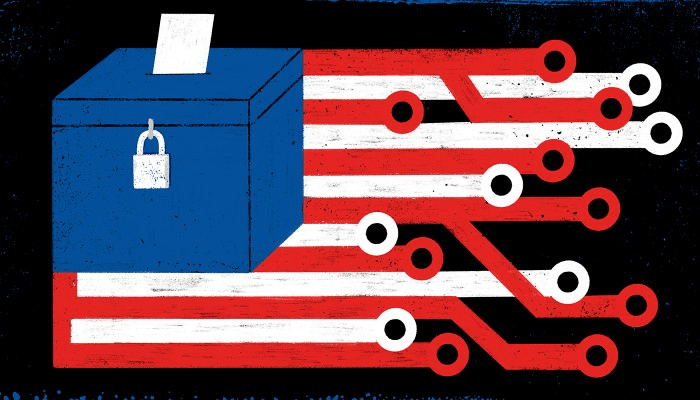
How States Can Protect Election Integrity and Security
State legislatures are vital in shaping U.S. elections, balancing security and access. The Brennan Center for Justice’s report outlines necessary actions to enhance election integrity without restricting voter participation. Key recommendations include securing voting systems, conducting robust audits, protecting election officials, investing in infrastructure, and maintaining clear rules, emphasizing competence to build public trust.
-
Supreme Court Opens Door for Bost Election Integrity Lawsuit, Shaping Future Election Law Challenges
On January 14, 2026, the U.S. Supreme Court ruled in Bost v. Illinois State Board of Elections that candidates can challenge state election rules in federal court without proving direct impact on election outcomes. The decision broadens candidate standing in election law disputes, potentially increasing pre-election litigation while leaving the legality of Illinois’ mail-in ballot…
-
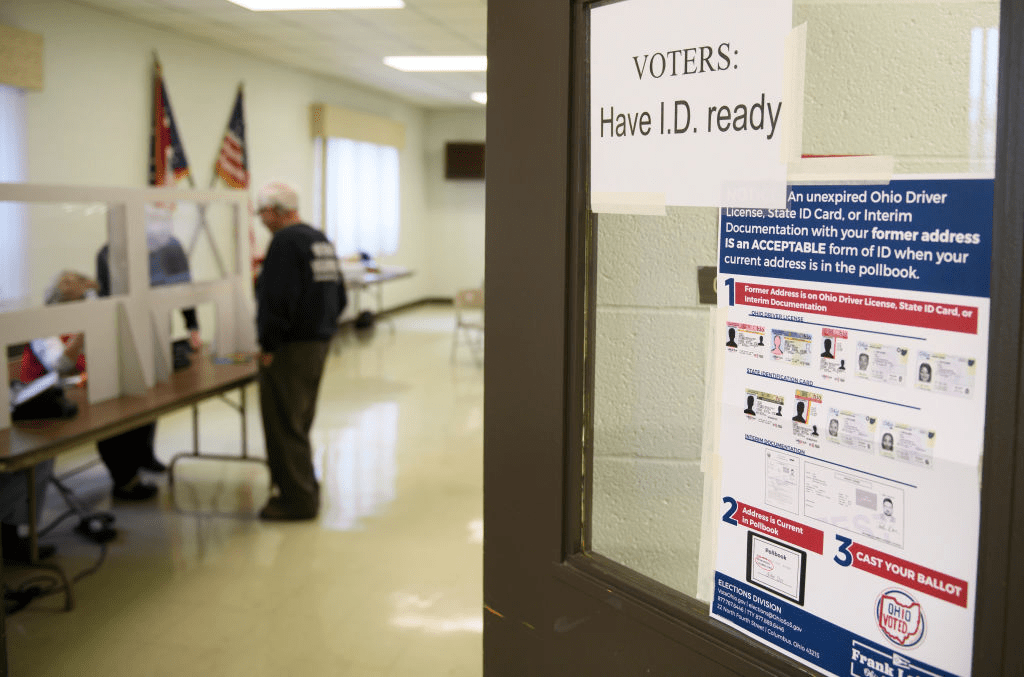
Voter ID Laws Explained: What States Require — and Why It Varies
Voter identification laws in the U.S. vary widely by state regarding requirements, acceptable IDs, and enforcement. States are categorized as having strict or non-strict laws, affecting voter access and ballot counting. Ongoing legal challenges question the balance between election security and accessibility, influencing the evolution of these policies.
-
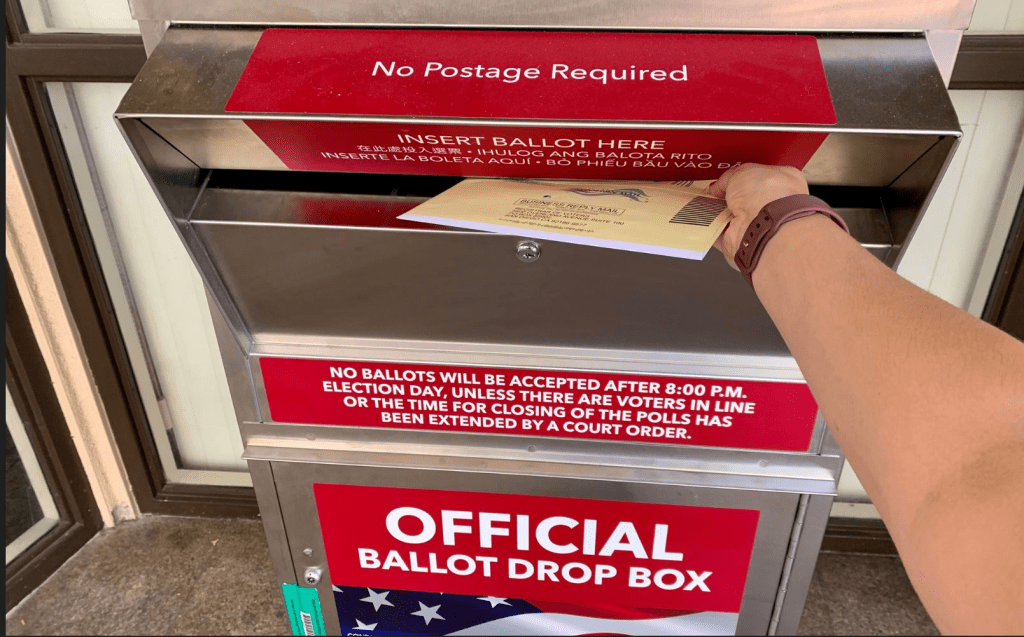
Mail Voting vs. Absentee Voting: What’s the Difference?
Mail voting and absentee voting are distinct concepts with significant differences in eligibility, request processes, ballot return options, signature verification, and deadlines. Absentee voting often requires a valid reason and has strict processes, while mail voting is generally available to all registered voters and allows for more flexible deadlines and easing of ballot issues. Understanding…
-
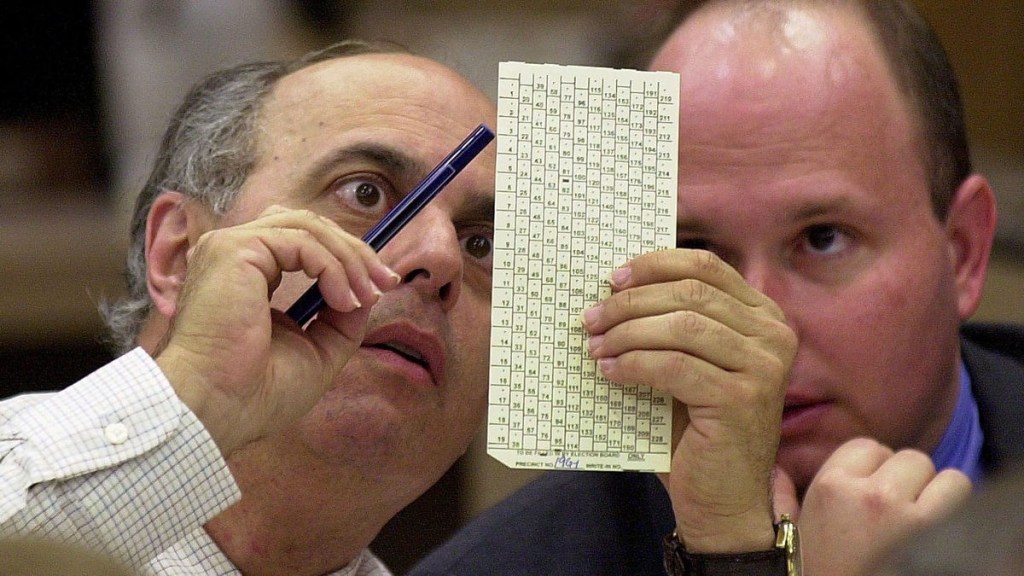
25 Years After Bush v. Gore, Election Law Is Still Living in Its Shadow
Twenty-five years after Bush v. Gore, the Supreme Court’s decision still shapes how elections are run, challenged, and decided. From routine post-election lawsuits to expanded judicial intervention, the 2000 ruling continues to influence election law—and public confidence in democratic outcomes.
-
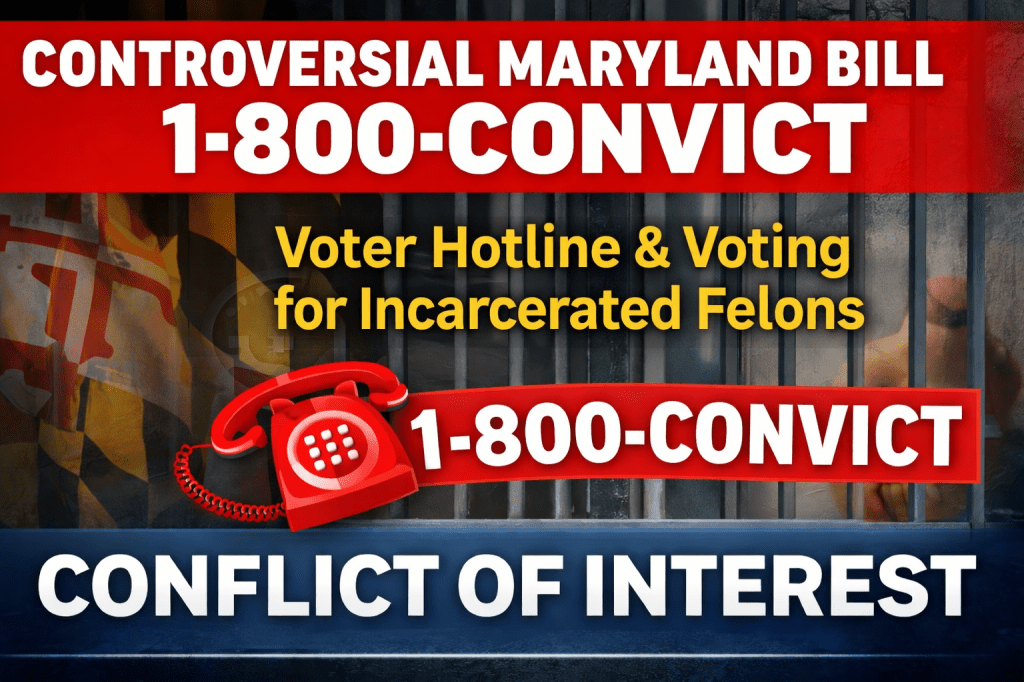
Maryland Bill to Expand Voting Access for Incarcerated Individuals Draws GOP Scrutiny
A proposed Maryland bill mandates a toll-free voter hotline for incarcerated individuals and modifies voting eligibility for felons. It aims to reduce disenfranchisement, particularly in minority communities. While supporters advocate for inclusivity, Republicans raise concerns about election integrity. The bill is currently awaiting committee hearings in the 2026 legislative session.
 Election Desk