Tag: election litigation
-
Who Teaches Election Law — and Does It Shape What Happens in Court?
A recent Public Interest Legal Foundation report reveals a significant ideological imbalance among election law faculty at U.S. law schools, with 76 left-leaning professors for every 12 conservative ones. This disparity may influence the pipeline of election litigators and shape court outcomes, raising concerns about legal representation in election matters.
-
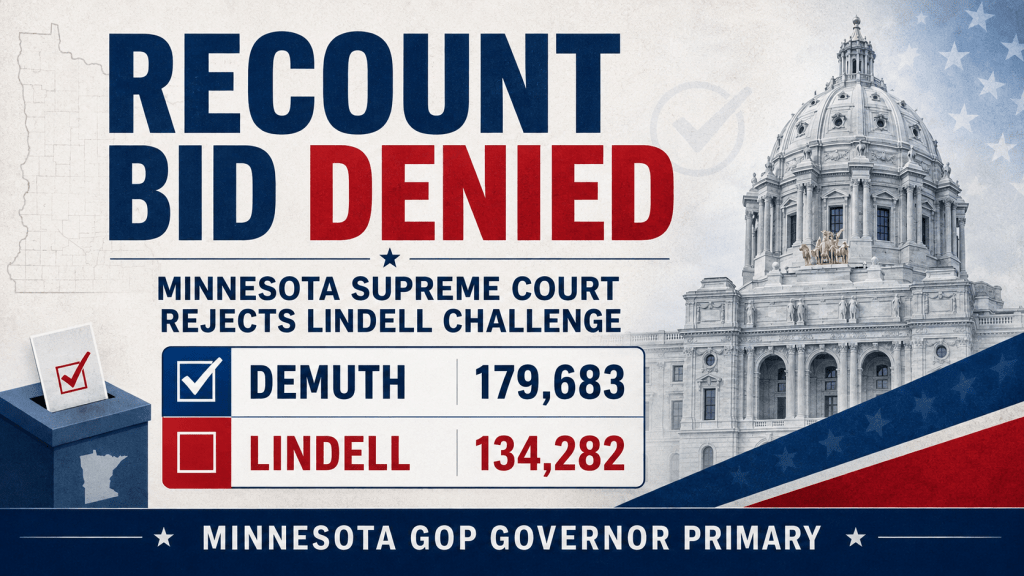
Minnesota Supreme Court Denies Lindell’s Bid for Expanded Recount in GOP Governor Primary
The Minnesota Supreme Court denied Mike Lindell’s petition for a recount in the Republican primary for governor, affirming the recount plan’s compliance with state law. Lindell, who finished second, claimed vote anomalies but did not formally request a recount by the deadline. Demuth’s victory is upheld as Minnesota prepares for the general election.
-
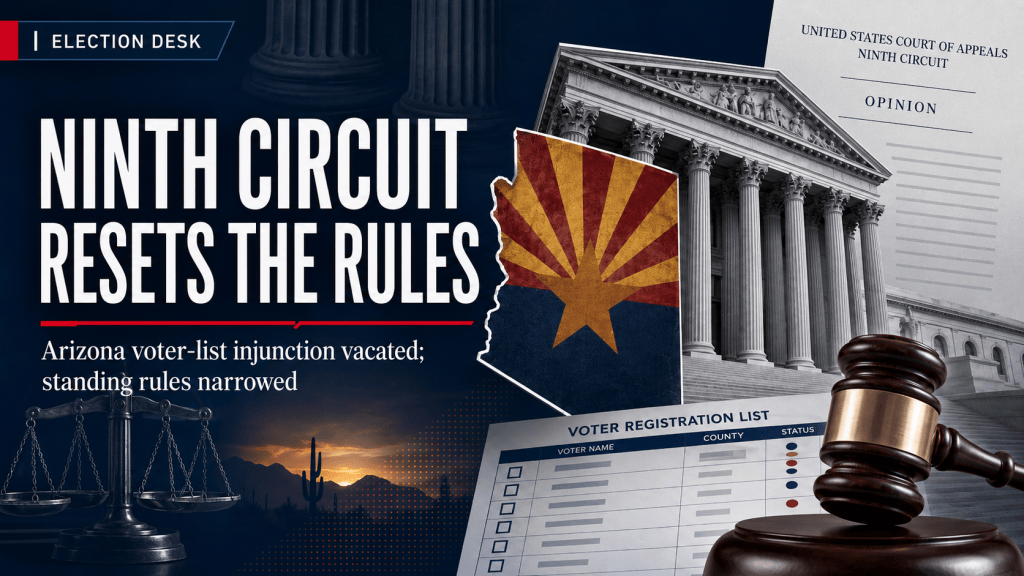
Ninth Circuit, Sitting En Banc, Vacates Injunction on Arizona Voter-List Provisions, Narrows Standing Rules
The Ninth Circuit Court ruled that Arizona’s lower court incorrectly blocked provisions of a 2022 election law regarding voter registration. The court found that advocacy organizations lacked standing to challenge one provision but had standing for another, resulting in different outcomes. Precedent related to organizational standing was overruled, impacting future litigations.
-

Federal Court Rejects DOJ Bid to Access New Jersey’s Full Voter Roll
A New Jersey federal judge dismissed the DOJ’s lawsuit for the state’s unredacted voter registration list, stating the federal law cited does not permit such requests. This ruling highlights legal limits on federal access to voter data, impacting similar cases across the nation as the DOJ continues its efforts to obtain voter information.
-
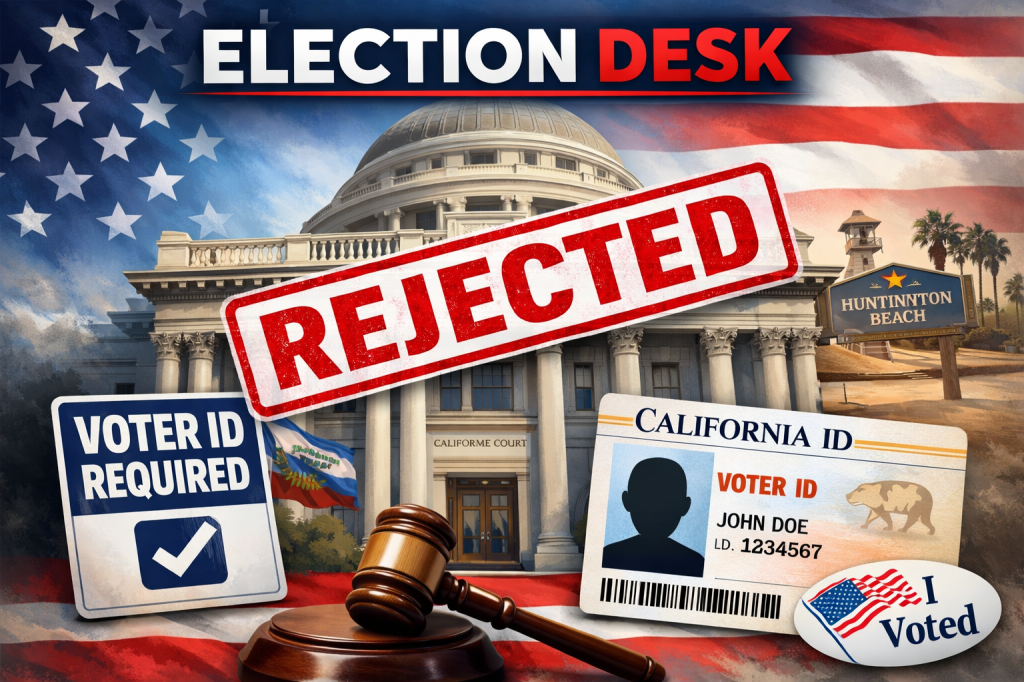
California Supreme Court Ends Huntington Beach’s Voter ID Law Fight
The California Supreme Court’s decision not to review an appeal from Huntington Beach has invalidated a voter ID requirement approved by local voters in 2024. The ruling affirms state authority over election laws, halting local efforts that critics say could suppress voter turnout while advocates argue they enhance election integrity. A new statewide initiative may…
-
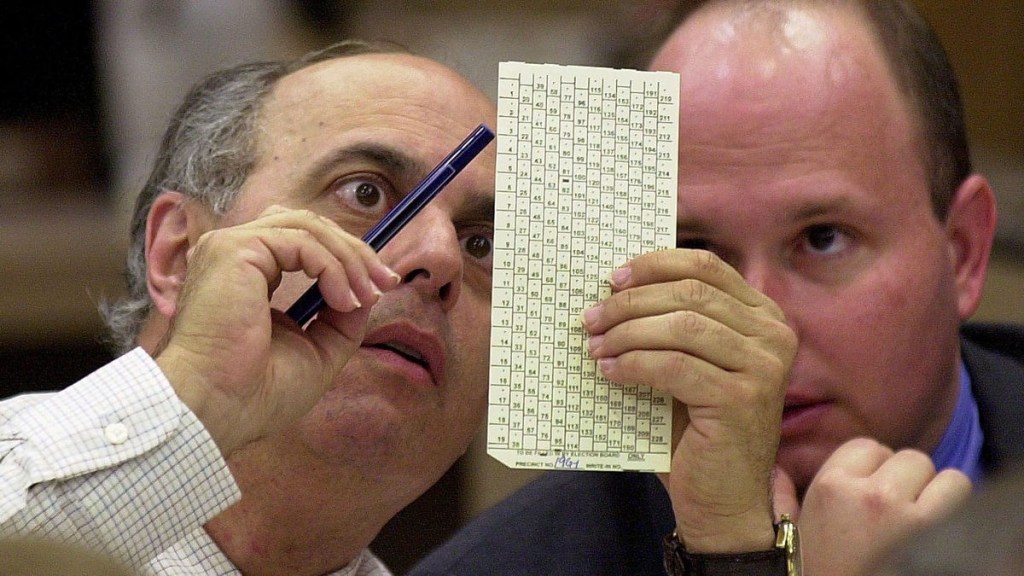
25 Years After Bush v. Gore, Election Law Is Still Living in Its Shadow
Twenty-five years after Bush v. Gore, the Supreme Court’s decision still shapes how elections are run, challenged, and decided. From routine post-election lawsuits to expanded judicial intervention, the 2000 ruling continues to influence election law—and public confidence in democratic outcomes.
-

How Election Lawsuits Actually Work
Election-related lawsuits are integral to American democracy, governed by legal standards like standing, timely filings, and available remedies. Plaintiffs must demonstrate concrete injuries, causation, and timeliness in filing claims. Many lawsuits fail due to lack of standing, missed deadlines, or speculative claims, emphasizing the importance of legal rigor in electoral processes.
 Election Desk